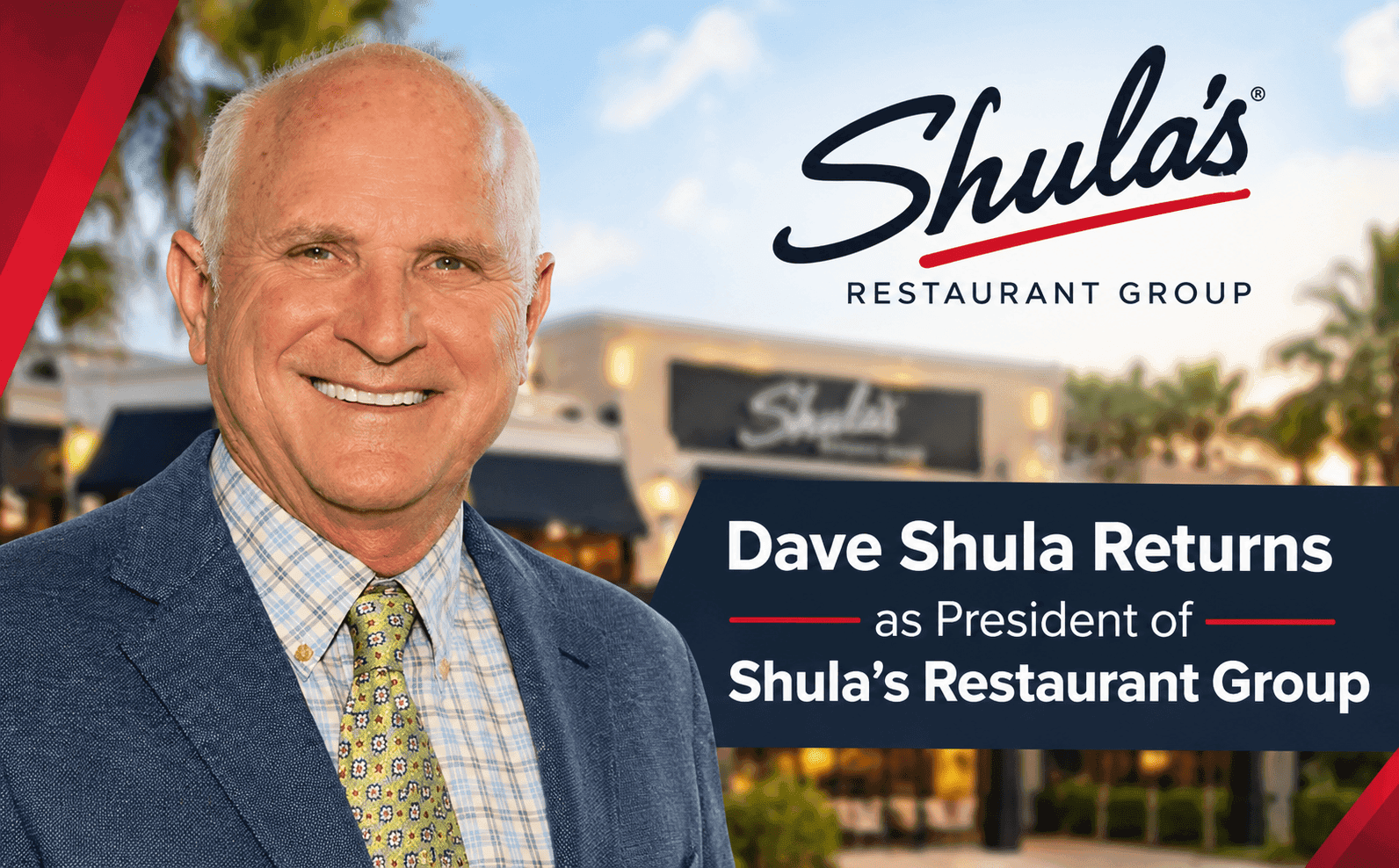
Dave Shula Returns as President of Shula's Restaurant Group
Dave Shula rejoins Shula's Restaurant Group as president, leading growth into Palm Beach Gardens and a 2027 Thomasville, Georgia expansion.
News
Sep 23, 2026
Dave Shula rejoins Shula's Restaurant Group as president, leading growth into Palm Beach Gardens and a 2027 Thomasville, Georgia expansion.
Sep 23, 2026
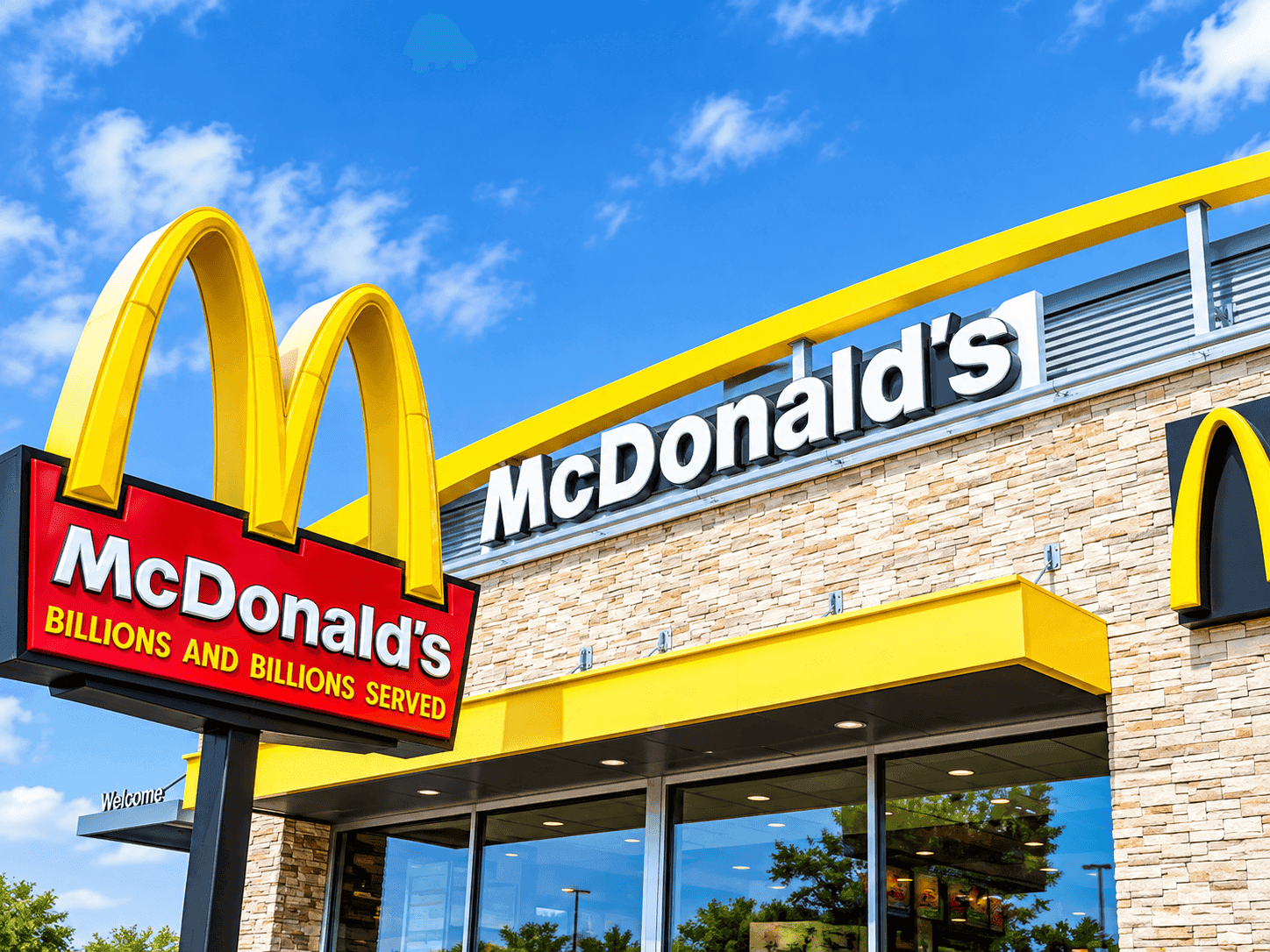
McDonald's commits $8.5 billion through 2036 to modernize restaurants, boost cash flow by $100,000 per store, and grow chicken and beverage sales.
Sep 23, 2026
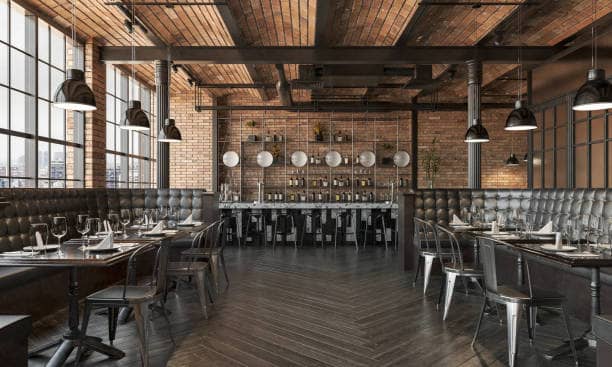
WKS Restaurant Group promotes Jay Spongberg to president and COO after he helped grow the company from 65 to 382 restaurants over 16 years.
Sep 23, 2026

Smokey Mo's BBQ names Von Dawson, a Dine Brands veteran, as VP of Franchise Development to lead its Texas expansion strategy.
Sep 23, 2026
.png&w=3840&q=70)
Meritage Hospitality's Chapter 11 filing pulls 5% of Wendy's U.S. stores into bankruptcy, exposing cracks in franchising's bigger-is-safer bet.
Sep 21, 2026
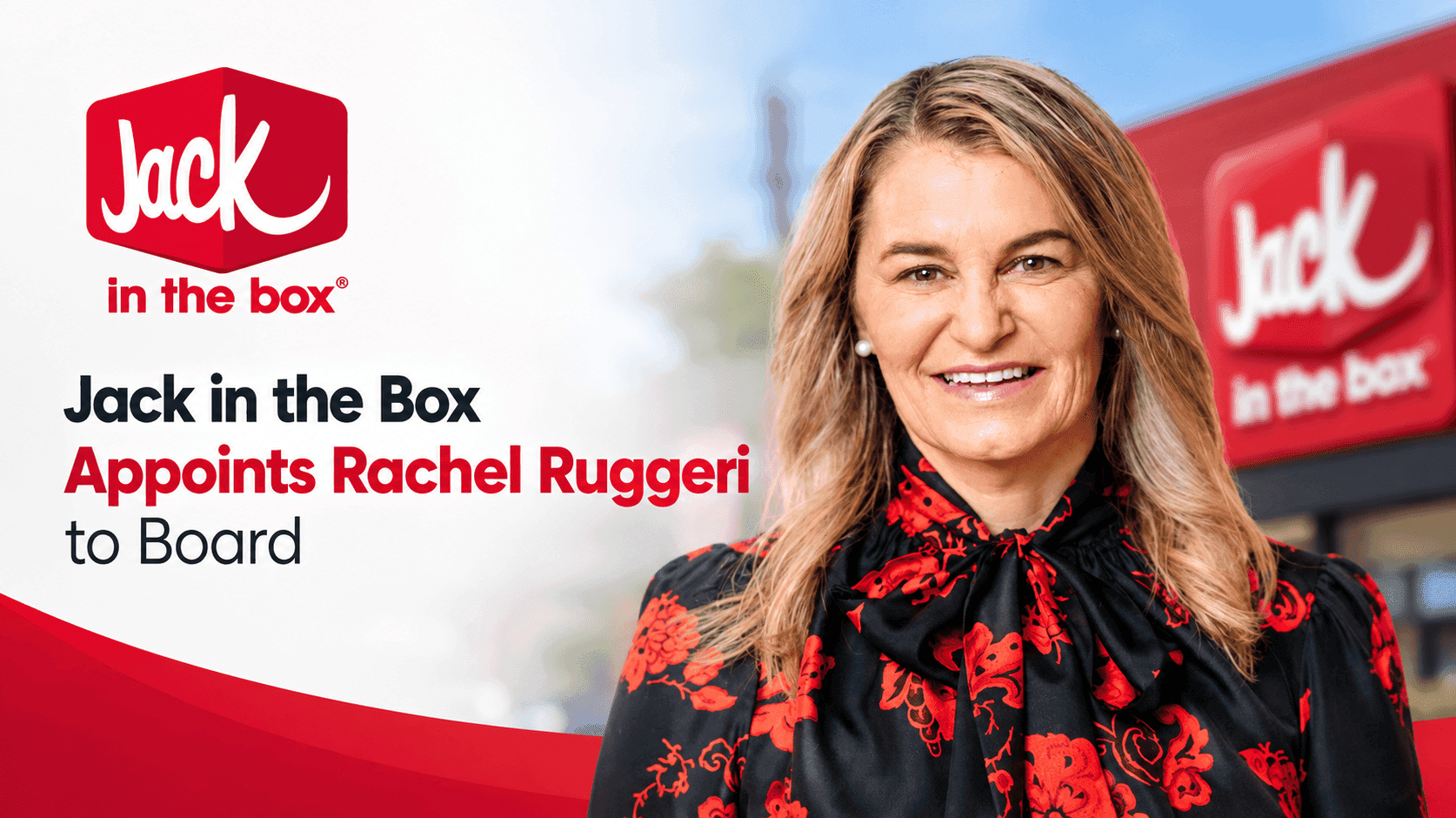
Jack in the Box names Rachel Ruggeri to its board as Michael Murphy retires, amid a CEO transition and deal with investor GreenWood.
Sep 21, 2026
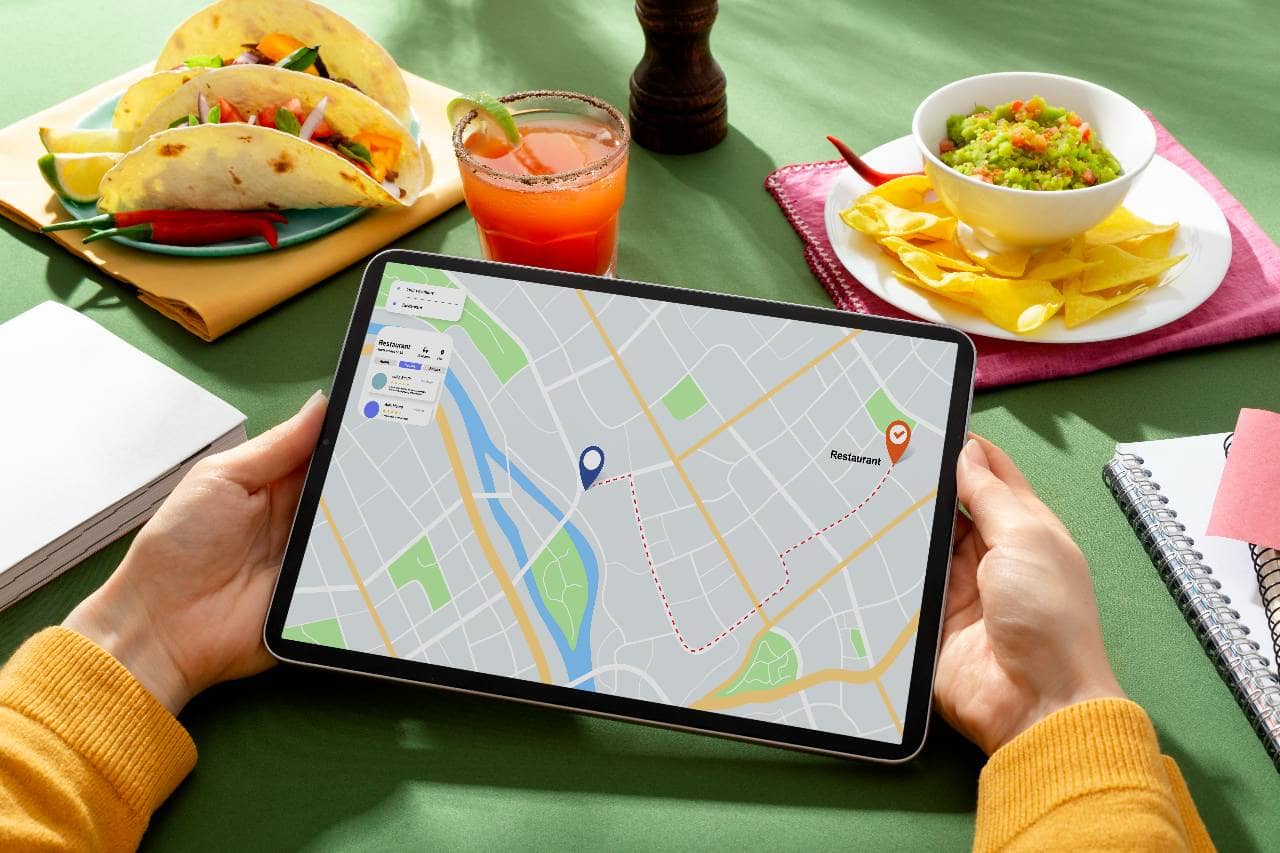
Improve restaurant Google Maps rankings by optimizing your business profile, selecting accurate categories, gathering reviews, adding photos, and strengthening local relevance signals.
Sep 21, 2026

Restaurant inventory tracking helps owners monitor stock, control food costs, reduce waste, improve purchasing, and make informed operational decisions.
Sep 21, 2026

Restaurant owners can significantly reduce restaurant costs by leveraging technology across inventory, labor, procurement, forecasting, and administrative operations for better profit margins.
Sep 18, 2026

Understand how to forecast restaurant revenue and expenses with methods for sales projection, cost scaling, fixed-cost planning, and risk buffering.
Sep 18, 2026

Unlock Exclusive Access To Webinars, Events, And The Latest News For Free!
Explore how the restaurant industry is embracing smaller store footprints to enhance operational efficiency, reduce costs, and meet evolving real estate needs.

Photo by Luca Cavallin
Recent announcements by prominent restaurant chains like Jamba, &pizza, Little General, and Checker's & Rally's signal a wider industry trend towards adopting standardized, smaller store formats. These strategic decisions to reduce store sizes have been driven by the need for cost optimization, increased operational efficiency, and flexibility in real estate requirements.

Photo by Luca Cavallin
The shift to smaller store footprints is underpinned by a focus on operational efficiency. By streamlining workflows and maximizing space utilization, restaurants can create smoother environments that enhance operations and improve staff productivity. Optimizing kitchen layouts, reducing unused areas, and reorganizing storage spaces are key strategies employed to make the most of limited square footage.

Photo by Luca Cavallin
One of the significant benefits of transitioning to smaller store footprints is the increased flexibility in real estate needs. By lowering land requirements, cutting construction costs, and enhancing operational efficiencies, restaurants can create models that are more accessible for business ownership. This adaptability to changing market dynamics and consumer preferences is essential for long-term success.

Photo by Luca Cavallin
While reducing store sizes can lead to operational efficiencies, there is a potential tradeoff with sales. Shrinking kitchens may constrain production capacity, impacting the ability to meet customer demand during peak hours. However, restaurants are exploring innovative ways to redesign real estate prototypes without compromising kitchen capabilities, ensuring a balance between space optimization and revenue generation.