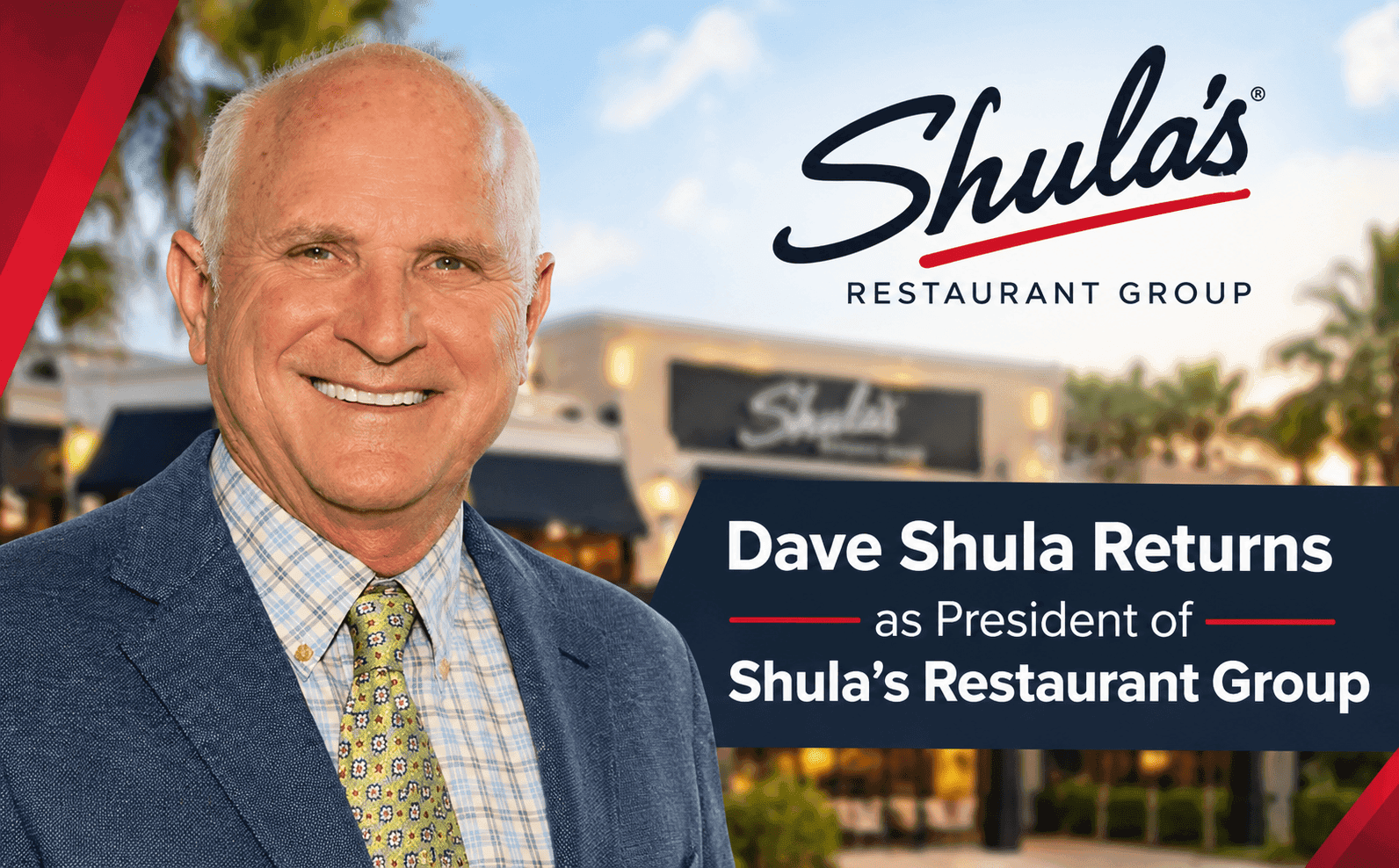
Dave Shula Returns as President of Shula's Restaurant Group
Dave Shula rejoins Shula's Restaurant Group as president, leading growth into Palm Beach Gardens and a 2027 Thomasville, Georgia expansion.
News
Sep 23, 2026
Dave Shula rejoins Shula's Restaurant Group as president, leading growth into Palm Beach Gardens and a 2027 Thomasville, Georgia expansion.
Sep 23, 2026
McDonald's commits $8.5 billion through 2036 to modernize restaurants, boost cash flow by $100,000 per store, and grow chicken and beverage sales.
Sep 23, 2026
WKS Restaurant Group promotes Jay Spongberg to president and COO after he helped grow the company from 65 to 382 restaurants over 16 years.
Sep 23, 2026

Smokey Mo's BBQ names Von Dawson, a Dine Brands veteran, as VP of Franchise Development to lead its Texas expansion strategy.
Sep 23, 2026
.png&w=3840&q=70)
Meritage Hospitality's Chapter 11 filing pulls 5% of Wendy's U.S. stores into bankruptcy, exposing cracks in franchising's bigger-is-safer bet.
Sep 21, 2026

Jack in the Box names Rachel Ruggeri to its board as Michael Murphy retires, amid a CEO transition and deal with investor GreenWood.
Sep 21, 2026
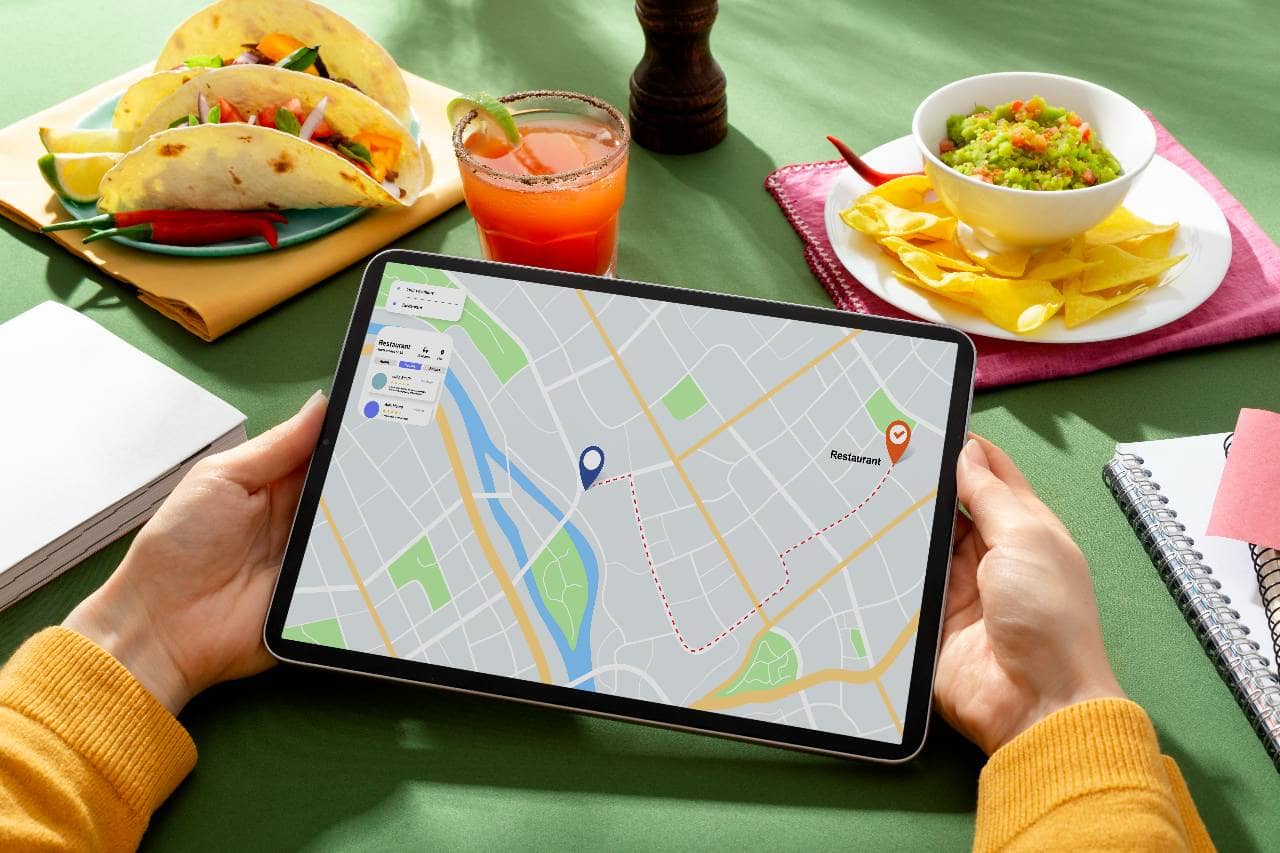
Improve restaurant Google Maps rankings by optimizing your business profile, selecting accurate categories, gathering reviews, adding photos, and strengthening local relevance signals.
Sep 21, 2026

Restaurant inventory tracking helps owners monitor stock, control food costs, reduce waste, improve purchasing, and make informed operational decisions.
Sep 21, 2026

Restaurant owners can significantly reduce restaurant costs by leveraging technology across inventory, labor, procurement, forecasting, and administrative operations for better profit margins.
Sep 18, 2026

Understand how to forecast restaurant revenue and expenses with methods for sales projection, cost scaling, fixed-cost planning, and risk buffering.
Sep 18, 2026

Unlock Exclusive Access To Webinars, Events, And The Latest News For Free!
Explore the recent announcement of increased tariffs by President Donald Trump and its implications on global trade relations.

Photo by Ibrahim Boran
President Donald Trump has unveiled significant changes to the U.S. tariff policy, including the introduction of a universal baseline tariff of 10% effective April 5. This move marks a shift in trade dynamics and impacts various countries differently based on their existing trade practices. The President emphasized that nations like China, Japan, and the European Union will face higher duties beyond the baseline rate.

Photo by Ibrahim Boran
Under the new policy, countries are subject to tariff rates in proportion to the trade barriers they impose on the U.S. For instance, China is set to face a 34% tariff due to its 67% charge on U.S. goods. This approach aims to address perceived trade imbalances and protect American interests. Japan, the EU, and Vietnam are also slated to experience increased tariff rates, further complicating global trade relations.
Photo by Ibrahim Boran
The imposition of tariffs has led to concerns, especially from sectors like the restaurant industry. Michelle Korsmo, CEO of the National Restaurant Association, highlighted the challenges these tariffs pose for businesses reliant on imported goods. The disruptions in the supply chain and potential price increases could significantly affect the profitability of restaurants, emphasizing the need for strategic planning in a changing trade environment.
Certain goods, such as steel, aluminum, automotive products, and pharmaceuticals, are excluded from the new tariffs. Additionally, previous tariffs on Canada and Mexico remain unchanged, maintaining stability in trade relationships within the North American region. The selective application of tariffs reflects a nuanced approach by the Trump administration to balance economic interests and diplomatic considerations.
President Trump's initial stance on reciprocal tariffs, where the U.S. would match trade barriers imposed by other countries, has evolved into a more targeted approach. The administration's decision to assess non-reciprocal trade agreements signals a strategic reevaluation of trade policies. This shift aims to address perceived unfair practices while avoiding widespread retaliation that could harm global commerce.

Photo by Ibrahim Boran
The announcement of increased tariffs has triggered responses from U.S. trading partners, leading to a tit-for-tat escalation in tariff measures. Countries like China, Canada, and the EU have outlined countermeasures in response to the U.S. tariffs, creating a complex web of trade disputes. Mexico's plans to retaliate against higher import fees signal the potential for further disruptions in international trade dynamics.

Photo by Ibrahim Boran