
California Penalizes Dickey's for Franchise Disclosure Violations
California shifts to public enforcement strategy against Dickey's for deceptive franchise disclosures, signaling stricter state-level franchise oversight.
Franchising
Sep 10, 2026
California shifts to public enforcement strategy against Dickey's for deceptive franchise disclosures, signaling stricter state-level franchise oversight.
Sep 10, 2026
Paul Brown temporarily steps away from Inspire Brands as Scott Murphy assumes interim CEO role during confidential IPO filing process targeting late 2026.
Sep 10, 2026
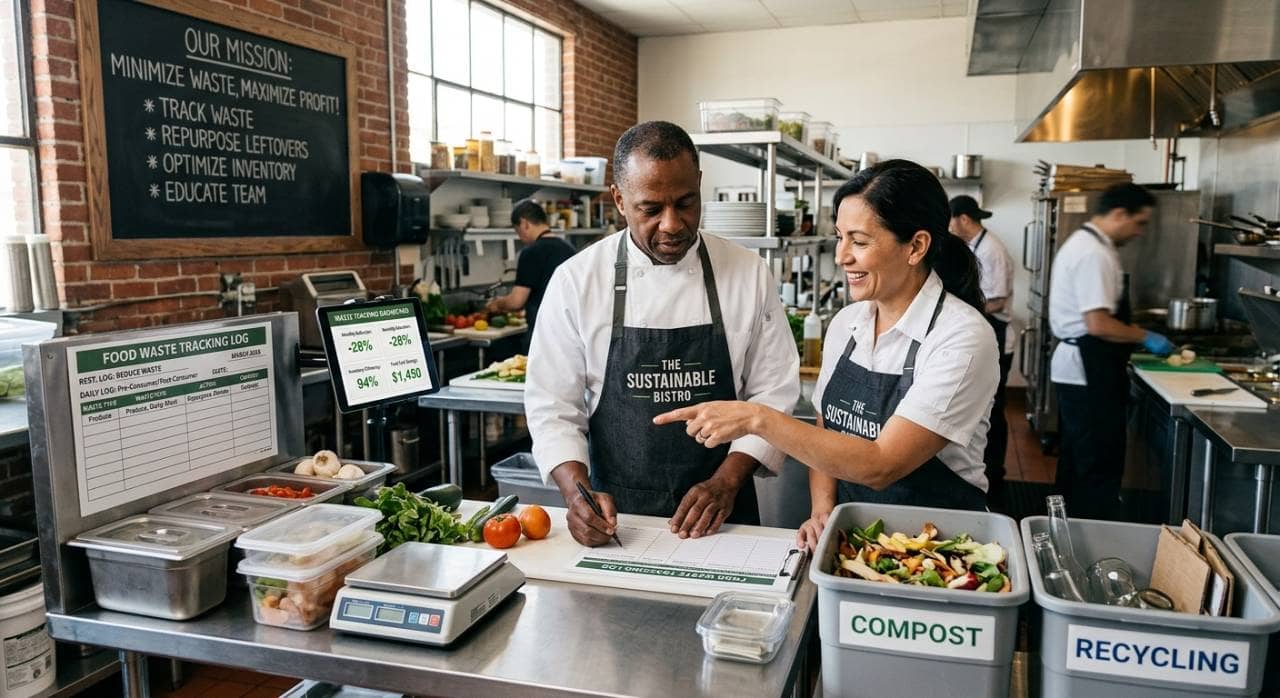
Learn how to reduce food waste in restaurants through smarter purchasing, storage, preparation, and service strategies that cut costs.
Sep 9, 2026
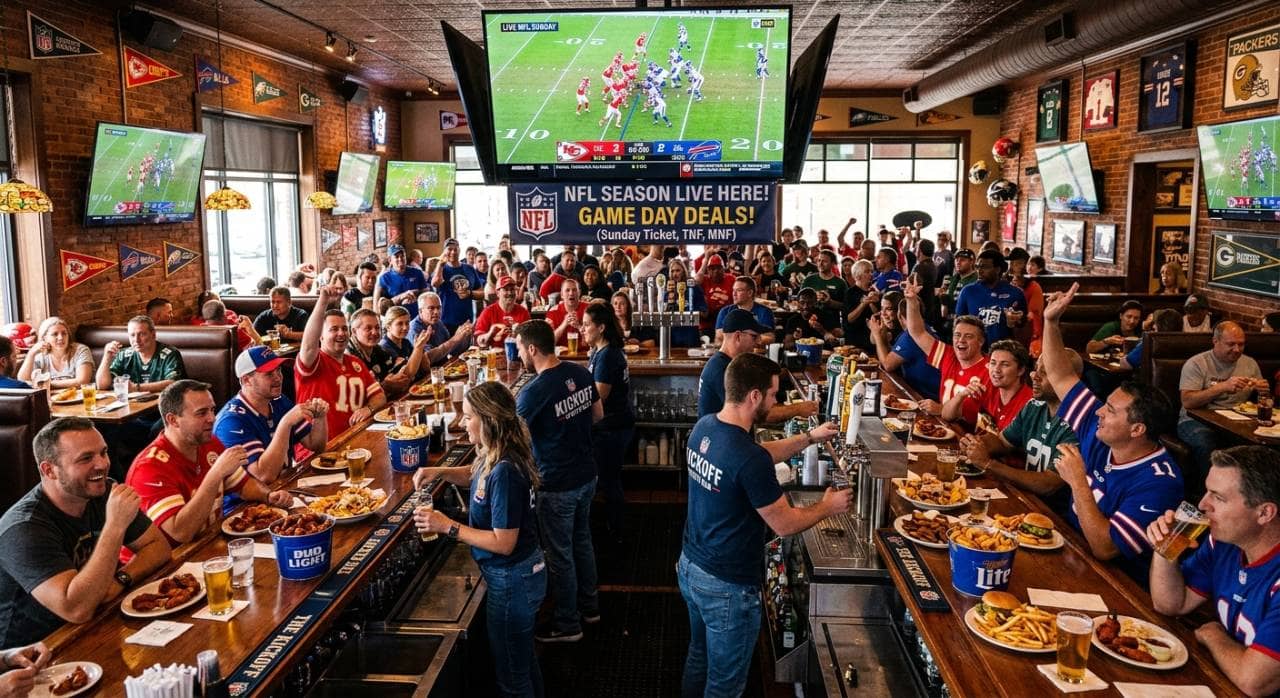
Prepare your restaurant for NFL season with smart menu planning, staffing, marketing, technology, and atmosphere strategies that boost season-long revenue.
Sep 9, 2026
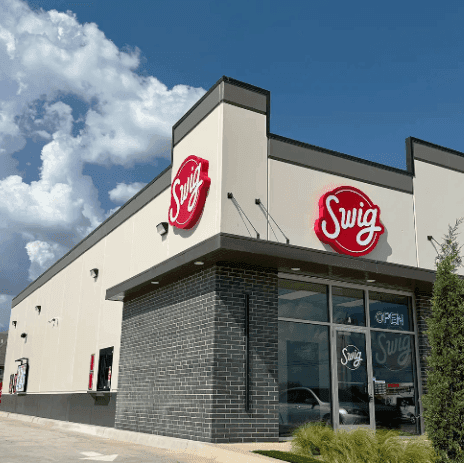
Swig signs franchise agreement for 11 South Denver locations, marking Colorado entry and validating its national expansion strategy.
Sep 8, 2026
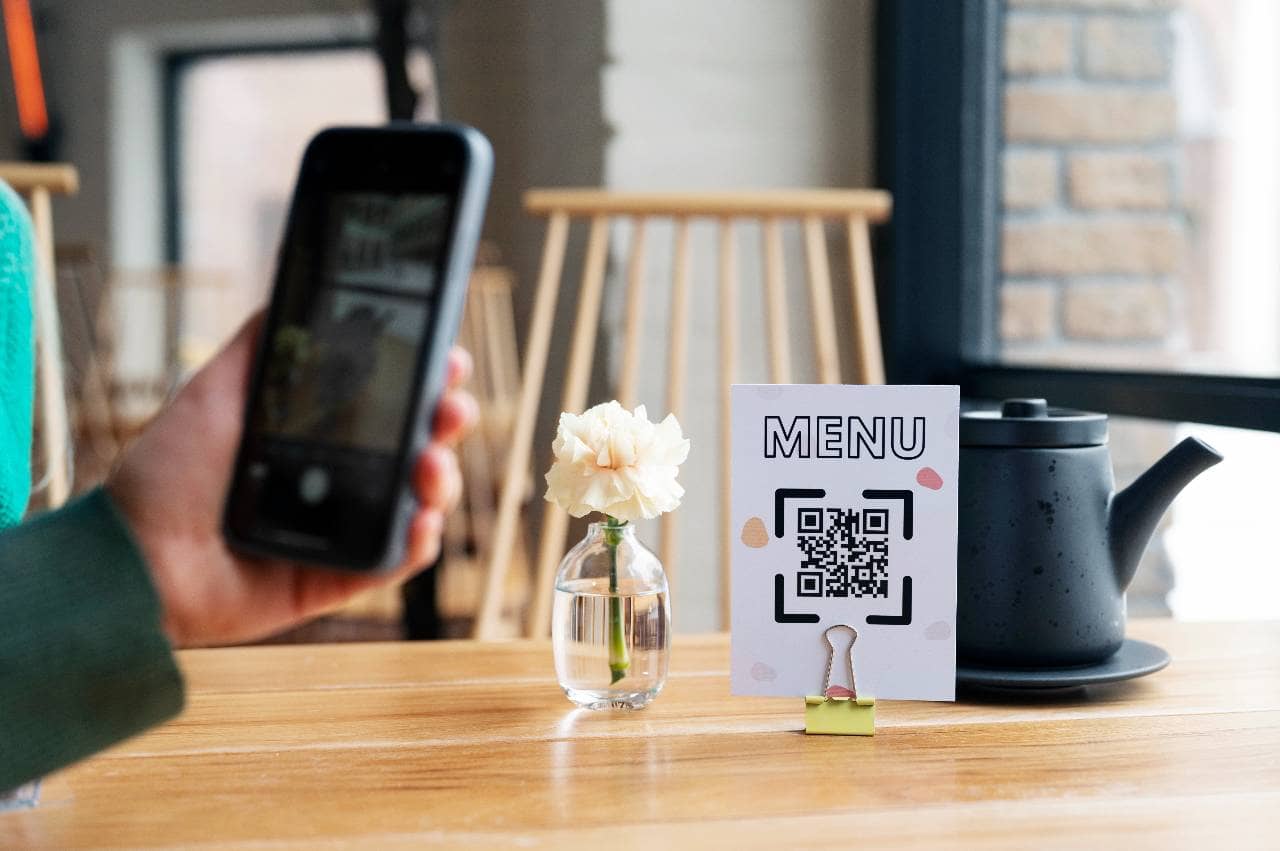
QR code menus let restaurants replace paper menus digitally, enabling instant updates, contactless browsing, ordering, and payment through simple smartphone scanning.
Sep 7, 2026

Complete guide helping restaurant owners choose essential kitchen equipment - covering cooking, refrigeration, prep, sanitation, ventilation, safety, and long-term maintenance planning.
Sep 7, 2026

Avoiding common restaurant payroll mistakes - misclassification, tip credit errors, overtime miscalculations - protects businesses from costly penalties, back pay, and compliance risks.
Sep 4, 2026
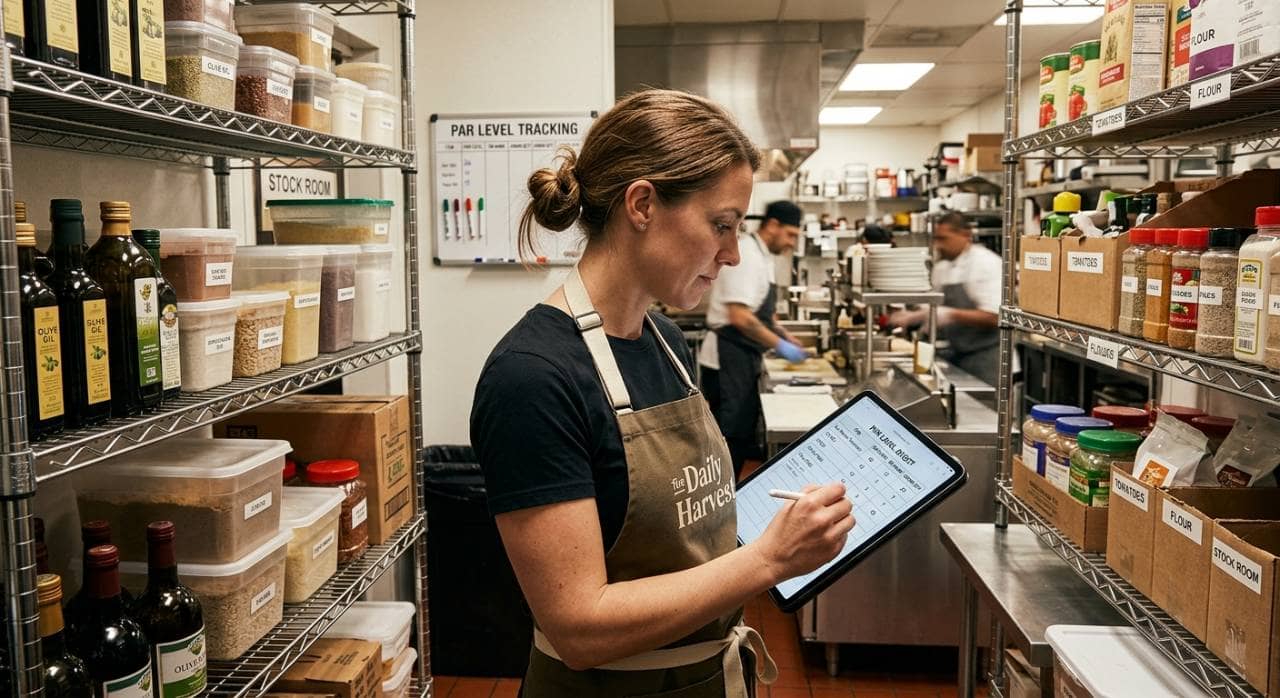
Learn to calculate par levels for restaurant food, beverages, and packaging inventory, preventing stockouts and waste through proper formulas.
Sep 4, 2026
Caribou Coffee appoints Zane Thomas-Rogers as Chief Operations Officer to strengthen execution across its expanding coffeehouse network.
Sep 4, 2026

Unlock Exclusive Access To Webinars, Events, And The Latest News For Free!
Wingstop accelerates growth with record AUVs, digital-first strategy, and franchise-led expansion toward a $3M target.

Photo by Fauzan Azizi
Wingstop has forged a growth narrative that rests on more than slogans. In the fiscal second quarter of 2024, the brand reported a domestic AUV that surpassed just over $2.0 million and domestic same-store sales that rose 28.7% year over year, driven by transactions rather than price discipline. The quarter yielded a record pace of openings: 73 net new Wingstop restaurants, with more than 300 net new openings in the trailing 12 months. A lean, digital‑first engine threads these results, with digital sales accounting for 68.3% of quarterly revenue and the rollout of MyWingstop shaping guest loyalty and personalization. Taken together, these numbers sketch a growth paradigm built on traffic, differentiation, and disciplined expansion.
Behind the performance lies a deliberate tilt toward brand-building and a digital backbone that positions the MyWingstop rollout as central to growth. Executives describe a system where expansion relies on partner operators, delivery partnerships, and a menu that stands apart without resorting to price wars. The path forward is framed not as a sprint but as a patient orchestration of traffic, loyalty, and a refined omnichannel experience that makes Wingstop feel closer to a guest’s daily routine than to a weekly event.
Brand-building and a technology-driven guest experience sit at the heart of Wingstop's strategic shift. Since 2022, management has doubled media spending and is closing what executives describe as a double-digit brand-awareness gap. The rollout of MyWingstop, a proprietary platform for hyper-personalized ordering, anchors a broader push into delivery partnerships and a franchise expansion model that relies on existing partners to scale. In this landscape, omnichannel access becomes a driver of frequency rather than a battlefield of discounts.
The emphasis on first-party data and a best-in-class ordering experience translates into more occasions for Wingstop. With delivery expanding and MyWingstop driving personalization, the brand aims to convert convenience into frequency and to convert new guests into returning regulars.
Wingstop’s growth engine blends disciplined unit economics with rapid market expansion and a sophisticated digital stack. In the quarter, domestic AUVs crossed the 2 million bar, aided by a 28.7% rise in domestic same-store sales driven by transactions. System-wide sales reached $1.176 billion, while total quarterly revenue came in at $155.7 million. The narrative attributes much of the strength to an alliance of menu innovation, brand-building, and an accelerated technology rollout. The MyWingstop platform migrated to the domestic system, a move that coincides with a user base now approaching 45 million and a commitment to hyper-personalization and higher guest conversion.
Scale rests on a lean store format and a leaner labor model that together simplify operations while expanding traffic. Price architecture and digital engagement help sustain momentum, and the quarter’s record openings, 73 net new units, plus the longer arc of more than 300 net new openings in the last year, signal a scalable engine powered by franchise participation at an unprecedented pace.

Michael Skipworth, Wingstop CEO and president, framed the results as evidence of scale in brand awareness and resilient unit economics while noting progress toward the 3 million AUV milestone. He highlighted the digital transformation and the MyWingstop rollout as catalysts for deeper guest relationships and more frequent transactions. The commentary also foregrounded a disciplined expansion pipeline and a delivery-centric growth lens, all converging to reinforce a self-reinforcing engine for the franchise model.
Alex Kaleida emphasized that AUV growth rests on a robust expansion pipeline and prudent pricing that balances value with quality. He pointed to ongoing investments in the digital stack and the opportunities presented by delivery channels. Leadership highlighted the chicken sandwich as a driver for attracting new guests and for expanding lunch-hour traffic, underscoring how menu-driven differentiation supports guest stickiness and frequency across dayparts.
Outlook remains anchored by a bold expansion plan. For 2024, Wingstop raised its expectations to around 20% same-store sales growth and lifted global net-new-unit guidance to 285–300. The footprint target grew to more than 6,000 U.S. locations and a worldwide > 10,000 locations, spanning North America, Asia-Pacific, and Western Europe. By mid-2024, the company counted 2,040 domestic franchised and 312 international franchised units, with more than 300 net new openings in the prior year. The narrative is that operational efficiency, marketing discipline, and a data-driven, digital-first guest experience can sustain growth across markets.
Observers in 2025 noted a broader fast-casual shift toward high-velocity development, omnichannel accessibility, and daypart expansion beyond dinner. Wingstop’s model, rapid openings paired with a strong digital backbone and delivery partnerships, is positioned as a reference for brands seeking to translate expansion into higher guest engagement and frequency, even amid macro headwinds. The context helps explain why digital platforms are now central to growth strategy and why a franchise-driven path can redefine competitive norms.
No growth storyline is free from tremors. Wingstop faces macroeconomic pressures, fluctuations in bone-in wing costs, and shifts in consumer spending that could temper transaction growth. In Q2 2025, some peers faced negative comps, underscoring the market’s sensitivity to affordability. Wingstop continues to stress the upside of delivery and digital engagement, but sustained progress will depend on disciplined pricing, prudent promotions, and a strategic real estate approach as competition intensifies.
The long arc toward more than 6,000 U.S. locations and over 10,000 global locations remains ambitious. The payoff hinges on maintaining first-party data, expanding delivery partnerships, and preserving a franchise-centric expansion that can weather volatility. The outcome will reveal whether Wingstop’s architecture can deliver durable leadership across a rapidly evolving landscape.

Wingstop’s fusion of rapid unit development, brand-building investment, and a refined digital ecosystem recasts what growth means in fast casual. The chase for a $3 million AUV is paired with an ambitious U.S. footprint and a global horizon of more than 10,000 restaurants. The promise rests on loyalty, ease of access, and a diversified delivery model that can convert traffic into recurring visits. The coming quarters will reveal whether the architecture of digital‑first guest engagement can deliver durable leadership beyond the lunch rush and into new markets.
The road ahead will test whether Wingstop translates traffic into enduring frequency outside traditional dayparts and beyond national borders. If the digital scaffolding, MyWingstop, first‑party data, and a franchise-driven growth engine, proves durable, the brand may redefine scale in fast casual, balancing indulgence with accessibility and loyalty with convenience.
