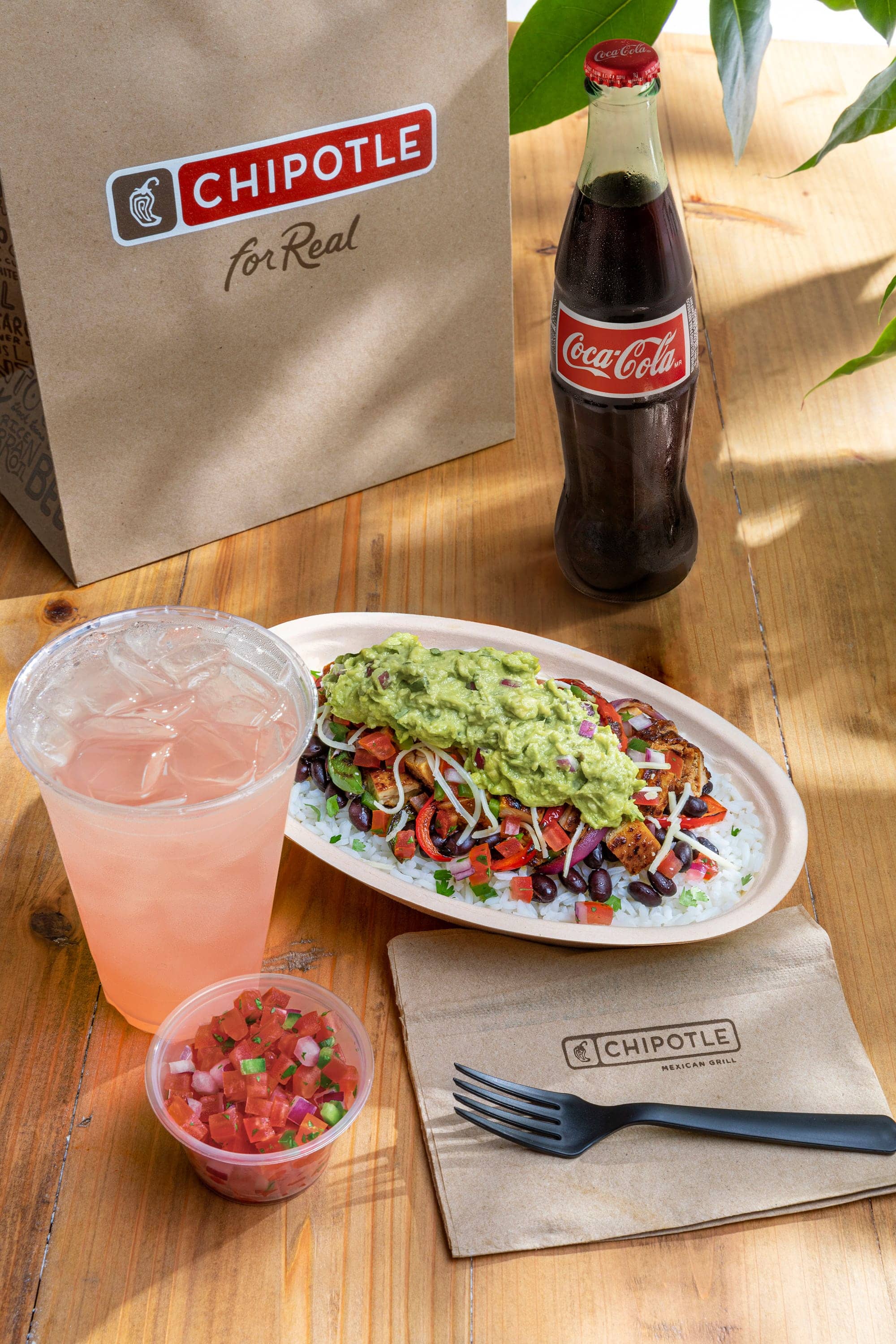
Chipotle Adds Ex-KFC Global CEO to Board
Chipotle names former KFC global CEO Sabir Sami to its board as the chain expands into Mexico, Saudi Arabia, and South Korea.
Business Growth
Sep 15, 2026
Chipotle names former KFC global CEO Sabir Sami to its board as the chain expands into Mexico, Saudi Arabia, and South Korea.
Sep 15, 2026

LeBron James joins Mike's Red Tacos as an investor, backing the birria chain led by Blaze Pizza and Dave's Hot Chicken veteran Bill Phelps.
Sep 15, 2026
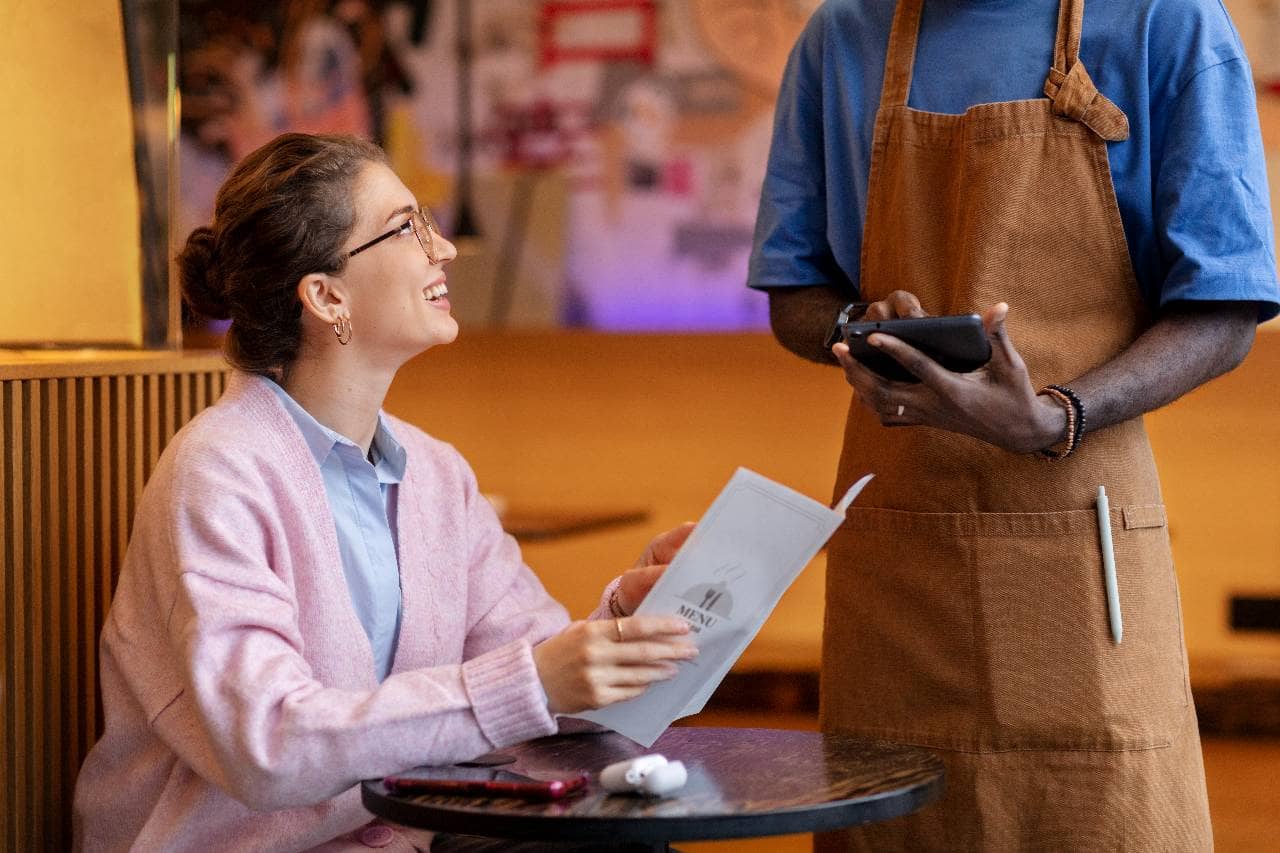
Discover practical promotion ideas - time-based deals, loyalty programs, local partnerships, and digital marketing - to boost restaurant foot traffic consistently.
Sep 14, 2026

Practical payroll compliance checklist for restaurant owners covering wage rules, tips, overtime, taxes, deductions, and recordkeeping to reduce legal risk.
Sep 14, 2026
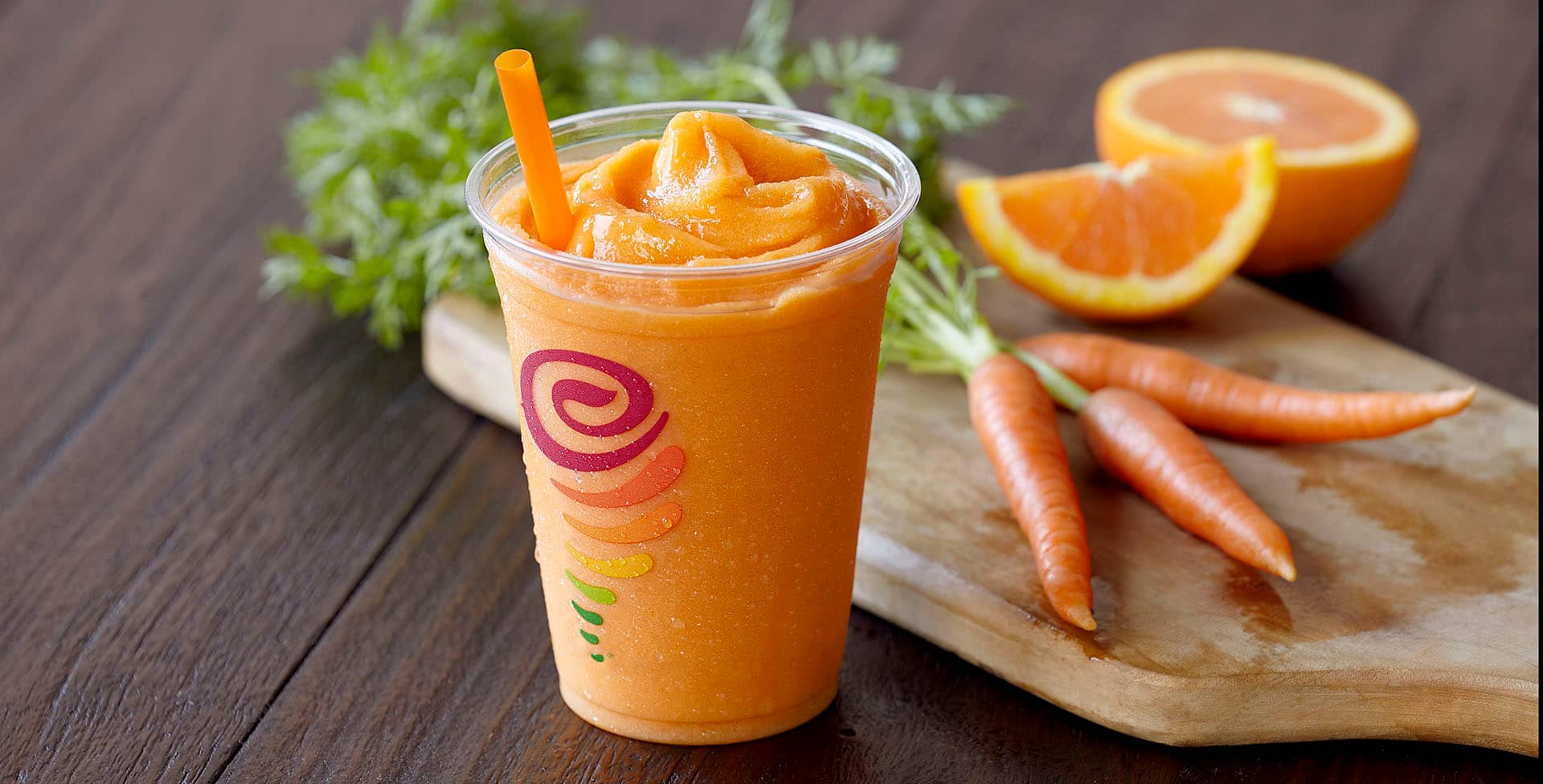
Lucy Brady joins Jamba as president to lead digital-first growth strategy. GoTo Foods restructures leadership to strengthen franchise platform capabilities.
Sep 14, 2026
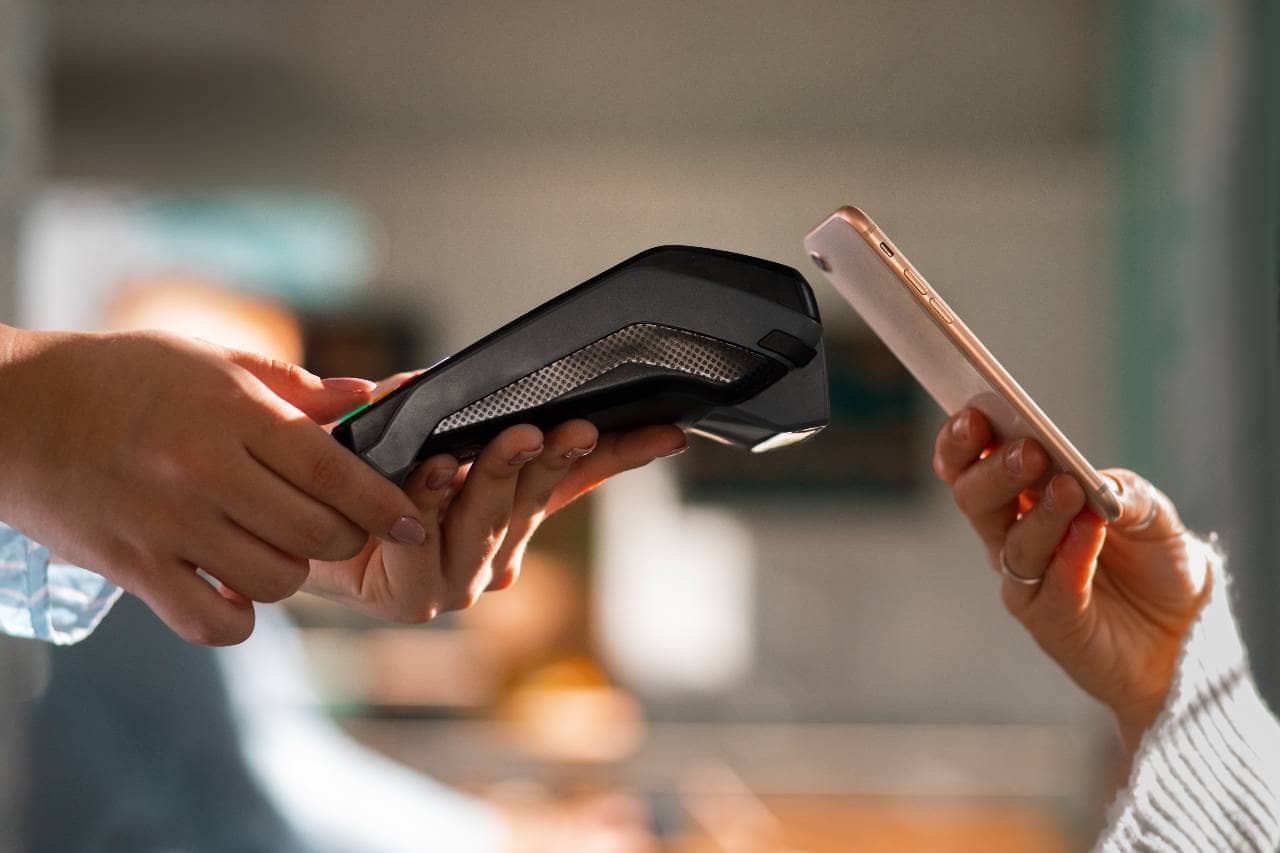
Contactless payment offers restaurants faster transactions, better security, and improved customer experience, making it a valuable, worthwhile technology investment today.
Sep 11, 2026

Pei Wei Asian Kitchen named Best Fast-Casual Chain in Reviewed 2026 Awards, reflecting shift from price competition to quality and transparency.
Sep 11, 2026

O'Charley's shuttered all corporate restaurants nationwide on September 9, 2026, ending its 55-year legacy as a casual-dining regional powerhouse.
Sep 11, 2026
Authentic Restaurant Brands lands $325M investment from Trimontium to fuel disciplined regional expansion across five established restaurant concepts.
Sep 11, 2026

Walmart expands restaurant delivery beyond Subway and Dunkin', taking on DoorDash, Uber Eats, and Grubhub with Papa Johns nationwide rollout.
Sep 11, 2026

Unlock Exclusive Access To Webinars, Events, And The Latest News For Free!
Blue Bottle Coffee has introduced Kyoto-Style Espresso, a slow-drip cold espresso made without machines, launching across its 152 global locations on June 16 with seven new cold drinks designed specifically for the way modern customers order coffee.
Blue Bottle Coffee has introduced a fundamentally new approach to cold espresso, drawing on a slow-drip method inspired by the Kyoto drip tower- a traditional brewing apparatus from the Japanese city that slowly filters cold water through ground coffee in a tall column. The result is Kyoto-Style Espresso, a cold espresso made entirely without the heat and high pressure of a conventional espresso machine. Launching across Blue Bottle's 152 locations worldwide on June 16, the new method underpins a debut lineup of seven cold drinks that the brand is positioning not as adaptations of existing espresso-based beverages but as purpose-built cold coffee experiences designed from the ground up for the way modern customers consume coffee.
The Kyoto-Style Espresso was not arrived at quickly. Kevin Thaxton, Blue Bottle's Director of Global Product Development, and his team spent two and a half years refining the slow-drip process to make it viable at scale across the brand's global network of cafés. Traditional Kyoto drip towers are not used for espresso- the drink's defining characteristics of intensity and crema are typically achieved through heat and pressure, not cold water filtration. Adapting that principle to produce something with espresso-level concentration and character required considerable experimentation. The result is a batch process that baristas can complete in approximately 90 minutes per batch, with the finished espresso stored in bottles and used across a daypart- a production model that is both consistent and operationally efficient.
The philosophical case behind Kyoto-Style Espresso is as interesting as the technical one. Thaxton was candid about the limitation that prompted the innovation in the first place. "We're always looking for the best version of our coffee, and when it comes to cold espresso, the question that comes up is - Is the espresso machine the best tool to make these drinks?" he said. "The answer was no." His reasoning is grounded in the nature of espresso itself. The drink was designed to be consumed hot and immediately- when it is poured over ice or allowed to cool, it tends to become sharper and more bitter, a characteristic that has made iced espresso an imperfect compromise across the industry for decades. Kyoto-Style Espresso sidesteps that problem entirely by engineering the cold experience from the start rather than retrofitting a hot process.
The timing of the launch is not incidental. Cold drinks now account for approximately half of all beverages ordered across Blue Bottle's locations in the United States, China, Japan, South Korea, and Singapore. That figure is actually on the lower end compared to some competitors- Starbucks, for instance, reports that 75% of its beverages are cold. The broader industry shift from hot to cold is one of the most consequential trends reshaping coffee retail, and it has made the quality of cold espresso preparation an increasingly important differentiator. For Blue Bottle, a brand built on a reputation for exceptional coffee craftsmanship, the idea that its cold espresso offering was an adaptation of a hot process rather than a purpose-built product was a gap the team clearly felt needed closing.
Beyond the flavour improvements, the batch production model that underpins Kyoto-Style Espresso delivers meaningful operational advantages. By preparing espresso in batches rather than pulling individual shots to order, baristas can assemble cold drinks more quickly during peak service periods, reducing wait times and freeing up attention for customer interaction and final drink presentation. Thaxton also pointed to a longer-term implication that could shape how Blue Bottle thinks about its physical footprint. Because the new method does not require an espresso machine, it opens the door to smaller-format coffeehouses specialising in cold drinks- a store concept that would be impossible to execute at quality using conventional equipment. That possibility hints at a future where the Kyoto-Style Espresso innovation influences not just the menu but the architecture of the brand itself.
The debut collection of Kyoto-Style Espresso drinks covers a range of flavour profiles and serving styles, giving customers multiple entry points into the new espresso experience. The Cold-Shaken Espresso is shaken to produce a smooth crema on top and served alongside sparkling water. The Iced Caffè Latte pairs the new espresso with a choice of cold milk, with optional muscovado sugar sweetening. The Vanilla Bean Shakerato combines the espresso with vanilla bean simple syrup, poured over cold milk and ice. The Espresso Tonic blends the espresso into tonic and sparkling water for a lighter, more effervescent expression. The Iced Caffè Mocha mixes the espresso with chocolate ganache for an indulgent finish. Rounding out the lineup are two floral options- the Sweet Blossom Latte, featuring cold milk and elderflower syrup garnished with orange zest, and the Sweet Blossom Shakerato, in which the same elderflower and espresso combination is shaken and finished with orange zest. All seven drinks are available now across Blue Bottle's global locations.