California Penalizes Dickey's for Franchise Disclosure Violations
California shifts to public enforcement strategy against Dickey's for deceptive franchise disclosures, signaling stricter state-level franchise oversight.
Franchising
Sep 10, 2026
California shifts to public enforcement strategy against Dickey's for deceptive franchise disclosures, signaling stricter state-level franchise oversight.
Sep 10, 2026
Paul Brown temporarily steps away from Inspire Brands as Scott Murphy assumes interim CEO role during confidential IPO filing process targeting late 2026.
Sep 10, 2026
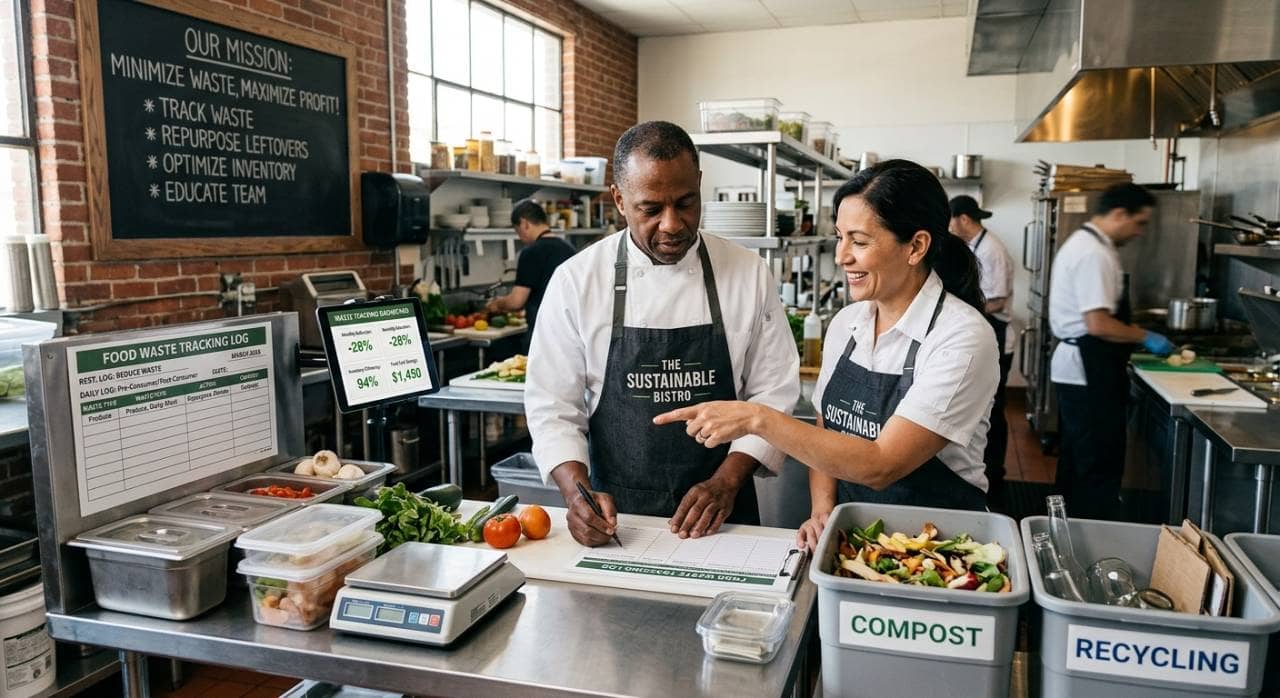
Learn how to reduce food waste in restaurants through smarter purchasing, storage, preparation, and service strategies that cut costs.
Sep 9, 2026
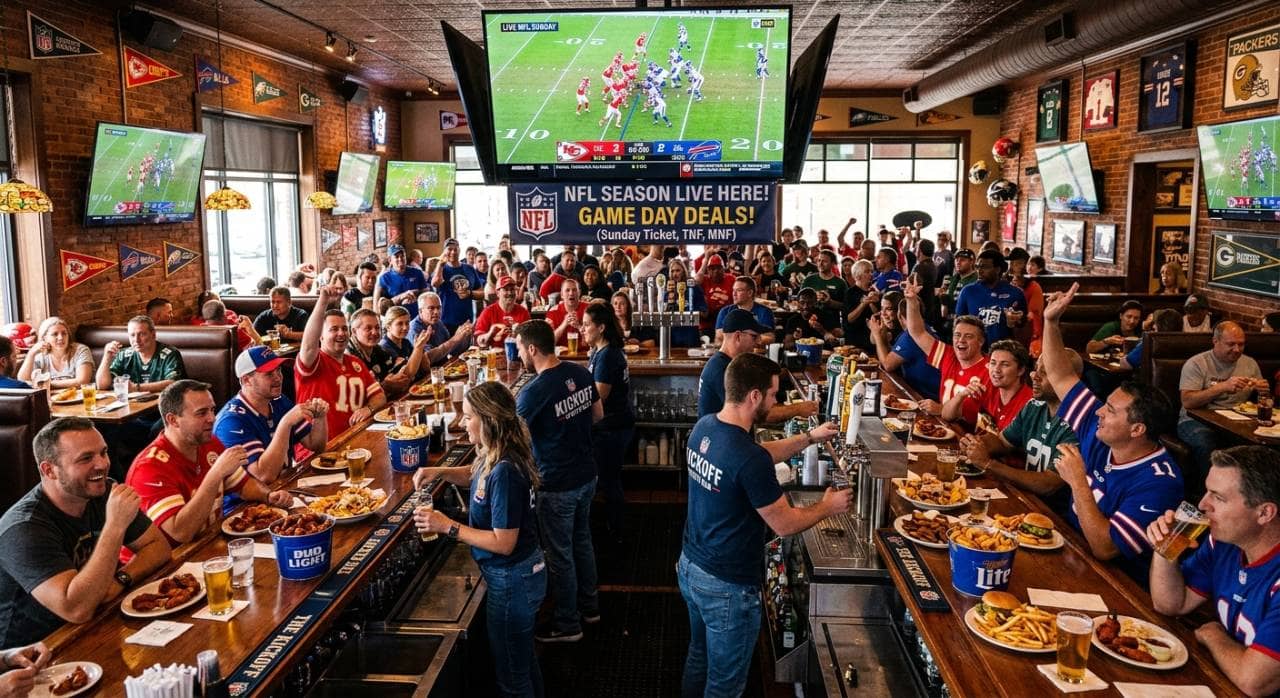
Prepare your restaurant for NFL season with smart menu planning, staffing, marketing, technology, and atmosphere strategies that boost season-long revenue.
Sep 9, 2026
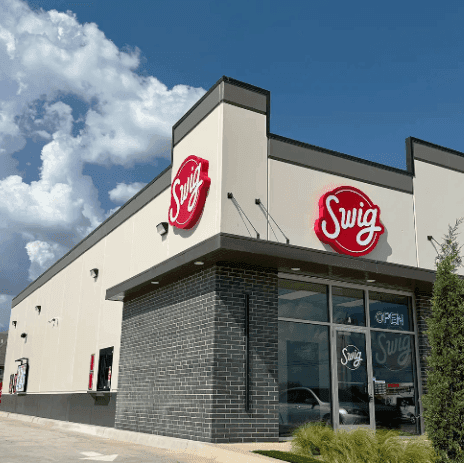
Swig signs franchise agreement for 11 South Denver locations, marking Colorado entry and validating its national expansion strategy.
Sep 8, 2026
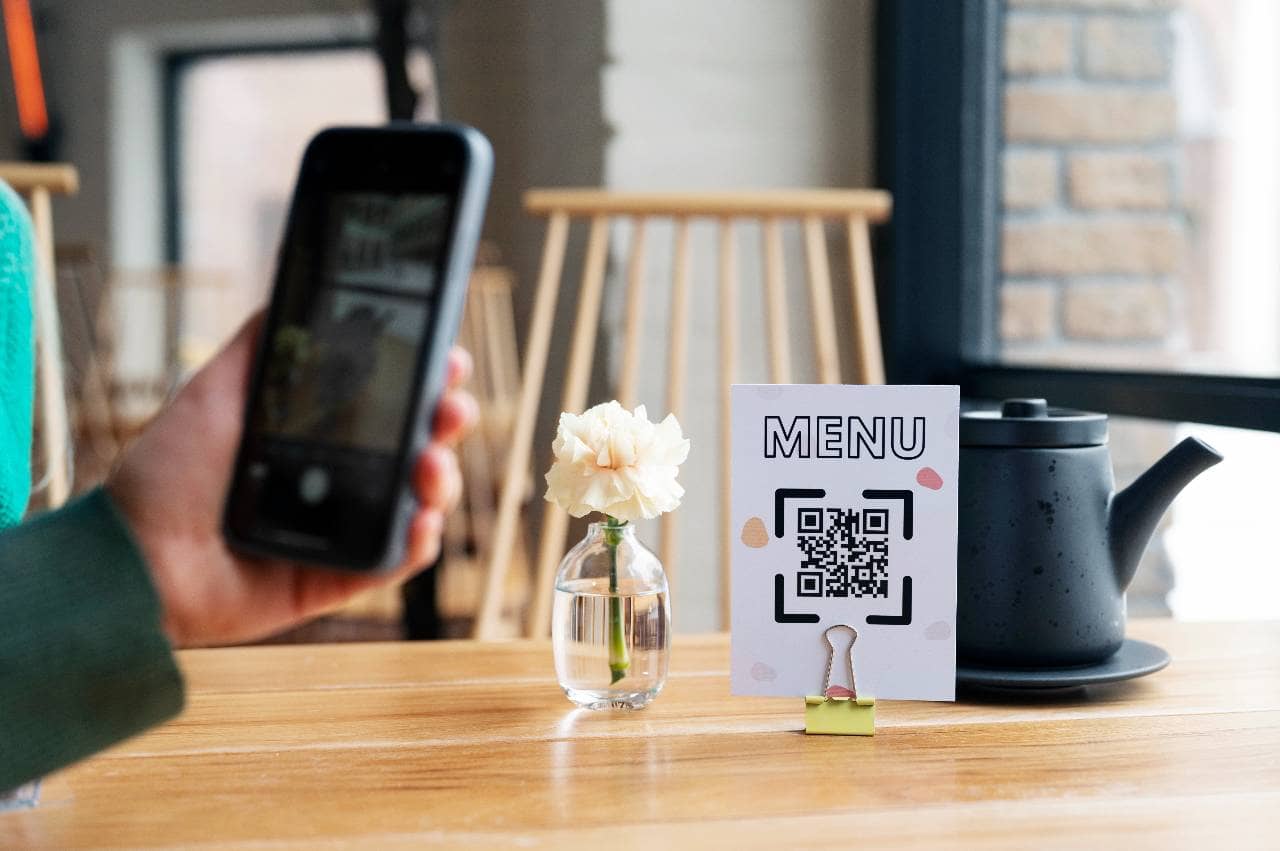
QR code menus let restaurants replace paper menus digitally, enabling instant updates, contactless browsing, ordering, and payment through simple smartphone scanning.
Sep 7, 2026
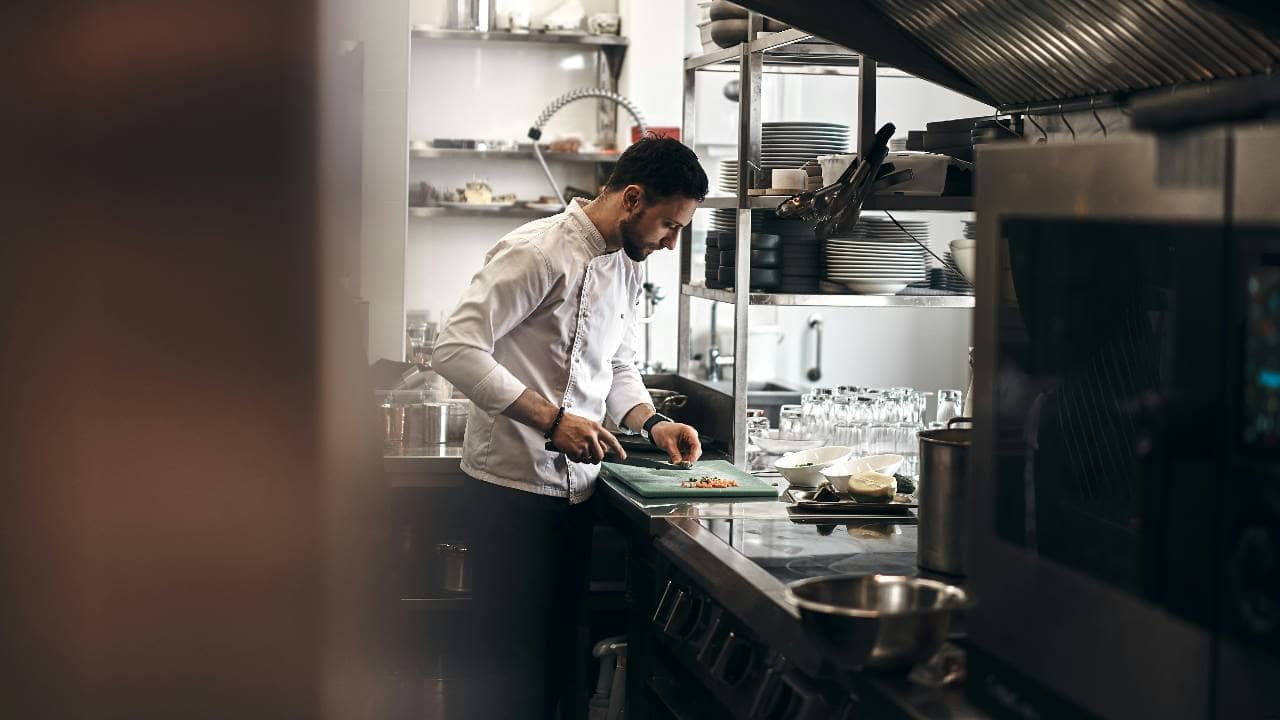
Complete guide helping restaurant owners choose essential kitchen equipment - covering cooking, refrigeration, prep, sanitation, ventilation, safety, and long-term maintenance planning.
Sep 7, 2026

Avoiding common restaurant payroll mistakes - misclassification, tip credit errors, overtime miscalculations - protects businesses from costly penalties, back pay, and compliance risks.
Sep 4, 2026
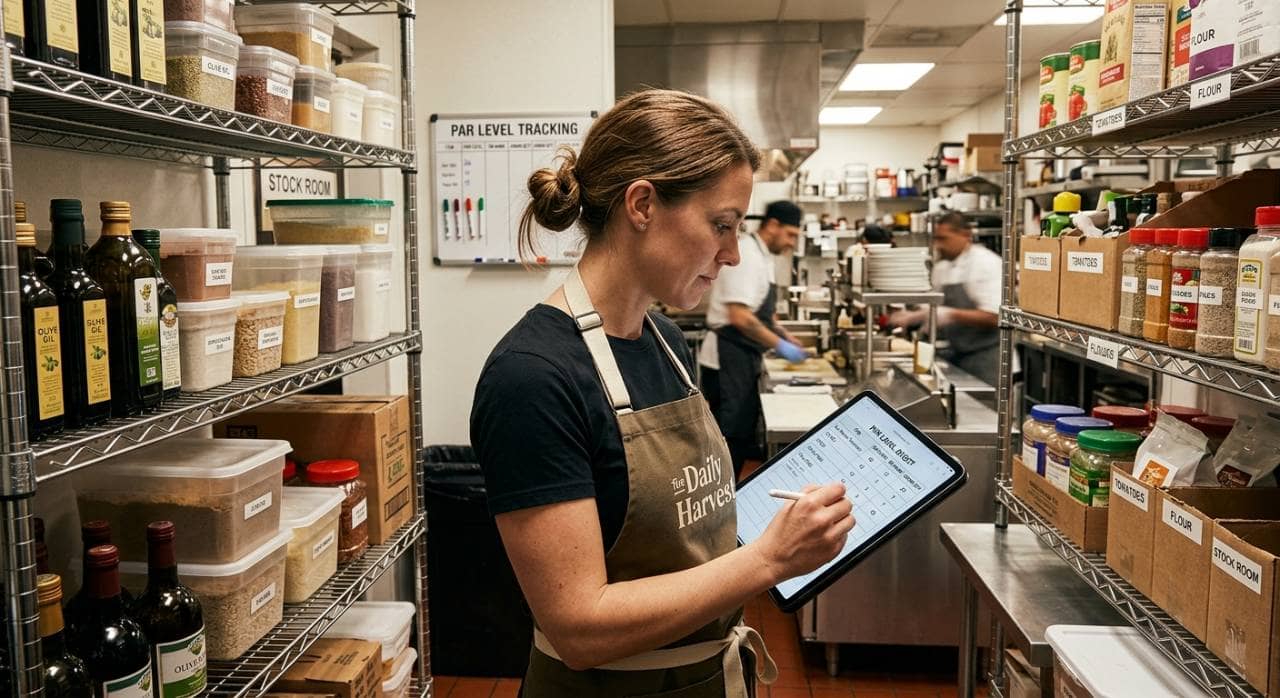
Learn to calculate par levels for restaurant food, beverages, and packaging inventory, preventing stockouts and waste through proper formulas.
Sep 4, 2026
Caribou Coffee appoints Zane Thomas-Rogers as Chief Operations Officer to strengthen execution across its expanding coffeehouse network.
Sep 4, 2026

Unlock Exclusive Access To Webinars, Events, And The Latest News For Free!
A closer look at Bonchon’s U.S. expansion, digital ordering momentum, and scalable catering rooted in Korean flavor.

Photo by kevin laminto
From Dallas, Bonchon has been shaping a narrative: Korean flavors moving from niche to mainstream, anchored by a multi-unit expansion and a digital-first mindset. The brand’s U.S. footprint has grown beyond 140 units, with a global tally exceeding 500 as it leans into franchise momentum and a new focus on catering in 2025. This growth isn't only a numbers game; it's a story about how a two-sauce profile, soy-garlic and spicy, resonates with a broad audience while the brand preserves its character in every crispy bite. The question now is how Bonchon sustains this momentum as it scales; the next chapters look at everyday dining, digital orders, and event catering.
“I’m a Korean-American,” Tsai has emphasized, tying cultural resonance to expansion. The lineup is simple yet purposeful: soy-garlic and spicy, with two spice levels that have widened the brand’s appeal. “The spice level at Bonchon has been helpful to growth,” Tsai has said, and the personal favorite dish, “the spicy chicken with radish and fried rice”, is part invitation and part testimony to a broader menu ambition. The Dallas division now sits at more than 140 U.S. stores and a global footprint beyond 500, marking a stage where flavor and scale move together.
Numbers move quickly in a multi-year journey, reflecting openings, conversions, and franchise deals that push the brand forward.
Bonchon’s growth story is anchored in a digital-first approach that makes the to-go experience feel seamless without sacrificing flavor. The brand notes that its menu travels well, reinforcing its suitability for to-go experiences. A pivotal moment came with strengthening online ordering by bringing on Olo, a move Tsai calls paying off. Packaging and meal bundles have evolved in tandem with this digital focus, elevating delivery and pickup. Catering sits alongside as a flexible, scalable channel that complements the core menu and existing stores.
“We brought on Olo this year to greatly enhance our online ordering experience,” Tsai said, underscoring a broader tech-driven shift. The upgrade sits beside ongoing packaging improvements and bundle options designed to maintain Bonchon’s crispness and consistency whether a guest orders for dine-in, takeout, or a catered event. The digital backbone supports a fast-casual landscape that increasingly drives off-premises sales and scales with demand.

Catering emerges as a new growth frontier for Korean fried chicken, anchored by a streamlined menu designed for flexibility. Bonchon leaders describe a core offering that is intentionally simple, a factor that has smoothed the move into a broader catering program. “The simplicity of the Bonchon menu has helped smooth the move into catering,” Tsai notes, while adding that there’s “no limit” to how large a catering order can be. 2024 saw catering surge by about 54% versus 2023, according to GlobeNewswire, and 2025 is positioned to deepen that momentum as tech and menu optimization continue.
The catering push is paired with disciplined ops that support rapid growth across a growing unit base. A simple core offering helps maintain Bonchon’s signature crispness at scale, making catering a credible channel alongside dine-in and takeout. The vision is clear: events, offices, and large gatherings become regular channels for Bonchon’s flavor-forward menu, reinforcing a balanced, nourishing approach to expansion.
Bonchon’s marketing thrives on social engagement and word-of-mouth, amplified by user-generated content that finds a natural home on platforms like TikTok. “We’re in the social space,” Tsai says, describing a vibrant ecosystem in which guests actively share their Bonchon experiences. The brand maintains a responsive posture, reaching out to diners and cultivating authentic conversations. The result is an organic reach that travels beyond the store, turning plates into shareable moments that spark curiosity online and offline.
TikTok has been big for us,” Tsai notes, and the brand’s dishes are designed to be highly shareable. That aesthetic, crispy, vibrant, and crave-worthy, helps drive discovery as audiences wander between digital feeds and real-world visits, creating a feedback loop that supports both brand affinity and steady traffic.
Bonchon’s ascent sits within a broader industry arc where Asian flavors, particularly Korean varieties, are shaping consumer demand. A July 2025 Restaurant Dive piece notes that Tsai, appointed U.S. CEO last year, is pursuing rapid expansion with a pipeline of new units and a continued focus on fast casual formats. The National Restaurant Association’s commentary on consumer trends toward Asian flavors also serves as a tailwind, with an eye toward growth from roughly 500 global units to 1,000 in five years.
Taken together, the data points suggest a blueprint: a flavor-forward core paired with a flexible digital platform and an expanding catering footprint. The lesson for operators is to pursue a balanced growth model, nourishing, sustainable, and multi-channel, that honors flavor while embracing technology and scale. Bonchon’s journey from a Dallas foothold to global reach hints at a future where fast casual evolves not just in food, but in how it reaches diners wherever they are.

Bonchon’s integrated playbook, flavor-forward core, digital ordering, and scalable catering, offers a blueprint for how international brands can navigate a crowded U.S. market with grace and purpose. The company leans into a simple, high-velocity menu while deploying a robust technology stack that supports dine-in momentum alongside off-premises growth. As Bonchon continues to expand its U.S. footprint and deepen its digital capabilities, the brand’s experience could inform broader industry plays around multi-channel growth, brand affinity, and the mainstreaming of catering as a credible distribution channel.
For operators, the lesson is clear: a thoughtful, balanced approach, honoring flavor while embracing technology and scale, can redefine fast casual. Bonchon’s journey from a Dallas foothold to global reach suggests that when nourishing, shareable food is paired with accessible digital and catering channels, growth becomes a measured, sustainable story rather than a sprint.