
California Penalizes Dickey's for Franchise Disclosure Violations
California shifts to public enforcement strategy against Dickey's for deceptive franchise disclosures, signaling stricter state-level franchise oversight.
Franchising
Sep 10, 2026
California shifts to public enforcement strategy against Dickey's for deceptive franchise disclosures, signaling stricter state-level franchise oversight.
Sep 10, 2026
Paul Brown temporarily steps away from Inspire Brands as Scott Murphy assumes interim CEO role during confidential IPO filing process targeting late 2026.
Sep 10, 2026
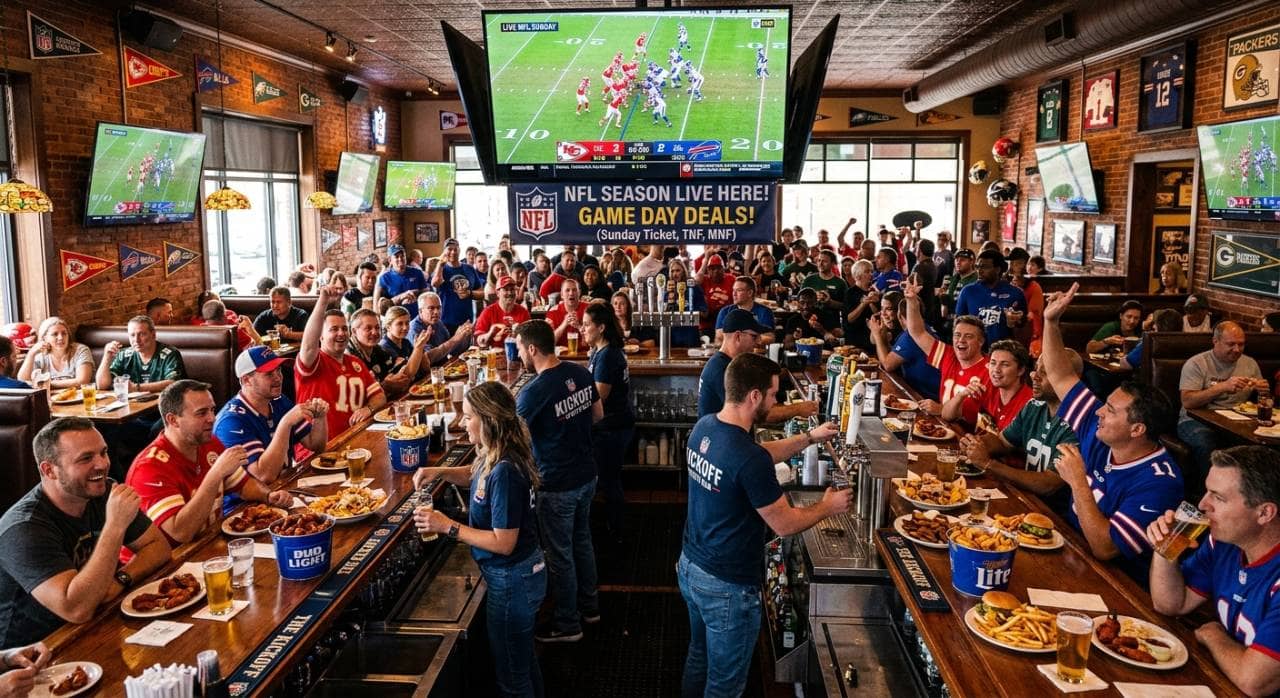
Prepare your restaurant for NFL season with smart menu planning, staffing, marketing, technology, and atmosphere strategies that boost season-long revenue.
Sep 9, 2026
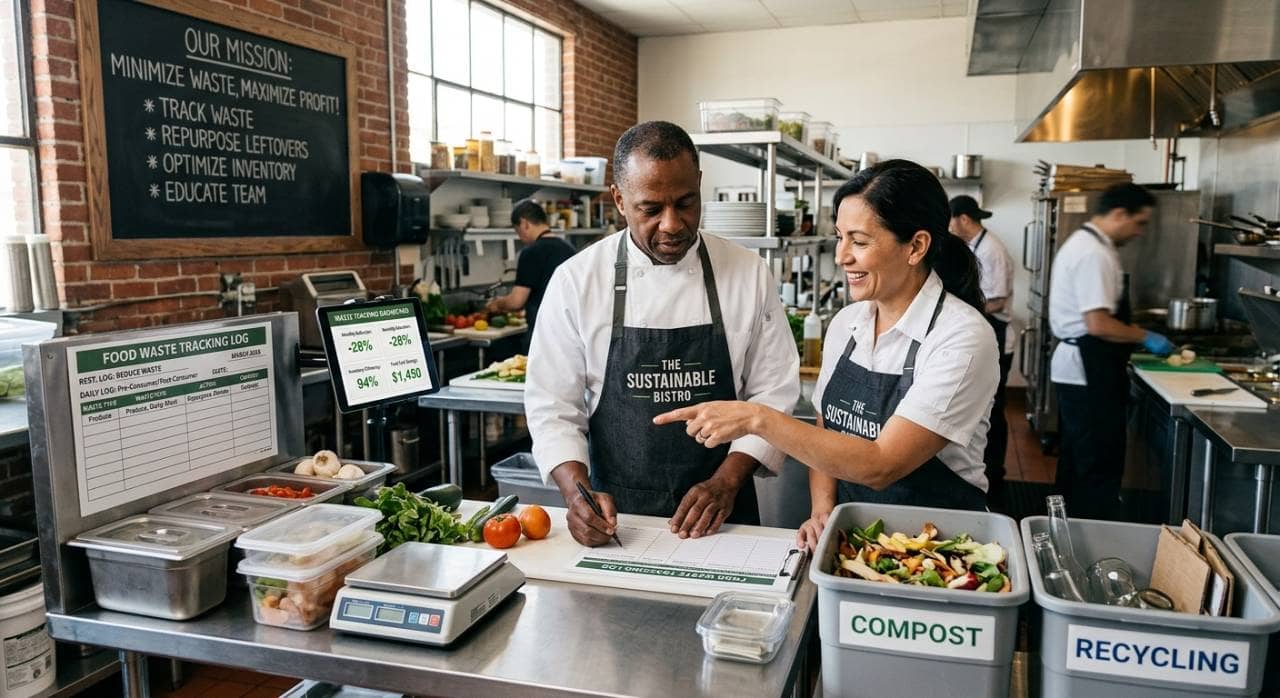
Learn how to reduce food waste in restaurants through smarter purchasing, storage, preparation, and service strategies that cut costs.
Sep 9, 2026
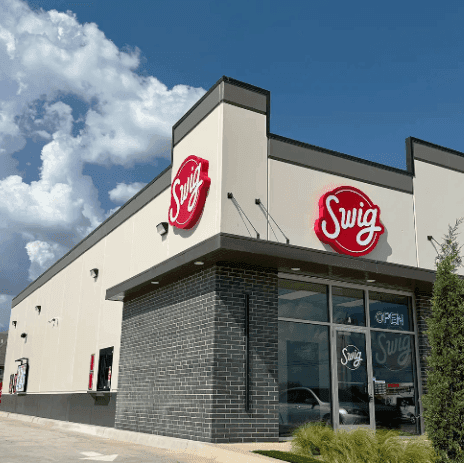
Swig signs franchise agreement for 11 South Denver locations, marking Colorado entry and validating its national expansion strategy.
Sep 8, 2026

Complete guide helping restaurant owners choose essential kitchen equipment - covering cooking, refrigeration, prep, sanitation, ventilation, safety, and long-term maintenance planning.
Sep 7, 2026

QR code menus let restaurants replace paper menus digitally, enabling instant updates, contactless browsing, ordering, and payment through simple smartphone scanning.
Sep 7, 2026

Avoiding common restaurant payroll mistakes - misclassification, tip credit errors, overtime miscalculations - protects businesses from costly penalties, back pay, and compliance risks.
Sep 4, 2026
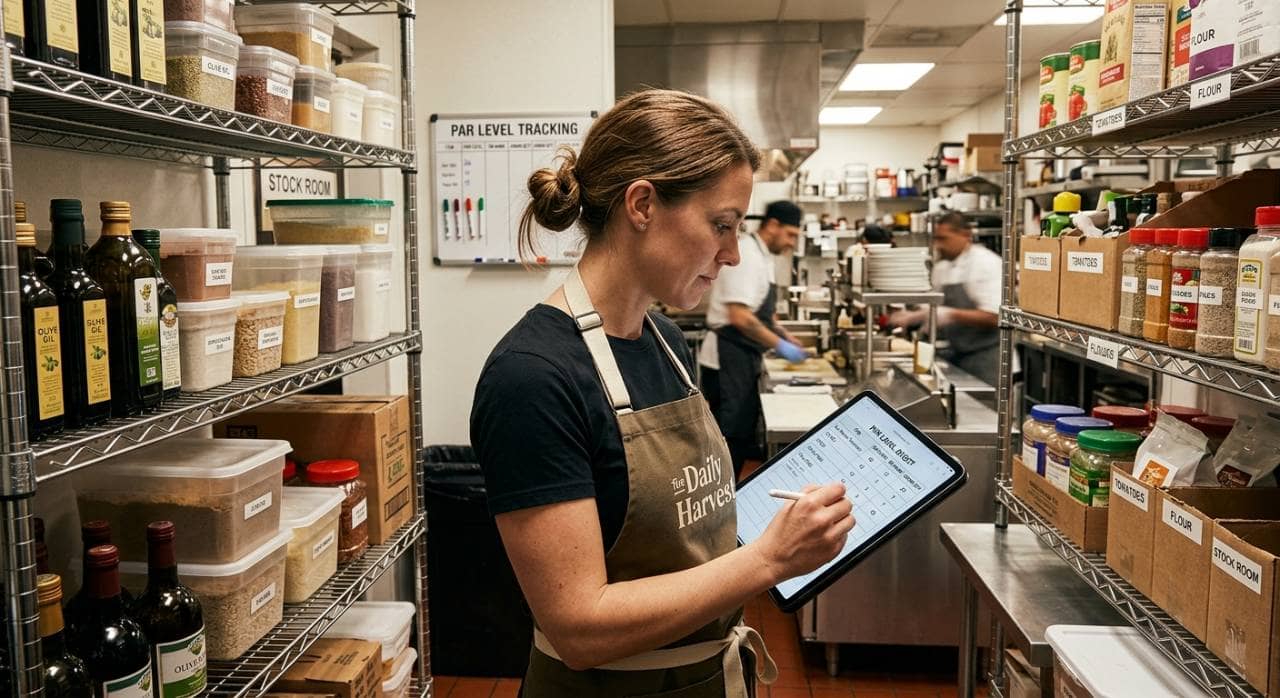
Learn to calculate par levels for restaurant food, beverages, and packaging inventory, preventing stockouts and waste through proper formulas.
Sep 4, 2026
Caribou Coffee appoints Zane Thomas-Rogers as Chief Operations Officer to strengthen execution across its expanding coffeehouse network.
Sep 4, 2026

Unlock Exclusive Access To Webinars, Events, And The Latest News For Free!
Chick-fil-A plans 20–25 restaurants in Puerto Rico by 2030, backed by QOZ incentives and a public-private partnership shaping community development.

Photo by Hybrid Storytellers
On July 2, 2024, Chick-fil-A announced a long‑term investment in Puerto Rico, planning to grow from five restaurants to 20–25 by 2030. The gesture read as a deliberate redefinition: a shift from a light footprint to a core market strategy. The language surrounding the move emphasized more than quarterly targets: it spoke of economic vitality and community ties stitched into a single, patient arc. In those terms, every planned storefront carries weight beyond the cash register, hinting at a crafted partnership with local life: a promise of jobs, training, and shared prosperity.
The expansion was framed with the cadence of a measured ascent, and it carried a clear outward sign: this is not simply about more locations, but about embedding a national brand into the island’s fabric. Chick-fil-A’s growth in Puerto Rico creates a tremendous opportunity not only for our business, but for economic development and local community impact across the Island. said Paul Trotti, Vice President for International at Chick-fil-A, Inc., rendering the announcement as a blend of enterprise and social purpose. The emphasis on community and employment suggested that the island’s future openings would be evaluated through a dual lens: market performance and civic benefit.

Puerto Rico’s incentives framework, embodied in the Puerto Rico Incentives Code of 2019 as Act 60-2019, designates large swathes of the island as qualified opportunity zones, where development can be accelerated through transferrable credits and streamlined permitting. Local officials have noted a concentration of QOZs, presenting a policy architecture aimed at redevelopment and job creation in communities still recovering from the storms of recent years. Secretary Manuel Cidre of the Department of Economic Development and Commerce described the partnership as a blend of private investment with public‑sector support, a union intended to deliver high‑quality products while fostering employment and social wellbeing.
The policy frame is not abstract theory. It is designed to channel capital into distressed or transitional zones while aligning private ambition with public redevelopment goals. In practical terms, the framework creates a pathway for projects that meet designated criteria to access incentives that may lubricate timelines and reduce friction in approvals. For Chick-fil-A, this means a clearer runway to site development, longer‑term employment, and deeper supplier relationships on the island. The alliance between incentives and redevelopment goals sits at the heart of the plan’s ambition.
