
California Penalizes Dickey's for Franchise Disclosure Violations
California shifts to public enforcement strategy against Dickey's for deceptive franchise disclosures, signaling stricter state-level franchise oversight.
Franchising
Sep 10, 2026
California shifts to public enforcement strategy against Dickey's for deceptive franchise disclosures, signaling stricter state-level franchise oversight.
Sep 10, 2026
Paul Brown temporarily steps away from Inspire Brands as Scott Murphy assumes interim CEO role during confidential IPO filing process targeting late 2026.
Sep 10, 2026
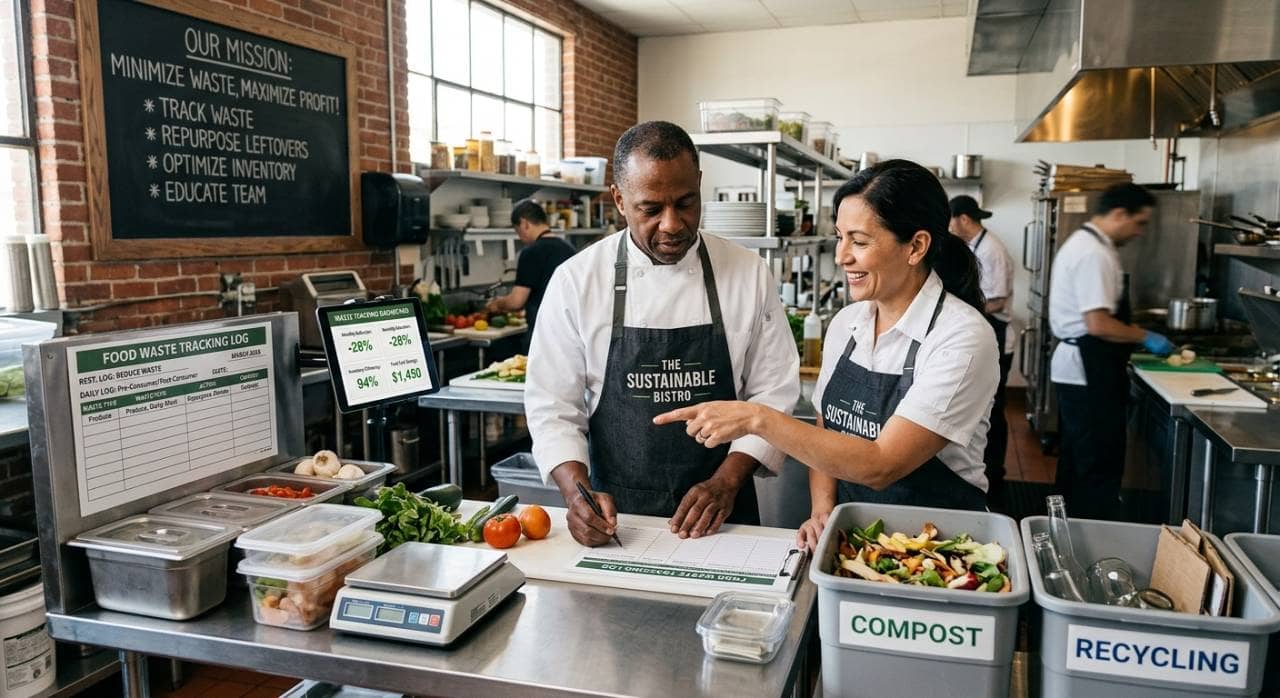
Learn how to reduce food waste in restaurants through smarter purchasing, storage, preparation, and service strategies that cut costs.
Sep 9, 2026
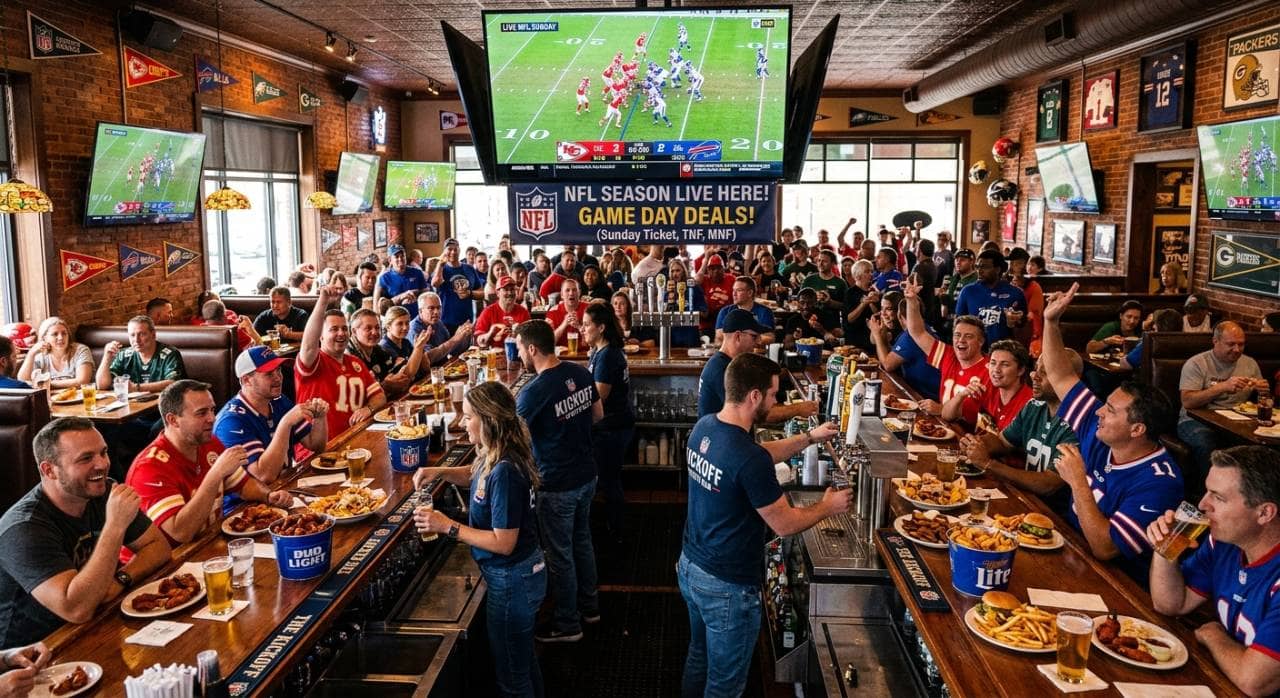
Prepare your restaurant for NFL season with smart menu planning, staffing, marketing, technology, and atmosphere strategies that boost season-long revenue.
Sep 9, 2026
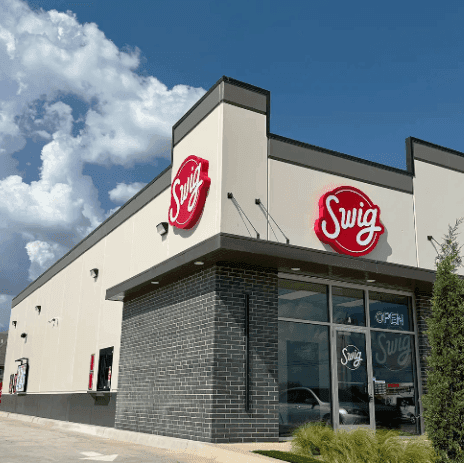
Swig signs franchise agreement for 11 South Denver locations, marking Colorado entry and validating its national expansion strategy.
Sep 8, 2026
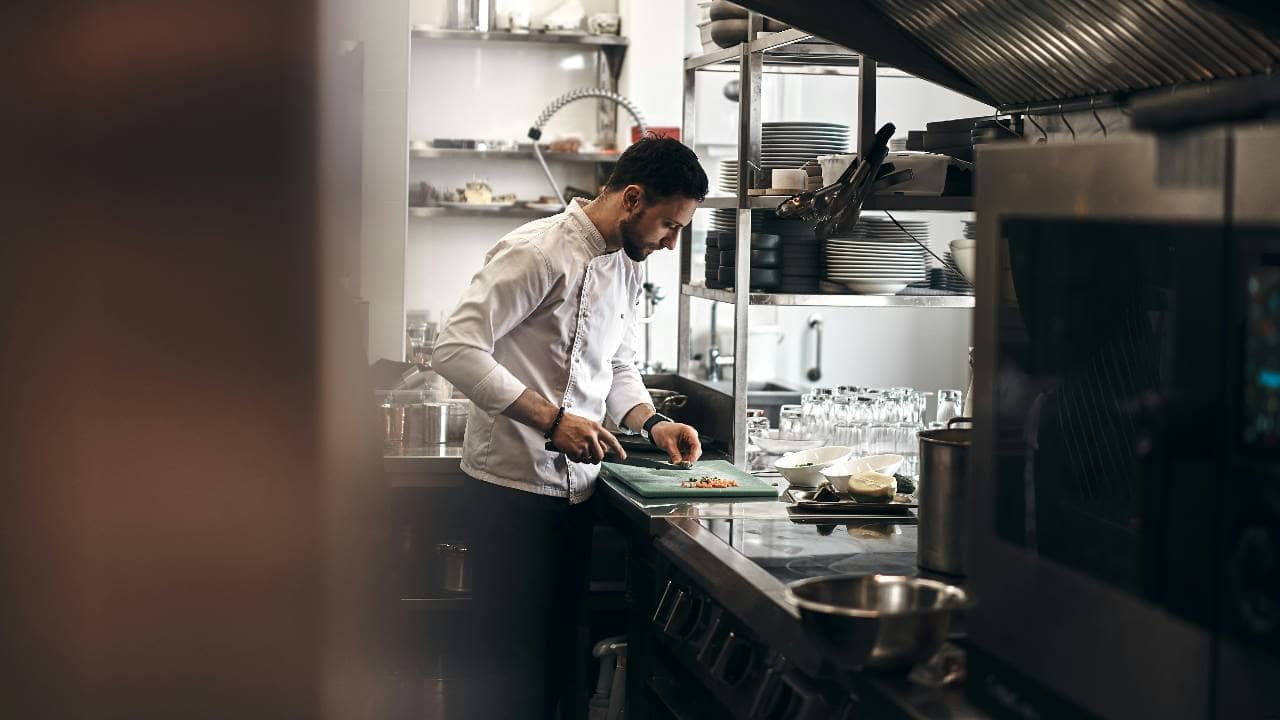
Complete guide helping restaurant owners choose essential kitchen equipment - covering cooking, refrigeration, prep, sanitation, ventilation, safety, and long-term maintenance planning.
Sep 7, 2026
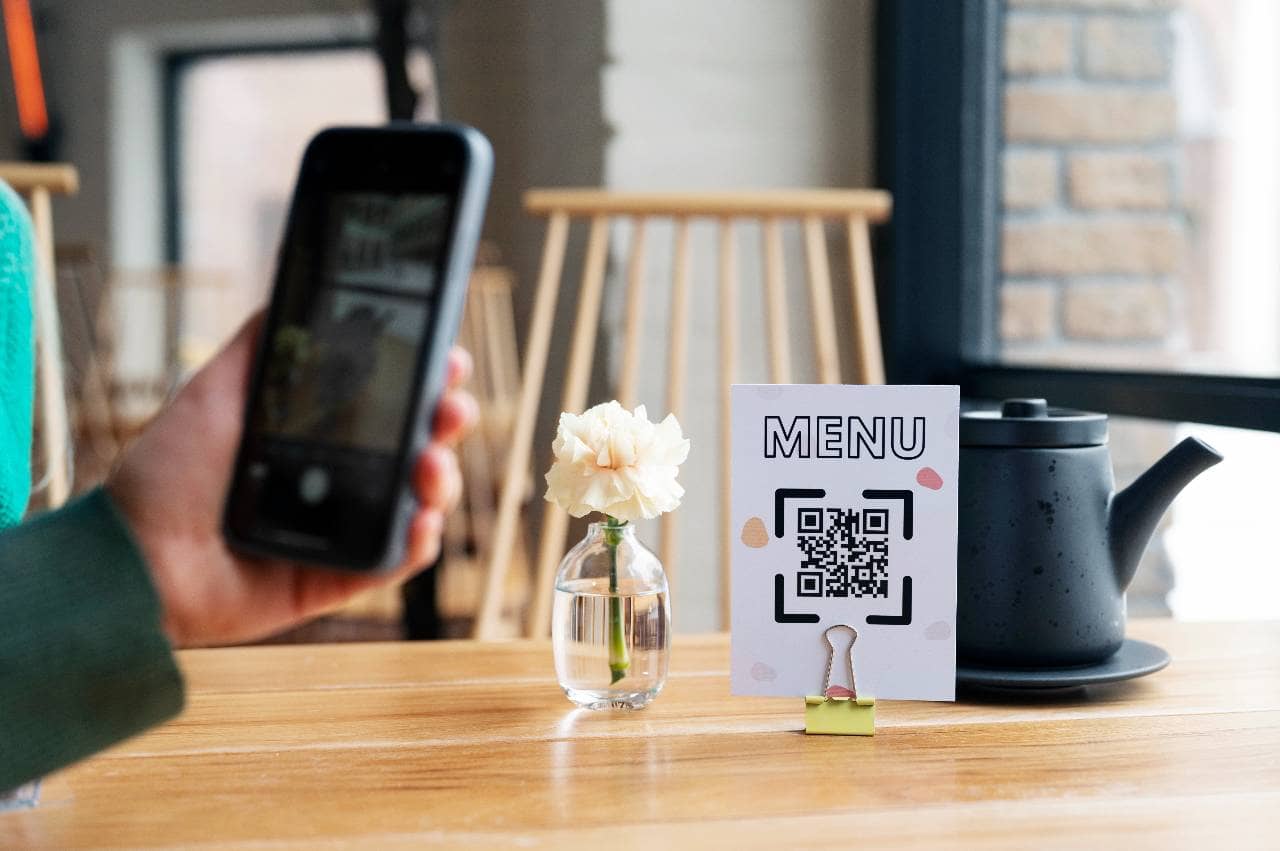
QR code menus let restaurants replace paper menus digitally, enabling instant updates, contactless browsing, ordering, and payment through simple smartphone scanning.
Sep 7, 2026

Avoiding common restaurant payroll mistakes - misclassification, tip credit errors, overtime miscalculations - protects businesses from costly penalties, back pay, and compliance risks.
Sep 4, 2026
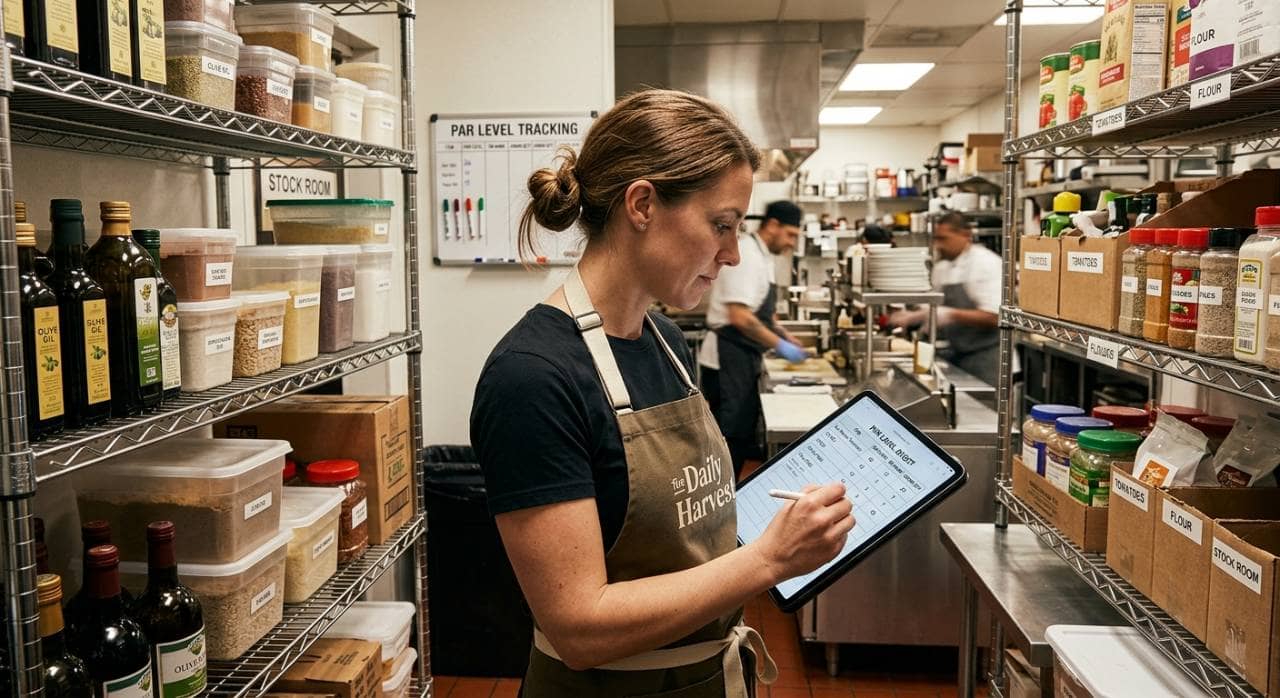
Learn to calculate par levels for restaurant food, beverages, and packaging inventory, preventing stockouts and waste through proper formulas.
Sep 4, 2026
Caribou Coffee appoints Zane Thomas-Rogers as Chief Operations Officer to strengthen execution across its expanding coffeehouse network.
Sep 4, 2026

Unlock Exclusive Access To Webinars, Events, And The Latest News For Free!
Chipotle marks a milestone with its 1,000th Chipotlane in Olathe, Kansas, underscoring a digital-first growth strategy powered by automation and data-driven operations.
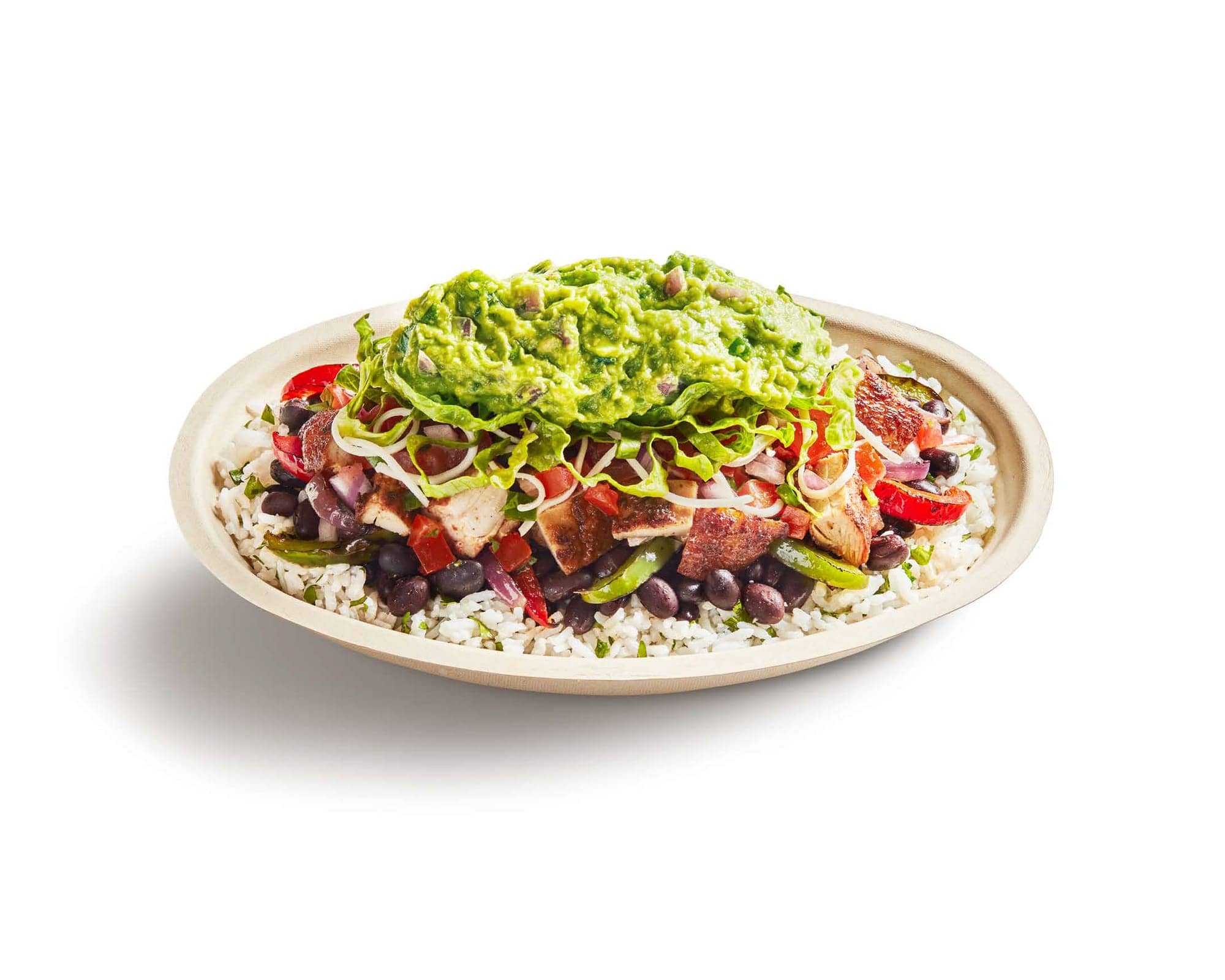
On the edge of a milestone, Chipotle opens its 1,000th Chipotlane in Olathe, Kansas, a sign that the brand has turned a bold promise into repeated practice. The restaurant at 14833 West 151st Street will operate daily from 10:45 a.m. to 11 p.m., a schedule that mirrors the tempo of modern quick-service where customers expect a precise blend of speed and quality. This moment feels less like a victory lap than a signal about how dining is evolving: a digital-first mindset that still pays careful attention to the texture of a bowl, the warmth of a welcome, and the reliability of a pickup that feels effortless. What does this signal for the way we dine next?
Chipotle describes Chipotlanes as a central pillar of its growth engine. The milestone sits within a broader ambition, to grow to 7,000 North American restaurants, while keeping a laser focus on speed and throughput. Chipotlanes have become a sizable share of the footprint: more than 3,600 domestic units now include the lane, and the company expects the format to drive higher sales and margins when paired with a digitally driven customization, a streamlined pickup window, and careful back-of-house support. The pace of rollout accelerated dramatically: the company reached its 500th Chipotlane just two years ago, underscoring how quickly the model has become a standard-bearer for the brand. That momentum invites a closer look at the mechanics behind the lane.
In a landscape where speed and nourishment are both expected, Chipotle's approach leans into balance: fast, but never rushed; accurate, but with human care in the moment of pickup. It's a reminder that thoughtful dining can live inside scalable systems, and that a single lane can ripple through the dining room, kitchen, and guest experience in tangible ways.
The Chipotlane concept emerged from a simple question: can a traditional pickup window be redesigned as a fast, digital-first channel? The answer, Chipotle suggests, is yes. The lane is designed to accelerate order fulfillment during peak hours while preserving the quality customers expect. The shift comes as digital sales have held above the pandemic peak, and the company frames Chipotlanes as a cornerstone of growth toward 7,000 North American locations. The 2025 plan outlines 315 to 345 new company-owned restaurants, with at least 80 percent featuring a Chipotlane, setting a pace for the coming years.
The ChipotLANE concept began as a 2018 pilot, a move to convert a pickup window into a digital-driven channel designed to speed throughput and enhance peak performance. The strategy has proven appealing as digital orders stay robust, and the lane’s economics are framed as a catalyst for faster throughput and higher margins. In its 2025 guidance, Chipotle reiterated plans to open 315 to 345 new company-owned restaurants, with at least 80% featuring a Chipotlane, while signaling acceleration into 2026.
By late 2025, the company reported more than 3,900 restaurants worldwide, underscoring a balanced rhythm of domestic expansion and international penetration. The 1,000th Chipotlane milestone sits squarely within this broader expansion narrative, reflecting a model that scales digital-enabled service without losing sight of product quality or the human touch that defines dining.
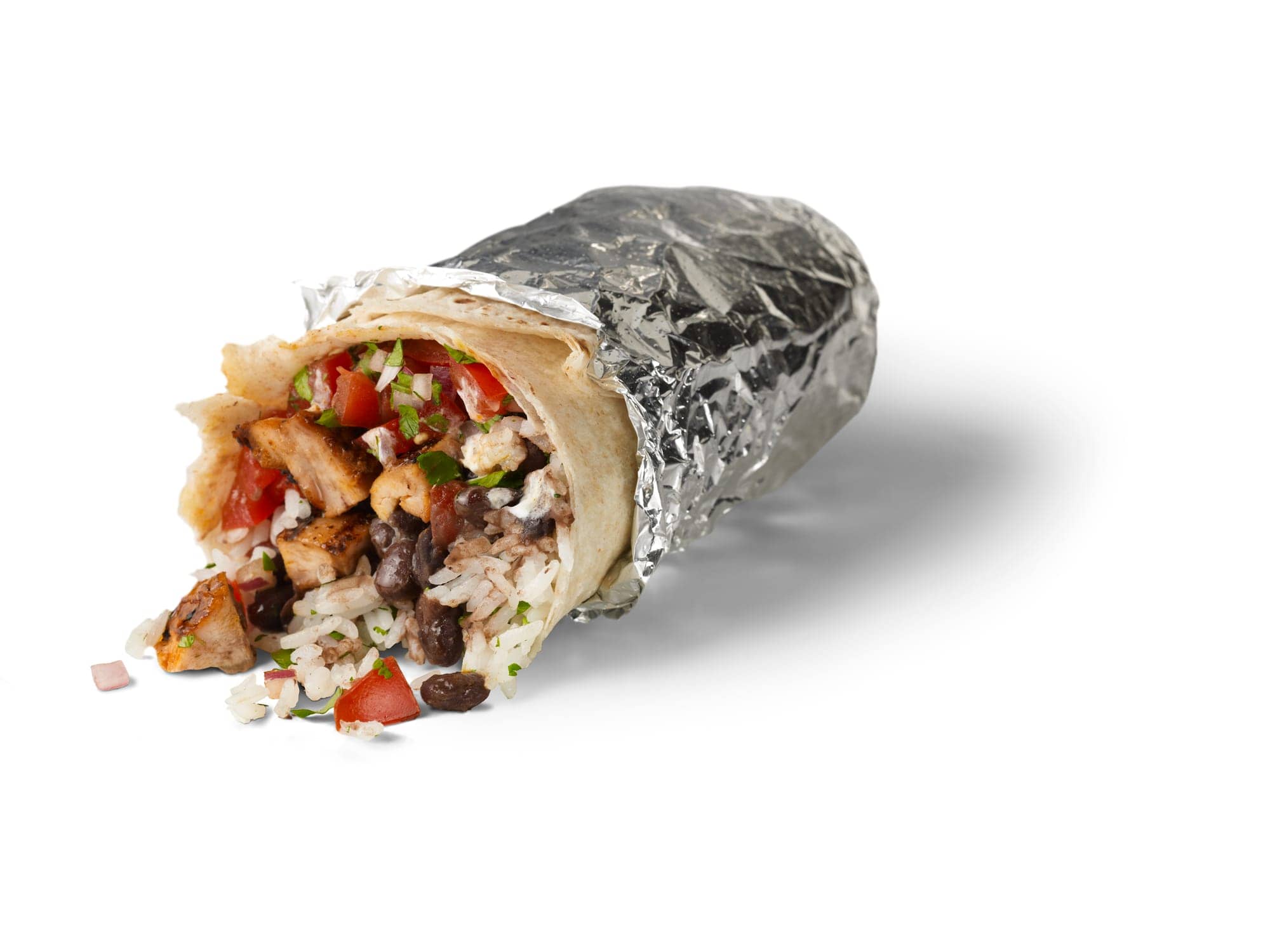
The Chipotlane is engineered for speed, with orders aimed to be delivered in under 30 seconds in many cases. This efficiency helps take pressure off dining rooms during peak hours while keeping the focus on accuracy. The broader program also includes back-of-house innovations, such as the Augmented Makeline, a cobotic solution developed with Hyphen to assemble bowls and salads, which comprise a large share of digital orders. Tests have shown that such automation can free staff to focus more on dine-in guests and other tasks, reinforcing the case for tech-enabled throughput across front- and back-of-house operations.
Beyond the lane itself, Chipotle has emphasized AI-assisted and robotic solutions as core to improving accuracy and consistency across orders. The combination of faster throughput, automated assembly, and data-driven workflows is positioned to sustain growth while preserving the quality customers expect. In this view, technology serves people, reducing bottlenecks, letting teams focus on guest experience, and maintaining high standards even as digital demand rises.
In this framework, tech isn’t a replacement for human service but a means to expand capacity thoughtfully. Staff can allocate more attention to dine-in guests and quality checks, while automation handles repetitive assembly tasks. The result, investors and operators hope, is a more resilient throughput model that can scale with digital demand without sacrificing nourishment.

"Chipotlanes are a critical piece of our long-term growth goal of reaching 7,000 restaurants in North America. This restaurant format is the fastest way for fans to get Chipotle and has proven to increase sales, margins, and returns." said Chipotle’s chief brand officer, Chris Brandt. This authoritative endorsement from a senior brand leader reinforces the strategic rationale behind Chipotle’s shift toward Chipotlanes as a core driver of growth and profitability.
Industry observers have noted that Chipotle’s emphasis on digital-enabled formats aligns with broader trends in fast-casual dining toward speed, convenience, and seamless omni-channel experiences. The technology-forward approach, combining curbside, drive-thru, and order-ahead with automation, reads as a signal for how brands may balance guest expectations with scalable operations in a competitive landscape.
As a practical matter, the endorsement from Chipotle’s leadership and the industry-wide attention suggest a model where digital-enabled formats can coexist with human hospitality. The question now is whether this combination translates into durable margins at scale and how automation will be adopted across a diverse set of brands facing labor and supply chain pressures.
Chipotle’s quarterly and annual updates offer a clear sense of trajectory. In its third-quarter 2025 results, the company reiterated guidance for 315 to 345 new company-owned openings in 2025, with over 80% featuring a Chipotlane, and outlined a path to 350 to 370 openings in 2026, including international partner-operated locations, with a similar emphasis on Chipotlane presence. By late 2025, Chipotle reported having over 3,900 restaurants worldwide, underscoring sustained growth in both domestic and international markets. The 1,000th Chipotlane milestone sits within this broader expansion narrative.
Growth guidance points to 350 to 370 openings in 2026, with a continued emphasis on Chipotlane-enabled formats and a mix of domestic and international sites. Digital sales remain a material share of revenue, and Chipotlanes contribute to improved margins and returns. Taken together, the numbers signal a deliberate expansion rhythm, one that blends speed, scale, and a focus on the guest experience.
The milestone and trajectory hint at a model others may model: digital ordering integrated with curbside and drive-thru lanes, supported by automation and data-driven operations. As Chipotle aims for 7,000 North American locations and ongoing international expansion, the sector will watch whether these tech-enabled formats translate into durable margins and how automation is adopted across brands facing labor and supply chain pressures.
