
California Penalizes Dickey's for Franchise Disclosure Violations
California shifts to public enforcement strategy against Dickey's for deceptive franchise disclosures, signaling stricter state-level franchise oversight.
Franchising
Sep 10, 2026
California shifts to public enforcement strategy against Dickey's for deceptive franchise disclosures, signaling stricter state-level franchise oversight.
Sep 10, 2026
Paul Brown temporarily steps away from Inspire Brands as Scott Murphy assumes interim CEO role during confidential IPO filing process targeting late 2026.
Sep 10, 2026
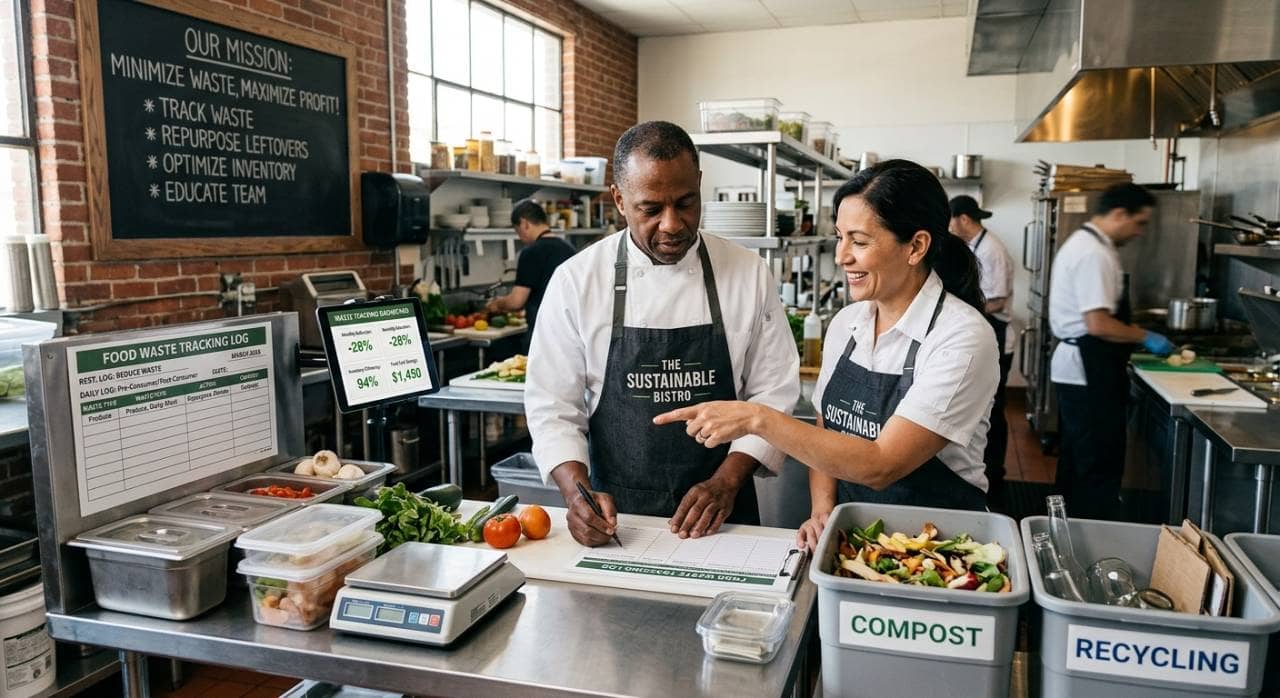
Learn how to reduce food waste in restaurants through smarter purchasing, storage, preparation, and service strategies that cut costs.
Sep 9, 2026
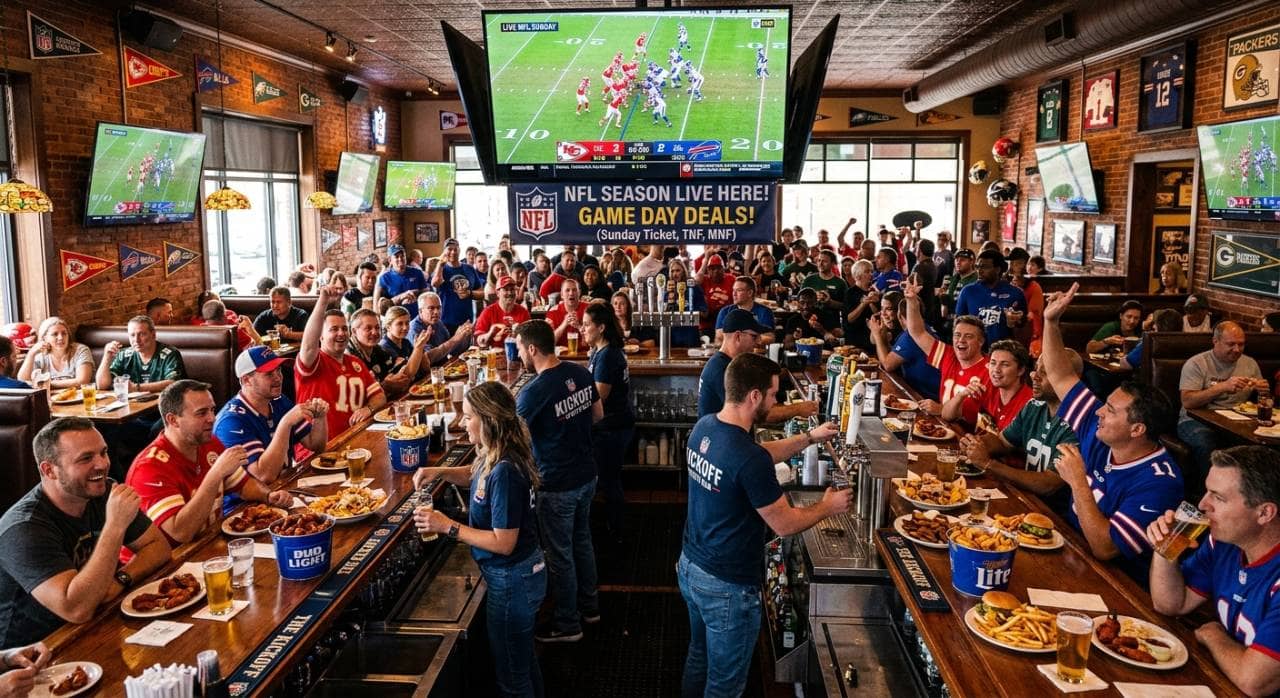
Prepare your restaurant for NFL season with smart menu planning, staffing, marketing, technology, and atmosphere strategies that boost season-long revenue.
Sep 9, 2026
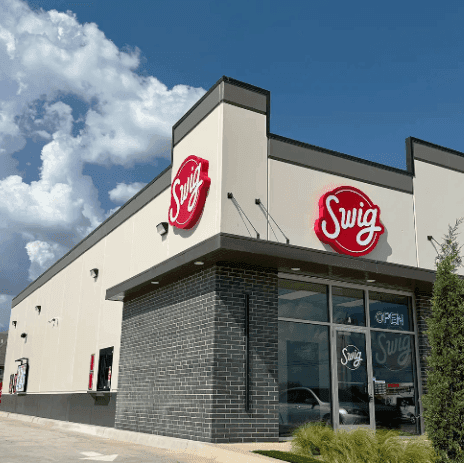
Swig signs franchise agreement for 11 South Denver locations, marking Colorado entry and validating its national expansion strategy.
Sep 8, 2026

Complete guide helping restaurant owners choose essential kitchen equipment - covering cooking, refrigeration, prep, sanitation, ventilation, safety, and long-term maintenance planning.
Sep 7, 2026
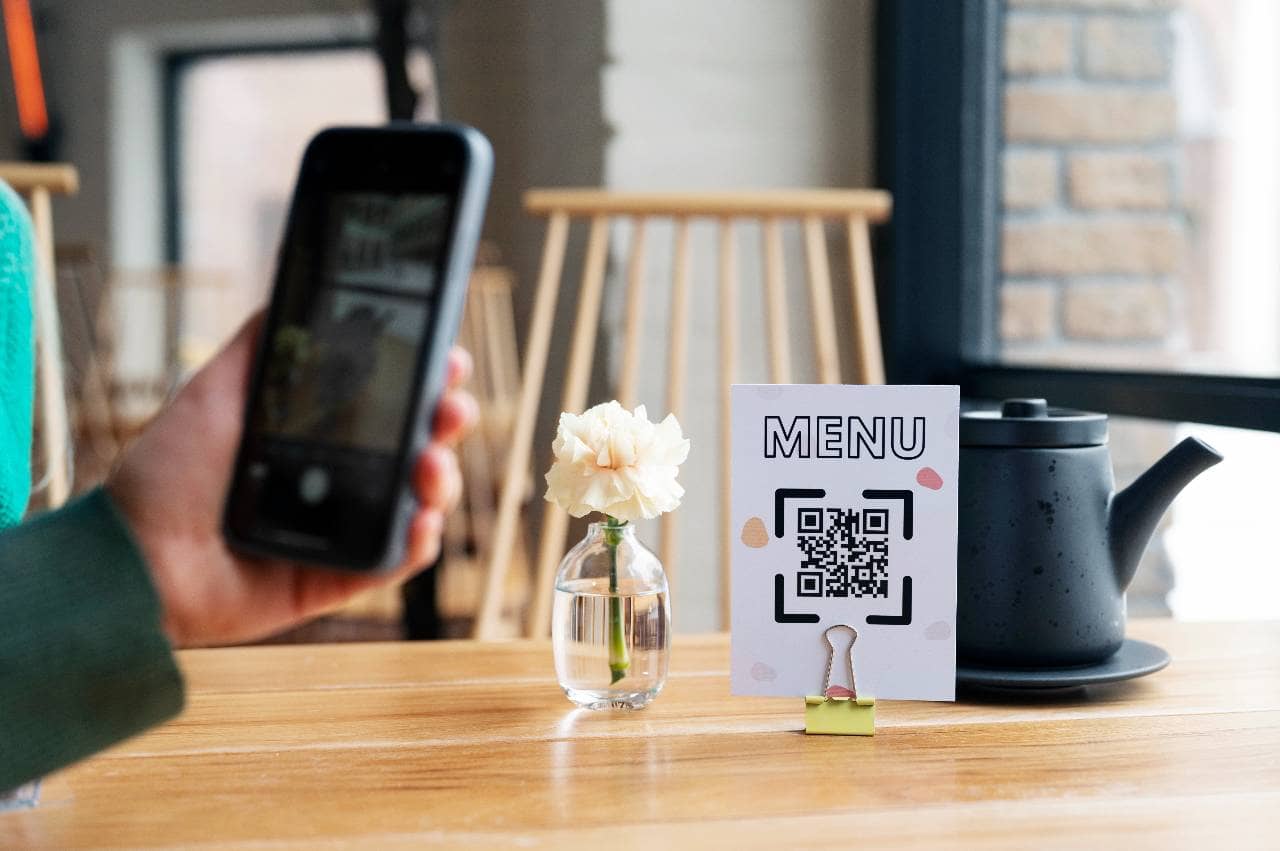
QR code menus let restaurants replace paper menus digitally, enabling instant updates, contactless browsing, ordering, and payment through simple smartphone scanning.
Sep 7, 2026

Avoiding common restaurant payroll mistakes - misclassification, tip credit errors, overtime miscalculations - protects businesses from costly penalties, back pay, and compliance risks.
Sep 4, 2026
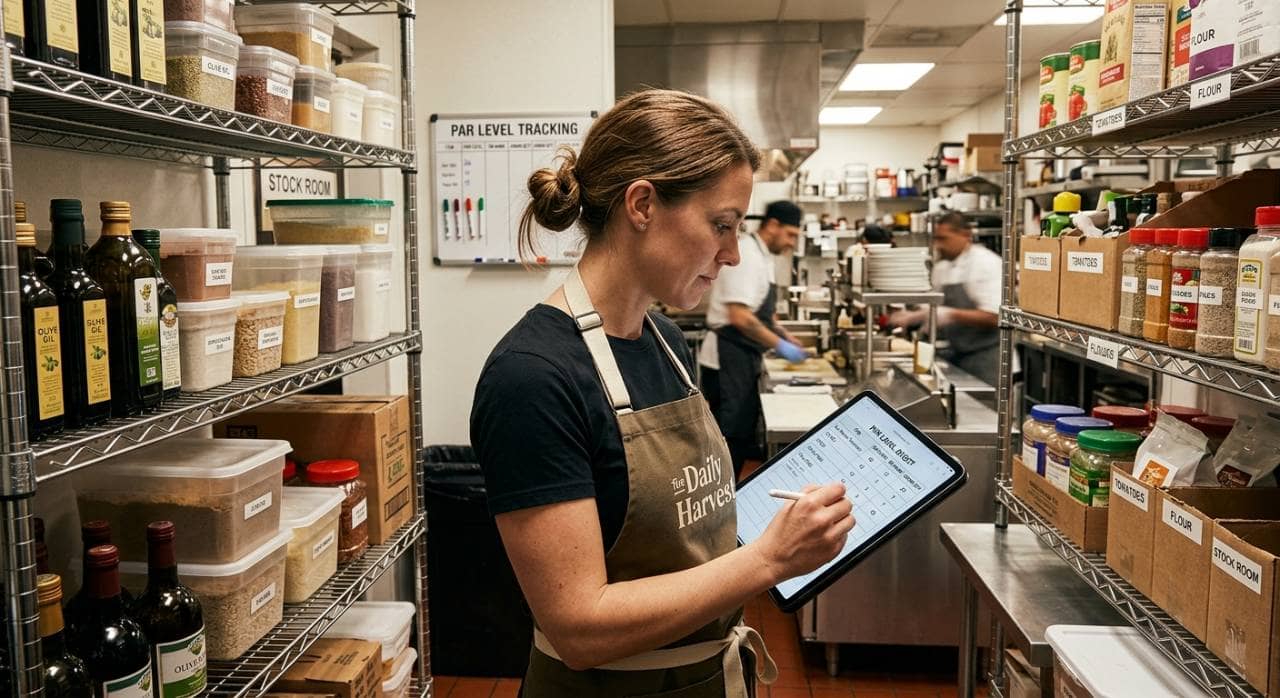
Learn to calculate par levels for restaurant food, beverages, and packaging inventory, preventing stockouts and waste through proper formulas.
Sep 4, 2026
Caribou Coffee appoints Zane Thomas-Rogers as Chief Operations Officer to strengthen execution across its expanding coffeehouse network.
Sep 4, 2026

Unlock Exclusive Access To Webinars, Events, And The Latest News For Free!
Explores Home Run Dugout's licensing-led expansion, flagship Katy development, and plans in San Antonio and Scottsdale amid a maturing eatertainment scene.
Photo by
Experiential dining is no longer a novelty but a blueprint for growth. Across the United States, venues that fuse participation, technology, and hospitality are reshaping what a night out means. At the forefront is Home Run Dugout, whose multi-market strategy centers on licensing its Batting Bays and leveraging storytelling around sports, science, and social connection. In Katy, Texas, the flagship has evolved from a single-location concept into a scalable platform that marries big‑space footprint with high‑tech play and dining. The momentum signals a durable demand for stadium‑size experiences that blend sport, food, and media in one destination. To understand what comes next, we begin with the flagship’s blueprint and the forces driving expansion:
The Katy venue opened in March 2023 as a 46,000‑square‑foot space built around immersive batting bays rather than traditional cages. By April 2024, $2.7 million in expansions added 9,200 square feet and 10 new bays, bringing the total to 22 Batting Bays and creating a dedicated space for large‑group events. Local coverage from the Houston Chronicle corroborates the scope, schedule, and the decision to preserve daily operations while absorbing new capacity. Tyler Bambrick, HRD’s CEO, framed the expansion as a response to community enthusiasm and the needs of bigger groups: a venue that can host corporate events, birthday parties, and multi‑hour sessions without sacrificing the core immersive experience.
This momentum points to a blueprint that travels beyond Katy, scaling hospitality with technology while keeping guest flow and event demand at the center of the plan.
Looking at the core mechanics, the Batting Bays concept is a modular system designed to mimic stadium appeal without cages. Guests bat a soft ball that shoots from a ground‑based pitching machine toward a large projection screen that simulates live ballparks. A 20-by-12-foot screen anchors the experience, with multiple televisions to track performance and offer streaming options, delivering a stadium‑like atmosphere without sacrificing accessibility. The setup emphasizes safety, touting a seven‑mile‑per‑hour fastball and a calibrated readout of exit velocity, distance, and location. The blend of physical play and augmented reality yields a flexible entertainment proposition that scales across venues and can be licensed to third parties.
Axios describes the architecture as intuitive for participants of all skill levels, while offering a rich data and media experience that encourages repeat visits. This design enables licensing partnerships with hotels, casinos, and other entertainment centers, expanding the reach of HRD’s core technology while preserving the integrity of the guest experience.
The broader takeaway is that technology is the license and experiences the revenue, an approach that invites operators to imagine co‑branded formats that align with hospitality and media strategies.
Leadership and revenue signals are shaping the path forward. HRD’s recent Series A, $22.5 million, led by Lagniappe Capital Partners, is framed not only as capital for Houston expansion but as a platform for licensing and new venues. Industry coverage notes that the funds will fuel licensing efforts, with the Batting Bays outperforming traditional benchmarks and generating strong revenue, strengthening the case for a licensing‑heavy expansion model. The infusion signals confidence in multi‑market deployment and the potential to multiply visits through partner sites.
In industry reporting, the Dive Brief cites the Bays as outperforming, generating nearly three times the revenue of an average Topgolf bay, a statistical marker that underpins HRD’s licensing‑driven growth. Leadership has openly framed licensing as a multiplier, extending to hotels, casinos, resorts, stadiums, and other entertainment centers, without relinquishing control over the guest experience.
Looking beyond Houston, HRD is plotting multi‑market growth in San Antonio and Scottsdale, each envisioned at roughly 65,000 square feet and featuring 34 Batting Bays, a Biergarten Baseball mini field, a full‑service restaurant, and three bars. The San Antonio project is framed as a major addition to The Rim’s entertainment district, signaling a significant anchor for a district primed for dynamic hospitality experiences. Scottsdale is positioned as a flagship growth site, reinforcing a diversified geographic footprint and a robust licensing pipeline.
Industry coverage and Axios place licensing at the center of HRD’s expansion playbook. The company is actively promoting licensing opportunities to hotels, casinos, resorts, stadiums, and other venues that want to deploy Batting Bays and the associated technology. The San Antonio and Scottsdale plans, reported in Axios and Restaurant Dive, reflect a deliberate strategy to diversify revenue streams and broaden the reach beyond HRD-operated sites. This scale, 65,000 square feet with 34 bays, signals a confident push into the next wave of eatertainment growth, anchored by adaptable space and a core tech platform.
A practical implication is that licensing becomes a multi‑site engine for growth, allowing HRD to unlock new markets while maintaining control over the guest experience.
As HRD accelerates, competitors are advancing with their own immersive concepts. Batbox, a Mexico‑based operator focused on baseball simulators, has announced aggressive U.S. expansion plans targeting 25 locations by 2030. Its first U.S. venue is slated to open in Addison, Texas, with industry reporting predicting a late‑summer 2025 opening. Municipal notices and local media corroborate Addison as the launch site, signaling the rapid pace of competitive deployment in parallel with HRD’s growth.
The Addison SUP process demonstrates how regulatory steps shape deployment timelines. A 2025 Addison city packet lays out the case for Batbox as the first U.S. location, underscoring the importance of land-use permits and community review in moving from concept to reality. For readers, the takeaway is that the evolution of eatertainment hinges on aligning entertaining guest experiences with prudent permitting and local market realities.
Ultimately, the future belongs to operators who balance immersive, data‑driven experiences with disciplined replication and partnerships. HRD’s licensing‑led growth and the broader market’s maturation suggest a landscape where scalable technology and thoughtful collaborations shape which venues become enduring anchors in the hospitality ecosystem.
