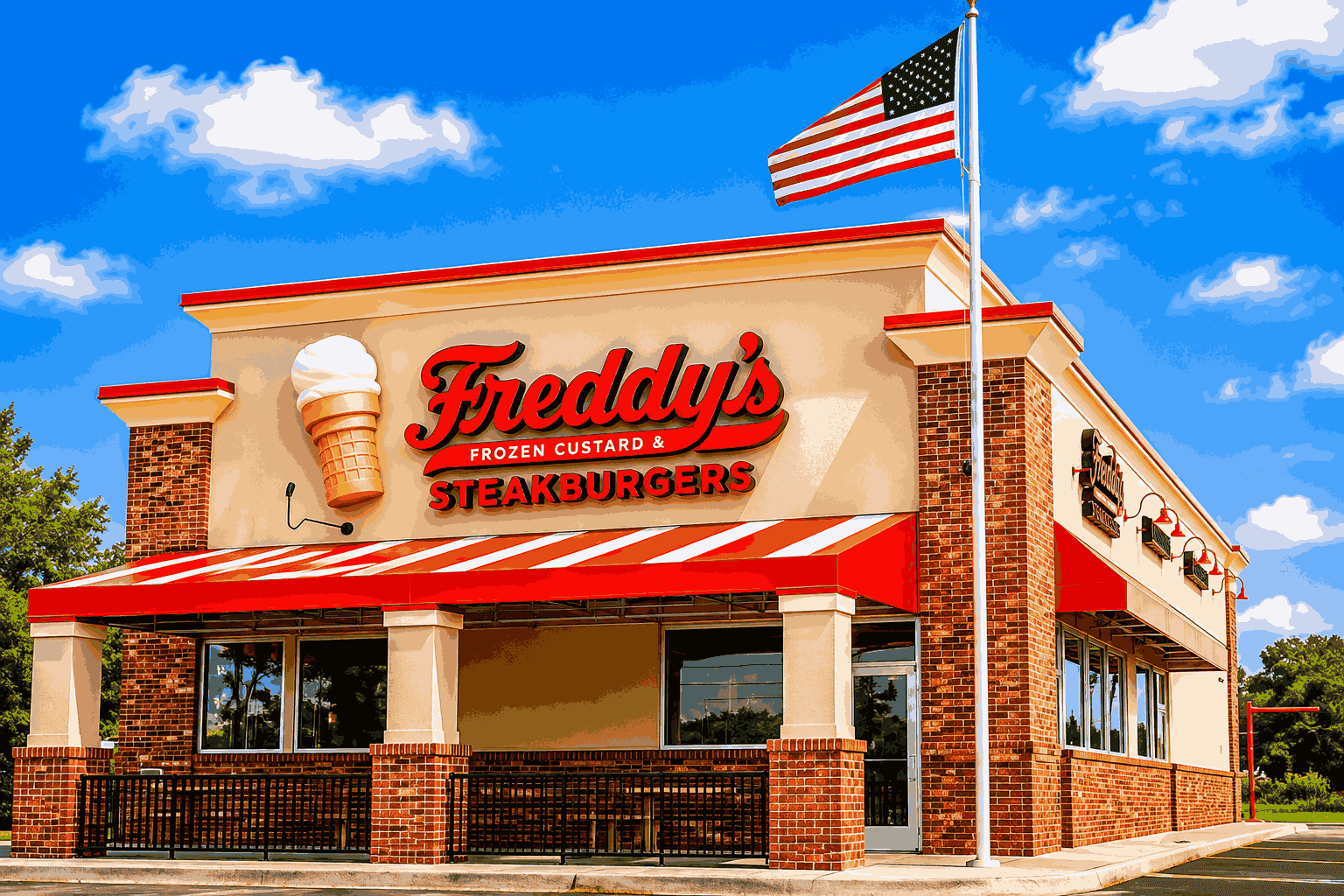
Culinary Leadership Shapes Freddy’s Future
Freddy’s Frozen Custard & Steakburgers promotes Rick Petralia to Executive Chef & VP of Training & Innovation, signaling a strategic focus on culinary excellence and franchisee support.
News
Aug 12, 2026
Freddy’s Frozen Custard & Steakburgers promotes Rick Petralia to Executive Chef & VP of Training & Innovation, signaling a strategic focus on culinary excellence and franchisee support.
Aug 12, 2026
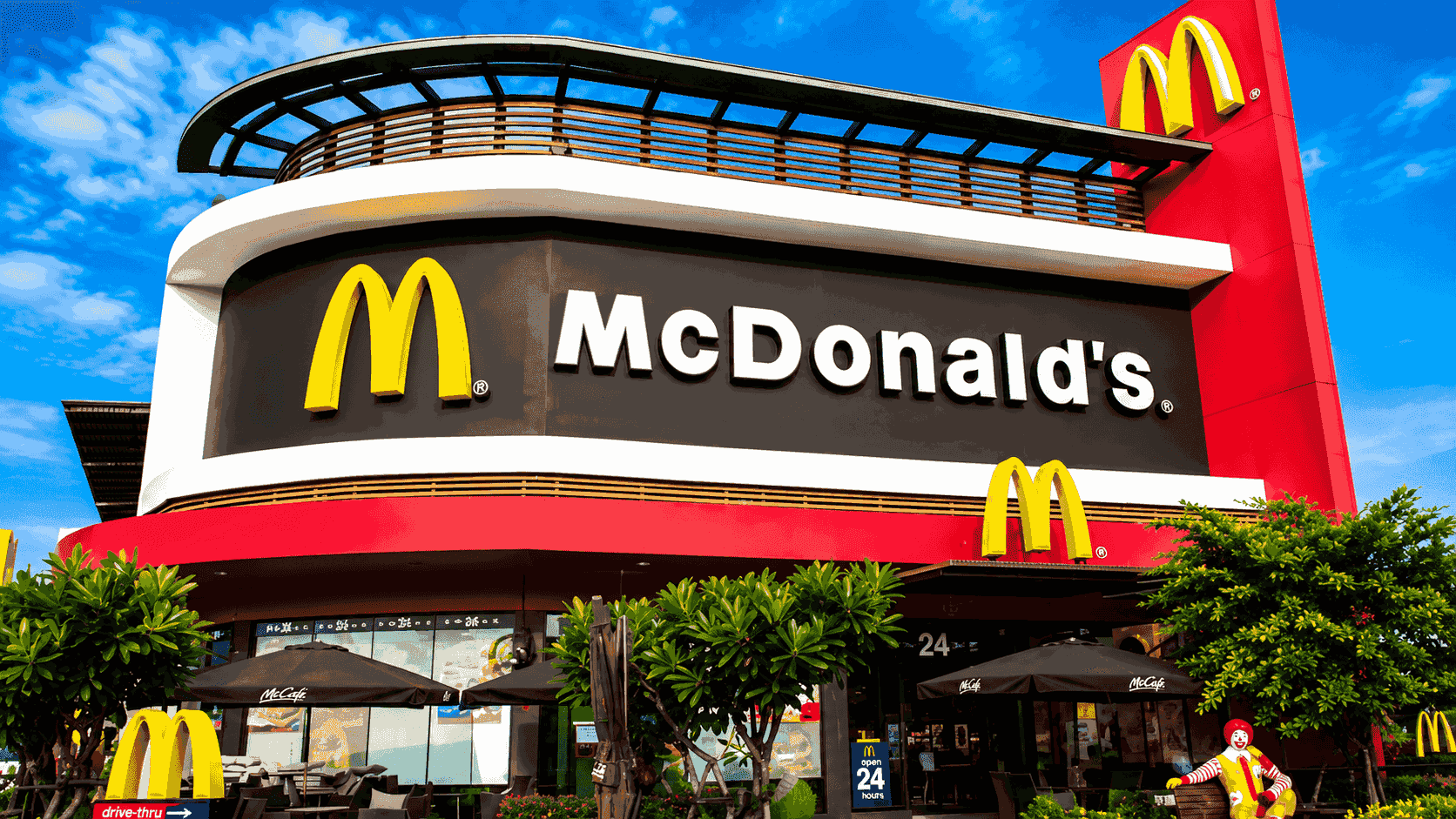
McDonald’s USA has appointed Patrick Gerber as chief restaurant officer, leveraging his decades of global experience to boost operations, food quality, and customer satisfaction in the U.S. market.
Aug 11, 2026
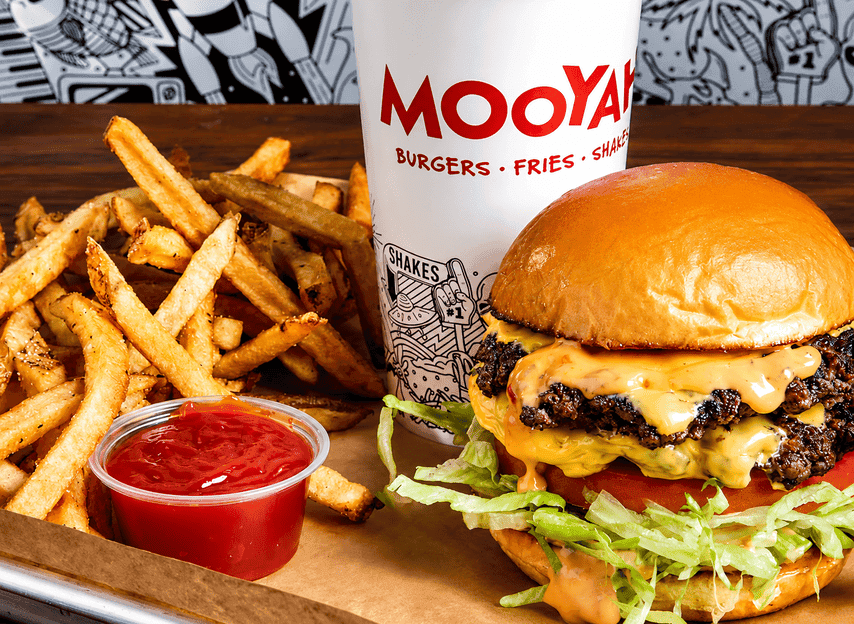
MOOYAH Burgers, Fries & Shakes partners with Great USA Foods LLC to launch a master franchise in the UAE, accelerating international expansion into Dubai and Abu Dhabi. Learn the impact for restaurant owners and growth lessons.
Aug 12, 2026
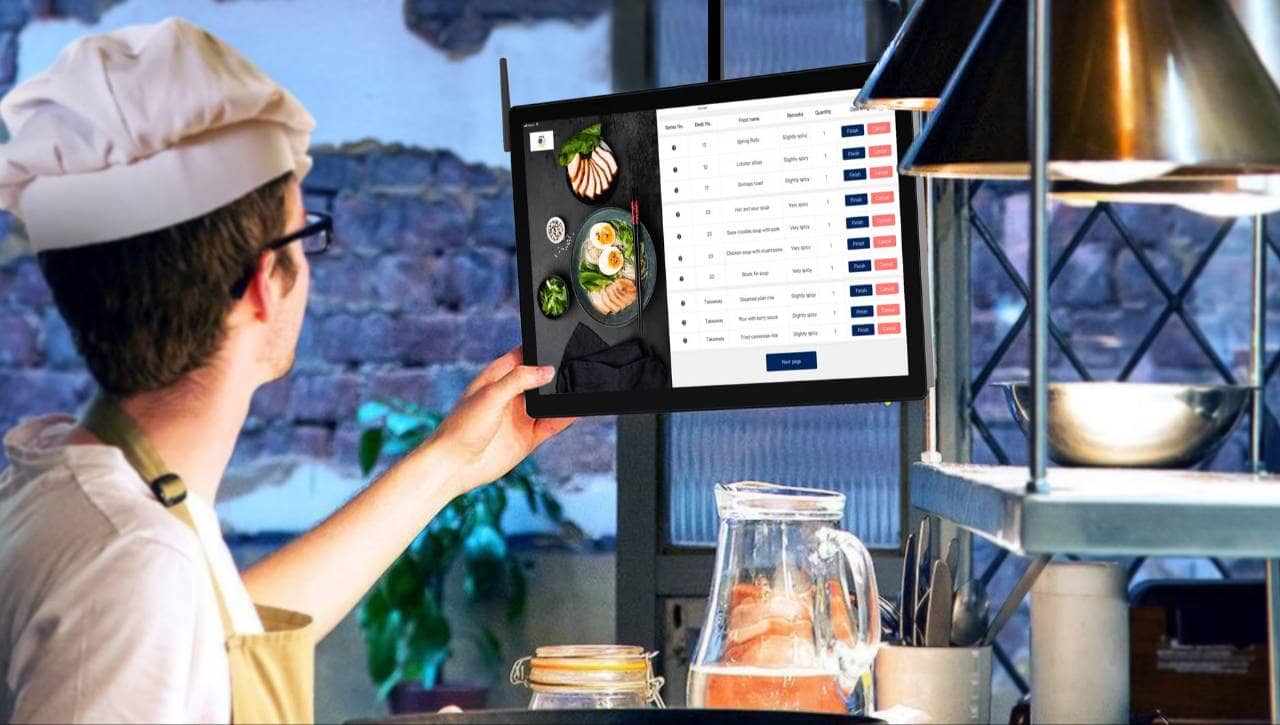
See how a kitchen display system supports faster service, better communication, accurate orders, organized workflows, and improved kitchen performance management.
Aug 10, 2026
Red Robin welcomes marketing veteran Scott Hudler as its new CMO, aiming to revitalize brand strategy and guest engagement during a critical turnaround phase.
Aug 11, 2026
Discover how a Zaxbys team member's creative marketing efforts earned her an executive role, and what the move shows about employee-driven branding in restaurants.
Aug 11, 2026

Avoiding hiring mistakes helps restaurant owners reduce turnover, control labor costs, improve staffing decisions, and build stronger, more reliable teams.
Aug 10, 2026
With traffic and sales slipping, Wendy’s new CEO Bob Wright sets a bold multi-pronged plan to restore food quality, brand value, and operational execution.
Aug 10, 2026
Explore practical ways to manage restaurant overhead costs while protecting service quality, employee productivity, food standards, and long-term profitability goals.
Aug 7, 2026
Get more restaurant reviews by creating memorable experiences, asking customers at the right time, simplifying feedback, and monitoring review performance.
Aug 7, 2026
Jack in the Box appoints Mark King as interim CEO amid declining sales, investor pressure, and ongoing efforts to stabilize and modernize the fast-food chain

Jack in the Box is once again turning to a seasoned quick-service restaurant veteran in hopes of reversing its fortunes. The iconic burger chain announced this week that Lance Tucker has stepped down as CEO after just over 13 months on the job. Stepping into the role on an interim basis is Mark King, the company's board chair and a figure with deep roots in the QSR industry. A permanent CEO search is now underway. The leadership change marks the latest chapter in what has been a turbulent stretch for one of America's most recognizable fast-food brands, a period defined by falling sales, boardroom battles, and a brand working hard to rediscover its footing in a fiercely competitive market.
Tucker took over as CEO in March 2025 with a mandate to steady a brand already under pressure. What followed was a year defined more by challenges than wins. Same-store sales continued to slide throughout his tenure, and the chain's most recently reported quarter, fiscal Q2 2026, showed a 3.8% drop in that critical metric. For a brand already in turnaround mode, those numbers added urgency to an already complicated situation. Beyond the sales struggles, Tucker's time at the top was marked by an increasingly loud activist investor challenge. Sardar Biglari, a well-known agitator in the restaurant space, mounted a contentious proxy campaign that ultimately reshuffled the board including the departure of longtime chair David Goebel. That boardroom pressure, combined with the chain's continued underperformance, created an environment where leadership change felt inevitable. Tucker did make moves. He streamlined the brand's marketing approach, reducing the number of concurrent media campaigns from three to two in an effort to sharpen in-store execution of limited-time offers. He also refocused the marketing calendar to put a more balanced, consistent spotlight on both value and new menu innovation - an acknowledgment that Jack in the Box had been sending mixed messages to consumers. But those efforts weren't enough to move the needle quickly enough.
King's appointment as interim CEO brings a different kind of profile to the role. He was named board chair just earlier this year following Goebel's exit, and his background in QSR operations is extensive. Among his most notable credentials is a stint as CEO of Taco Bell, one of the most successful turnaround stories in recent fast-food history. That experience carries real weight at a moment when Jack in the Box needs someone who has navigated a major brand transformation from the inside. King wasted no time setting a tone. In his first public statement as interim CEO, he acknowledged that Q2 results fell short of expectations and made clear he intends to move faster, not just differently. He pledged to "work with urgency to improve operating results and enhance shareholder value" and reaffirmed the company's commitment to its existing strategy known as JACK on Track with what he described as renewed "discipline and speed." Board member Alan Smolinisky echoed that sentiment, framing King's role as an opportunity to "increase the pace of our progress and capture the growth opportunities ahead for the brand" while a permanent chief executive is identified.
Understanding where Jack in the Box goes from here requires understanding the two parallel strategies the chain has been running, each targeting a different dimension of the brand's problems. The first is purely financial. The JACK on Track plan is fundamentally about getting the balance sheet to a healthier place. Jack in the Box has been carrying significant debt, and the company has taken meaningful steps to reduce it. The most notable was the sale of Del Taco to franchisee Yadav Enterprises for $115 million last year. The acquisition of Del Taco had long been seen as a questionable strategic bet, and offloading it allowed the company to sharpen its focus while generating much-needed capital. Real estate has become another lever in that effort. In fiscal Q1 alone, the company generated $10.9 million through property sales. Chief Financial Officer Dawn Hooper has stated that the company expects to generate between $50 million and $60 million in real estate proceeds by the end of fiscal year 2026, a meaningful contribution to the debt reduction goal. These moves are not glamorous, but they're necessary to create the financial breathing room the brand needs to invest in its future. Part of that financial discipline also shows up in store count. Jack in the Box has been selectively closing underperforming locations rather than propping them up. Over the past year, the chain saw a net decline of 55 locations compared to the same quarter a year ago. Fewer, better-performing restaurants is the direction of travel, a recognition that scale alone doesn't create value if unit economics are broken.
The second strategy, called Jack's Way, addresses what customers actually experience when they walk through the door. While JACK on Track is about the balance sheet, Jack's Way is about the guest experience, and it starts at the most basic level. The company has been investing between $10,000 and $20,000 per restaurant in what executives describe as cosmetic refreshes - fresh exterior paint, updated parking lots, improved landscaping, and general curb appeal improvements. It may sound modest, but the logic is straightforward, if customers don't feel good about pulling into the parking lot, everything else becomes harder. These visible, low-cost upgrades are meant to signal to guests that Jack in the Box is paying attention and taking pride in its location again. Those surface-level improvements are designed as phase one. More comprehensive restaurant overhauls touching interiors, equipment, and operational layouts are planned to begin in late 2026. That second phase is where the brand hopes to make a more lasting impression and start driving the kind of traffic and check average improvements that show up in the same-store sales numbers.
Jack in the Box's situation reflects broader dynamics playing out across the QSR landscape. Value-conscious consumers have become increasingly selective about where they spend, and brands that can't clearly articulate why they deserve the visit are losing ground. The burger segment in particular has faced intense competition, with major players fighting for a finite pool of customer occasions. For franchise operators, many of whom are managing multiple locations and keeping a close eye on unit-level profitability, the leadership change introduces both uncertainty and opportunity. A new CEO (even an interim one) often comes with a willingness to reassess what's working and accelerate decisions that may have stalled. That can mean faster resolution on everything from remodel timelines to technology investments to operational support programs. Operators who have been waiting for clearer signals from corporations about where the brand is heading may find that King's arrival brings a more direct answer. His communication in the first days of the role has been notably action-oriented, a contrast to the measured, process-heavy language that often characterizes leadership transitions.
The search for a permanent CEO will be watched closely across the industry. Whoever takes the role permanently will inherit a brand mid-turnaround with real estate proceeds flowing in, underperforming locations being closed, restaurants getting freshened up, and a simplified marketing machine in place. The foundation is being laid. The question is whether new leadership can execute quickly enough to stop the sales slide and rebuild franchisee and investor confidence before patience runs out. For now, the brand has a steady, experienced hand at the wheel in Mark King. And in a moment like this, that may be exactly what Jack in the Box needs most.