Inspire Brands CEO Steps Back as IPO Push Enters Critical Phase
Paul Brown temporarily steps away from Inspire Brands as Scott Murphy assumes interim CEO role during confidential IPO filing process targeting late 2026.
News
Sep 10, 2026
Paul Brown temporarily steps away from Inspire Brands as Scott Murphy assumes interim CEO role during confidential IPO filing process targeting late 2026.
Sep 10, 2026
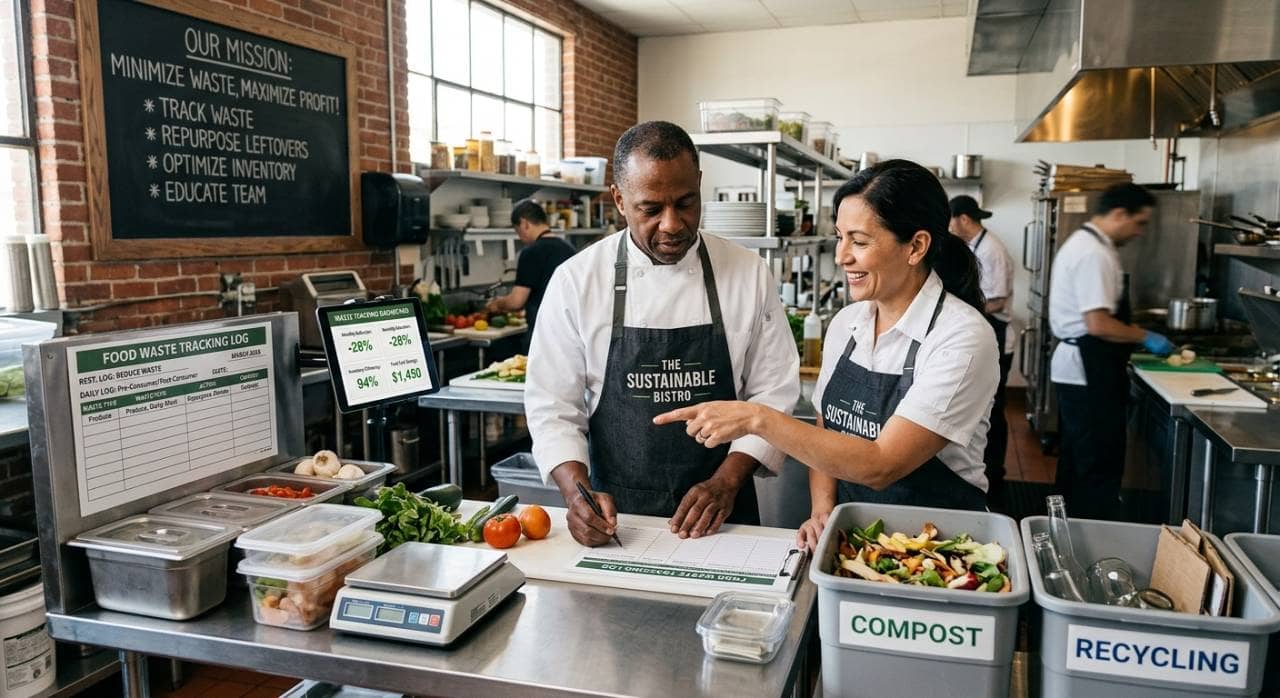
Learn how to reduce food waste in restaurants through smarter purchasing, storage, preparation, and service strategies that cut costs.
Sep 9, 2026
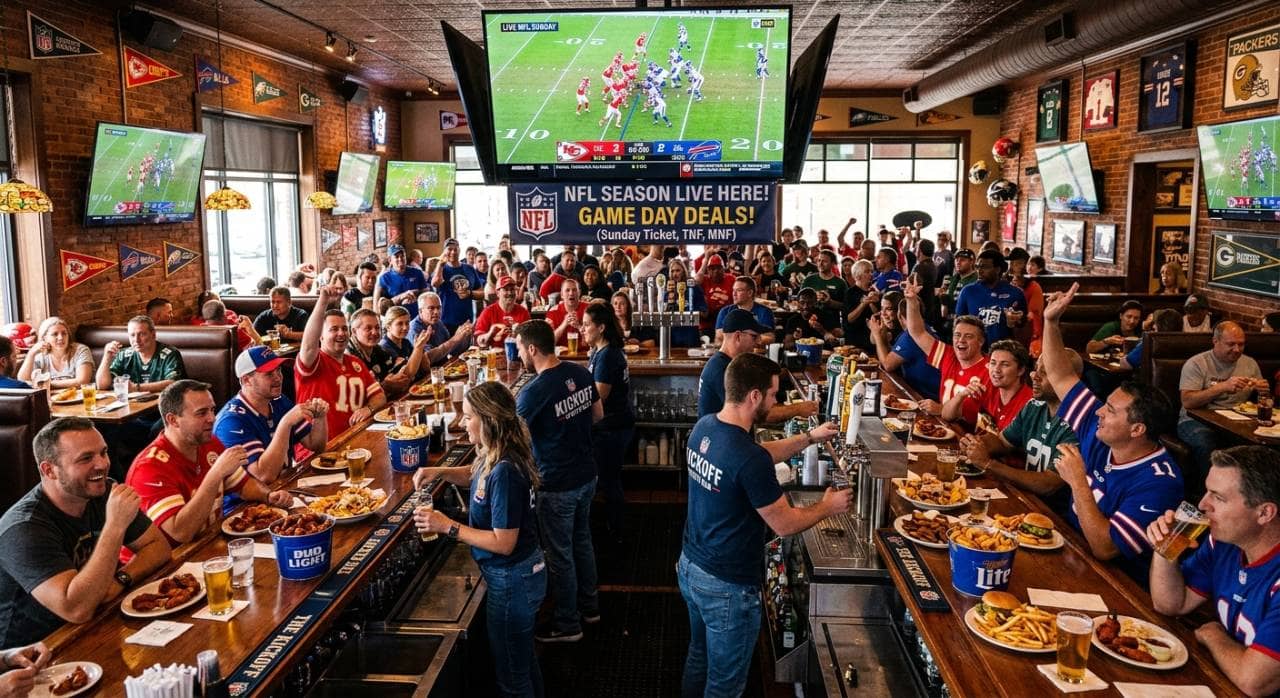
Prepare your restaurant for NFL season with smart menu planning, staffing, marketing, technology, and atmosphere strategies that boost season-long revenue.
Sep 9, 2026
Swig signs franchise agreement for 11 South Denver locations, marking Colorado entry and validating its national expansion strategy.
Sep 8, 2026
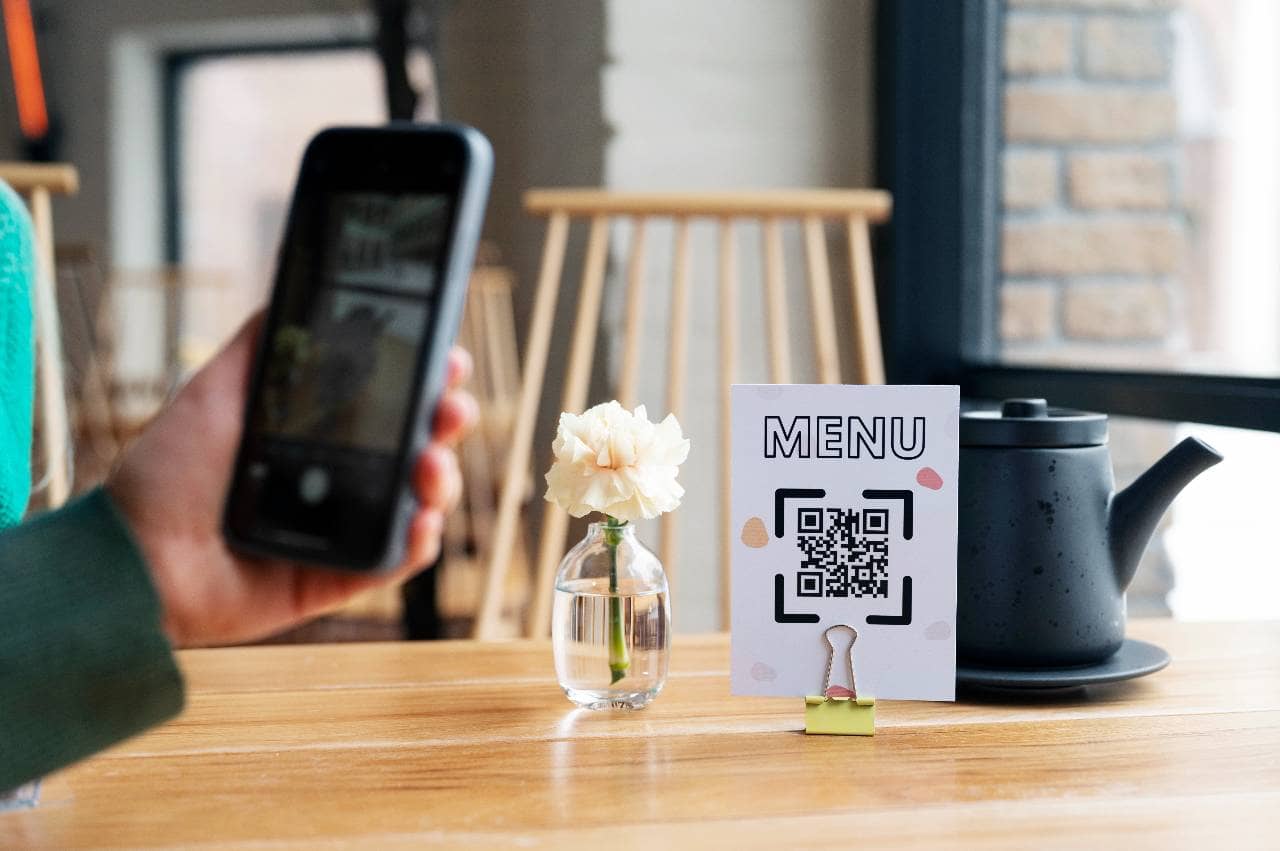
QR code menus let restaurants replace paper menus digitally, enabling instant updates, contactless browsing, ordering, and payment through simple smartphone scanning.
Sep 7, 2026

Complete guide helping restaurant owners choose essential kitchen equipment - covering cooking, refrigeration, prep, sanitation, ventilation, safety, and long-term maintenance planning.
Sep 7, 2026

Avoiding common restaurant payroll mistakes - misclassification, tip credit errors, overtime miscalculations - protects businesses from costly penalties, back pay, and compliance risks.
Sep 4, 2026
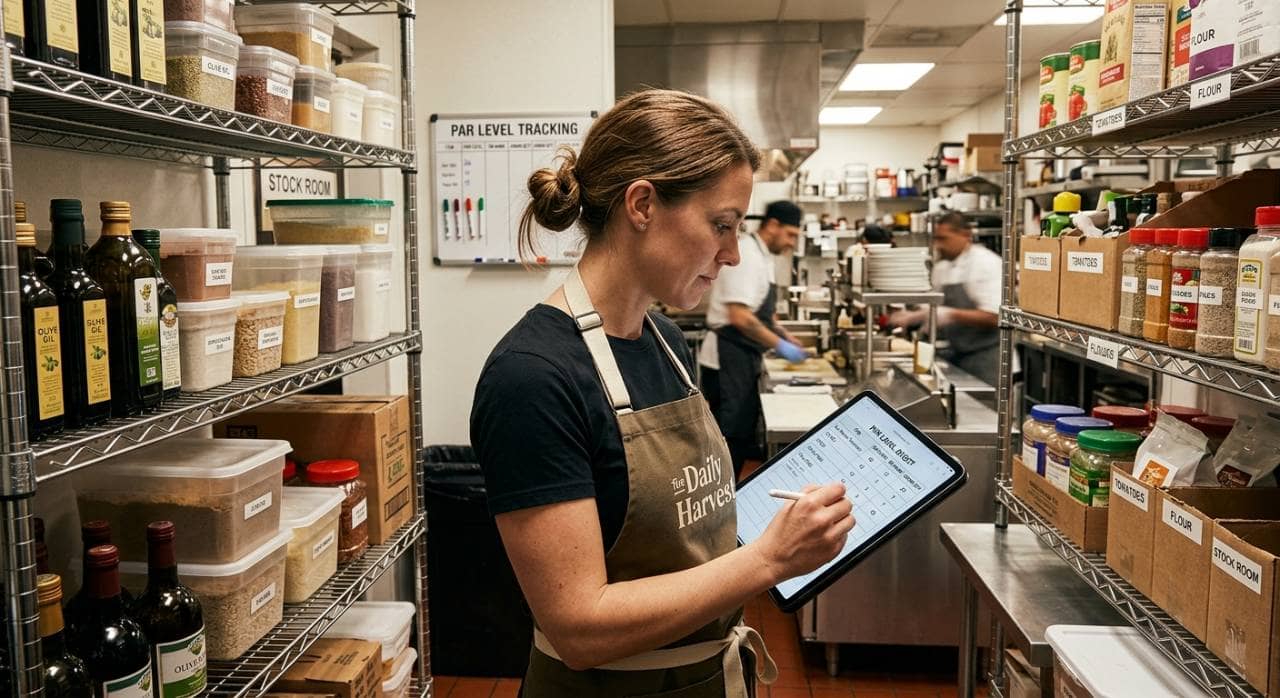
Learn to calculate par levels for restaurant food, beverages, and packaging inventory, preventing stockouts and waste through proper formulas.
Sep 4, 2026
Caribou Coffee appoints Zane Thomas-Rogers as Chief Operations Officer to strengthen execution across its expanding coffeehouse network.
Sep 4, 2026

Compare the top 10 restaurant POS systems in the USA for 2026. Explore features, pricing, pros, cons, and the best POS options for every restaurant type.
Jul 1, 2026

Unlock Exclusive Access To Webinars, Events, And The Latest News For Free!
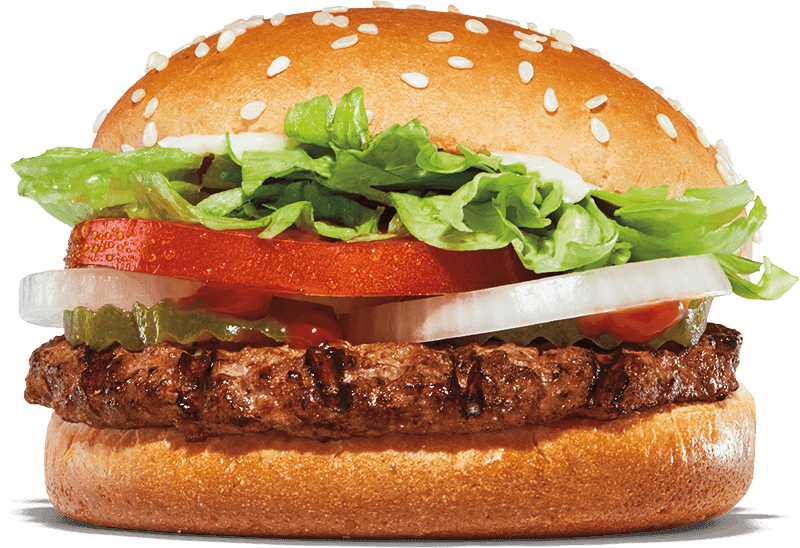
A nationwide E. coli outbreak linked to McDonald's onions reveals how supply chains, recalls, and regulator scrutiny reshape safety and trust in fast food.
From the first whispers to a national moment
From the first whispers of a food-safety concern to a nationwide signal, the McDonald’s onion episode opened a window into how fast-food safety travels in a high-volume environment. By late October 2024, the FDA reported 75 people infected across 13 states, a trajectory that underscored how quickly risk can move when supply chains are stretched. The CDC noted that illnesses continued to rise in the ensuing weeks, reminding us that public-health vigilance remains essential. The multi-agency response zeroed in on the Quarter Pounder’s ingredients, highlighting the delicate balance between menu execution, supplier networks, and consumer trust. And so the investigation began, at the intersection of menu and margin, where a single slip can ripple outward.
What’s at stake goes beyond a single restaurant. The episode invites a thoughtful comparison to historic benchmarks, most notably the 1992–1993 E. coli outbreak that reshaped fast-food safety standards. This time, the focus was onions rather than beef, yet the core lesson remains: a single supply-chain misstep can challenge a national brand’s credibility and prompt regulator scrutiny. The language of safety became the language of the market, as operators, suppliers, and health authorities navigated a complex, high-stakes landscape. The tone was careful, but the message was clear: prevention is a continuous, nourishing practice across every link of the chain.

How investigators traced the path
Behind the scenes, public-health teams pulled at threads across the food chain, blending epidemiology with meticulous traceback work to understand how the outbreak spread. The FDA explains that Taylor Farms initiated a recall of the implicated onions, while McDonald’s halted serving those onions in affected locations as the investigation progressed. Distribution tracing and environmental sampling extended to a Taylor Farms processing center and an onion grower of interest. Although the onions emerged as the most probable vehicle, not every sample matched the outbreak strain, and some tests detected non-O157 STEC. By December 2024, officials noted that the immediate recall actions had reduced risk, though ongoing surveillance and sampling would continue to ensure no residual safety concerns remained.
What the data began to show anchored the narrative in numbers: the outbreak’s footprint widened over weeks as agencies coordinated recalls and supplier actions. The record shows 104 illnesses with 34 hospitalizations and 1 death reported by early December. The traceability work emphasized how a single onion batch could cascade through multiple food-service customers, reminding readers that safety is a system, traceable, auditable, and relentlessly monitored. In that context, surveillance and sampling were not just a response but a strategic posture for the industry.

Prudent guidance from health authorities
Public-health officials consistently urged prudence for anyone experiencing severe symptoms after eating at McDonald’s, emphasizing prompt medical care and reporting. The CDC’s early notice stressed that severe symptoms require care and disclosure of potential exposure to providers. On the business side, the outbreak framed a broader risk to brand reputation and regulatory scrutiny during a multistate event, pushing operators and executives to balance safety with continuity. The public-health narrative underscored responsibility, transparency, and the importance of credible communication in moments of elevated risk.
Industry responses that mattered extended beyond health advisories. Texas Roadhouse’s leadership spoke to the resilience of operations during a period of disruption. 'Our operators continued to drive strong traffic this quarter,' said Jerry Morgan, the company’s CEO, capturing a sentiment about lean inventories and balanced growth. The moment also foreshadowed a longer arc in which brands would weigh expansion against heightened regulatory scrutiny. In the public discourse, safety and trust became co-anchors for the restaurant sector’s next phase.
Gaps and uncertainties
Even as formal actions closed some doors, uncertainties lingered. The FDA’s post-outbreak reporting noted that certain samples tested positive for non-outbreak strains of E. coli, and that some environmental samples did not match the outbreak strain. Those nuances highlight the challenges of pinning transmission pathways in real-world food-safety investigations. The takeaway remains clear: robust traceability, supplier transparency, and cross-agency coordination are essential as the industry prepares for future incidents. Consumers should stay informed about symptoms, while operators strengthen recall protocols and supplier audits to protect public health.
Next steps for safety and trust call for a balanced, thoughtful approach: build diversified sourcing, expand transparent communications with customers and employees, and tighten recall and traceability programs. The path forward is not simply reactive; it’s deliberately preventative, embedding safety into every step of the supply chain so that when tests and audits point to a risk, the system can respond with speed, clarity, and accountability. It’s a discipline of nourishment for public health and for the brands that serve it.
Two parallel trajectories
Taken together, the McDonald’s onion episode and Texas Roadhouse’s growth reveal two concurrent forces shaping the U.S. restaurant landscape: heightened risk management and supply-chain resilience on one hand, and ambitious growth on the other. The outbreak has sharpened regulators’ expectations for traceability, transparency, and rapid response, while brands like Texas Roadhouse show how expansion and consolidation can proceed even as scrutiny evolves. For operators, the lesson is practical and aspirational: invest in safety, diversify sourcing, and communicate with consistency and care. The result is not only compliance but a more balanced, nourishing dining experience for customers and teams alike.
Closing thought, as the industry processes this episode, the emphasis shifts from a singular fix to ongoing, thoughtful stewardship: protect public health, safeguard brand integrity, and design operations that can weather shocks without sacrificing the nourishment and balance that guests expect.
