
California Penalizes Dickey's for Franchise Disclosure Violations
California shifts to public enforcement strategy against Dickey's for deceptive franchise disclosures, signaling stricter state-level franchise oversight.
Franchising
Sep 10, 2026
California shifts to public enforcement strategy against Dickey's for deceptive franchise disclosures, signaling stricter state-level franchise oversight.
Sep 10, 2026
Paul Brown temporarily steps away from Inspire Brands as Scott Murphy assumes interim CEO role during confidential IPO filing process targeting late 2026.
Sep 10, 2026
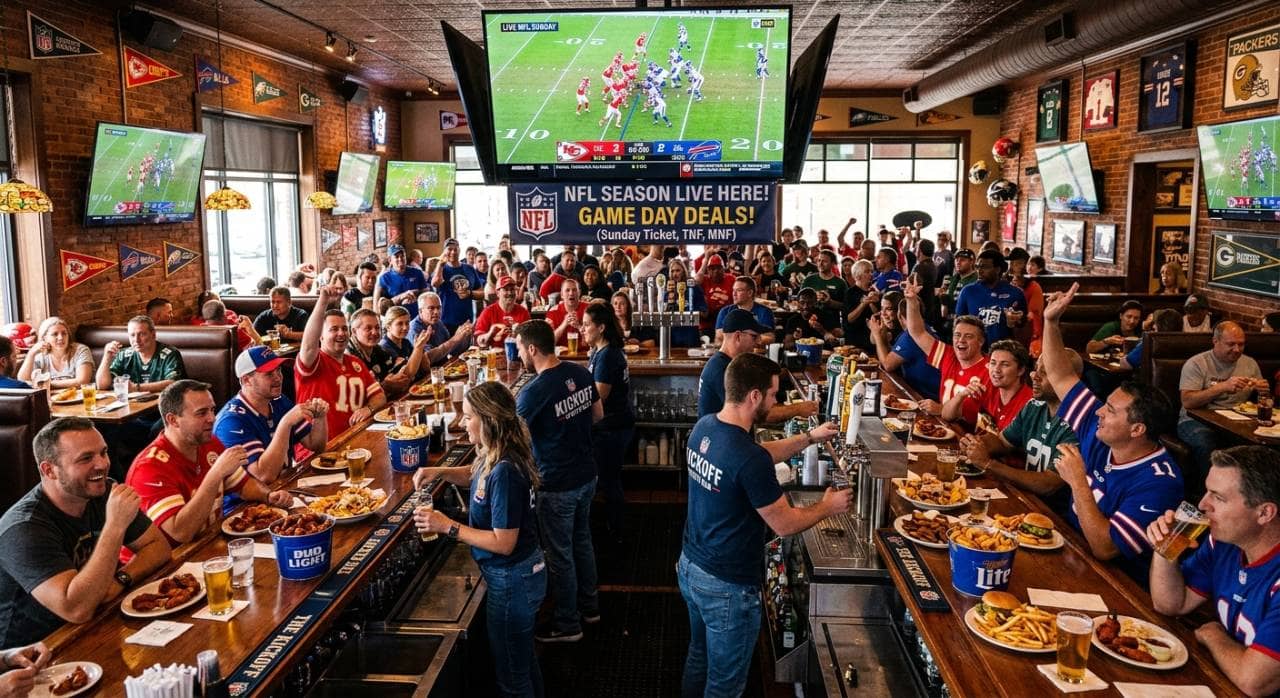
Prepare your restaurant for NFL season with smart menu planning, staffing, marketing, technology, and atmosphere strategies that boost season-long revenue.
Sep 9, 2026
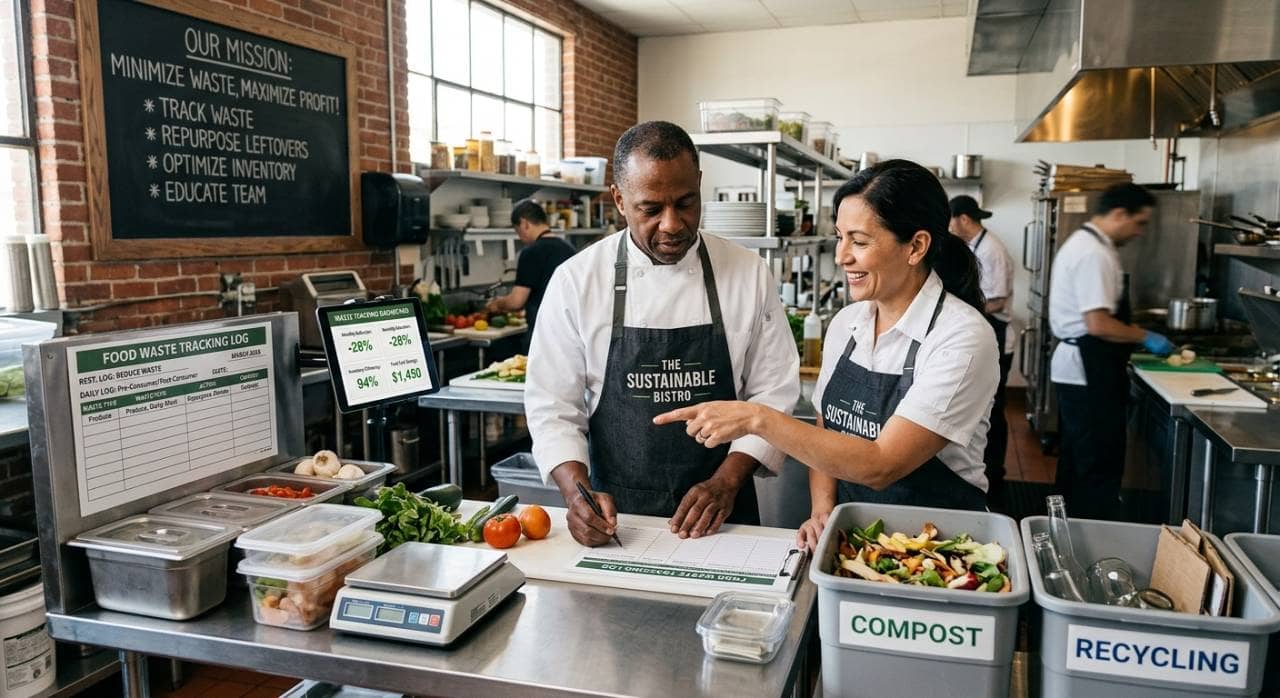
Learn how to reduce food waste in restaurants through smarter purchasing, storage, preparation, and service strategies that cut costs.
Sep 9, 2026
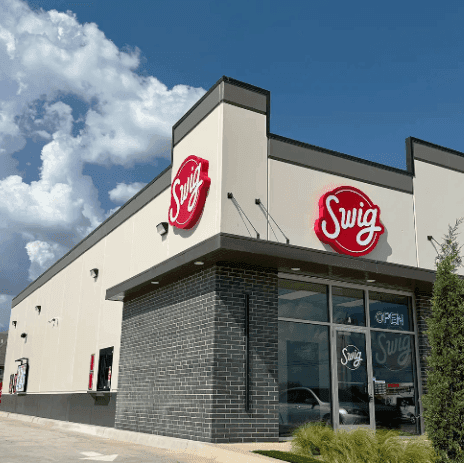
Swig signs franchise agreement for 11 South Denver locations, marking Colorado entry and validating its national expansion strategy.
Sep 8, 2026

QR code menus let restaurants replace paper menus digitally, enabling instant updates, contactless browsing, ordering, and payment through simple smartphone scanning.
Sep 7, 2026

Complete guide helping restaurant owners choose essential kitchen equipment - covering cooking, refrigeration, prep, sanitation, ventilation, safety, and long-term maintenance planning.
Sep 7, 2026

Avoiding common restaurant payroll mistakes - misclassification, tip credit errors, overtime miscalculations - protects businesses from costly penalties, back pay, and compliance risks.
Sep 4, 2026
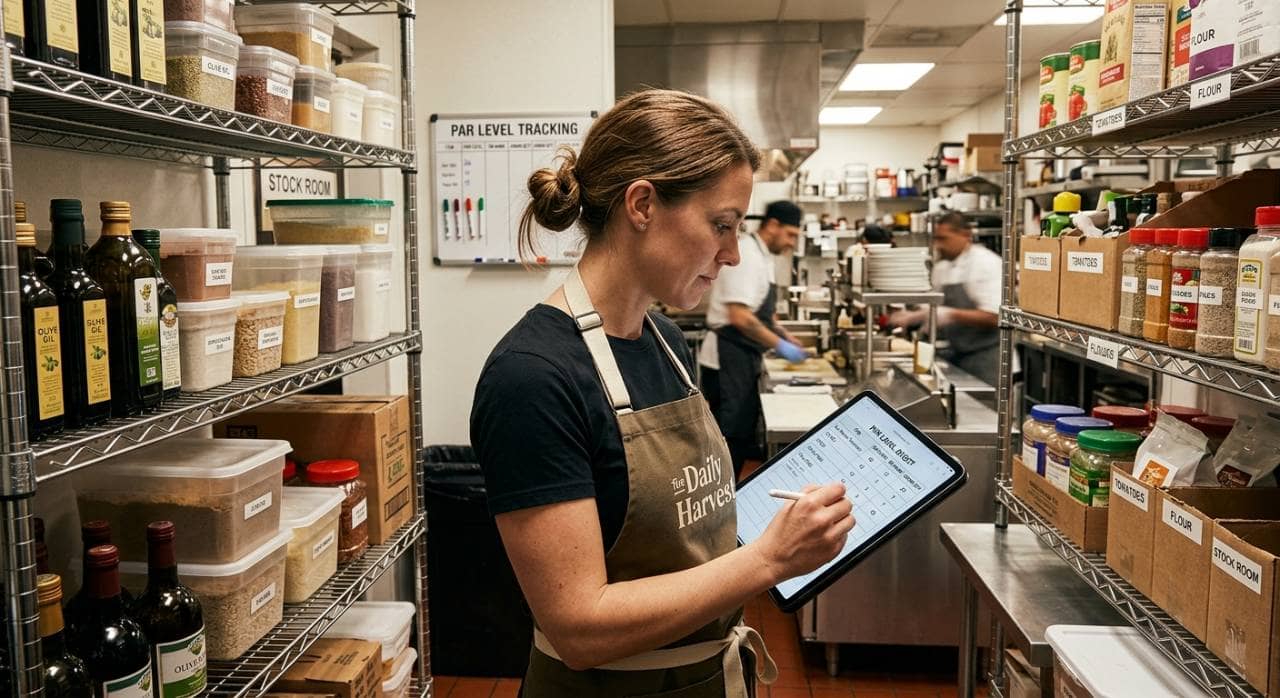
Learn to calculate par levels for restaurant food, beverages, and packaging inventory, preventing stockouts and waste through proper formulas.
Sep 4, 2026
Caribou Coffee appoints Zane Thomas-Rogers as Chief Operations Officer to strengthen execution across its expanding coffeehouse network.
Sep 4, 2026

Unlock Exclusive Access To Webinars, Events, And The Latest News For Free!
RBI’s disciplined growth strategy drives Popeyes’ international expansion, with China, digital channels, and scalable playbooks at the core.
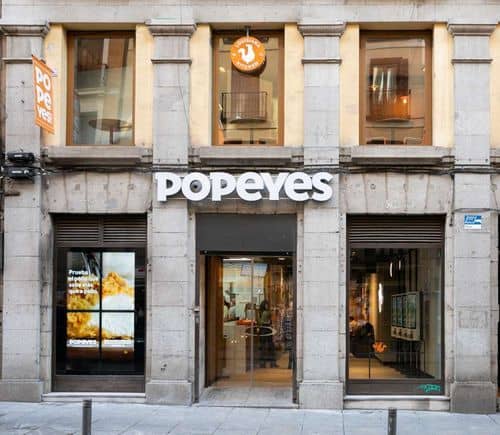
Popeyes growth under Restaurant Brands International unfolds as a study in disciplined audacity. By the second quarter, the international footprint nears 1,300 outlets, 1,298, up from 975 in the prior year, while RBI’s broader ledger lists 1,459 international restaurants and 3,520 U.S./Canada units across 47 countries. These figures are not mere tallies; they map a durable growth engine entrusted to multi-market execution. The canvas broadens with every new market, yet the frame remains conservative: expand with capital, but only where the math and local partnerships align. The China chapter stands as the most deliberate, ambitious line in this ledger: a long horizon, a careful hand:
To translate ambition into repeatable outcomes, RBI deploys a scalable playbook. The Easy to Run kitchen model, together with digital enhancements, has begun to compress drive times and improve order accuracy, roughly 50 kitchens have already been converted, signaling early momentum toward consistent unit economics across markets. In China, the company paid $15 million to acquire Popeyes China, building a local development engine and a pipeline that will eventually glide toward a master-partner arrangement once the market proves itself. As one executive cautioned, “the shift is just for us to take it on and make sure it has the capital and the support it needs to realize its full potential,” a sentiment that frames expansion as incremental, not abrupt.
Strategic decisions energize Popeyes’ international trajectory. The push rests on a triad of ambition: aggressive store development in high-potential markets, standardized operating systems that keep every outlet singing the same tune, and a robust franchised network that can scale with discipline. In RBI’s dialogue, Spain, the U.K., and India have reached meaningful scale and are driving ongoing development activity, while the China initiative adds a longer horizon through a dedicated local structure. The aim is steady net restaurant growth under a capital-allocation framework that serves multiple brands, with Popeyes as a principal engine of long-run profitability.
In this architecture, the China plan begins with a local team and pipeline, then transitions to a master-franchise model once the brand is embedded. The execution framework is described as scalable and adaptable to various markets, aligning capital with local opportunities. Public updates emphasize that the China move is about building the pipeline and capabilities, not a wholesale repositioning. With digital channels, careful unit economics, and a replicable format, RBI hopes to deploy this playbook across markets as conditions permit.

Inside RBI, the mood around expansion is buoyant but tempered. The CEO’s remarks reflect confidence in ongoing opportunities across markets where Popeyes is already established, while acknowledging there is still work to do. On the Wings platform, returning guests offer solid support, yet executives concede that wings have not delivered a meaningful surge in new customers. The portrait is nuanced: existing fans respond with enthusiasm, and growth will hinge on translating that enthusiasm into broader, cross-market appeal.
The pace of expansion is inseparable from consumer taste and competitive dynamics, and leadership signals a measured but ambitious approach. The team will pursue product innovation and geographic diversification while monitoring evolving preferences and regulatory realities. Taken together, the dialogue points toward turning early wins into durable, long‑term growth, even as the landscape remains crowded.

Financially, RBI frames Popeyes as a durable growth platform, balancing ambition with capital discipline. The group targets more than 4,000 Popeyes restaurants in the U.S. and Canada by 2028, anchoring the domestic engine even as international expansion accelerates. The 2025 outlook reinforces continued net restaurant growth, supported by improved unit economics and a push to raise profitability for U.S. franchisees toward a benchmark around $300,000 per unit. Digital sales are expected to remain a meaningful contributor to total performance, while RBI signals a substantial capital return, about $1.6 billion in 2026.
Viewed in the broader frame, Popeyes’ contribution to RBI’s results reinforces its position as a high-growth unit within a multi-brand portfolio. The 2024 data reinforce the message: international expansion is a deliberate engine for long-term profitability, backed by a playbook of scalable formats, digital commerce, and capital discipline that RBI continues to refine and deploy.
Yet the horizon is not uncluttered. RBI’s disclosures flag macro-economic conditions, currency fluctuations, franchisee relationships, supply chain stability, and regulatory environments as factors that can influence performance across markets. The China chapter, in particular, tests timing, local partnerships, and execution capacity, making pace contingent on local realities. In short, while the model remains scalable, growth is tempered by the inherent uncertainties of operating across dozens of countries.
Ultimately, the Popeyes narrative becomes a case study in disciplined expansion: geographic diversification paired with domestic momentum, a playbook that adapts to conditions and a capital plan that preserves optionality for the long run. If RBI can cultivate strong local leadership and robust development pipelines, Popeyes may redefine its global footprint while preserving the art of restraint that marks fine dining.
