
California Penalizes Dickey's for Franchise Disclosure Violations
California shifts to public enforcement strategy against Dickey's for deceptive franchise disclosures, signaling stricter state-level franchise oversight.
Franchising
Sep 10, 2026
California shifts to public enforcement strategy against Dickey's for deceptive franchise disclosures, signaling stricter state-level franchise oversight.
Sep 10, 2026
Paul Brown temporarily steps away from Inspire Brands as Scott Murphy assumes interim CEO role during confidential IPO filing process targeting late 2026.
Sep 10, 2026
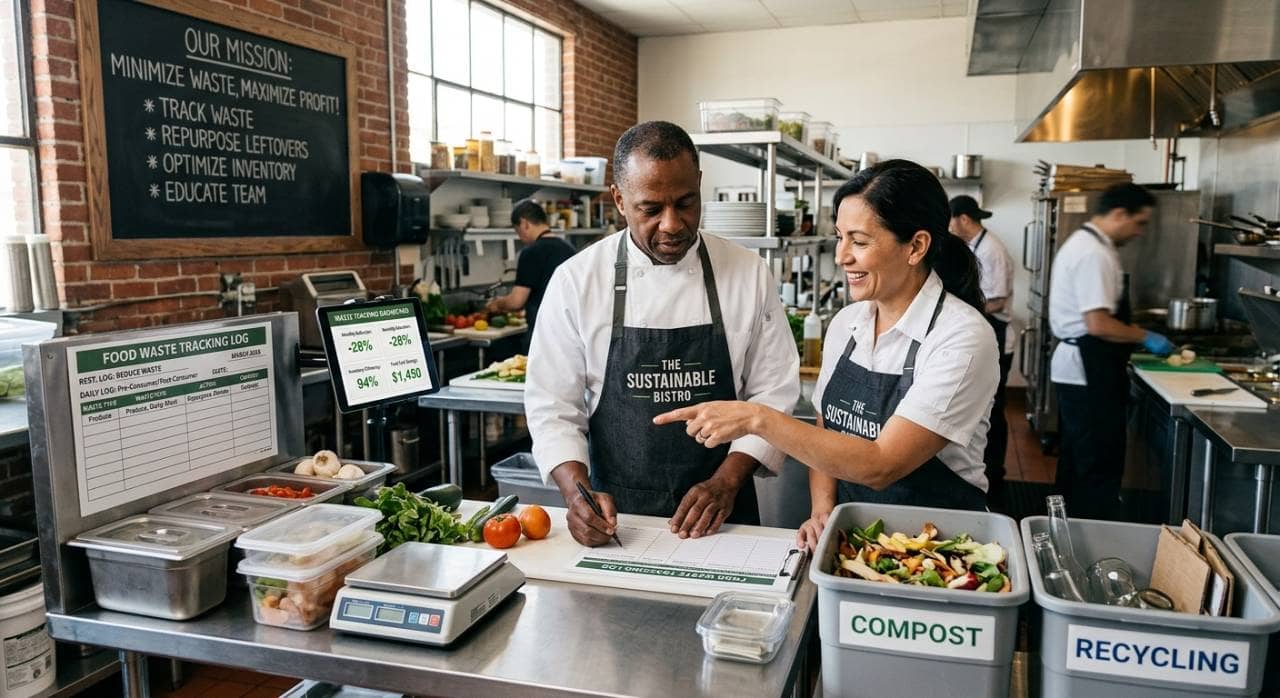
Learn how to reduce food waste in restaurants through smarter purchasing, storage, preparation, and service strategies that cut costs.
Sep 9, 2026
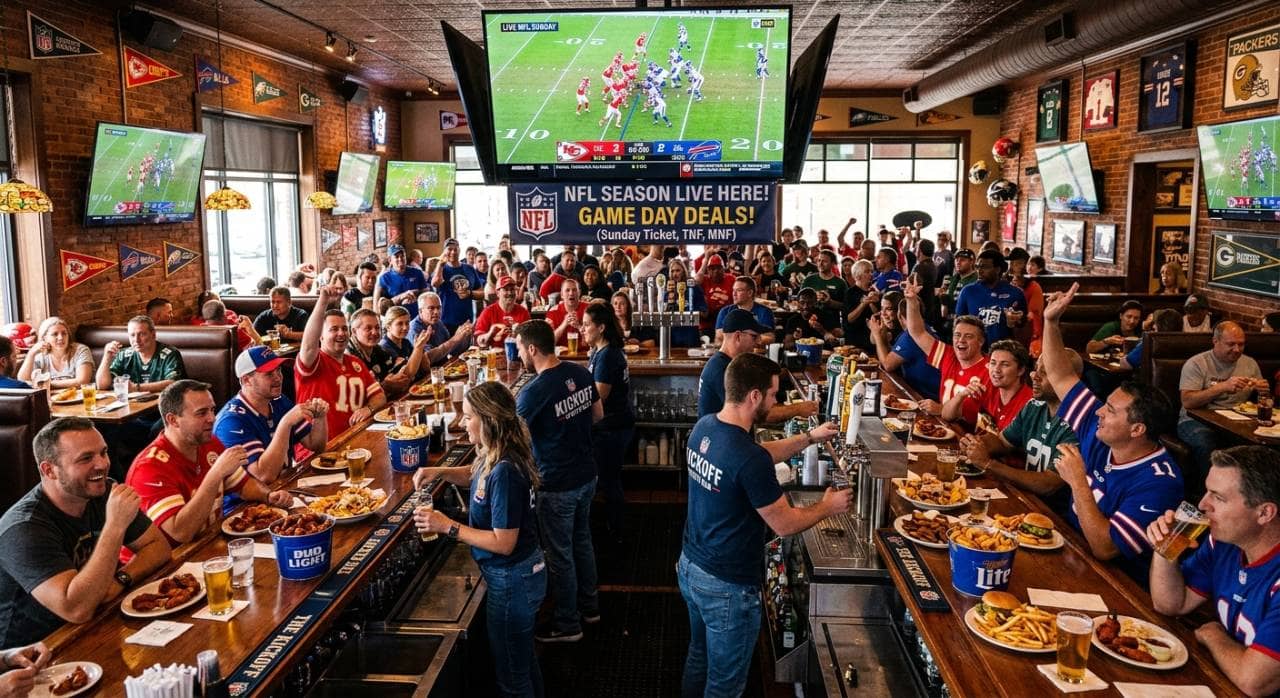
Prepare your restaurant for NFL season with smart menu planning, staffing, marketing, technology, and atmosphere strategies that boost season-long revenue.
Sep 9, 2026
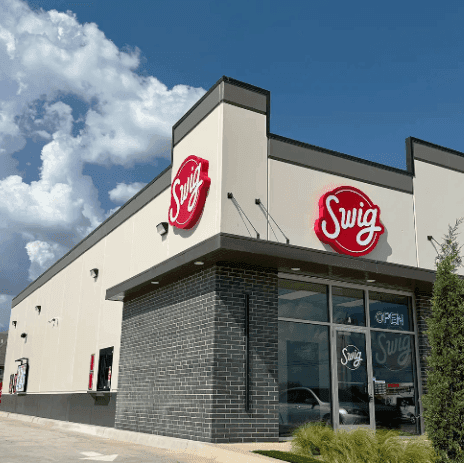
Swig signs franchise agreement for 11 South Denver locations, marking Colorado entry and validating its national expansion strategy.
Sep 8, 2026

Complete guide helping restaurant owners choose essential kitchen equipment - covering cooking, refrigeration, prep, sanitation, ventilation, safety, and long-term maintenance planning.
Sep 7, 2026
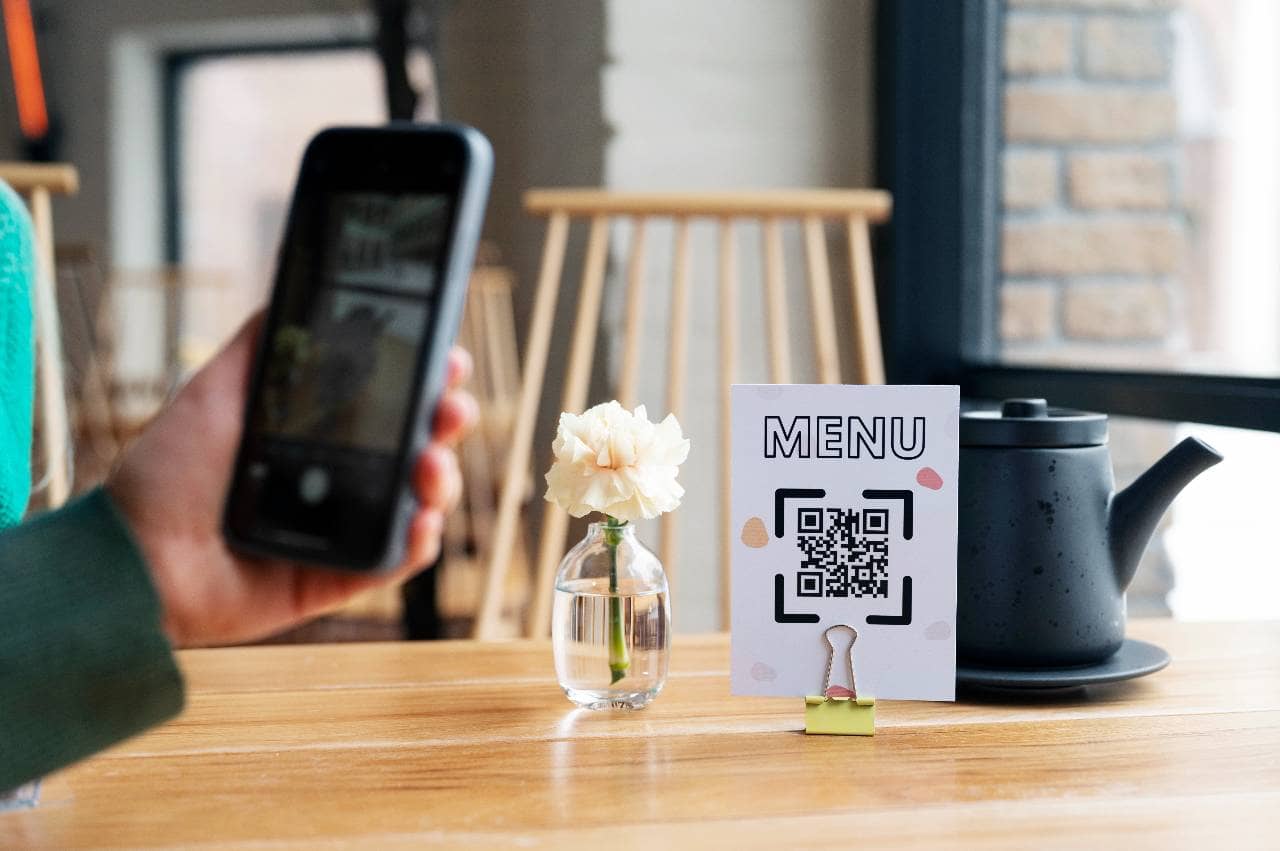
QR code menus let restaurants replace paper menus digitally, enabling instant updates, contactless browsing, ordering, and payment through simple smartphone scanning.
Sep 7, 2026

Avoiding common restaurant payroll mistakes - misclassification, tip credit errors, overtime miscalculations - protects businesses from costly penalties, back pay, and compliance risks.
Sep 4, 2026
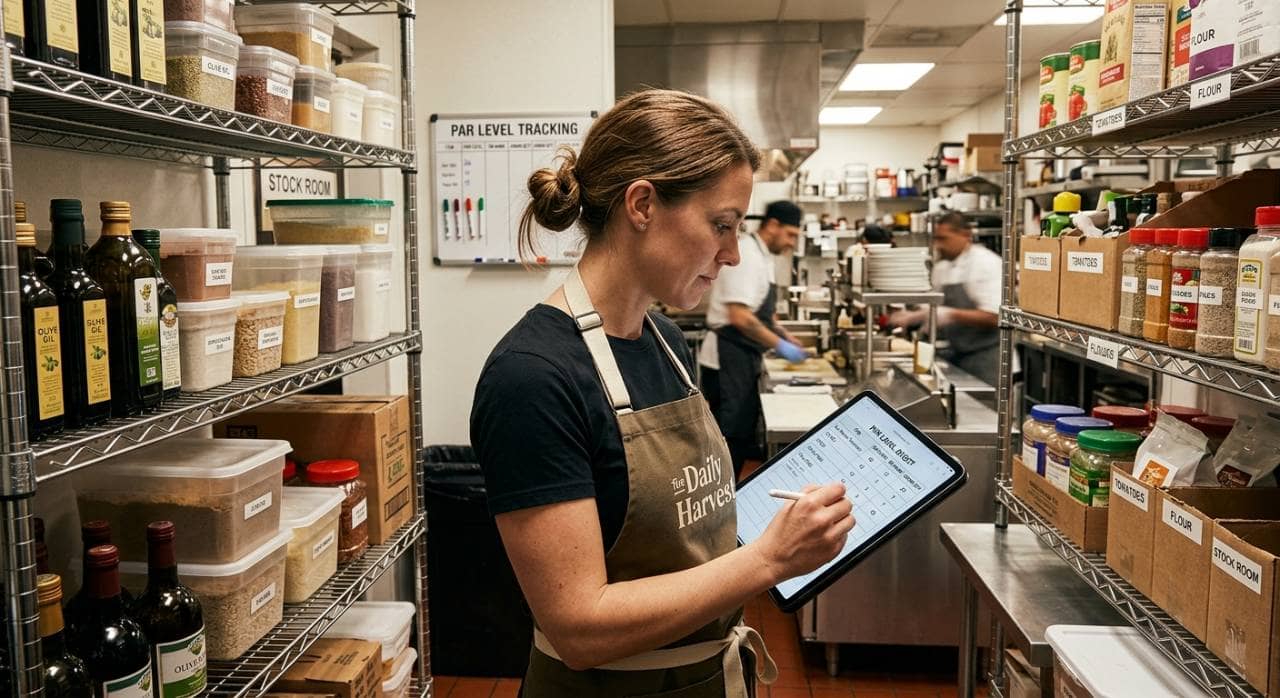
Learn to calculate par levels for restaurant food, beverages, and packaging inventory, preventing stockouts and waste through proper formulas.
Sep 4, 2026
Caribou Coffee appoints Zane Thomas-Rogers as Chief Operations Officer to strengthen execution across its expanding coffeehouse network.
Sep 4, 2026

Unlock Exclusive Access To Webinars, Events, And The Latest News For Free!
Fortress-backed plan moves Red Lobster from Chapter 11 to a relaunch, with $60M in funding, leadership shifts, and a sharpened growth path.
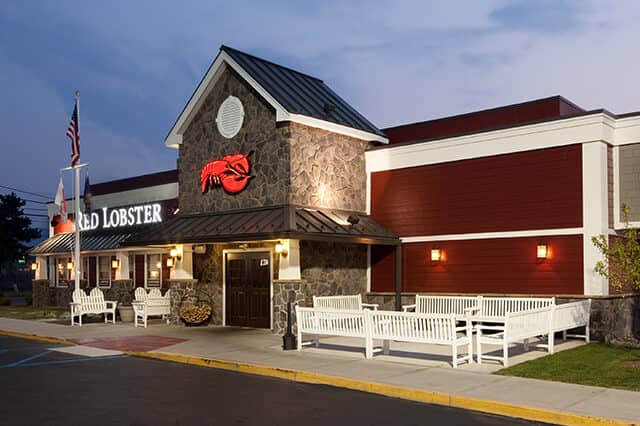
Red Lobster is stepping into a carefully choreographed relaunch from Chapter 11 protections, signaling a deliberate recalibration of pace, places, and promise. The plan pairs RL Investor Holdings LLC with Fortress Investment Group's restructuring approach to stabilize the brand, realign resources, and position growth on a clearer footing. The core aim is to preserve what guests value while sharpening capital, real estate, and store operations for a broader, more consistent guest experience. With more than 30,000 team members across the USA and Canada and hundreds of restaurants in its footprint, the countdown to a September close marks a turning point for an iconic seafood brand.
At the heart of the plan is a capital refresh: more than $60 million earmarked for brand updates, kitchen and dining-room improvements, and long-term efficiency gains to lift every guest touchpoint. The leadership shift is integral to the relaunch, with Damola Adamolekun set to become CEO once the sale closes, replacing Jonathan Tibus, a veteran in restructuring. This coalition, RL Investor Holdings LLC, Fortress Investment Group, and private-credit partners TCW Private Credit and Blue Torch Capital, is anchored by Fortress’s hospitality experience through SPB Hospitality. The aim is a creditor-led exit that preserves the core brand while aligning capital, real estate, and operations with a focused growth plan.
From the boardroom comes a quiet confidence: this restructuring is a reset that balances stewardship with ambition. The leadership team speaks of stability as a platform for measured growth, insisting the workforce and long-standing guest rituals remain central to the brand's future. In a business of promises and numbers, the tone here is one of renewal as much as cautious recalibration, signaling that the next phase will be guided by continuity as much as change.
"This is a great day for Red Lobster. With our new backers, we have a comprehensive and long-term investment plan – including a commitment of more than $60 million in new funding – that will help to reinvigorate the iconic brand while keeping the best of its history." said Damola Adamolekun, described as the incoming CEO, as he tied the relaunch to the more-than-30,000-strong workforce across the USA and Canada. He also welcomed former leader Jonathan Tibus as a frequent Red Lobster guest, signaling a seamless transition and ongoing collaboration in the early stages of relaunch.
RL Investor Holdings LLC, formed to buy Red Lobster, brings Fortress’s restructuring muscle together with private-credit backers TCW Private Credit and Blue Torch Capital. Fortress has a hospitality playbook through SPB Hospitality, signaling a deliberate thesis to leverage scale, brand equity, and disciplined operations in Red Lobster’s revival. As part of the revitalization, the coalition has committed more than $60 million in new funding earmarked for brand refreshes and long-term improvements, underscoring a strategy to reinvest in product quality, guest experience, and store-level efficiency. The leadership transition is integral to the plan, with Damola Adamolekun slated to assume the CEO role once the sale closes, replacing Jonathan Tibus.
Key structural questions persist about Thai Union's ongoing role and the precise operating dynamics of the new ownership. While the creditor-led plan envisions a clean exit with Fortress and allied funds guiding the relaunch, multiple sources indicate Thai Union’s historical influence on supply and promotions remains a topic of debate in bankruptcy filings and subsequent disclosures. The evolving ownership relationships could have cascading effects on supplier contracts, pricing, and guest value. Execution will hinge on product quality, labor stability, and supply-chain reliability across hundreds of locations.

The exit from Chapter 11 marks a crucial milestone in Red Lobster’s corporate narrative. Court approval of the plan and the imminent sale to RL Investor Holdings LLC are framed as steps toward stabilization and growth. The plan contemplates transitioning from bankruptcy protections to an independent, privately held relaunch under Fortress-backed leadership, with a close anticipated by September 2024. The restructuring also involved a contraction of the restaurant base, from 649 locations in 2023 to roughly 544 locations operating across 44 states and four Canadian provinces.
Operational impacts follow the financial pivot: analysts point to renewed funding and governance as levers for better franchise relations, stronger supply-chain resilience, and fresh menu innovation. A leaner footprint and sharper execution across kitchens, dining rooms, and digital engagement are anticipated as the plan moves from courtroom to restaurant floors.

Red Lobster’s turnaround sits within a broader pattern of private-equity sponsorship and portfolio consolidation in casual dining. Fortress’s involvement in SPB Hospitality and related brands provides a blueprint for leveraging cross-brand efficiencies, real estate strategy, and access to capital markets in mid-market restaurant turnarounds. The exit reflects a wave of restructurings where creditor coalitions coordinated with management to reorganize debt, recalibrate footprints, and rebrand experiences for a wider guest base.
Market outlook suggests that the coalition’s emphasis on a refreshed investment plan and strengthened store operations could position Red Lobster to compete more effectively with other seafood-focused and broad-appeal chains in a post-pandemic, inflation-pressured environment. The path forward rests on execution, supplier partnerships, and a balanced, nourishing dining narrative that still honors the brand’s heritage while embracing digital engagement.
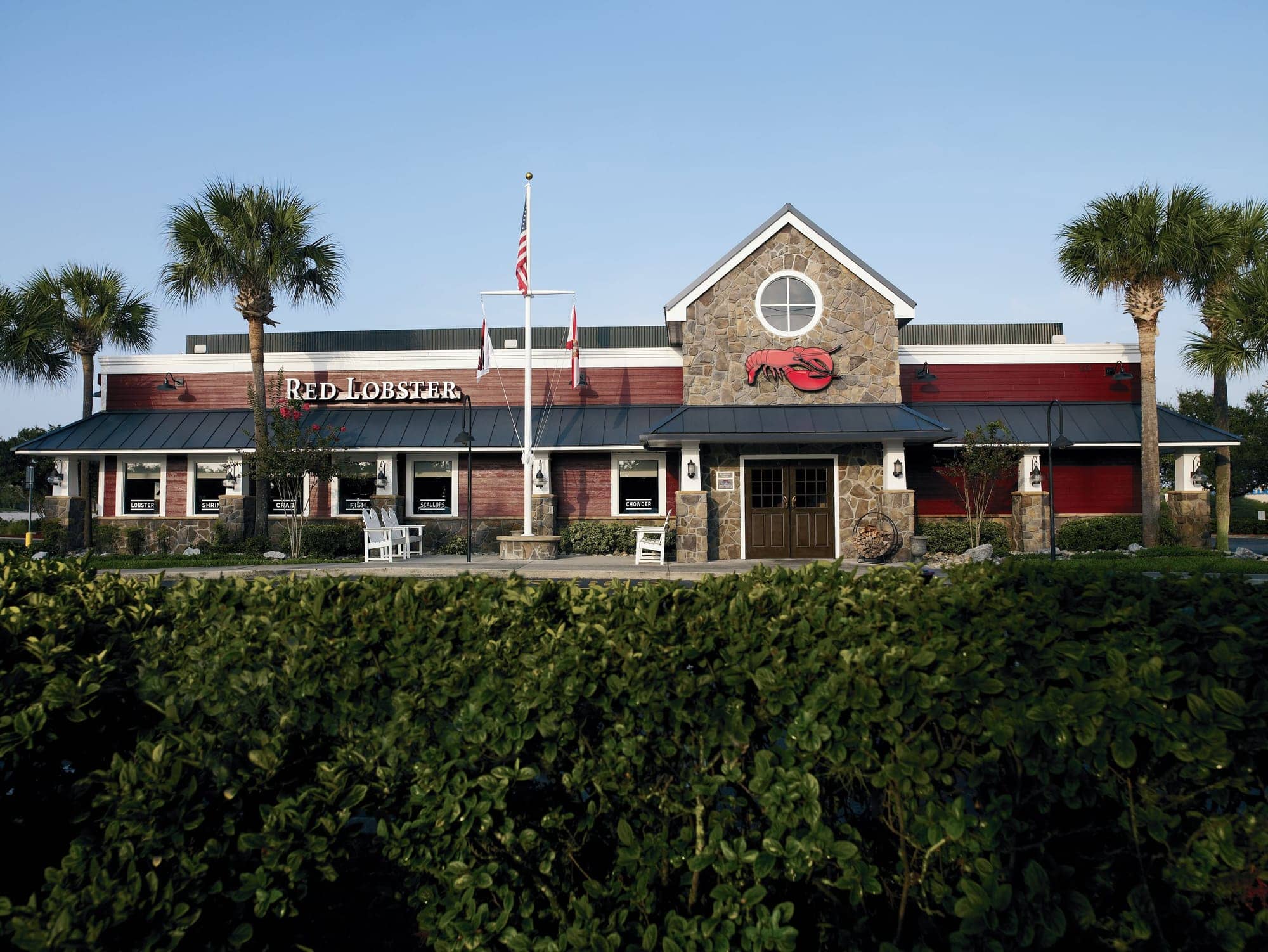
For guests and the communities Red Lobster serves, the restructuring signals a recommitment to the brand’s legacy, cheddar biscuits, seafood platforms, and a value-oriented dining experience, augmented by modern investment in restaurants and people. The plan envisions rebuilt kitchens, refreshed dining rooms, improved guest service, and stronger digital engagement as Fortress-backed leadership guides the next phase. The result may be a leaner footprint and a sharper guest-value story across hundreds of locations.
What to watch as the chain repositions itself under Fortress-backed ownership is whether the relaunch translates into sustainable growth, a stronger public image for an enduring American icon, and a credible path to balanced, nourishing dining that remains mindful of guests and communities.
