Pei Wei Wins Best Fast-Casual Chain Award
Pei Wei Asian Kitchen named Best Fast-Casual Chain in Reviewed 2026 Awards, reflecting shift from price competition to quality and transparency.
News
Sep 11, 2026
Pei Wei Asian Kitchen named Best Fast-Casual Chain in Reviewed 2026 Awards, reflecting shift from price competition to quality and transparency.
Sep 11, 2026

O'Charley's shuttered all corporate restaurants nationwide on September 9, 2026, ending its 55-year legacy as a casual-dining regional powerhouse.
Sep 11, 2026
Authentic Restaurant Brands lands $325M investment from Trimontium to fuel disciplined regional expansion across five established restaurant concepts.
Sep 11, 2026

Walmart expands restaurant delivery beyond Subway and Dunkin', taking on DoorDash, Uber Eats, and Grubhub with Papa Johns nationwide rollout.
Sep 11, 2026

Complete NFL season restaurant checklist covering licensing, AV setup, menu prep, inventory, staffing, and marketing before kickoff arrives.
Sep 11, 2026

California shifts to public enforcement strategy against Dickey's for deceptive franchise disclosures, signaling stricter state-level franchise oversight.
Sep 10, 2026
Paul Brown temporarily steps away from Inspire Brands as Scott Murphy assumes interim CEO role during confidential IPO filing process targeting late 2026.
Sep 10, 2026
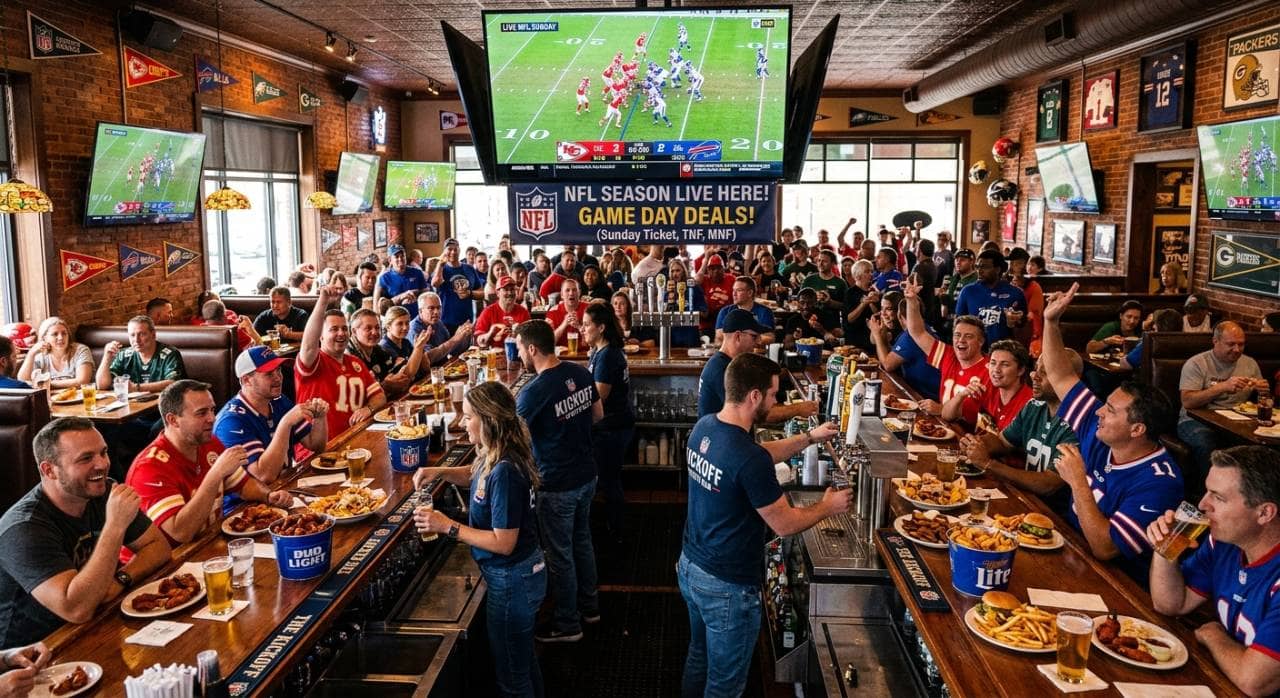
Prepare your restaurant for NFL season with smart menu planning, staffing, marketing, technology, and atmosphere strategies that boost season-long revenue.
Sep 9, 2026
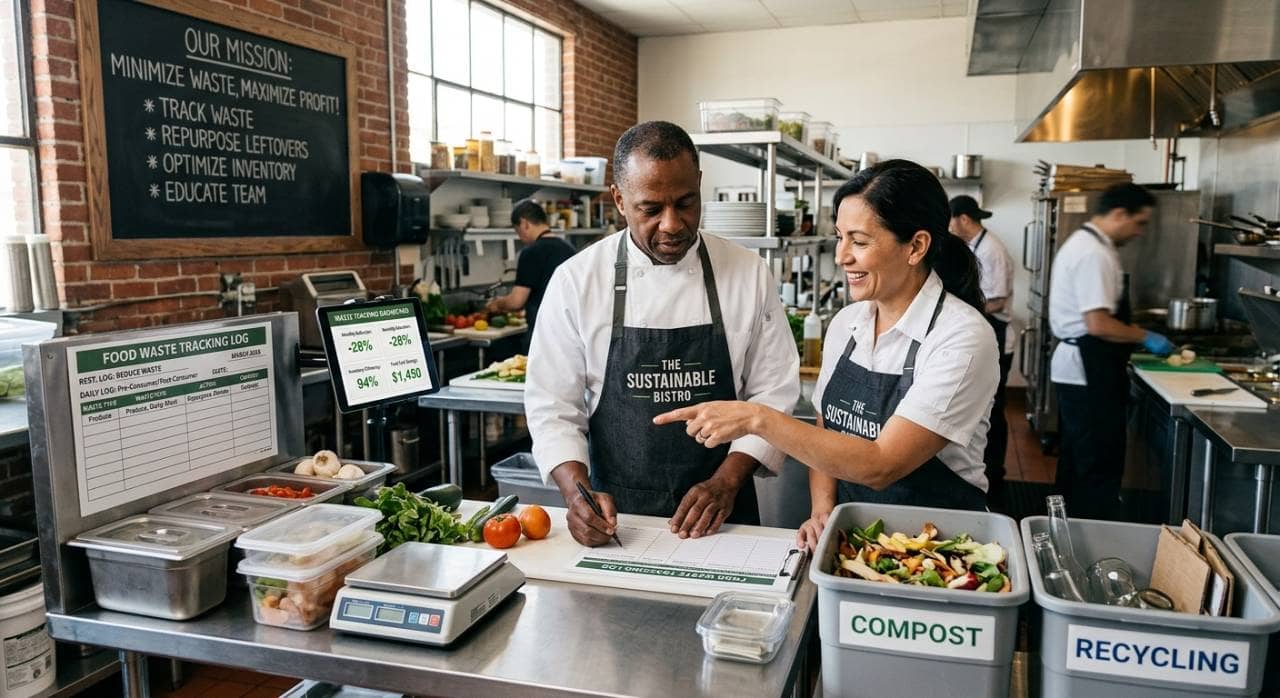
Learn how to reduce food waste in restaurants through smarter purchasing, storage, preparation, and service strategies that cut costs.
Sep 9, 2026
Swig signs franchise agreement for 11 South Denver locations, marking Colorado entry and validating its national expansion strategy.
Sep 8, 2026

Unlock Exclusive Access To Webinars, Events, And The Latest News For Free!
One must have a superior understanding of food safety regulations. This article will cover 10 of the most important food safety regulations to know if you are currently working in the food industry.
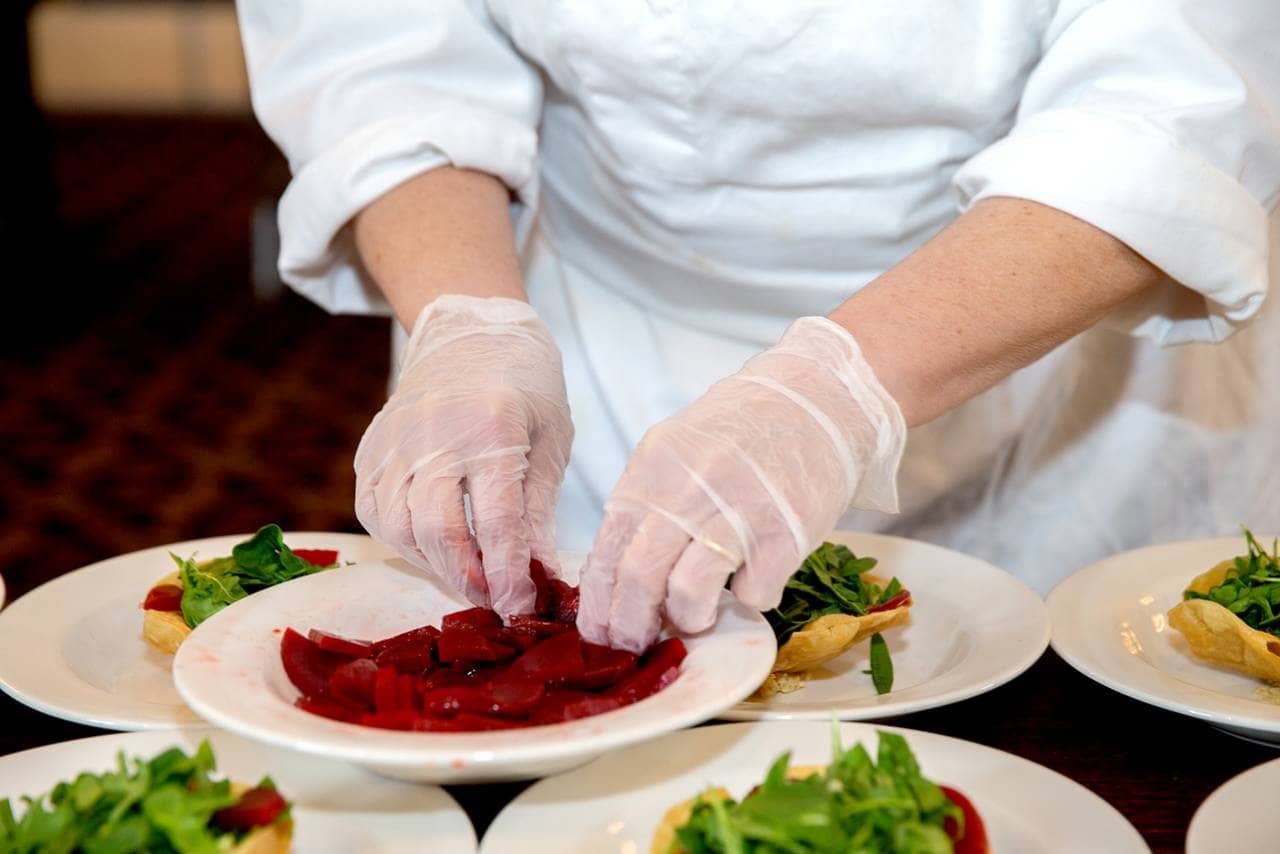
Food safety is a vast topic. From growing fresh produce to food processing, cooking, and serving to the customers, food handlers have to maintain extreme caution. To ensure safety standards are followed at every stage of the food supply chain, the United States has set up multiple departments and organizations. For instance, the United States Food and Drug Administration monitors tobacco products, dietary supplements, medicines, and drugs as part of its aim to promote and protect public health. Food Safety Modernization Act authorizes the United States Food and Drug Administration to regulate the way food, fruits vegetables, and cereals are grown, harvested, and processed. Food Safety Modernization Act (FSMA) came into existence after millions of cases of foodborne disease were reported in early 2000s. Similarly, United States Department Agriculture is responsible for monitoring food , agriculture and nutrition. It formulates and issues guidelines on food safety and quality. It ensures meat and poultry products are safe to consume and properly labeled. The main aim of the Centers for Disease Control and Prevention (CDC) is to create awareness regarding the ideal way of handling food products . It issues advisories on safe food cooking and storing temperatures, food handling to prevent foodborne illness and promote public health . The United States has its food code that mentions the standards related to food preparation, packaging and preserving. The US FDA has also come up with a food safety management system Hazard Analysis Critical Control to analyze the possibilities of food safety hazards and suggests preventive steps. All of these departments make sure that the wholesale and retail food sellers , restaurant owners and farmers abide by the federal regulations and food protection laws to nurture public health .
Cooking food at the right temperature is the first rule of the food safety system . The right cooking temperature kills even the most poisonous bacteria in the food products , preventing any foodborne illness . The Centres for Disease Control and Prevention has listed temperature range for different food products . For instance, it advises to cook ham at 145 Fahrenheit, while for ground meat it states 145 as the ideal temperature. While microwaving cooking is easier, if not paid attention it can serve you partially cooked food. Chop thicker or larger food products like meat and poultry into even pieces before placing in the microwave. This will ensure the food is properly cooked.
Apart from various state and local health associations in the United States, World Health Organisation (WHO) has regularly emphasized on handwashing. Wash your hands before you start cooking. Sanitise your hands after handling non vegetarian food products like meat poultry so to avoid cross contamination. Similarly, people working in farms should adopt the practice of handwashing right after handling animal feed . Wash all dishes with hot soapy water to make them bacteria free. Then, rinse them with clean water and air dry them before you place them in cupboards. Put the grill plates in vinegar or ammonia solution for deep cleaning. Regularly clean your microwave , mixers, coffee makers and refrigerators as it reduces the possibility of cross communication.
A restaurant interacts with several people on a daily basis, from its guests to employees, delivery personnel and the people involved in food supply . Thus, it becomes important to set some ground rules as part of food safety system . Make masks mandatory in the COVID era. Make sure your chefs, waiters other staff wear masks when they are in the kitchen or serving customers to ensure food protection . Similarly, ask your guests and delivery personnel to use one! Make smoking a no tolerance policy' in the kitchen. Ask your food handling staff to go outside for a smoke. Ask your chefs and other kitchen staff to always keep their head caps on, because you wouldn't like a customer complaining about hair in their food. This is a violation of food safety standards .
A store room for keeping for raw materials and food products like grains and cereals is a must to have in any food establishment. If dealing primarily in frozen foods, then it is important to have a properly designed cold storage that meets your business needs. Like we said, water keeps the kitchen running. So, check if there is a smooth connection of potable water. Also, while designing your restaurant kitchen, take care of floor drains and are sewage disposal necessities.
All staff involved in handling food products should have COVID vaccine certification. This is the primary step towards food protection and Food Safety in these COVID times. Ask your staff to wear hand gloves, face shields and kitchen caps while in the kitchen to ensure
If any worker involved in preparation , packaging or handling food products, suffer from communicable disease, give them an off. Or else, it can hamper your Food Safety .