What Your Website Should Do
A restaurant website is not just a place to "have your business online." It should help customers quickly understand who you are, what you serve, and how to order, book, or visit. In simple terms, your website should make it easy for people to choose your restaurant.
Many restaurant owners think of a website as an online brochure. It can do much more than that. A good restaurant website works like a front door that is open all day. People visit your site when they want to check your menu, see your hours, find your location, look at photos, place an order, or make a reservation. If they cannot find that information fast, they may leave and choose another place.
Your website should support a few main business goals -
1. Help Customers Find You - Your website should clearly show your restaurant name, address, phone number, and hours. This is basic, but it is one of the most important jobs of your website. Customers often visit a website just to answer simple questions like -
- Are you open right now?
- Where are you located?
- Do you offer dine-in, takeout, or delivery?
- How can they contact you?
If this information is hard to find, it creates friction. A good website removes that friction.
2. Build Trust Before a Customer Visits - Before people try a restaurant, they want to feel confident about it. Your website helps create that trust. Clean design, clear photos, updated menus, and accurate business info all send a message that your restaurant is professional and reliable.
Customers often decide within seconds if they want to keep browsing. If your website looks outdated, has broken links, or shows old menus and wrong hours, they may assume the same about the restaurant experience. A strong website helps you make a good first impression.
3. Show Your Menu Clearly - For many customers, the menu is the main reason they visit your website. They want to know what you serve, how much it costs, and if you have options that fit their needs.
Your menu page should be easy to read and updated regularly. It should not force people to download a file that is hard to open on a phone. A clear menu helps customers decide faster and reduces confusion before they order or visit.
4. Turn Visitors Into Action - A restaurant website should not just provide information. It should guide people to take action. That action may be -
- Place an online order
- Make a reservation
- Call your restaurant
- Get directions
- Ask about catering
- View your menu
This is why your website needs clear buttons and simple page layouts. Every page should make the next step obvious.
5. Support Your Marketing and Local Visibility - Your website also helps your restaurant appear more professional across digital channels. When people find you on Google, social media, or review platforms, they often click through to your website to learn more.
A well-built website supports your local marketing by giving customers one reliable place for your -
- Menu
- Hours
- Contact info
- Promotions
- Brand story
It also helps keep your information consistent, which is important for online visibility and customer trust.
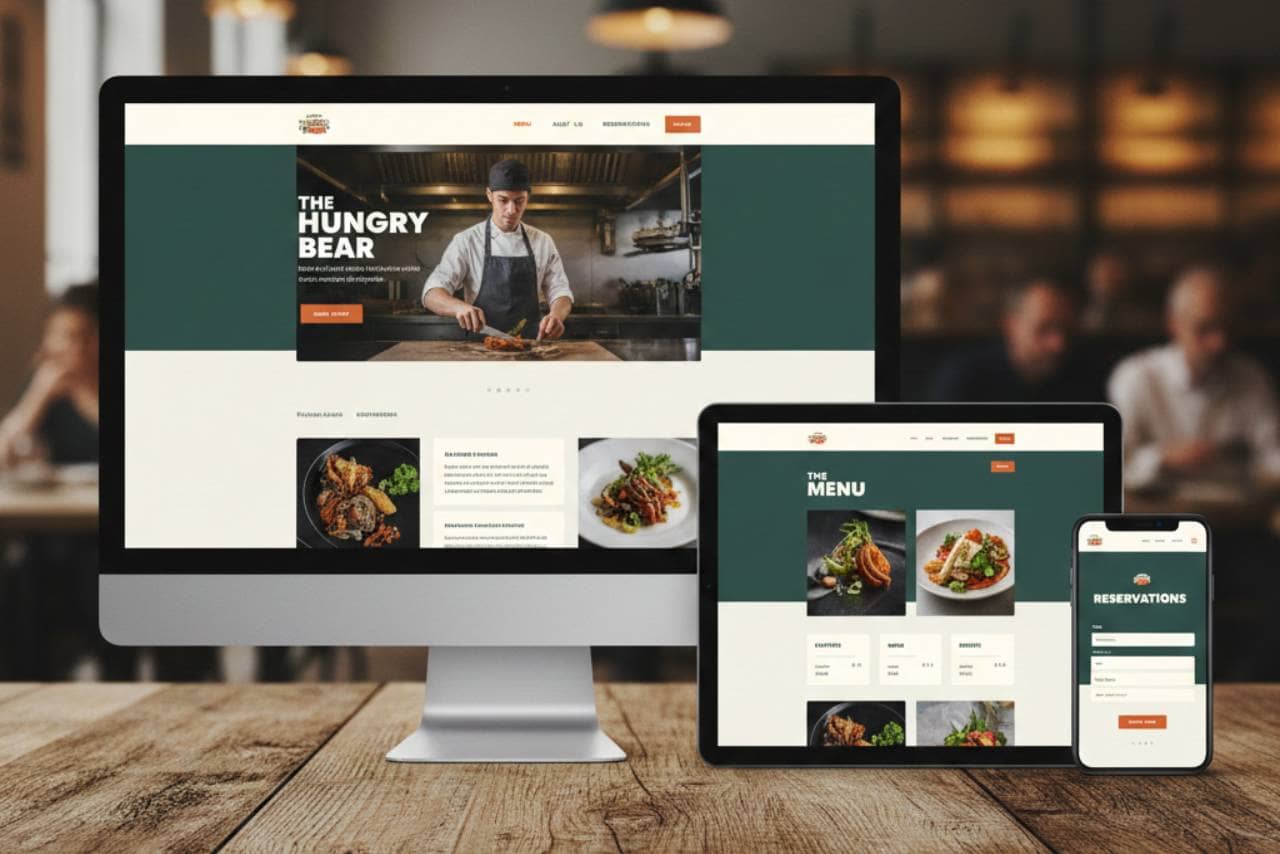
6. Work Well on Mobile - Most customers will visit your restaurant website from a phone, not a desktop computer. That means your website should be mobile-friendly from the start. People should be able to -
- Read your menu without zooming in
- Tap to call
- Tap for directions
- Order online easily
- Book a table quickly
If your website is hard to use on mobile, you may lose customers even if your food and service are great.
A restaurant website should help your business in practical ways. It should save customers time, answer common questions, and make it easy for them to choose your restaurant. It should also reduce the number of calls asking for basic information by putting the right details in the right place.