
Pei Wei Wins Best Fast-Casual Chain Award
Pei Wei Asian Kitchen named Best Fast-Casual Chain in Reviewed 2026 Awards, reflecting shift from price competition to quality and transparency.
News
Sep 11, 2026
Pei Wei Asian Kitchen named Best Fast-Casual Chain in Reviewed 2026 Awards, reflecting shift from price competition to quality and transparency.
Sep 11, 2026

O'Charley's shuttered all corporate restaurants nationwide on September 9, 2026, ending its 55-year legacy as a casual-dining regional powerhouse.
Sep 11, 2026
Authentic Restaurant Brands lands $325M investment from Trimontium to fuel disciplined regional expansion across five established restaurant concepts.
Sep 11, 2026

Walmart expands restaurant delivery beyond Subway and Dunkin', taking on DoorDash, Uber Eats, and Grubhub with Papa Johns nationwide rollout.
Sep 11, 2026

Complete NFL season restaurant checklist covering licensing, AV setup, menu prep, inventory, staffing, and marketing before kickoff arrives.
Sep 11, 2026

California shifts to public enforcement strategy against Dickey's for deceptive franchise disclosures, signaling stricter state-level franchise oversight.
Sep 10, 2026
Paul Brown temporarily steps away from Inspire Brands as Scott Murphy assumes interim CEO role during confidential IPO filing process targeting late 2026.
Sep 10, 2026
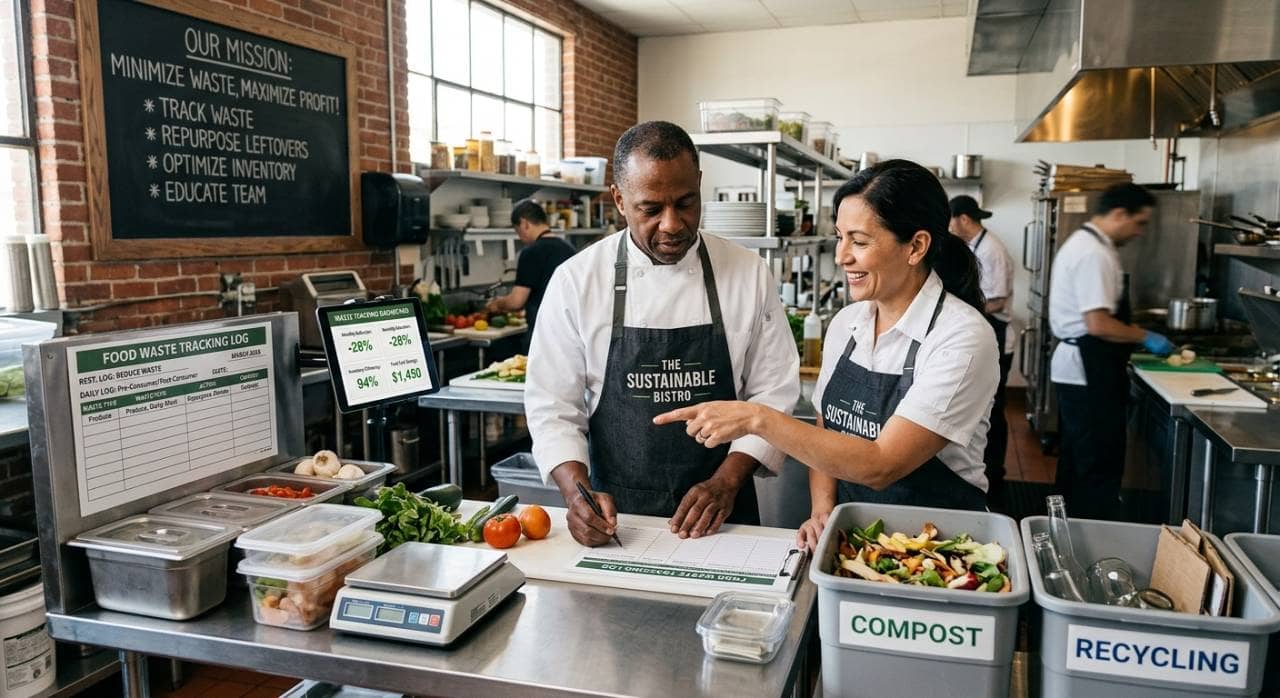
Learn how to reduce food waste in restaurants through smarter purchasing, storage, preparation, and service strategies that cut costs.
Sep 9, 2026
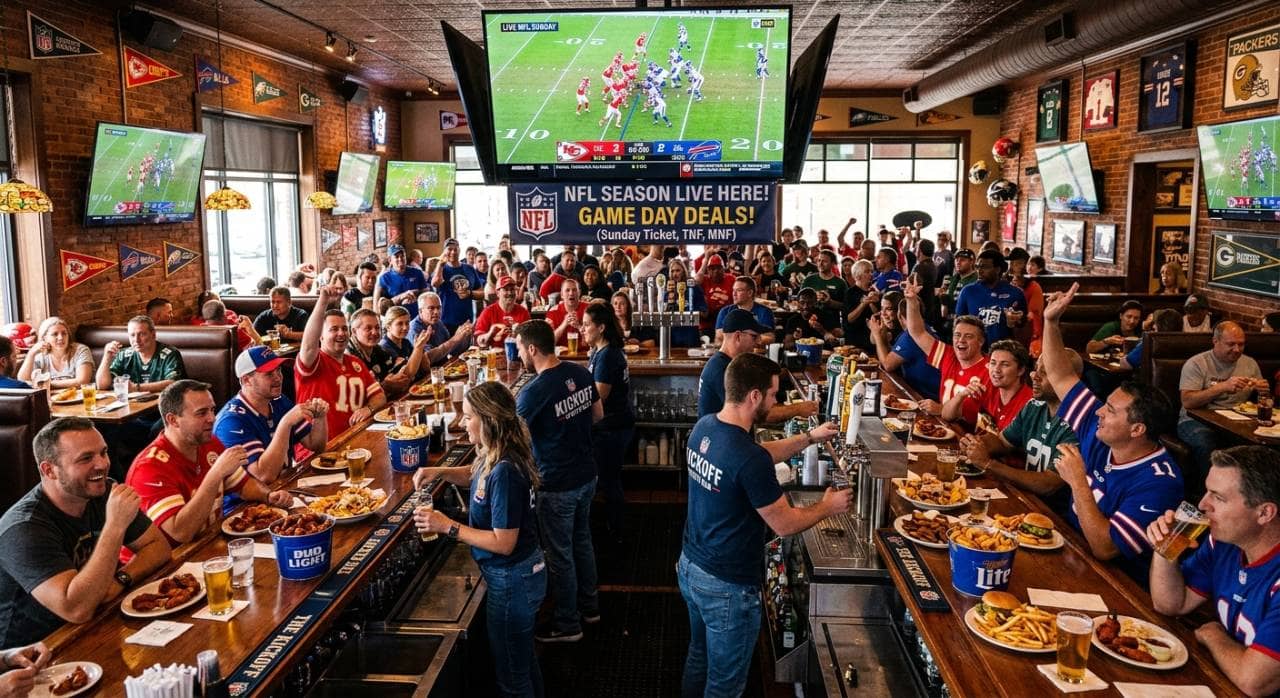
Prepare your restaurant for NFL season with smart menu planning, staffing, marketing, technology, and atmosphere strategies that boost season-long revenue.
Sep 9, 2026
Swig signs franchise agreement for 11 South Denver locations, marking Colorado entry and validating its national expansion strategy.
Sep 8, 2026

Unlock Exclusive Access To Webinars, Events, And The Latest News For Free!
Explore how Descanso in Costa Mesa brings Mexico’s vibrant street food culture into a refined, full-sensory dining experience. Discover operational strategies, business insights, and the nuanced approach to customer interaction, menu design, and staff training that define their concept of elevated Mexican cuisine.

Descanso, located in Costa Mesa, offers a unique approach to Mexican cuisine that draws inspiration from street food traditions and family heritage. Founded on a deep personal connection to Mexico, the restaurant’s concept originated from memories of road trips, local food stands, and the sensory richness of authentic street dining across the country. The owner, Rob Arellano, attributes the restaurant’s foundational passion to formative childhood experiences traveling through Mexico's diverse culinary regions with his family. “So that was engraved in me as a young lad and traveling through Mexico. And I just loved it. I absolutely fell in love with it. The whole experience, everything from the smells, the flavors, obviously, all the sensory elements that you have when you’re at a taco stand, interacting with the chef and... it’s just an incredible experience.”
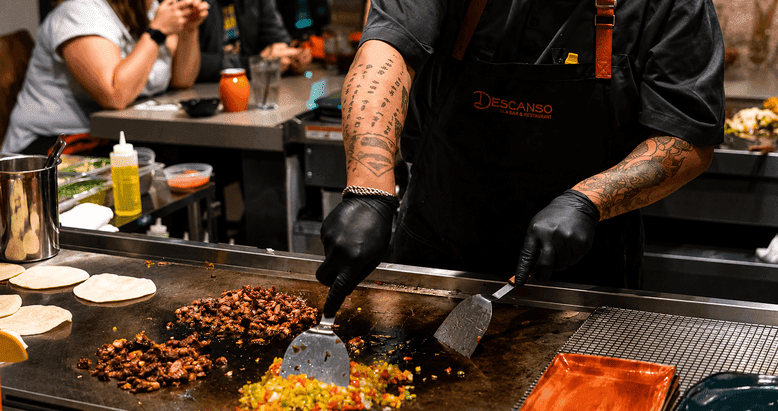
The heart of Descanso’s operation lies in its use of plancha-style cooking, which transforms the dining room into an interactive culinary theater. Inspired by both Mexican street food stands and the setup of Japanese teppan restaurants, the plancha experience allows guests to engage directly with chefs as their multi-course meals are prepared. This model is designed not only for authenticity but also for communal engagement. Guests select from a tailored menu and watch as their chosen dishes are expertly assembled, cooked, and served minutes later. The plancha, a flat-top grill, provides the perfect stage for this performance, immersing patrons in the aromas and action of a working Mexican kitchen. “Not only the authenticity and the food and obviously the culture, but I really wanted to bring in that interaction with the chef... And to be honest, I was sitting at a teppan restaurant, and a light bulb went off. Not in terms of doing, it the way the Japanese have been doing it, but to do it in a way with a similar setup... and then, of course, we bring the Mexican culture experience to that, which is what we call plancha dining.”
Dining at Descanso is intentionally communal. The plancha tables encourage conversation, collaboration, and even new friendships. Guests often find themselves interacting with others, exchanging contacts and stories, united by the shared culinary adventure. “People make friends here all the time... because what brings together people more than a dining experience?” Beyond the plancha room, Descanso’s layout includes a taco bar with a more informal, open-kitchen atmosphere, showcasing the taco and quesadilla chefs at work. This transparency in operations not only adds entertainment value but also builds trust with diners. The dining experience is further elevated with thoughtful details such as wooden cutting boards for each guest, enabling them to assemble their own tacos, fostering a playful and tactile engagement that echoes the street food roots of the cuisine.
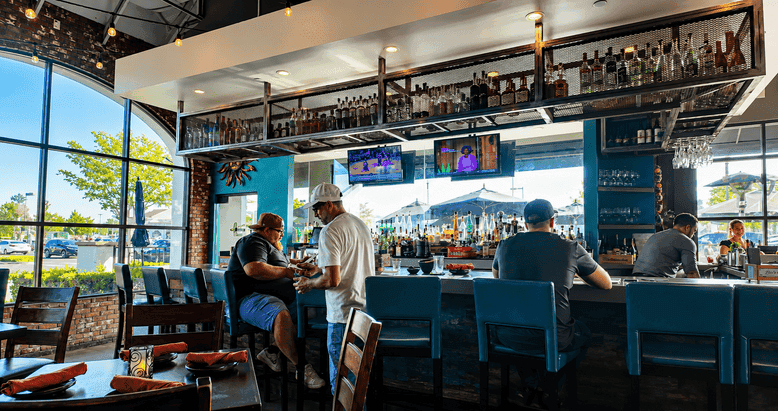
A sense of place permeates every corner of the restaurant. Descanso showcases local artistry, with murals depicting desert landscapes that evoke the vastness and beauty of Mexico. These murals, painted by Arellano’s brother-in-law Daniel Felschner, are featured both in Costa Mesa and at the Los Angeles location, serving as a visual anchor that reinforces cultural authenticity.
Running a full-sensory, interactive restaurant experience requires careful operational strategy. Food cost management, staff training, and open communication are central to keeping service both high quality and cost-effective. Arellano stresses the importance of working closely with food vendors, maintaining open communication to manage fluctuations in ingredient costs without compromising on quality. Instead of seeking the lowest prices, Descanso prioritizes working with purveyors who can provide the best ingredients within budget, sometimes opting for comparable alternatives that maintain the restaurant's standards. Waste reduction is tackled through rigorous staff training. According to Arellano, well-trained staff minimize errors, ensure orders are accurately communicated to both kitchen and customers, and avoid mistakes that lead to unnecessary waste. “Higher waste typically means to me, less trained staff or less well-trained staff.” This operational mindset extends to the customer experience. Staff are encouraged to communicate clearly with guests, ensuring everyone understands the menu and the interactive nature of the meal, thus reinforcing consistency and satisfaction.
Menu innovation is driven by seasonality and celebration. As a scratch-based kitchen, Descanso emphasizes fresh, seasonal ingredients in both its culinary and cocktail offerings. The chef frequently introduces specials, and the bar complements dishes with seasonal flavors-watermelon in the summer, warming notes in the fall-to keep the experience dynamic. Festivities are woven into the culture, with events such as Cinco de Mayo and New Year's Eve becoming opportunities for creative expression and drawing in crowds looking for lively, communal celebrations.
Descanso maintains a daily prep philosophy, foregoing bulk prepping in favor of freshness. Each morning, the prep team arrives early to ensure every ingredient meets the restaurant’s quality standards, contributing to vibrant, flavorful dishes. Dishes like the carne asada and shrimp alambre showcase this commitment, featuring proteins marinated for over 24 hours and a signature tres queso cheese blend, the specifics of which remain a closely guarded secret. “We don’t like to prep batches for the whole week. We do daily fresh. You can tell when you see the food, when you know the food. It looks fresh.” The multisensory concept extends beyond taste-diners are enveloped in the aromas, sounds, and sights of expertly prepared food as it is cooked right before them, enhancing both appetite and anticipation.
At Descanso, the beverage program stands as a central pillar of the dining experience. The bar, prominently positioned to serve both the indoor and outdoor spaces, specializes in margaritas crafted from fresh, natural ingredients, devoid of added sugars. Arellano emphasizes a focus on quality over quantity, with a curated selection of mezcals and tequilas chosen for their distinct taste profiles. Signature cocktails such as the Cucumber en Sol and the Bad Hombre, the latter blending pineapple and serrano pepper for a spicy-sweet appeal, are key highlights. Bartenders craft each drink using house-made juices and premium tequilas, underscoring the restaurant’s commitment to freshness and refinement.
With locations in Costa Mesa and Los Angeles’ Mid-Wilshire district, Descanso’s growth has been deliberate and measured. Arellano expresses an openness to future expansion; with the guiding principle that growth should be responsive to both guest interest and operational excellence. “For now, the two locations. But you know, my goals are kind of open ended... if it calls to where, you know, people are enjoying it and so much that the opportunities arise for different locations, different markets. Absolutely.”
For those aspiring to open a restaurant or innovate within the hospitality industry, Arellano offers pragmatic advice- Develop a detailed business plan that accounts for logistics, finances, and operational details. The narrow margins of the industry necessitate meticulous planning and consistent attention to the finer points of the business. “It’s all about the details. It’s a business with narrow margins. So, you know, it really takes, you know, understanding those details to make it work.”
Descanso’s story is a blend of cultural reverence, operational discipline, and innovative customer engagement. By channelling the vibrancy of Mexican street food through an immersive, interactive format, they offer more than a meal-they create a full-sensory, communal journey anchored in tradition and elevated by precise execution. From daily prep routines and staff development to seasonal beverages and thoughtful design, every element is a testament to how business strategy and storytelling can shape the future of elevated dining experiences.
