Why Restaurants Are a Prime Target for Scammers
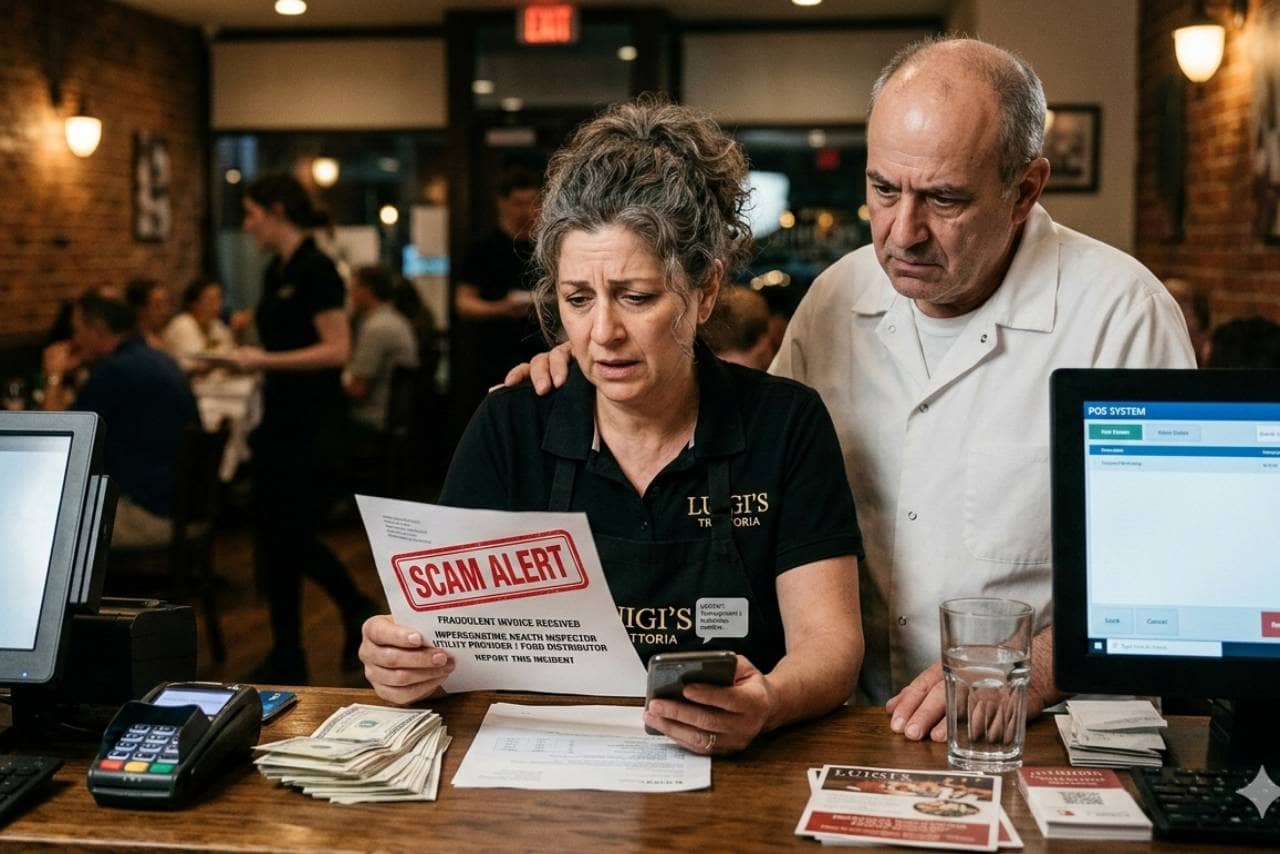
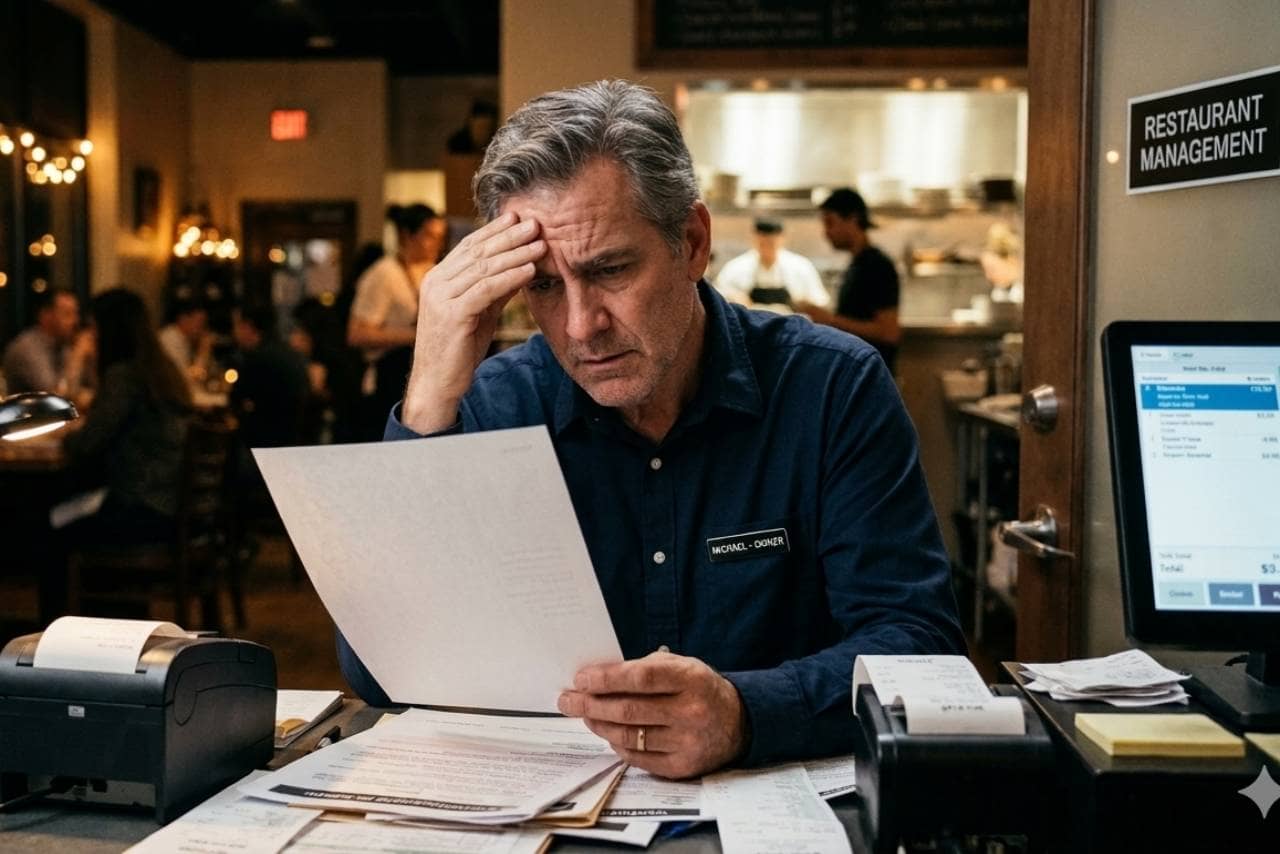
Restaurants are built for speed. You're balancing guests, labor, food, vendors, and cash flow - often at the same time, and often with slim room for error. Scammers know that. They don't win by being clever; they win by catching a busy team member in a rushed moment and pushing them to "just handle it."
Here's why restaurants (especially multi-unit groups) get targeted so heavily -
1) High invoice volume + constant vendor communication
Restaurants process a steady stream of invoices - food, beverage, linen, pest control, repairs, utilities, delivery platforms, equipment leases. When you see dozens (or hundreds) of charges each week, a fake invoice or "updated banking info" request can blend into the noise. The more moving parts you have, the easier it is for one bad request to slip through.
2) Multiple people can initiate purchases or payments
In many operations, more than one person can request a payment, approve a purchase, or provide vendor details - GMs, assistant managers, office admins, AP teams, sometimes even shift leads. That flexibility keeps the restaurant running, but it also creates opportunity for "authority + urgency" scams like boss impersonation and gift card fraud. If roles aren't crystal clear, scammers will target the easiest link in the chain.
3) Urgency is baked into the business model
A restaurant can't "pause" service for a verification step when the line is out the door or the kitchen is in the weeds. Scammers intentionally strike during pressure points - lunch rush, dinner rush, weekends, end-of-month closes, and holidays. Utility shutoff scams work because they weaponize a real fear - no power means no business - and demand immediate action.
4) Staff turnover and rapid onboarding increase risk
Many restaurants hire frequently and promote quickly. That's normal. But it can mean newer team members don't yet know the "how we do things" rules - who can approve payments, what a real utility call sounds like, what vendors you actually use, or what the escalation path is when something feels off. Scammers love new employees because they're trying to be helpful and prove they can handle responsibility.
5) Restaurants have valuable data and fast-moving money
It's not just cash. Scammers may be after vendor payments, payroll data, employee personal information, tax documents, or login credentials. Business email compromise (BEC) is especially dangerous because it can result in large losses quickly when a payment gets redirected. Law enforcement has repeatedly warned that BEC is among the most financially damaging types of cyber-enabled fraud, largely because the transactions look "normal" until it's too late.
You need simple controls that work in a real restaurant environment. Most scams succeed for one reason - someone acted before they verified. The goal of this article is to make verification fast, repeatable, and realistic - so your team can protect the business without slowing down operations.