True Food Kitchen Files Bankruptcy, Closes 12 Sites
True Food Kitchen filed for Chapter 11 bankruptcy, closing 12 locations and shrinking to 34 restaurants across 14 states amid $42.1 million in debt.
News
Oct 5, 2026
True Food Kitchen filed for Chapter 11 bankruptcy, closing 12 locations and shrinking to 34 restaurants across 14 states amid $42.1 million in debt.
Oct 5, 2026

Snooze Eatery names industry veteran Amy Hom as COO, starting Sept. 28, to strengthen hospitality and operations ahead of its next growth phase.
Oct 5, 2026

Evaluate restaurant industry performance in Q3 2026 through key trends affecting restaurant sales, traffic, consumer spending, labor, costs, and technology.
Oct 2, 2026

Opening a second restaurant location requires readiness, clear goals, financial planning, funding, smart strategy, standardized operations, strong teams, and careful launch monitoring for sustainable growth.
Sep 30, 2026

Restaurants can control operating costs by tracking food, labor, rent, utilities, technology, marketing, and other expenses against sales.
Oct 5, 2026
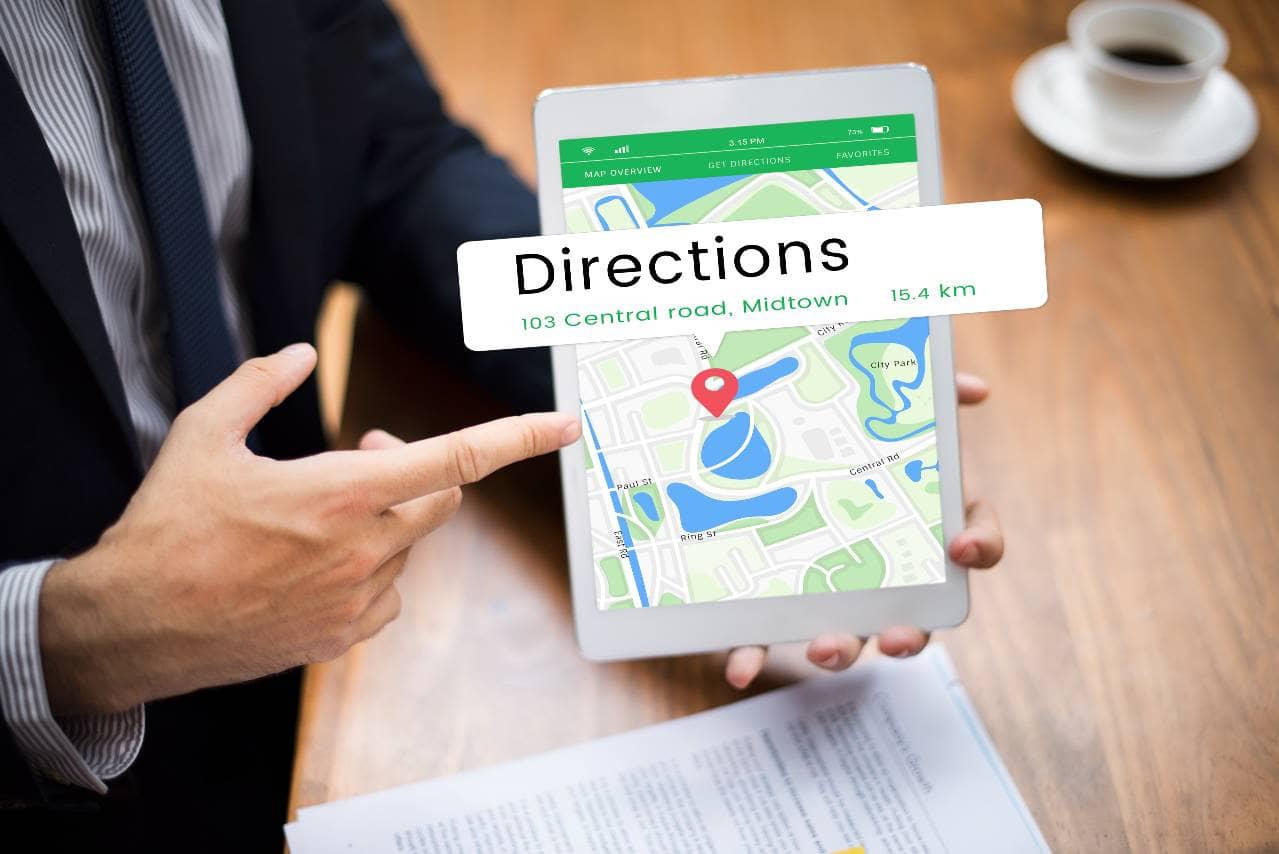
Improve restaurant visibility with local SEO by optimizing Google Business Profile, targeting local keywords, managing reviews, and maintaining accurate online information.
Oct 5, 2026

Understand tip pooling rules, employee eligibility, distribution methods, compliance requirements, recordkeeping practices, and policies restaurant owners need for proper tip management.
Oct 2, 2026

Whit's Frozen Custard hires industry veteran Amos Durbin as COO to guide franchise expansion, drawing on two decades of restaurant leadership experience.
Oct 2, 2026
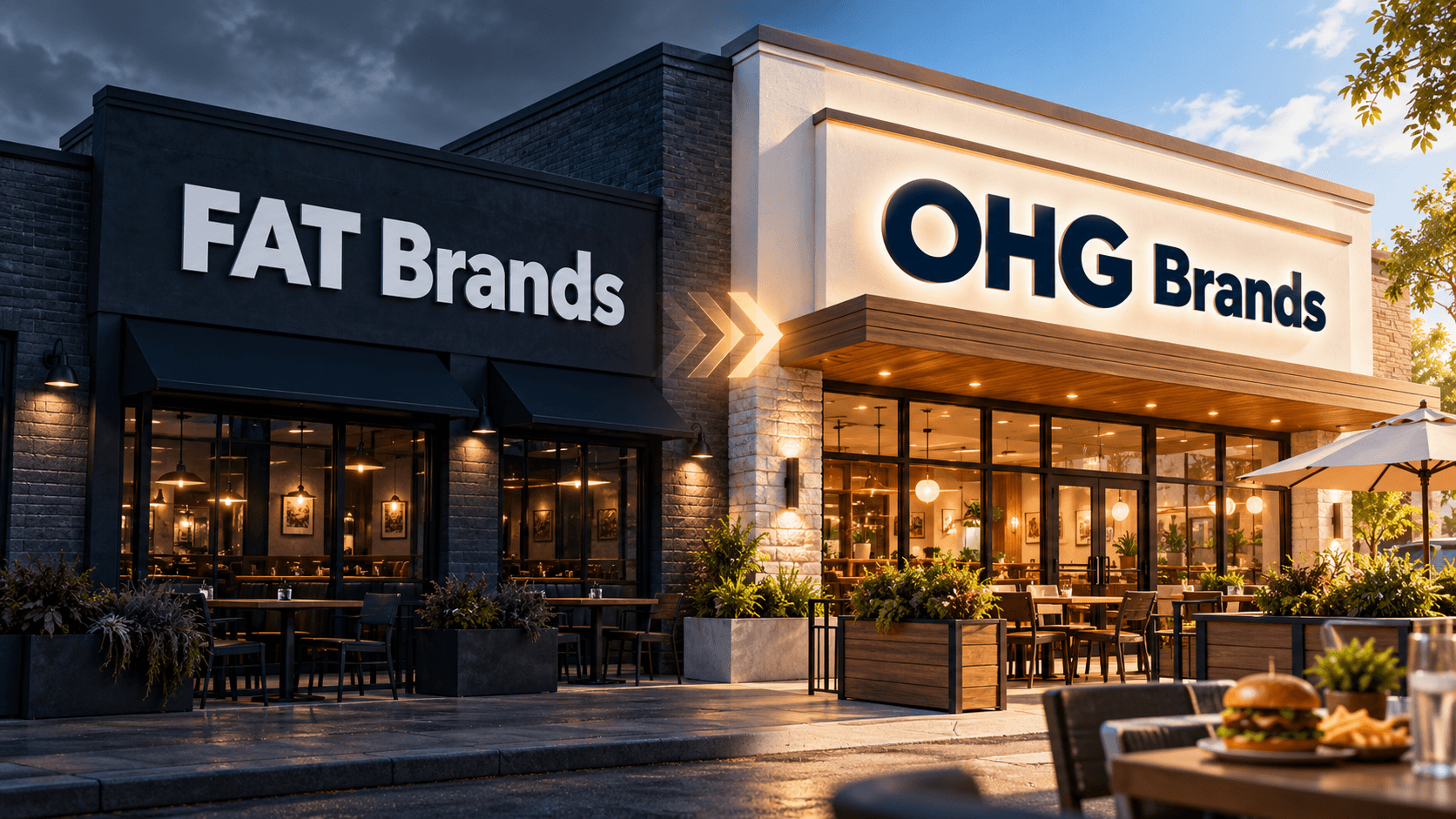
FAT Brands' $1B acquisition empire fell into bankruptcy and sold for $965M, re-emerging as OHG Brands with 1,700 restaurants.
Oct 1, 2026
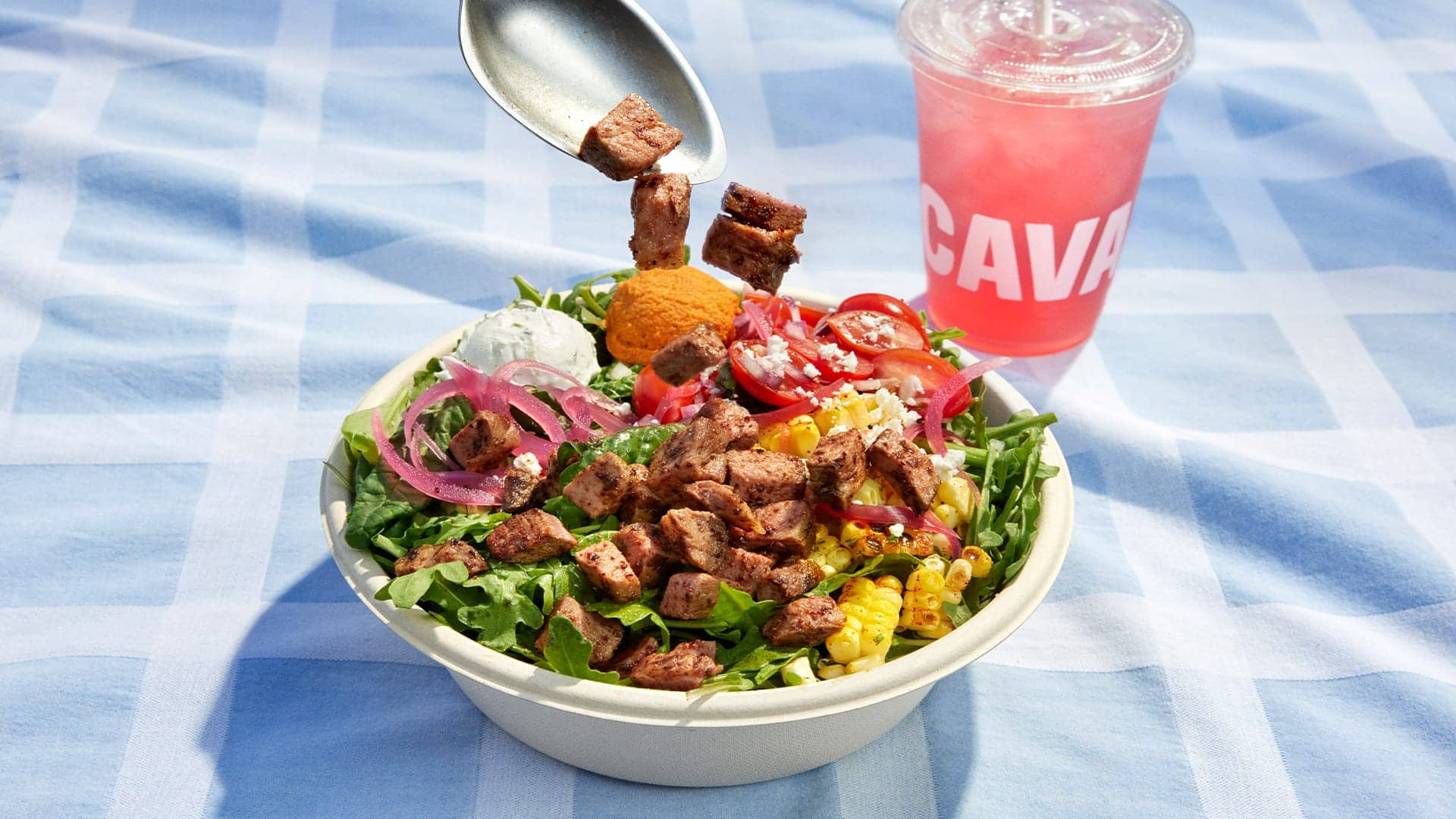
CAVA names John Ludeke, former Dr. Squatch Chief Brand Officer, as its new CMO to drive national growth and guest loyalty.
Oct 1, 2026

Unlock Exclusive Access To Webinars, Events, And The Latest News For Free!
Food safety is important in order to avoid food-borne illness. In order to prevent any diseases, you need to know some of the benefits of food safety. Here are five that you need to know!
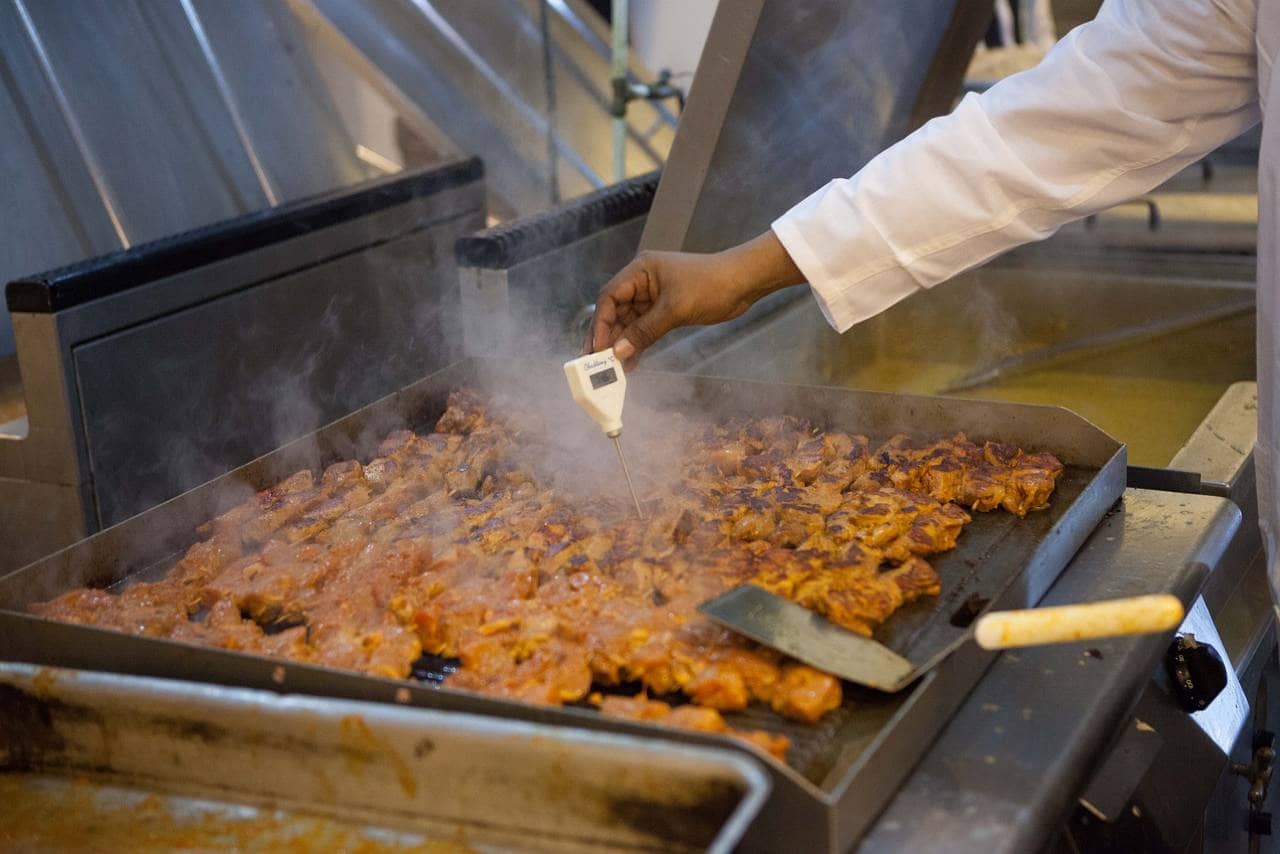
Food Safety has a significant impact on health and can be beneficial. It's important to understand these Food Safety benefits when cooking. Fast food preparation can be difficult when large batches need to be made. When the proper safety precautions are taken, cooking for large crowds of people can be a safer process and less stressful. Every time cooking is done the safety standards should be followed at all times. This is especially true as the rise of foodborne illnesses outbreaks continue spreading salmonella or e.coli. Within this article we'll discuss the benefits of food safety and how to keep safe from food poisoning and other unsavory illnesses by following these simple guidelines.
As food delivery services gain popularity, knowing how to keep Food Safe becomes more important. To maximize food safety and avoid bacteria from contaminating food, taking precautions is important. Some of these precautions include-

Food safety is an important factor for people all over the world. Maintaining basic food safety habits will protect the health and well-being of the population, prevent the spread of foodborne illness, and preserves a healthy environment. Without food safety being a top priority there would be an increase in food poisoning outbreaks and deaths every year. Numbers would reach into the millions. There is much that goes into maintaining food safety like land use management and soil quality. The main factor in Food Safety is through strict regulations from the Centers Disease Control on how food is grown and handled to avoid contamination.
Foodborne illnesses can spread quickly and create a large impact on people. These illnesses are becoming more common every year and are traced back to a number of sources. Most foodborne illnesses are caused by bacteria or viruses that contaminate food and make people sick. The Centers for Disease Control and Prevention states that foodborne illness kills 3,000 people in the United States every year. Some of the foods that most often cause foodborne illnesses include-
The most common foodborne illness is salmonella poisoning often found in meat that isn't handled properly. Symptoms include diarrhea, fever, abdominal cramps, nausea, vomiting and dehydration. Hepatitis A and E are more diseases linked to foodborne illnesses. Here are some ways to protect yourself-

It's important to understand that foodborne illnesses is serious and can lead to complications and worse conditions. Most foodborne diseases are caused when bacteria and viruses contaminate raw food or equipment used for food prep. When foodborne illness leads to outbreaks it can cause thousands of fatalities each year in the United States alone. Costs of healthcare have been estimated at $152 billion a year related to these illnesses. Preventing foodborne illness is important to health and safety. The best way to do that is by following safe food cooking and storing practices.
Food safety is a topic that should be taken seriously and given the attention it deserves. Here are some ways to keep your food safe and healthy-