everbowl Hires Two Jack in the Box Veterans
everbowl names Anna Gabele Brand President and Natalie Trzcinski COO, pulling both from Jack in the Box to guide its next growth phase.
Franchising
Sep 18, 2026
everbowl names Anna Gabele Brand President and Natalie Trzcinski COO, pulling both from Jack in the Box to guide its next growth phase.
Sep 18, 2026

Mountain Mike's Pizza hires Jack in the Box veteran Sheena Dougher as CMO to drive national growth while preserving its regional brand identity.
Sep 17, 2026

From fixed costs to contribution margin, learn exactly how to calculate your restaurant's break even point with confidence.
Sep 16, 2026

DoorDash pays $425M for Wonder's campus dining platform and a stake in Wonder, betting on robotic kitchens and institutional foodservice growth.
Sep 16, 2026

Discover the most common reasons restaurants fail, including inconsistent food quality and pricing mistakes, plus practical ways to avoid them.
Sep 16, 2026
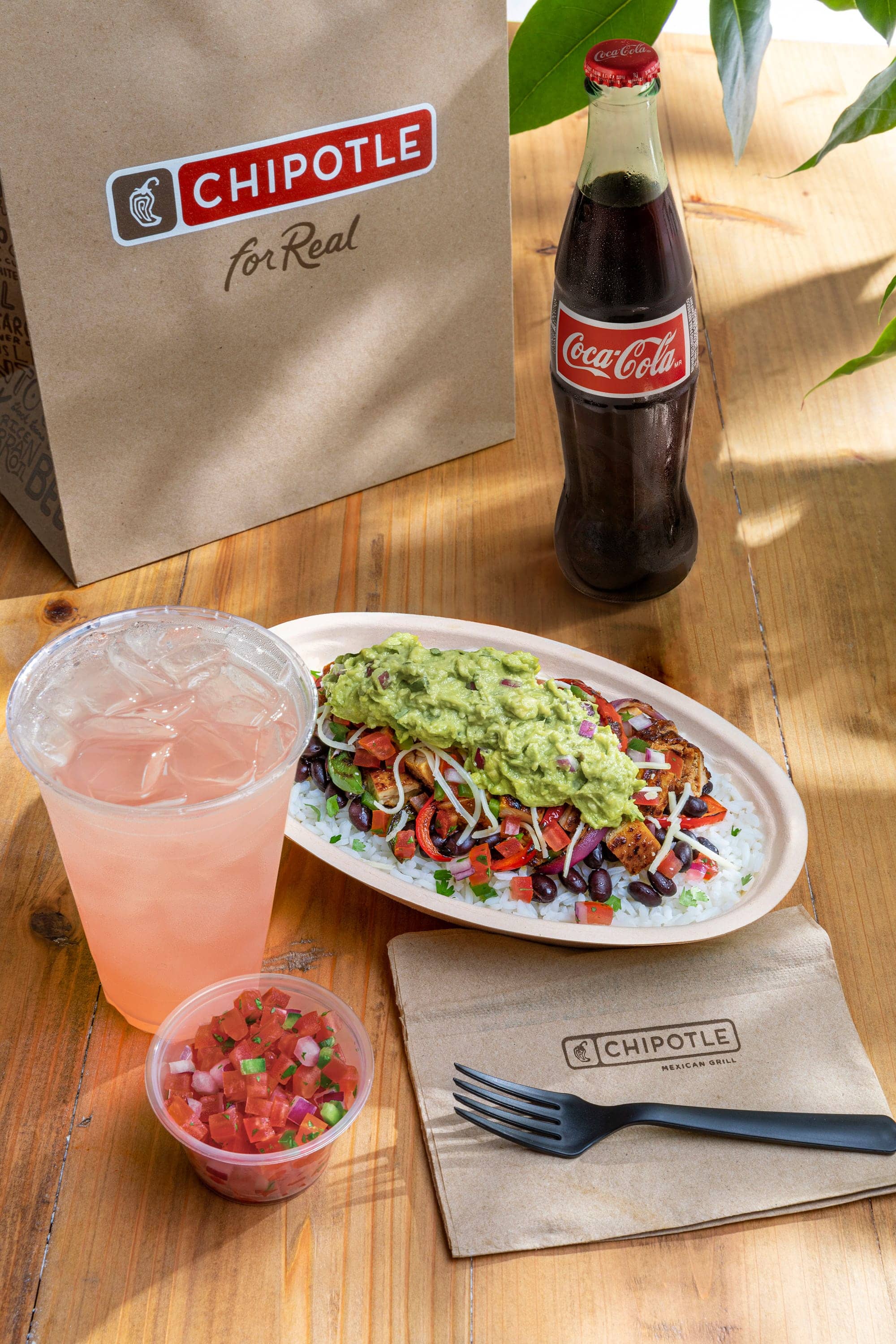
Chipotle names former KFC global CEO Sabir Sami to its board as the chain expands into Mexico, Saudi Arabia, and South Korea.
Sep 15, 2026

LeBron James joins Mike's Red Tacos as an investor, backing the birria chain led by Blaze Pizza and Dave's Hot Chicken veteran Bill Phelps.
Sep 15, 2026

Discover practical promotion ideas - time-based deals, loyalty programs, local partnerships, and digital marketing - to boost restaurant foot traffic consistently.
Sep 14, 2026

Practical payroll compliance checklist for restaurant owners covering wage rules, tips, overtime, taxes, deductions, and recordkeeping to reduce legal risk.
Sep 14, 2026
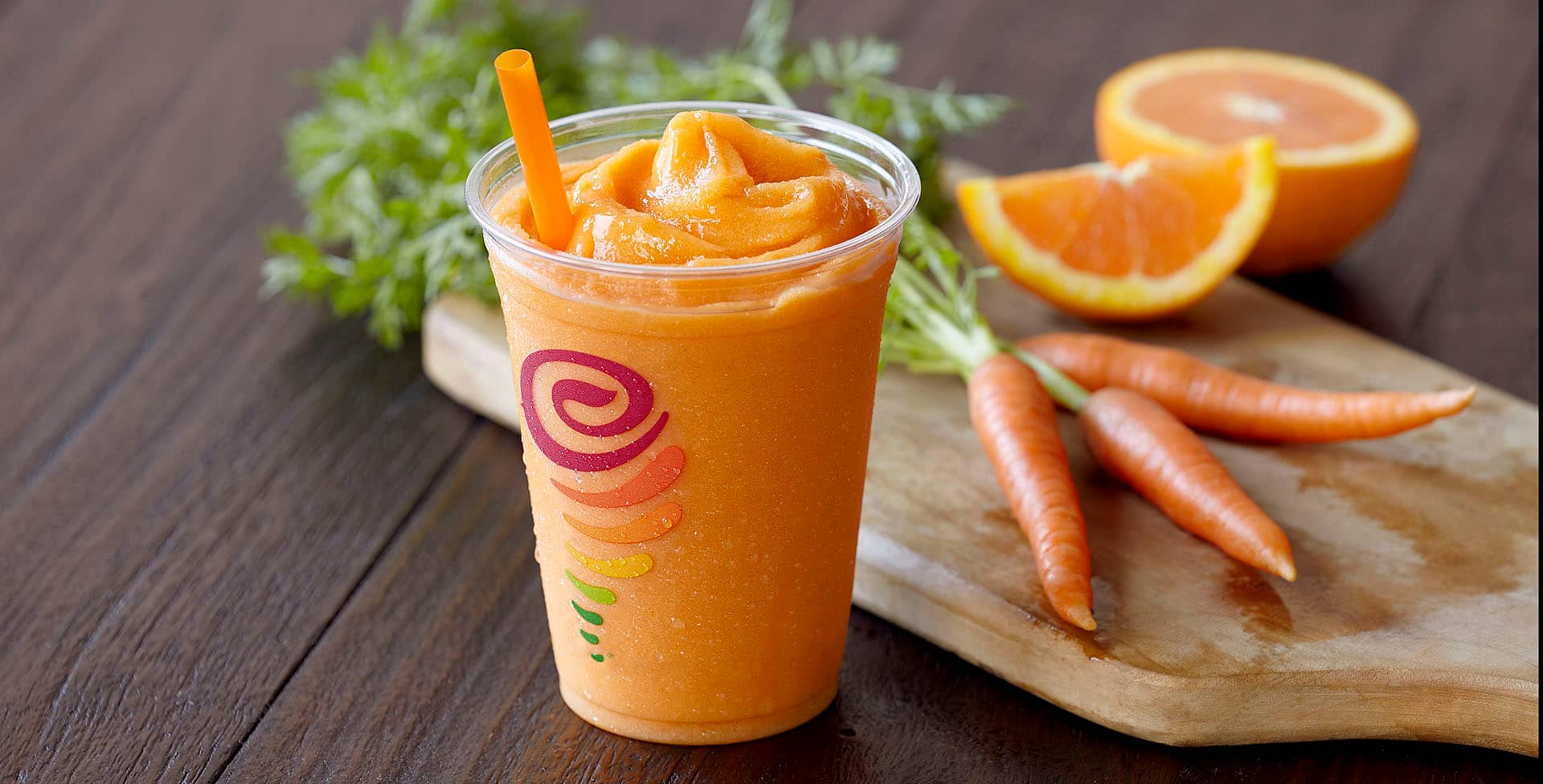
Lucy Brady joins Jamba as president to lead digital-first growth strategy. GoTo Foods restructures leadership to strengthen franchise platform capabilities.
Sep 14, 2026

Unlock Exclusive Access To Webinars, Events, And The Latest News For Free!
Buying the right food thermometer can be a bit intimidating. There are so many options and it can be hard to know where to start. Thankfully, we've compiled a list of some of the most important points you need to know about food thermometers. From reading reviews, to figuring out the best brands, to understanding different types of thermometers, this guide will help you get started. If you're looking for a new food thermometer, you've come to the right place!
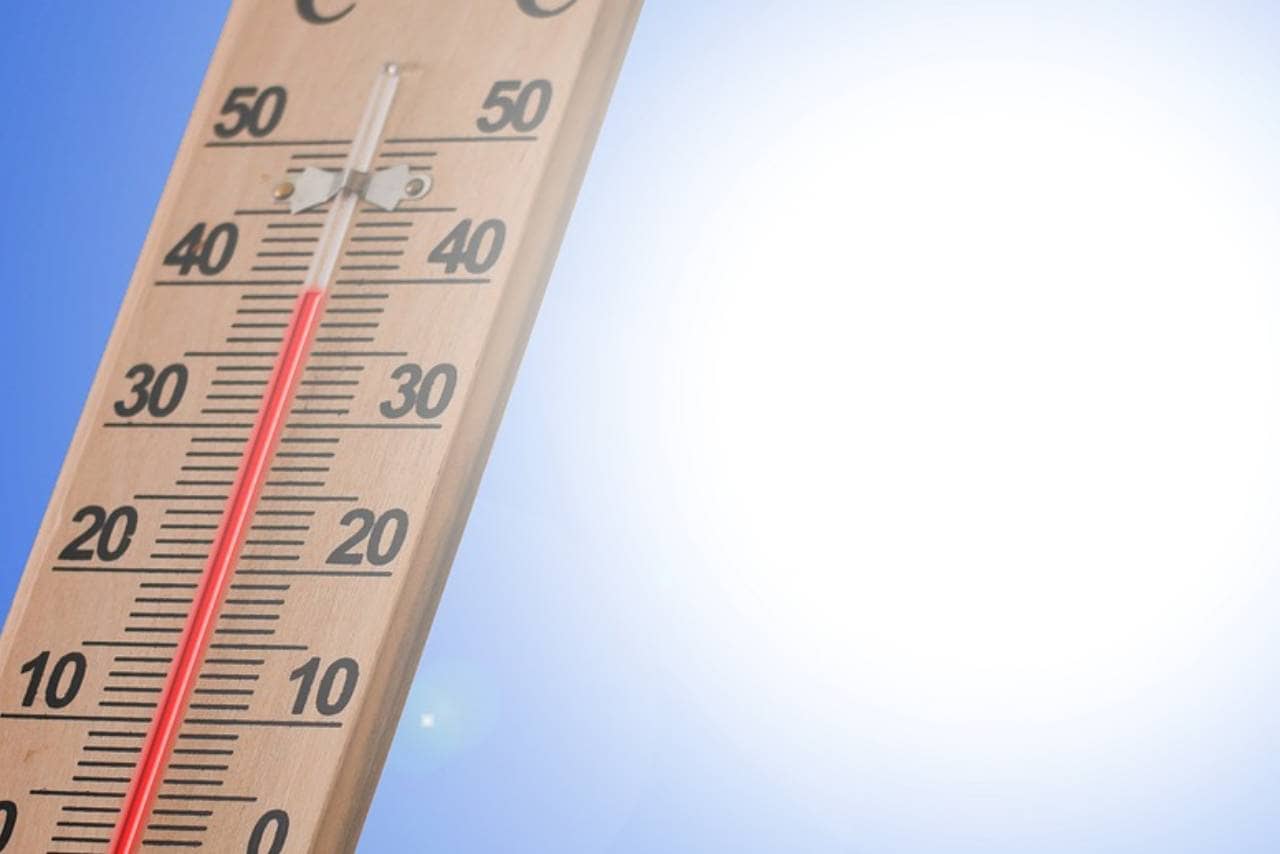
A food thermometer is an instrument that measures the internal temperature of cooked or processed foods. These measurements help you gauge if your foods are safe to eat. Different types of thermometers measure different things, so you want to make sure you're buying the right type for what you need.
There are a few different types of food thermometers on the market, but they all measure temperature in some way. There's an infrared thermometer, which is the only type of thermometer that can be used to measure the temperature of something that doesn't emit heat. This one is typically more expensive than the other types of food thermometers and it has a limited range. The other option is a contact thermometer, which requires you to actually touch the surface you're measuring in order to get an accurate reading. There's also a probe thermometer, which uses two probes- one for measuring the ambient temperature and one for measuring the meat or whatever else you want to measure. The final option is a laser thermometer, which emits light from one direction and measures its reflection on another direction.
When it comes to choosing the right food thermometer, there are a few things you want to keep in mind. You'll want to select one that is accurate, easy to clean, and durable. Accurate- One thing you want in your thermometer is accuracy. You don't want your food coming out under-cooked or overcooked. Easy To Clean- After you use your food thermometer, it should be easy to clean. This ensures that you won't have any bacteria or mold growing inside the device after using it for a couple of months. Durability- You also want something that will last. If you buy something cheap, chances are it won't last as long as a more expensive option and may not be as durable in general.
One of the most important considerations when buying a food thermometer is accuracy. Accuracy is especially important if you're cooking meat and need to know it's reached the correct temperature. There are three different types of thermometers- instant read, digital probe, and dial thermometer. Digital probes are the most accurate, but they also tend to be more expensive than other options. Instant read thermometers should be accurate within 1-2 degrees Fahrenheit and dial thermometers should be accurate within 3-4 degrees Fahrenheit.
There are some general guidelines for using a food thermometer. If you want to ensure that your food is cooked properly, it's important to use a food thermometer. It's also important that the metal probe of the thermometer isn't touching any bone or inside any other type of meat.
There are so many options when it comes to food thermometers that it can be hard to know which one is best for your needs. The key is to identify what you'll be using it for and how often, so you can find a thermometer that will be accurate and easy to use. Most of the time, you'll need a thermometer with a wide range of temperature settingsfrom 100 degrees Fahrenheit to 500 degrees. The best way to know if you have the right food thermometer is by taking the temperature of something else, like a piece of meat or a pot of water. If it's giving you an accurate reading, then you've found the right one!