California Penalizes Dickey's for Franchise Disclosure Violations
California shifts to public enforcement strategy against Dickey's for deceptive franchise disclosures, signaling stricter state-level franchise oversight.
Franchising
Sep 10, 2026
California shifts to public enforcement strategy against Dickey's for deceptive franchise disclosures, signaling stricter state-level franchise oversight.
Sep 10, 2026
Paul Brown temporarily steps away from Inspire Brands as Scott Murphy assumes interim CEO role during confidential IPO filing process targeting late 2026.
Sep 10, 2026
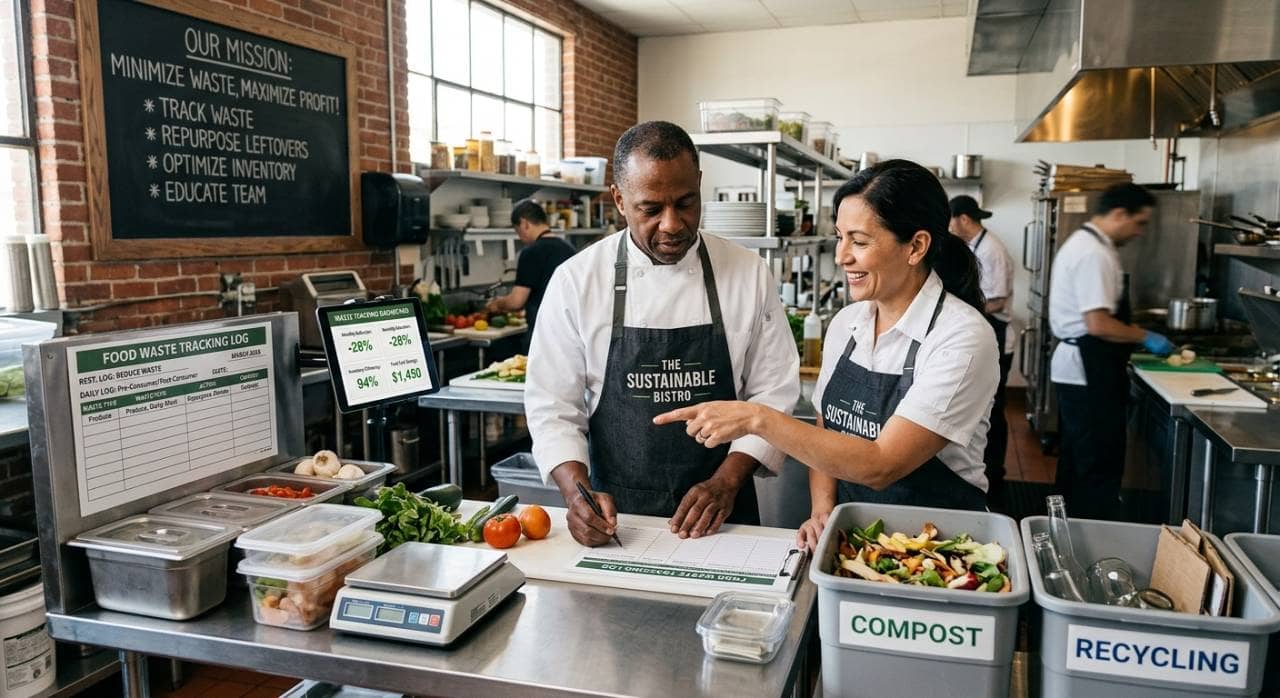
Learn how to reduce food waste in restaurants through smarter purchasing, storage, preparation, and service strategies that cut costs.
Sep 9, 2026
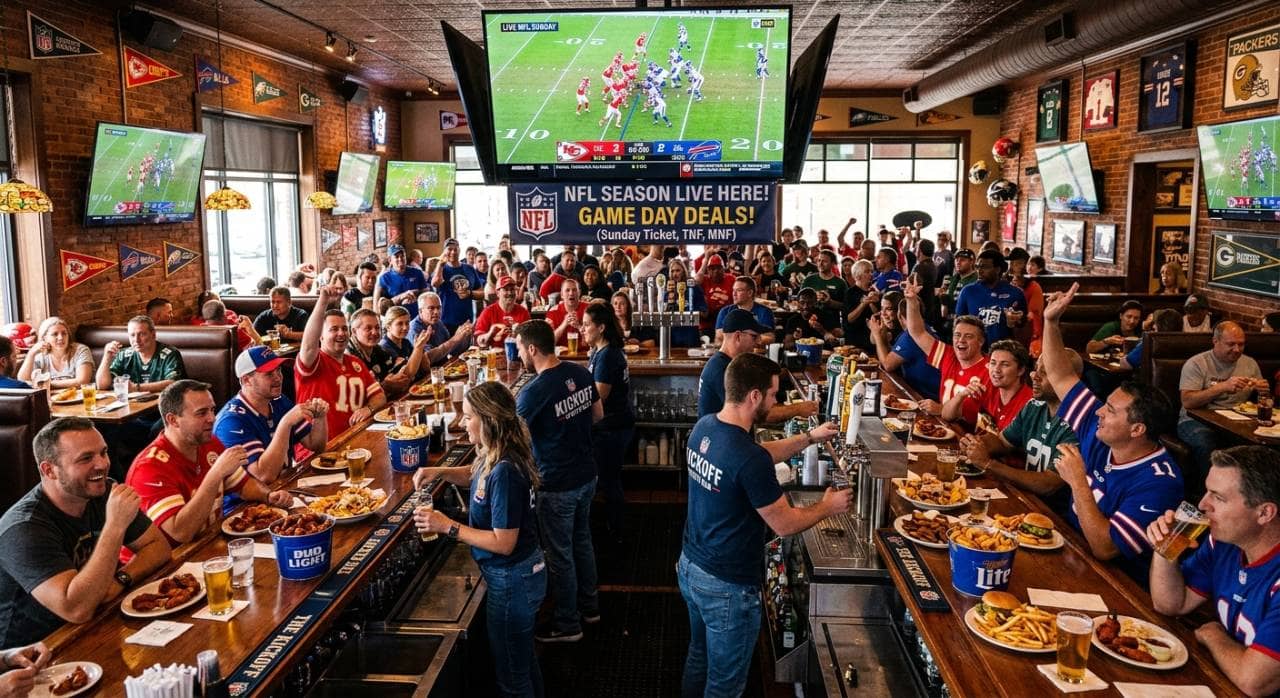
Prepare your restaurant for NFL season with smart menu planning, staffing, marketing, technology, and atmosphere strategies that boost season-long revenue.
Sep 9, 2026
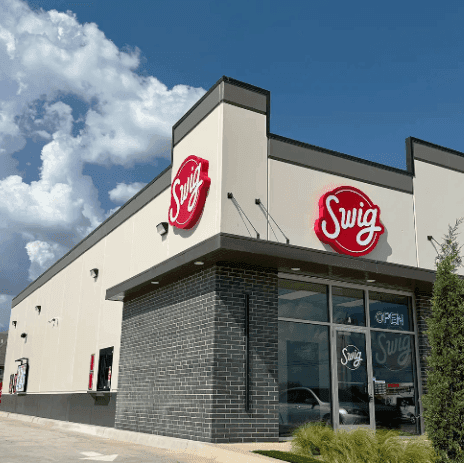
Swig signs franchise agreement for 11 South Denver locations, marking Colorado entry and validating its national expansion strategy.
Sep 8, 2026
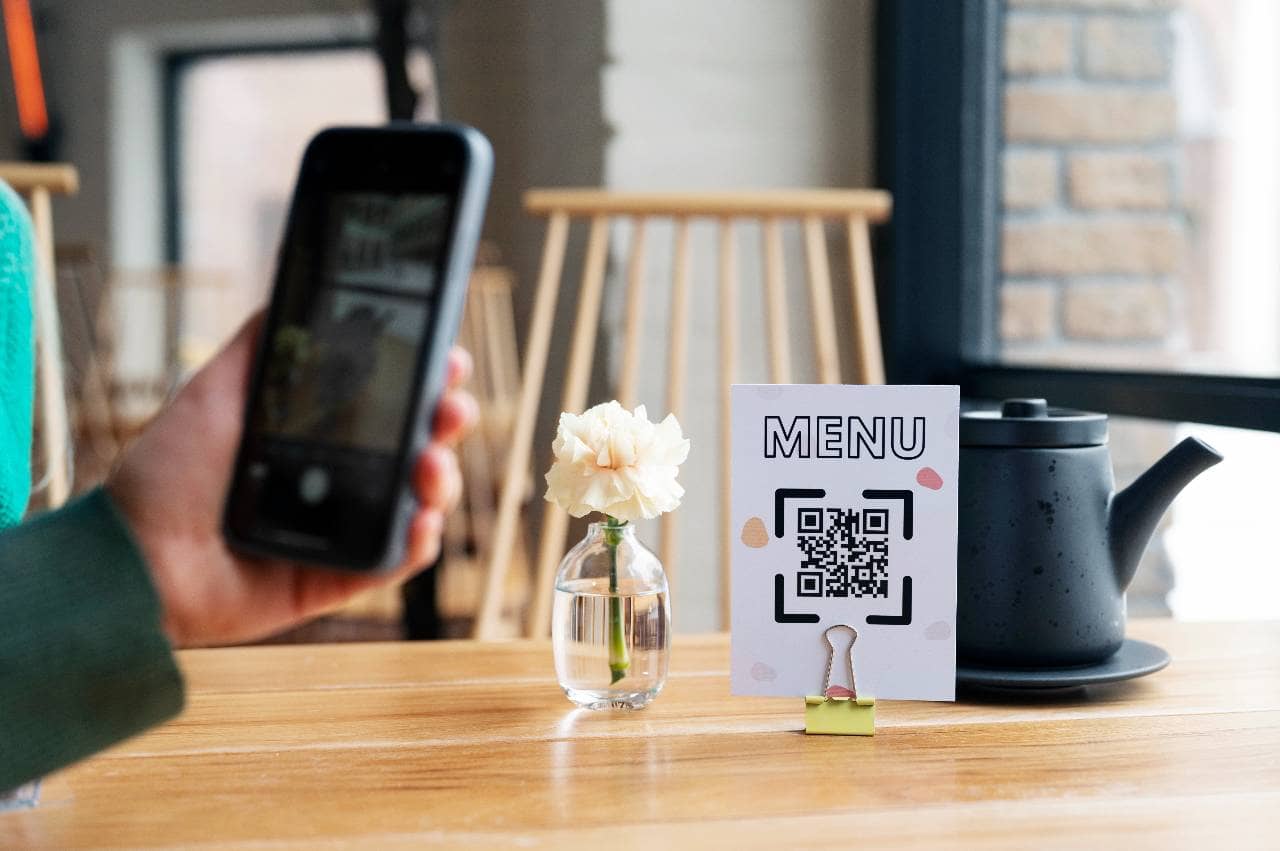
QR code menus let restaurants replace paper menus digitally, enabling instant updates, contactless browsing, ordering, and payment through simple smartphone scanning.
Sep 7, 2026

Complete guide helping restaurant owners choose essential kitchen equipment - covering cooking, refrigeration, prep, sanitation, ventilation, safety, and long-term maintenance planning.
Sep 7, 2026

Avoiding common restaurant payroll mistakes - misclassification, tip credit errors, overtime miscalculations - protects businesses from costly penalties, back pay, and compliance risks.
Sep 4, 2026
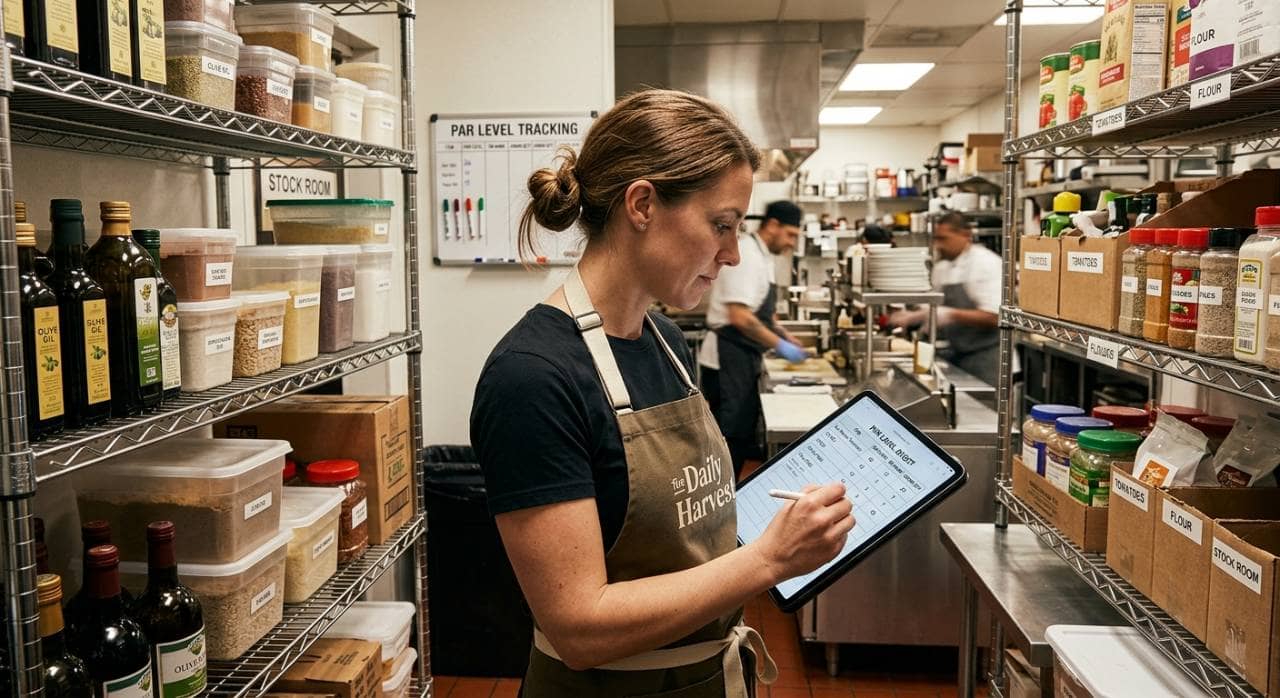
Learn to calculate par levels for restaurant food, beverages, and packaging inventory, preventing stockouts and waste through proper formulas.
Sep 4, 2026
Caribou Coffee appoints Zane Thomas-Rogers as Chief Operations Officer to strengthen execution across its expanding coffeehouse network.
Sep 4, 2026

Unlock Exclusive Access To Webinars, Events, And The Latest News For Free!
A CEO-led push, a Canada master franchise, and high-profile partnerships steer Brooklyn Dumpling Shop toward multi-market franchising.

Photo by Huyen Bui
Brooklyn Dumpling Shop emerged from New York City in 2021 as a clean collision of nostalgia and efficiency. The brand built around fully digital ordering and an automated locker pickup workflow, letting guests grab hot dumplings without staffing a traditional counter. It wasn't just clever tech; it solved real franchise pain points, real estate access, supply chain readiness, and a scalable operating model, while delivering a chef-driven, experience-forward dumpling that could travel beyond a single storefront. This origin story sets the stage for a CEO-led growth plan and a cross-border ambition: a formal Canada master franchise in sight.
RSE Ventures led a 2025 investment round to accelerate omni-channel growth, with backers including Kevin O’Leary, Matt Higgins, and Patti Labelle. The press materials spotlight collaborations with the New York Yankees and Legends Hospitality, ongoing shop openings in the United States and Canada, and an overall footprint listed at 18 locations across North America. The plan is crystal: expand through high-quality partnerships, finance the build-out of a frozen-dumpling line, and scale across channels while preserving the brand’s distinctive experience. The ambition is tangible, and the capital is wired to keep it moving.
Jeff Galletly took the helm as the brand’s first CEO in April, and the posture changed. Franchisee success sits at the top of the agenda; collaboration and recognition become operating principles. He frames a culture where franchisees aren't just partners but stewards of the Brooklyn Dumpling Shop experience. The task list runs long: site selection, supply chain resilience, and ongoing operating partnerships that keep every shop aligned. Marketing and in-person community engagement are no afterthought; they're growth engines that widen brand trial and deepen loyalty. In a crowded fast-casual world, Galletly’s message is simple: support the operator, empower the team, and let the dumplings do the talking.
April 2024 marked the public milestone: the first CEO took charge, shifting from startup scrappiness to governance discipline. By 2025, the company announced a master franchise agreement for 100 units in Canada, a concrete step toward cross-border growth. That same year, an investment round led by RSE Ventures aimed to accelerate omni-channel expansion and broaden the footprint to frozen products and foodservice ventures. Then, in March 2026, influencer Keith Lee joined as an investor in a multiyear partnership in Dallas, framed as a move to deepen community engagement and accelerate growth in key markets. The cadence is clear: from concept to multi-market franchising with high-profile partnerships.
Brooklyn Dumpling Shop operates in a trend that blends technology, labor efficiency, and portable dining. Its advisory circle reads like a who’s who of business visibility: Kevin O’Leary, Matt Higgins, and Patti Labelle lend credibility while keeping a steady eye on economics. The brand’s positioning in the growing portable Asian category hinges on a scalable, partner-driven growth model and disciplined capital deployment. The Yankees/Legends Hospitality alliance injects cross-promo power beyond storefronts, pulling the brand into sports and entertainment venues where high-frequency consumption meets convenience. Taken together, these pieces show a concept designed to travel, without losing an ounce of its chef-driven core.
Despite the upbeat trajectory, industry observers caution that franchising at scale introduces uncertainties around real estate sourcing, supply chain stability, and the ability to sustain high-quality franchisee support across diverse markets. Restaurant Dive underscores real estate exclusivity, labor dynamics, and the need for a robust onboarding and operating framework as critical risk factors in a fast-growing concept. While the Canada master franchise for 100 units signals ambitious intent, the timeline for all 100 Canadian locations, cross-border regulatory considerations, and performance in new markets remain areas to watch. The public record shows rapid milestones, but store counts and unit economics evolve as markets mature.

Brooklyn Dumpling Shop blends culinary innovation with a tech-native operating model and franchisee-centric governance. This trifecta creates a template for how nimble brands can scale in North America. The mix of influencer-driven marketing, strategic partnerships, and a flexible format that adapts to multiple trade areas offers a model for other emerging concepts seeking growth without surrendering local flavor. If the Canada master franchise and cross-border partnerships continue to mature, the brand could push deeper into major metropolitan markets and beyond, expanding through both corporate and franchised formats and extending its frozen-dumpling and foodservice lines.