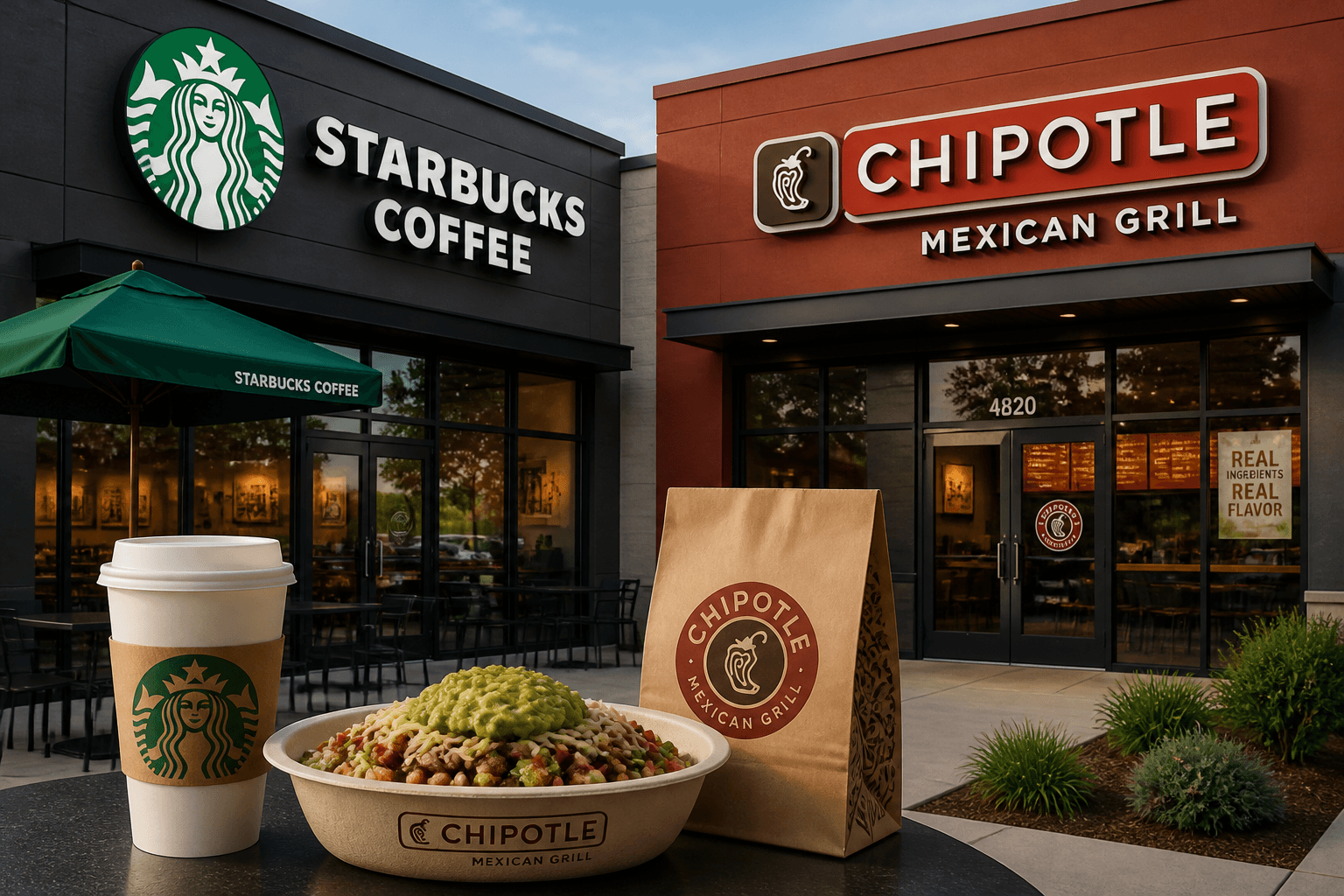
Starbucks Denies $50 Billion Chipotle Acquisition Rumor
Starbucks firmly denies rumors of a $50 billion Chipotle acquisition, shifting focus to its turnaround plan and upcoming Q4 earnings report.
News
Oct 12, 2026
Starbucks firmly denies rumors of a $50 billion Chipotle acquisition, shifting focus to its turnaround plan and upcoming Q4 earnings report.
Oct 12, 2026

September 2026 restaurant leadership changes highlight executive priorities around expansion, operations, franchising, technology, financial performance, customer engagement, and sustainable growth.
Oct 12, 2026

A cloud-based POS system helps restaurant owners streamline transactions, access real-time sales data, improve operational efficiency, manage costs, and support business growth.
Oct 12, 2026

Learn how to calculate restaurant labor costs, determine labor cost percentages, account for payroll expenses, track spending, and improve profitability through smarter staffing decisions.
Oct 9, 2026

Workforce management software helps restaurant owners streamline scheduling, time tracking, attendance, and labor costs, improve compliance, choose the right platform, and implement it effectively to save time and boost efficiency.
Oct 9, 2026
SignalFlare AI hires restaurant tech veteran Robert Peterson as CRO to drive adoption of its Navigator decision intelligence platform.
Oct 9, 2026
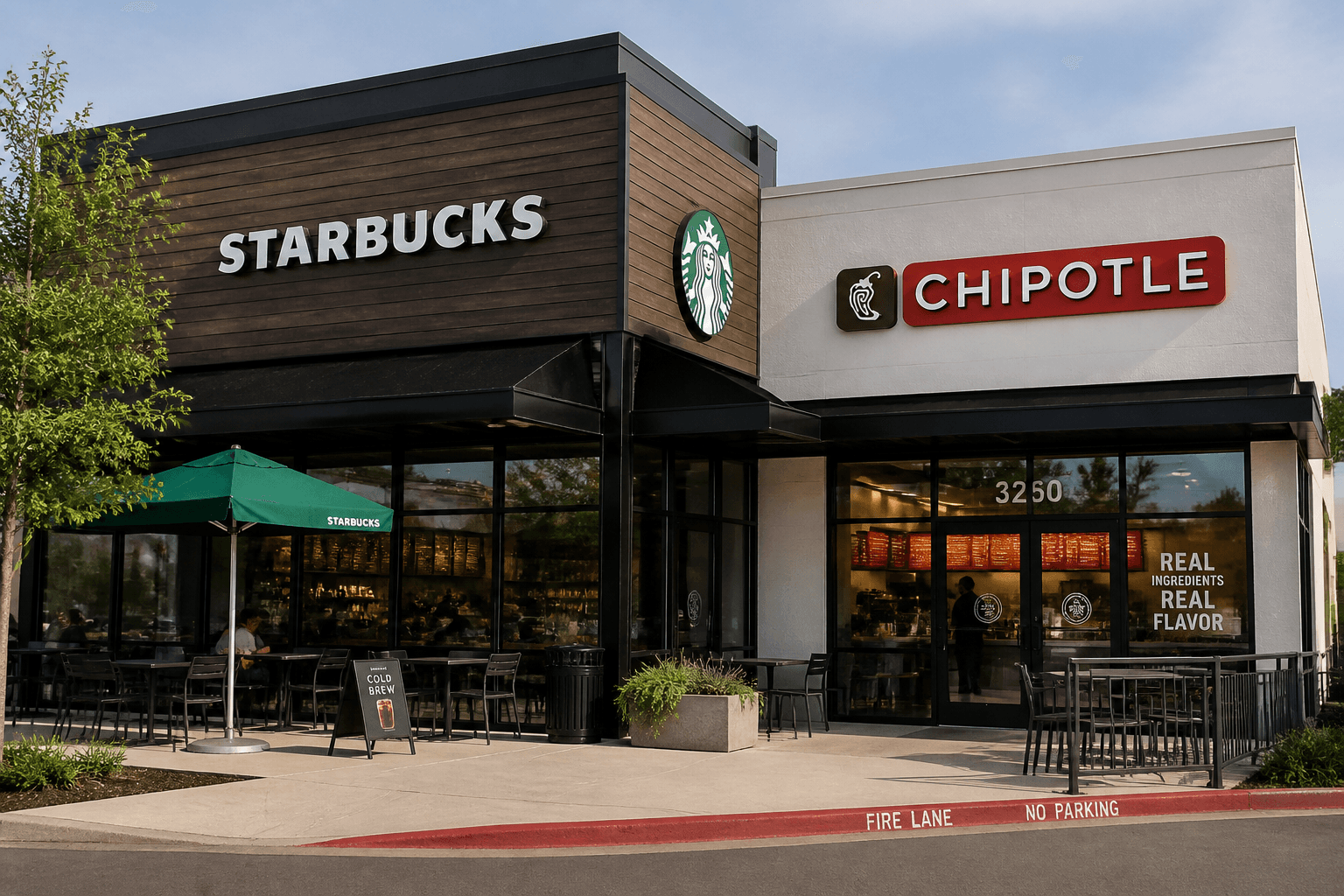
Reports of a Starbucks takeover bid for Chipotle sent shares in opposite directions, raising big questions about strategy, cost, and Brian Niccol's role.
Oct 9, 2026

CKE Restaurants names marketing veteran Alisa Gmelich President of Hardee's, tasking her with rebuilding franchisee trust and driving growth.
Oct 7, 2026

POS data helps restaurant owners control food costs by improving purchasing, reducing waste, optimizing portions, analyzing profitability, and managing inventory.
Oct 7, 2026

Understand overtime rules for restaurant employees, including eligibility, pay calculations, hours worked, compliance requirements, timekeeping, and overtime management.
Oct 7, 2026

Unlock Exclusive Access To Webinars, Events, And The Latest News For Free!
California's 2024 PAGA reforms curb abuse and streamline workplace claims, balancing worker protections with clearer compliance guardrails for employers.

Photo by Julian Myles
California's PAGA regime, rooted in 2004, delegated wage-and-hour enforcement to individual workers through civil penalties that could accumulate quickly. On July 1, 2024, AB 2288 and SB 92 arrived as a negotiated package designed to curb abuse while preserving worker protections. The reforms apply to claims filed on or after June 19, 2024, and aim to deliver guardrails for employers across industries, from hospitality to manufacturing, without erasing the core remedies workers rely on. This is a thoughtful pivot that invites a more mindful, nourished approach to workplace accountability.
What changed at the core ? The new regime preserves remedies while introducing guardrails: claims must be personally suffered, courts gain tools to narrow scope, and penalties are redesigned to reward proactive compliance and timely remediation. The architecture favors a balanced framework that reduces overreach while keeping workers protected and disputes resolvable.
Key mechanics at a glance
These shifts recalibrate liability and remedies to encourage timely, fair outcomes. The core shifts include:
- Personal violation requirement: Employees must personally suffer each alleged violation rather than pursuing claims on behalf of others.
- Proactive compliance incentives: Penalties can be reduced by up to 85 percent for timely, proactive steps before any notice or records request; up to 70 percent for issues remedied after notice.
- Derivatives and cure: Derivative penalties are decoupled, workers' share rises to 35 percent, and employers can cure certain violations to avoid penalties altogether.
Taken together, the regime aims to curb abuse while preserving remedies and clarity for employers and workers alike.
Industry reactions and official framing The package is framed as a pragmatic compromise balancing protections with enforceable clarity. In official remarks, advocates emphasize worker protections alongside reasonable enforcement. The California Chamber of Commerce praised the agreement for reducing frivolous litigation and improving how labor claims are resolved, while the California Labor Federation signaled ongoing commitment to workers’ rights within the updated framework. A federation representative noted that wage theft and safety violations remain concerns, now addressed through a more manageable system.
- Official framing: Emphasizes balance between protections and enforcement.
- Industry reception: Businesses seek predictability and scalable compliance.
Timeline and implementation: The reforms apply to PAGA claims filed on or after June 19, 2024, with retroactive implications shaping earlier cases. Governor Newsom signed the reform into law on July 1, 2024, culminating a negotiated accord among business and labor groups. For ongoing and future cases, the regime introduces a right to cure certain violations and strengthens the Labor and Workforce Development Agency's role in supporting timely remediation. Courts gain clearer tools to constrain and streamline litigation, while workers receive prompt redress when violations are confirmed.

Retroactivity and enforcement are addressed through a framework that foregrounds timely remediation and clearer court guidance. The Department of Industrial Relations gains enhanced capabilities to hire and deploy enforcement resources, signaling a continued emphasis on efficient administration alongside stronger worker protections.
Impact on hospitality and related sectors: Hospitality, quick-service, and broader restaurant ecosystems stand to gain from the reforms by reducing the risk of sprawling, high-exposure litigation. Trade groups framed the signing as a significant victory for restaurants and workers, highlighting improved alignment between protections and enforcement realities. Agricultural and grower associations noted the shifts for claims filed after June 19, 2024, signaling a recalibration of labor-code enforcement in high-wage-exposure industries.
Practical steps for employers: As the regime matures, payroll audits, updated handbooks, and manager training become essential. Robust recordkeeping and prompt remediation will be central to risk management, with a focus on curing issues early to maximize potential penalties reductions. Employers in hospitality and other high-exposure sectors should stay aligned with DIR guidance and seek counsel on best-practice compliance and risk mitigation.
Gaps, uncertainties, and transitional path: Despite the reforms, transitional challenges remain. Courts will interpret cure provisions, scope-limiting authorities, and penalty-reduction mechanisms as decisions unfold in state courts. Enforcement agencies will guide employers on compliance standards, and DIR's enhanced capabilities suggest continued attention to timely oversight alongside stronger protections for workers.

What employers should do next: remain vigilant for further adjustments, consult with counsel on evolving guidance, and implement practical, mindful processes that align with the updated framework. A steady, thoughtful approach supports sustainable compliance while preserving wage protections for workers and predictable operations for employers.
