True Food Kitchen Files Bankruptcy, Closes 12 Sites
True Food Kitchen filed for Chapter 11 bankruptcy, closing 12 locations and shrinking to 34 restaurants across 14 states amid $42.1 million in debt.
News
Oct 5, 2026
True Food Kitchen filed for Chapter 11 bankruptcy, closing 12 locations and shrinking to 34 restaurants across 14 states amid $42.1 million in debt.
Oct 5, 2026

Snooze Eatery names industry veteran Amy Hom as COO, starting Sept. 28, to strengthen hospitality and operations ahead of its next growth phase.
Oct 5, 2026

Evaluate restaurant industry performance in Q3 2026 through key trends affecting restaurant sales, traffic, consumer spending, labor, costs, and technology.
Oct 2, 2026

Opening a second restaurant location requires readiness, clear goals, financial planning, funding, smart strategy, standardized operations, strong teams, and careful launch monitoring for sustainable growth.
Sep 30, 2026
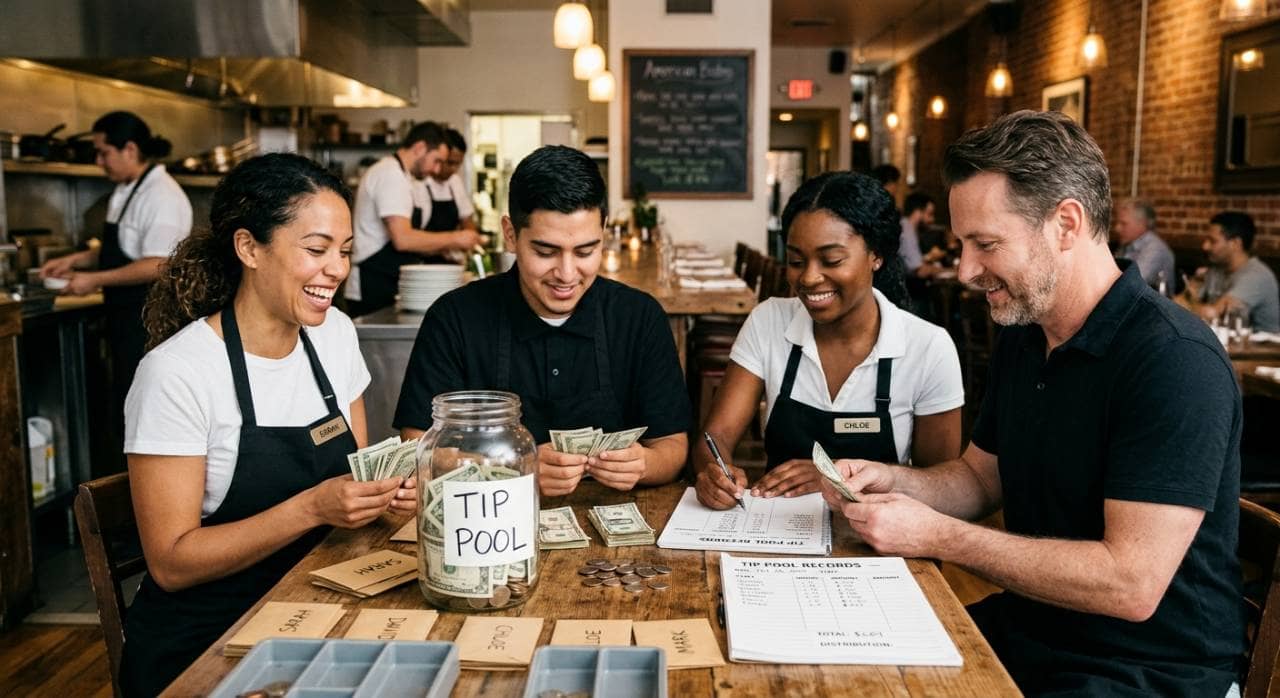
Understand tip pooling rules, employee eligibility, distribution methods, compliance requirements, recordkeeping practices, and policies restaurant owners need for proper tip management.
Oct 2, 2026

Whit's Frozen Custard hires industry veteran Amos Durbin as COO to guide franchise expansion, drawing on two decades of restaurant leadership experience.
Oct 2, 2026
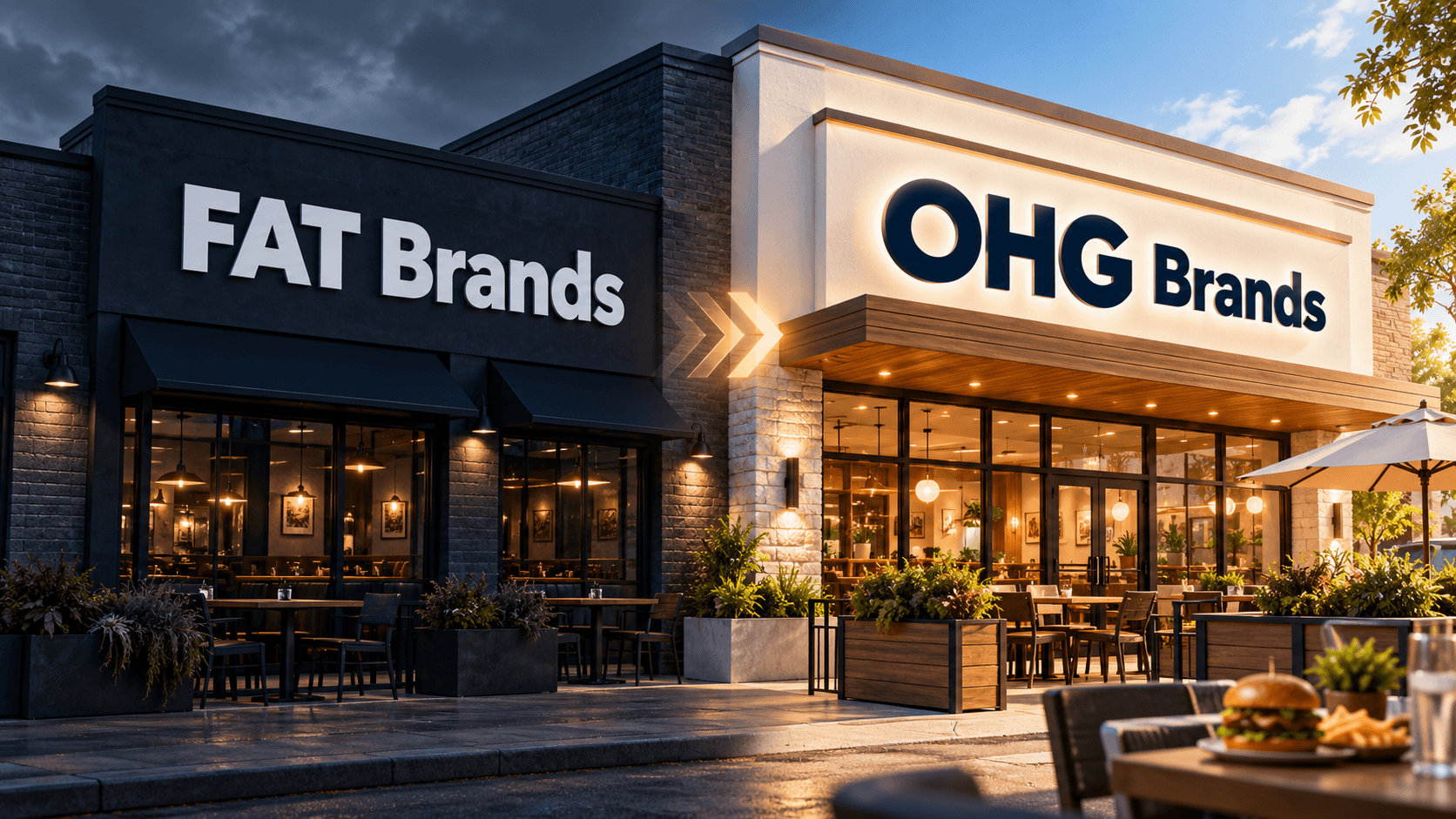
FAT Brands' $1B acquisition empire fell into bankruptcy and sold for $965M, re-emerging as OHG Brands with 1,700 restaurants.
Oct 1, 2026
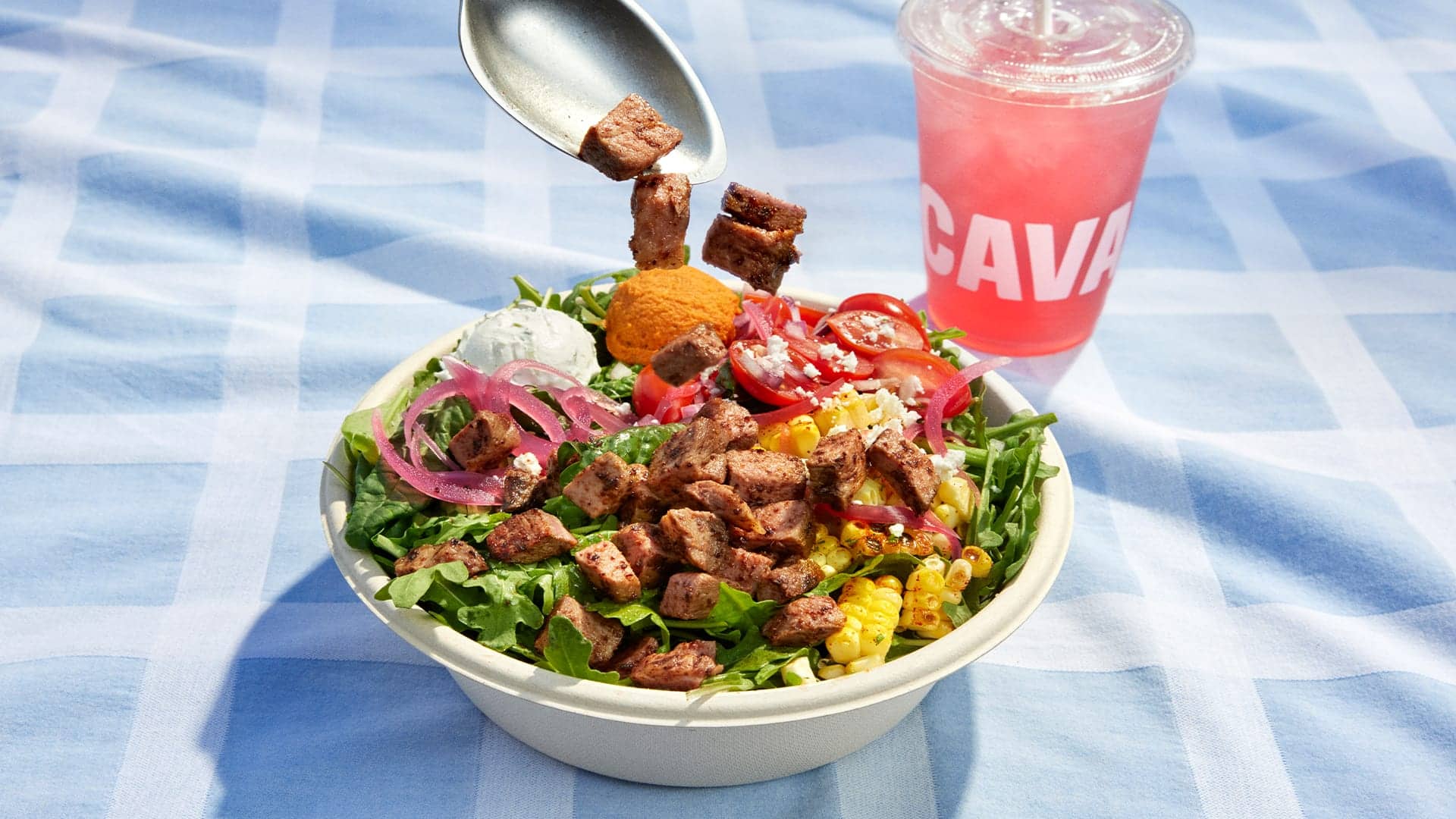
CAVA names John Ludeke, former Dr. Squatch Chief Brand Officer, as its new CMO to drive national growth and guest loyalty.
Oct 1, 2026
La Madeleine's CEO John Dillon steps down mid-turnaround, leaving a menu overhaul, new coffee program, and franchise growth plans in limbo.
Oct 1, 2026

Hot Head Burritos promotes longtime operator Peter Wiley to corporate VP, chief marketing and chief technology officer, blending brand strategy with tech oversight.
Oct 1, 2026

Unlock Exclusive Access To Webinars, Events, And The Latest News For Free!
52-unit chain launches six sandwiches around $10.95 with up to 39g protein as sandwich market growth outpaces fast casual.

Photo by Spencer Davis
Crisp & Green is stepping into the sandwich game. The 52-unit fast-casual chain rolled out its first-ever lineup of traditional sandwiches this week, six builds on house-baked bread that pack up to 39 grams of protein and land around $10.95. The timing fits the moment: sandwich-focused concepts have been outperforming peers while fast-casual sales growth cooled to just 3 percent last year, and projections point to the global sandwich market growing by some $43.8 million between 2024 and 2028 at a 4.98 percent compound annual rate.
The Minneapolis-founded brand had long flirted with handhelds through wraps, then heard guests asking for something more substantial that felt both convenient and satisfying. Steele Smiley, founder and executive chair, said, “As we’ve continued to innovate and evolve our menu, we’ve seen incredible enthusiasm for our handheld offerings, and sandwiches felt like the perfect next chapter for the brand,”
and added, “We took some of the most beloved sandwich classics and reimagined them in the Crisp & Green way, with premium ingredients, bold flavors and the same thoughtful craftsmanship our guests have come to expect.” The choice tracks with a year when sandwich chains showed resilience and with mounting pressure on operators to marry novelty and clear value, themes flagged in Consumer Edge’s 2026 Restaurant Outlook.
The new roster leans into familiar comforts made the Crisp & Green way. Highlights include the Cali Club, stacking chicken, bacon, tomato, oil and vinegar and creamy jalapeno green goddess dressing, and the Turkey Provo, a streamlined version of the Turkey BLT sans bacon. Every sandwich is built on freshly baked bread and labeled ingredient by ingredient, from roasted chicken or turkey to provolone and signature dressings like honey mustard and basil pesto, a transparency cue that guests have come to expect in fast casual.
Technomic’s Category Menu Insights report cites toast and English muffins as two of the fastest-growing carriers on chain menus, which makes the brand’s focus on house-baked artisan loaves feel like a pointed differentiator. A broader push toward protein innovation, with operators exploring diverse animal proteins beyond standard poultry and beef, continues to amplify interest in hearty, protein-forward builds.

The move also lands within a wider conversation about format. Zipporah Allen, Sweetgreen’s chief commercial officer, recently said the brand needs to “get beyond the bowl,” noting younger consumers looking for healthful ingredients seem to prefer a format that doesn’t require a fork. Freddy’s underscored the reverse dynamic this week with a line of bowls, including a Steakburger Bowl, Chicken Bowl and Veggie Burger Bowl. Portability is being reimagined in both directions, and sandwiches are playing a central role in that shuffle.
Price-wise, Crisp & Green’s sandwiches sit right where fast casual has been training guests to expect value. The about $10.95 mark mirrors what peers like Sweetgreen have set for wrap sandwiches. Consumer Edge cautions that inflation fatigue is nudging diners to prize affordability, quality and consistency, so getting the balance right matters. Technomic data shows chain restaurant sales growth slowed to 3 percent in 2025, yet sandwich concepts outpaced the overall segment. By 2026, the line between traditional quick-service and fast casual has blurred, with fast casual sales topping $200 billion amid a push for clear value in menu innovation. Pair that with the projected rise of the global sandwich market, and the case for protein-rich handhelds feels sturdy.

There are still blanks to fill in. Crisp & Green has not released post-launch sales or guest satisfaction data, which keeps the long-term read on this platform in wait-and-see mode. Operators are also wrestling with labor shortages and supply-chain volatility, including potential disruptions from extreme weather and global conflicts that can affect the consistency and cost of house-baked bread and protein sourcing. Looking ahead, the chain’s move into sandwiches may signal a broader handheld platform as demand for portable, protein-rich meals continues to rise. Brands that lean into clear value propositions and transparent ingredients are positioned to meet that appetite with confidence.