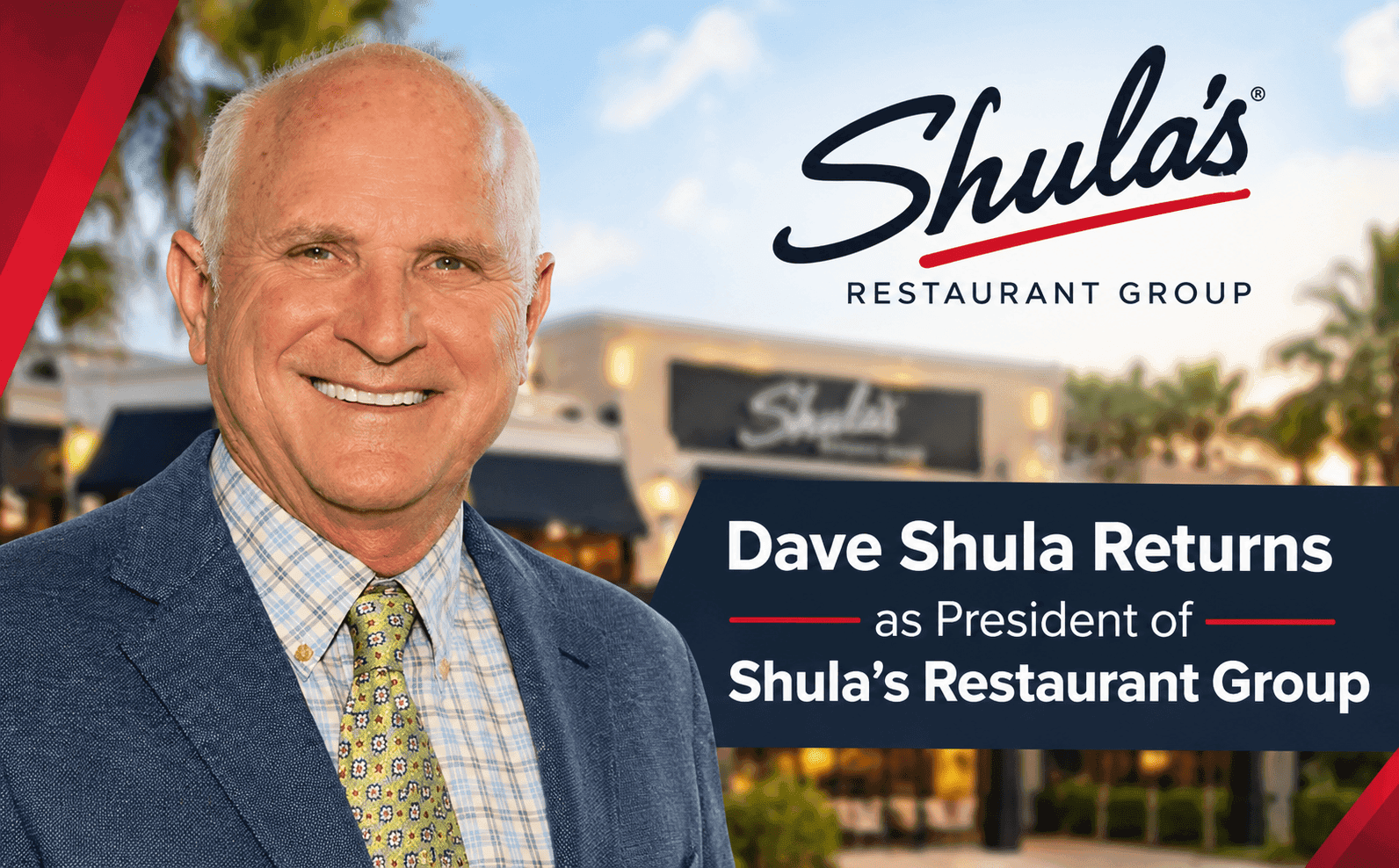
Dave Shula Returns as President of Shula's Restaurant Group
Dave Shula rejoins Shula's Restaurant Group as president, leading growth into Palm Beach Gardens and a 2027 Thomasville, Georgia expansion.
News
Sep 23, 2026
Dave Shula rejoins Shula's Restaurant Group as president, leading growth into Palm Beach Gardens and a 2027 Thomasville, Georgia expansion.
Sep 23, 2026
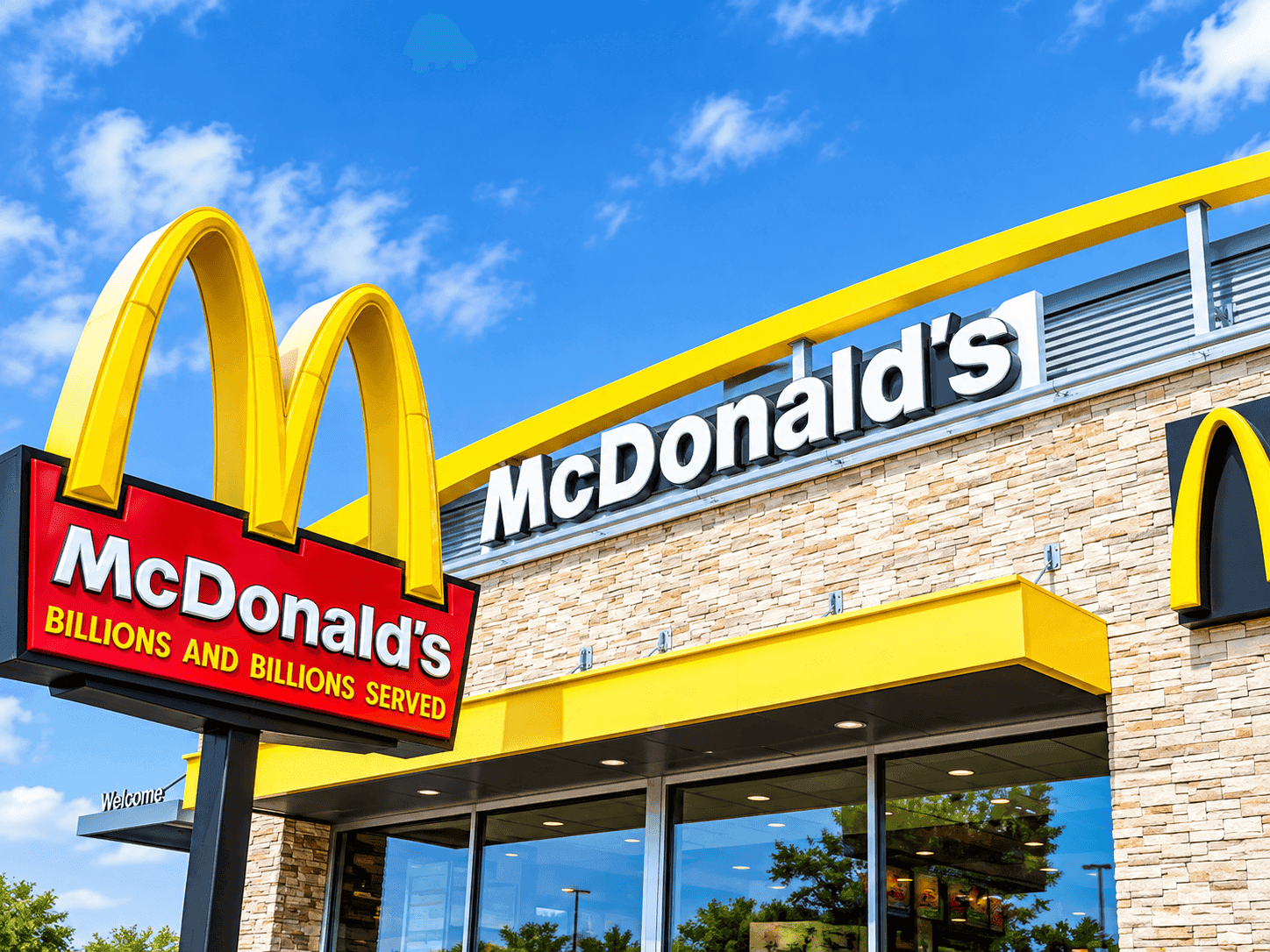
McDonald's commits $8.5 billion through 2036 to modernize restaurants, boost cash flow by $100,000 per store, and grow chicken and beverage sales.
Sep 23, 2026
WKS Restaurant Group promotes Jay Spongberg to president and COO after he helped grow the company from 65 to 382 restaurants over 16 years.
Sep 23, 2026

Smokey Mo's BBQ names Von Dawson, a Dine Brands veteran, as VP of Franchise Development to lead its Texas expansion strategy.
Sep 23, 2026
.png&w=3840&q=70)
Meritage Hospitality's Chapter 11 filing pulls 5% of Wendy's U.S. stores into bankruptcy, exposing cracks in franchising's bigger-is-safer bet.
Sep 21, 2026
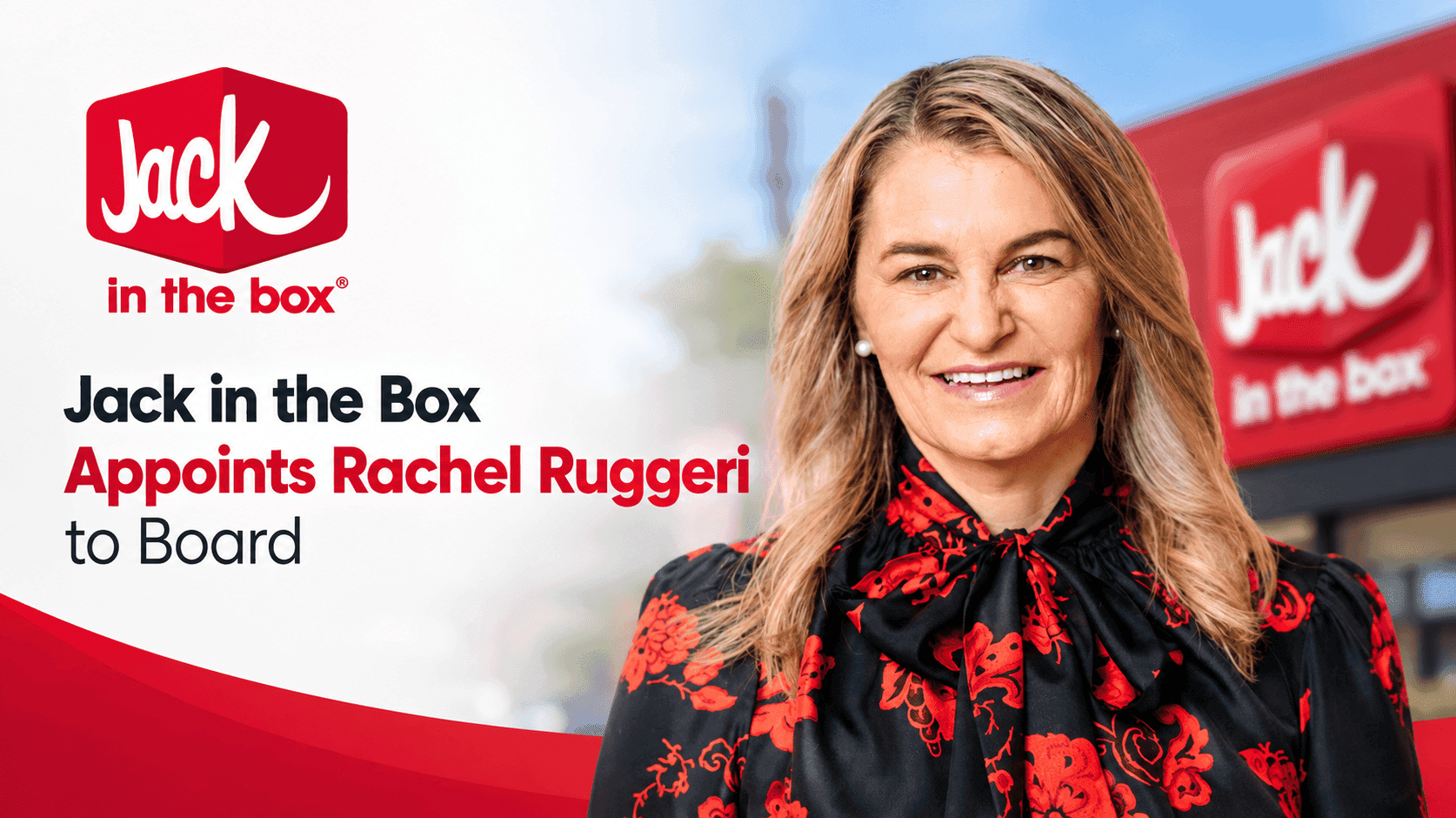
Jack in the Box names Rachel Ruggeri to its board as Michael Murphy retires, amid a CEO transition and deal with investor GreenWood.
Sep 21, 2026

Improve restaurant Google Maps rankings by optimizing your business profile, selecting accurate categories, gathering reviews, adding photos, and strengthening local relevance signals.
Sep 21, 2026

Restaurant inventory tracking helps owners monitor stock, control food costs, reduce waste, improve purchasing, and make informed operational decisions.
Sep 21, 2026

Restaurant owners can significantly reduce restaurant costs by leveraging technology across inventory, labor, procurement, forecasting, and administrative operations for better profit margins.
Sep 18, 2026

Understand how to forecast restaurant revenue and expenses with methods for sales projection, cost scaling, fixed-cost planning, and risk buffering.
Sep 18, 2026

Unlock Exclusive Access To Webinars, Events, And The Latest News For Free!
Discover why raising food safety standards is paramount for the success of restaurants. Learn how negligence in food safety can lead to financial losses and reputation damage.

Photo by Shawn
The restaurant industry is facing grave challenges, with a significant portion of establishments failing within their first five years of operation. Amid economic uncertainties and evolving consumer preferences, maintaining high food safety standards emerges as a paramount factor for restaurants to safeguard themselves from substantial financial setbacks. Despite the persistent health and financial risks posed by foodborne illnesses, statistics indicate a stagnant trend in the number of outbreaks stemming from retail foodservice providers in recent years.

Photo by Shawn
Recent data from the Centers for Disease Control and Prevention underscores the severity of the situation, revealing that in 2023 alone, retail foodservice establishments in the U.S. were responsible for 307 outbreaks, causing 4,429 illnesses and seven fatalities. These numbers signify a significant portion of the total foodborne disease outbreaks across the country. The lack of improvement in these figures over the past decade has intensified the onus on foodservice operators to enhance their food safety protocols.
As governmental health agencies face budget cuts and staff shortages, the responsibility for ensuring food safety in the industry falls increasingly on the shoulders of restaurant owners and operators. By focusing on governance to minimize food safety risks, the sector can actively work towards reducing the frequency of outbreaks and associated illnesses. Strengthening hygiene standards and operational practices is pivotal to combating the prevalence of foodborne diseases.

Photo by Shawn
Norovirus stands out as a primary culprit behind foodborne illnesses, predominantly transmitted through infected food handlers handling ready-to-eat foods in restaurants and similar settings. These environments offer a critical juncture for enhancing control measures to curb the spread of pathogens. Maintaining stringent hygiene standards not only mitigates health hazards but also enhances customer trust and loyalty.
Photo by Shawn
In light of recent food safety incidents and customer demands for cleanliness, restaurant operators must cultivate a culture of accountability and leadership in upholding hygiene standards. Neglecting these expectations poses significant risks, both in terms of public health implications and negative business outcomes. Embracing the imperative of clean operations is no longer a choice; it is a fundamental necessity for sustainable success in the industry.
With regulatory frameworks becoming more strained, restaurant operators are urged to not just meet basic compliance requirements but to proactively lead in public health initiatives. Recognizing that a single incident can have far-reaching consequences, prioritizing pristine operations is no longer a nicety but a critical mandate. The industry is on the brink of a new era of food safety, emphasizing the significance of vigilance at the point of service.