True Food Kitchen Files Bankruptcy, Closes 12 Sites
True Food Kitchen filed for Chapter 11 bankruptcy, closing 12 locations and shrinking to 34 restaurants across 14 states amid $42.1 million in debt.
News
Oct 5, 2026
True Food Kitchen filed for Chapter 11 bankruptcy, closing 12 locations and shrinking to 34 restaurants across 14 states amid $42.1 million in debt.
Oct 5, 2026

Snooze Eatery names industry veteran Amy Hom as COO, starting Sept. 28, to strengthen hospitality and operations ahead of its next growth phase.
Oct 5, 2026
Restaurants can control operating costs by tracking food, labor, rent, utilities, technology, marketing, and other expenses against sales.
Oct 5, 2026

Opening a second restaurant location requires readiness, clear goals, financial planning, funding, smart strategy, standardized operations, strong teams, and careful launch monitoring for sustainable growth.
Sep 30, 2026

Evaluate restaurant industry performance in Q3 2026 through key trends affecting restaurant sales, traffic, consumer spending, labor, costs, and technology.
Oct 2, 2026
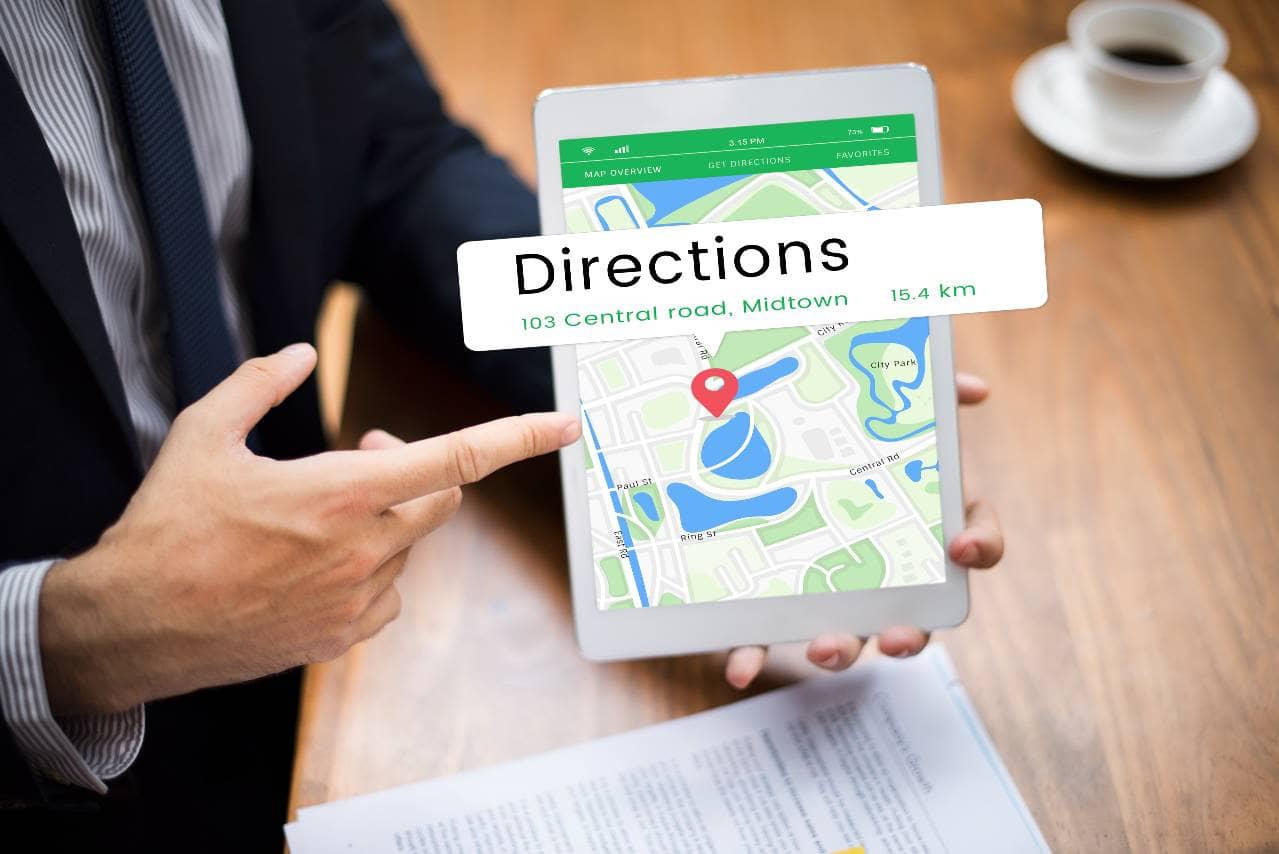
Improve restaurant visibility with local SEO by optimizing Google Business Profile, targeting local keywords, managing reviews, and maintaining accurate online information.
Oct 5, 2026
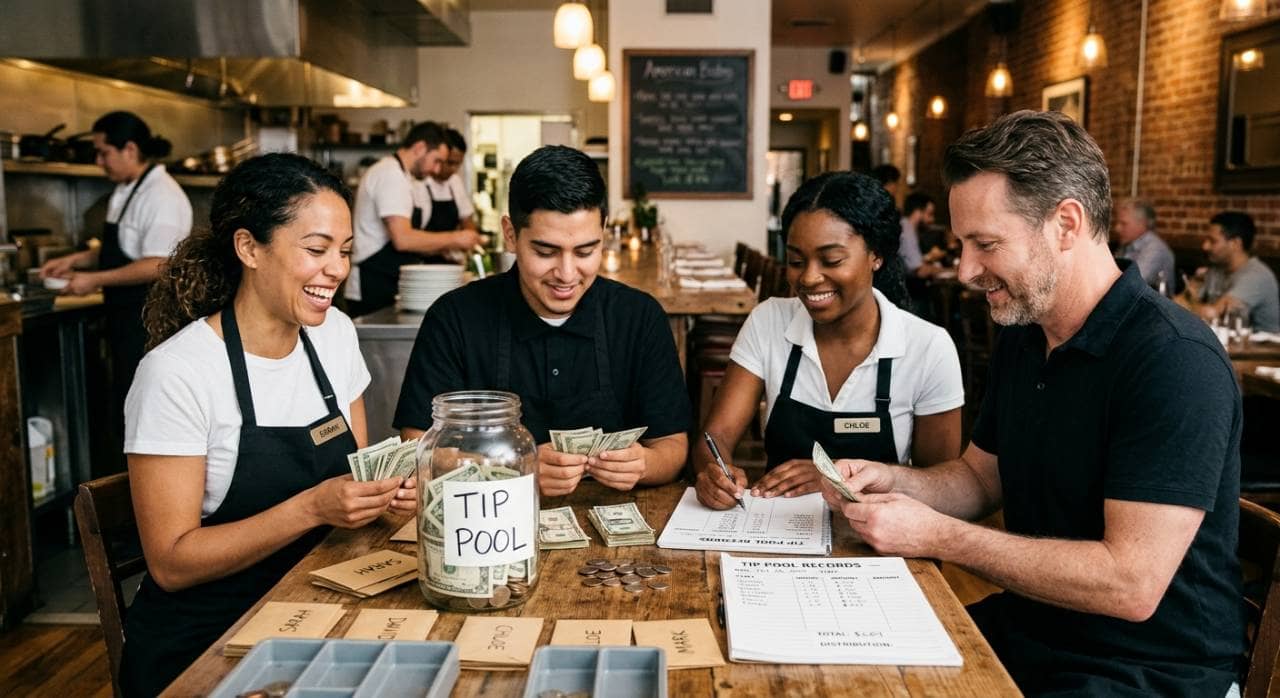
Understand tip pooling rules, employee eligibility, distribution methods, compliance requirements, recordkeeping practices, and policies restaurant owners need for proper tip management.
Oct 2, 2026

Whit's Frozen Custard hires industry veteran Amos Durbin as COO to guide franchise expansion, drawing on two decades of restaurant leadership experience.
Oct 2, 2026
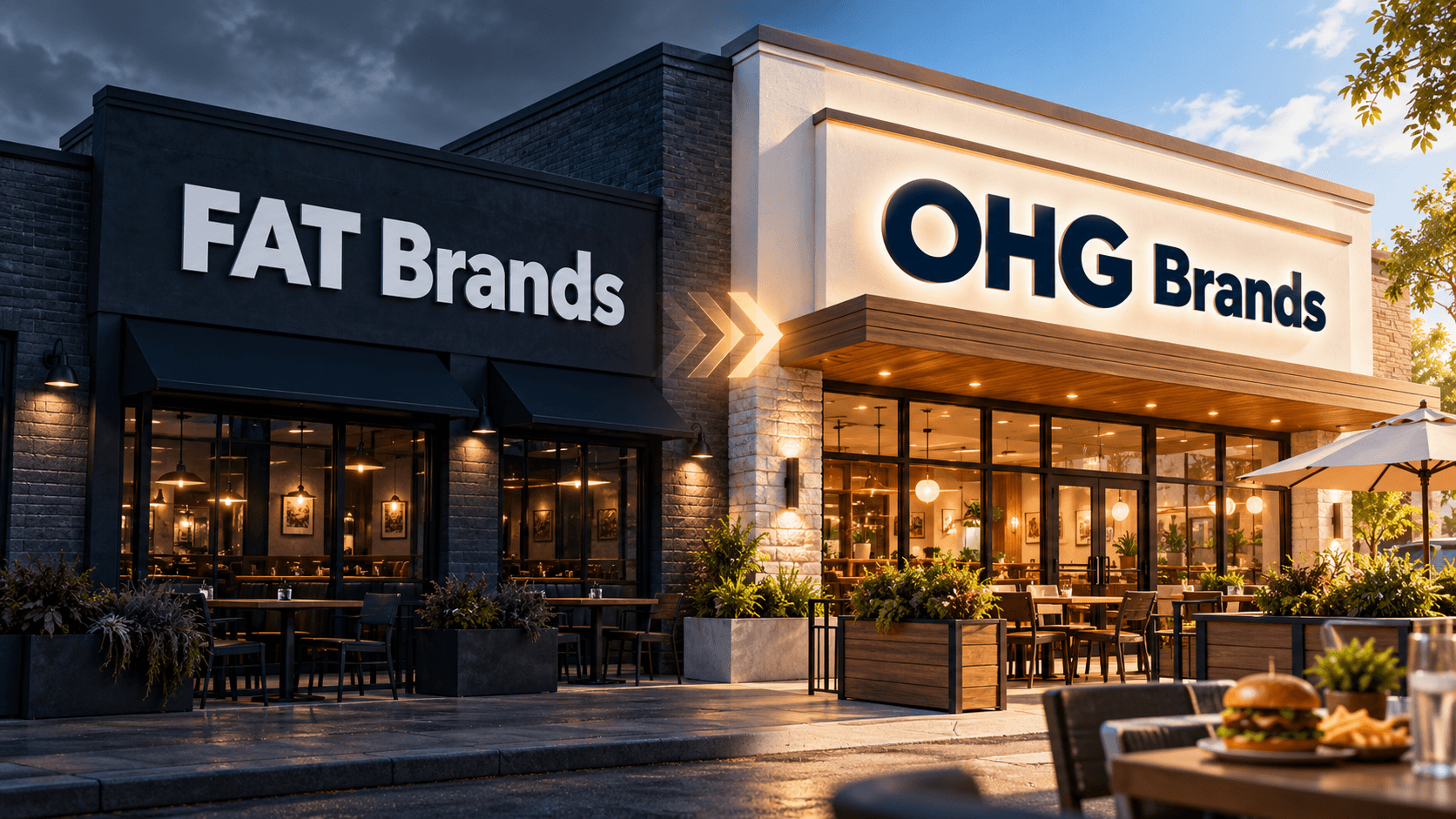
FAT Brands' $1B acquisition empire fell into bankruptcy and sold for $965M, re-emerging as OHG Brands with 1,700 restaurants.
Oct 1, 2026
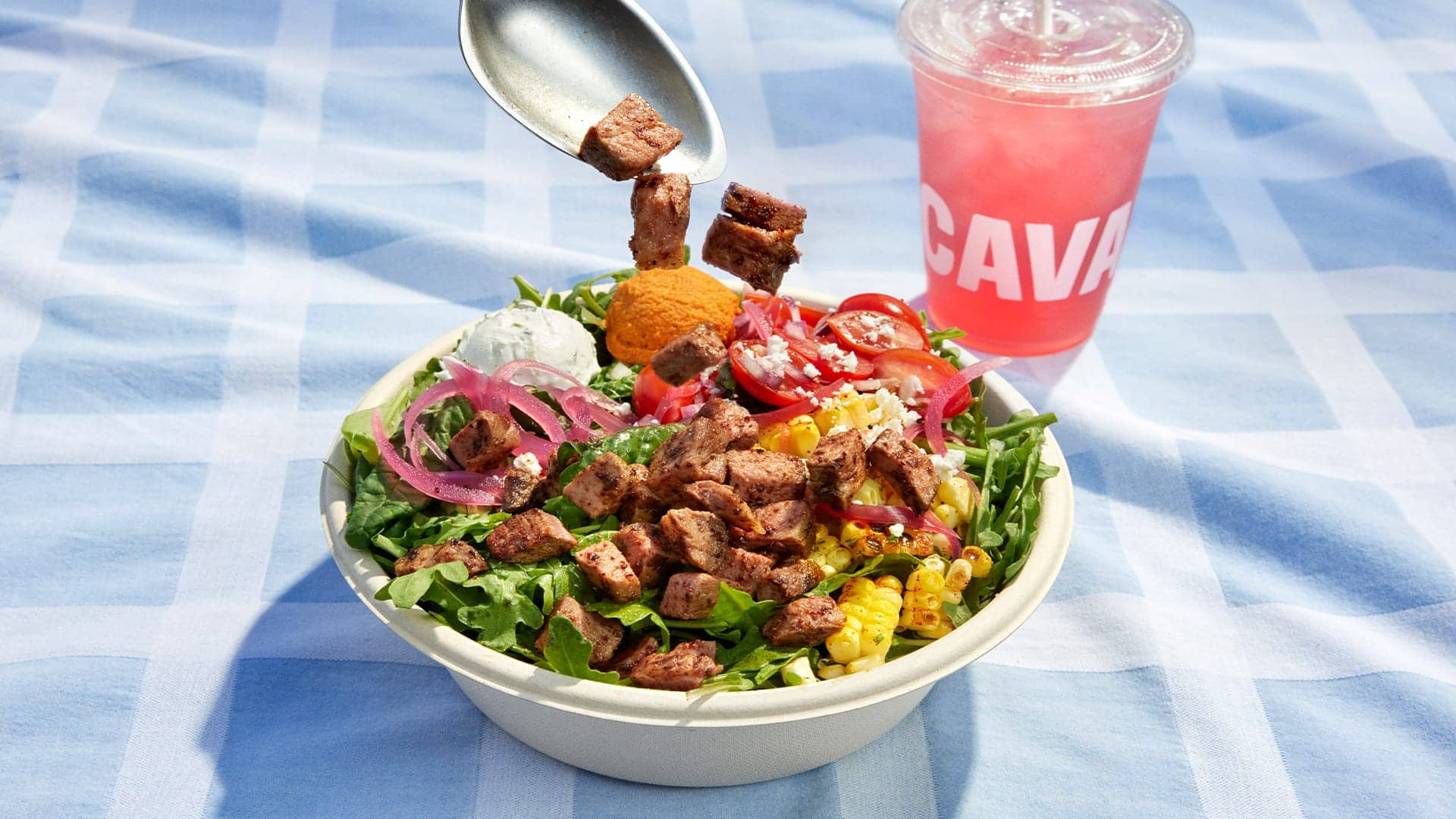
CAVA names John Ludeke, former Dr. Squatch Chief Brand Officer, as its new CMO to drive national growth and guest loyalty.
Oct 1, 2026

Unlock Exclusive Access To Webinars, Events, And The Latest News For Free!
Explore the latest trends in alcoholic and non-alcoholic beverages, from flavorful cocktails to creative mocktails. Learn how restaurants can optimize their drink menus to meet customer expectations and boost sales.

Photo by Mitchell Hollander
The beverage landscape in restaurants is evolving, with a shift towards more adventurous and unique flavors. East Coast Wings + Grill's introduction of peach and mango cocktails infused with jalapeño tequila exemplifies the trend of bold and flavorful drink offerings.
With the increasing demand for healthier and more diverse drink options, the industry is witnessing a surge in no- and low-alcohol beverages that mimic the taste and appearance of traditional cocktails. These offerings provide customers with the choice of enjoying flavorful drinks without the high alcohol content.
When developing drink menus, restaurants are advised to strike a balance between uniqueness and consistency. Creating drinks that align with the brand's identity while catering to customer preferences is crucial. It's essential to offer a diverse selection that can be efficiently prepared at scale to meet customer demands quickly.

Photo by Mitchell Hollander
Restaurants are expanding their offerings to include mocktails, appealing to a growing segment of consumers who prefer non-alcoholic options. By adapting popular cocktails into non-alcoholic versions without compromising on taste, establishments like Angry Crab Shack are catering to a broader audience looking for unique and flavorful alternatives.

Photo by Mitchell Hollander
To ensure the success of new drink items, restaurants should leverage local ordering data to understand customer preferences accurately. Monitoring Cost of Goods Sold (COGS) and Product Mix (PMIX) reports is vital in assessing the profitability of each item on the menu. By aligning offerings with customer demand and profitability, restaurants can optimize their beverage menus for success.

Photo by Mitchell Hollander
Maintaining consistency across a brand is key when introducing new menu items, especially in the beverage category. Thorough training programs, like the one implemented by Maggiano’s Little Italy, ensure that staff are well-equipped to deliver a standardized and high-quality drink experience. Each new cocktail or mocktail should reflect the restaurant's identity and enhance the overall dining atmosphere.
Photo by Mitchell Hollander