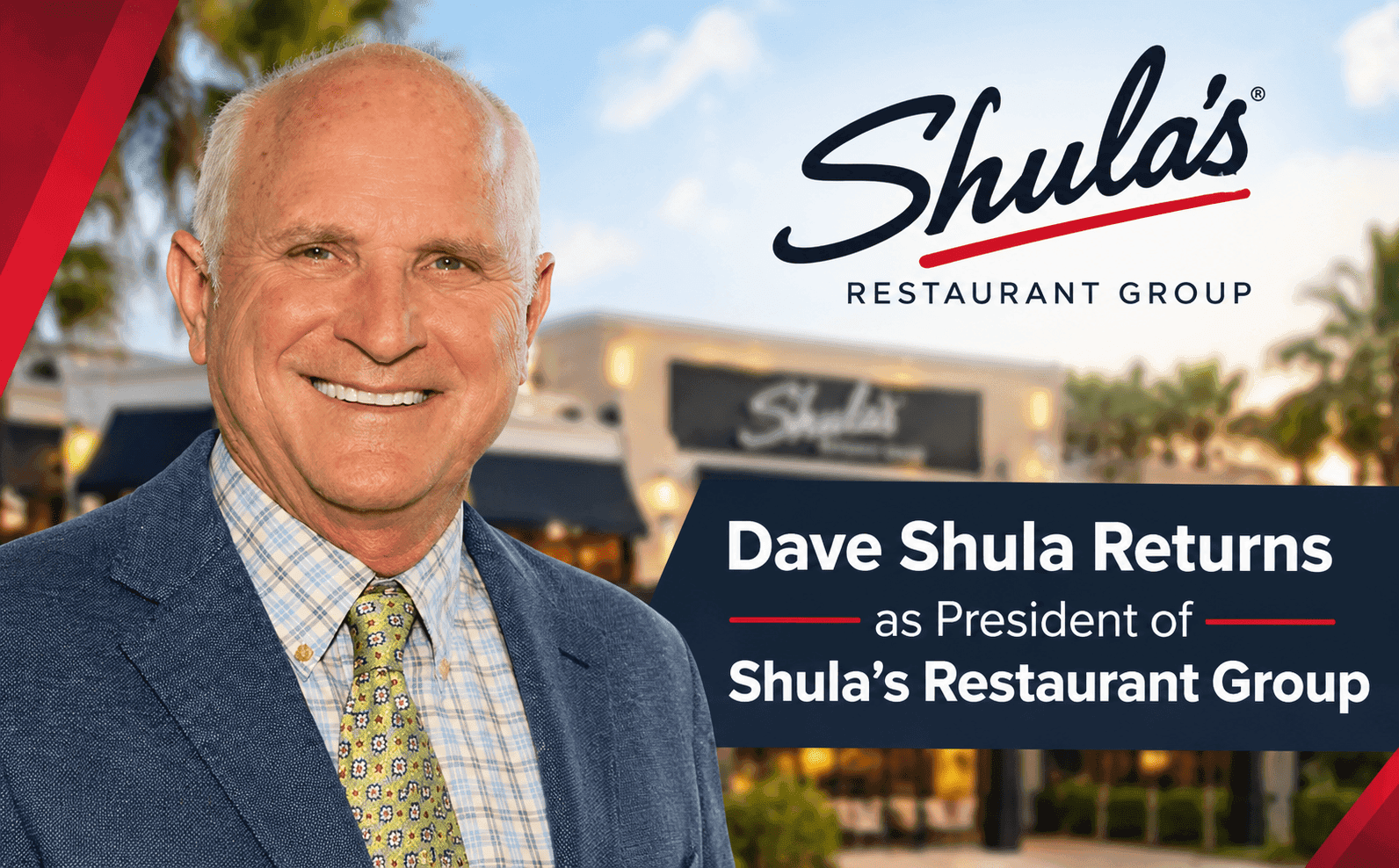
Dave Shula Returns as President of Shula's Restaurant Group
Dave Shula rejoins Shula's Restaurant Group as president, leading growth into Palm Beach Gardens and a 2027 Thomasville, Georgia expansion.
News
Sep 23, 2026
Dave Shula rejoins Shula's Restaurant Group as president, leading growth into Palm Beach Gardens and a 2027 Thomasville, Georgia expansion.
Sep 23, 2026
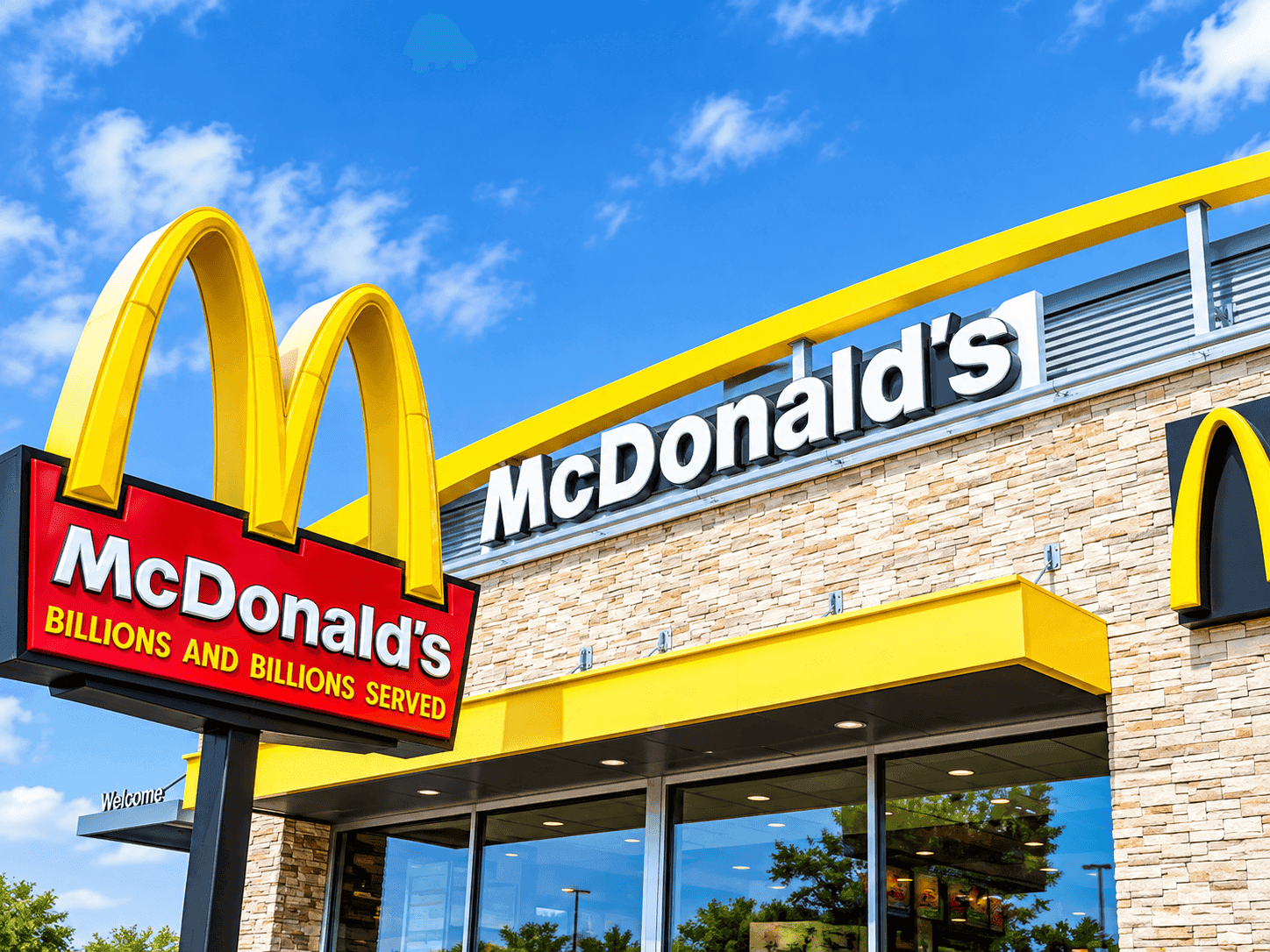
McDonald's commits $8.5 billion through 2036 to modernize restaurants, boost cash flow by $100,000 per store, and grow chicken and beverage sales.
Sep 23, 2026
WKS Restaurant Group promotes Jay Spongberg to president and COO after he helped grow the company from 65 to 382 restaurants over 16 years.
Sep 23, 2026

Smokey Mo's BBQ names Von Dawson, a Dine Brands veteran, as VP of Franchise Development to lead its Texas expansion strategy.
Sep 23, 2026
.png&w=3840&q=70)
Meritage Hospitality's Chapter 11 filing pulls 5% of Wendy's U.S. stores into bankruptcy, exposing cracks in franchising's bigger-is-safer bet.
Sep 21, 2026
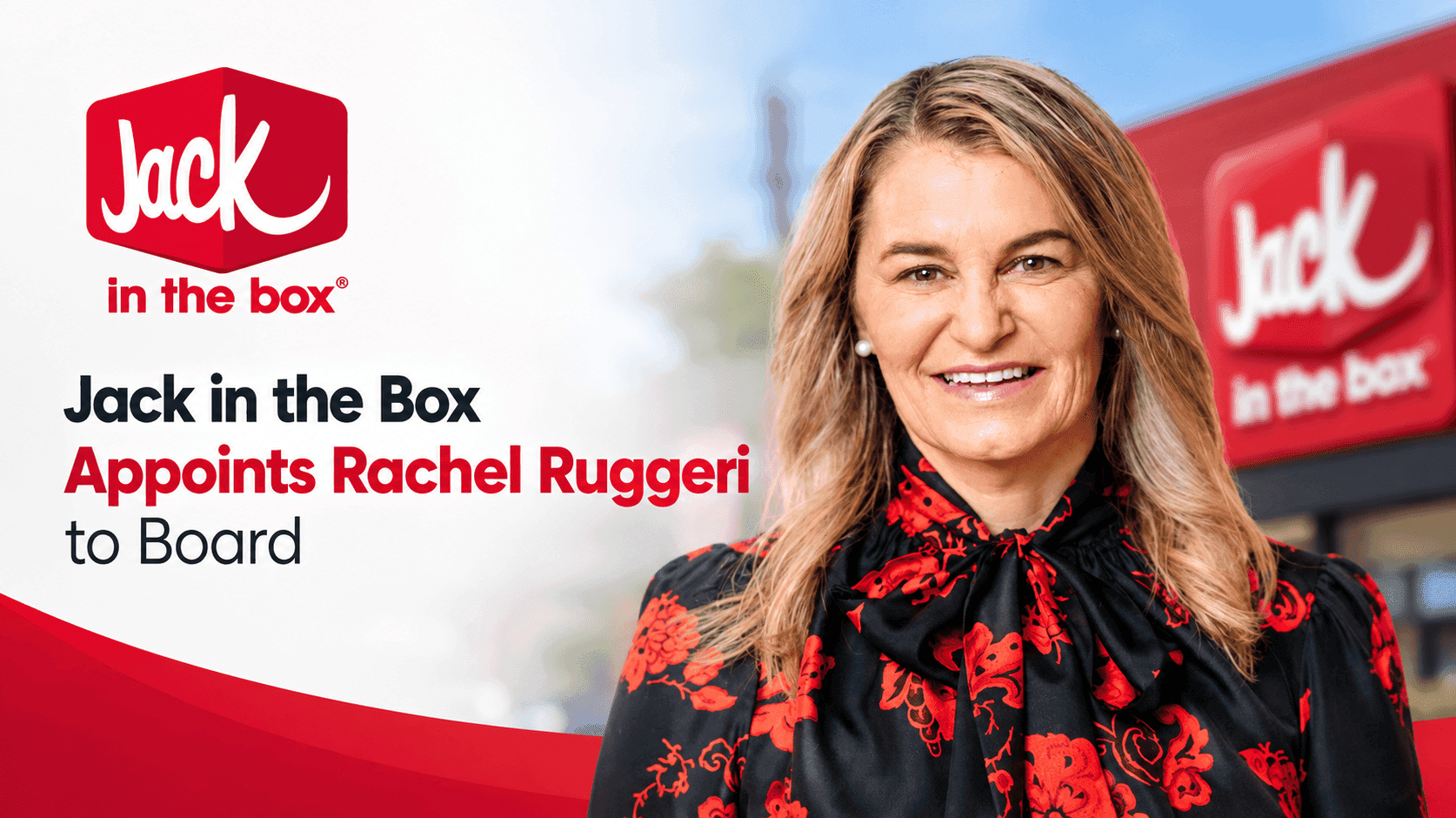
Jack in the Box names Rachel Ruggeri to its board as Michael Murphy retires, amid a CEO transition and deal with investor GreenWood.
Sep 21, 2026
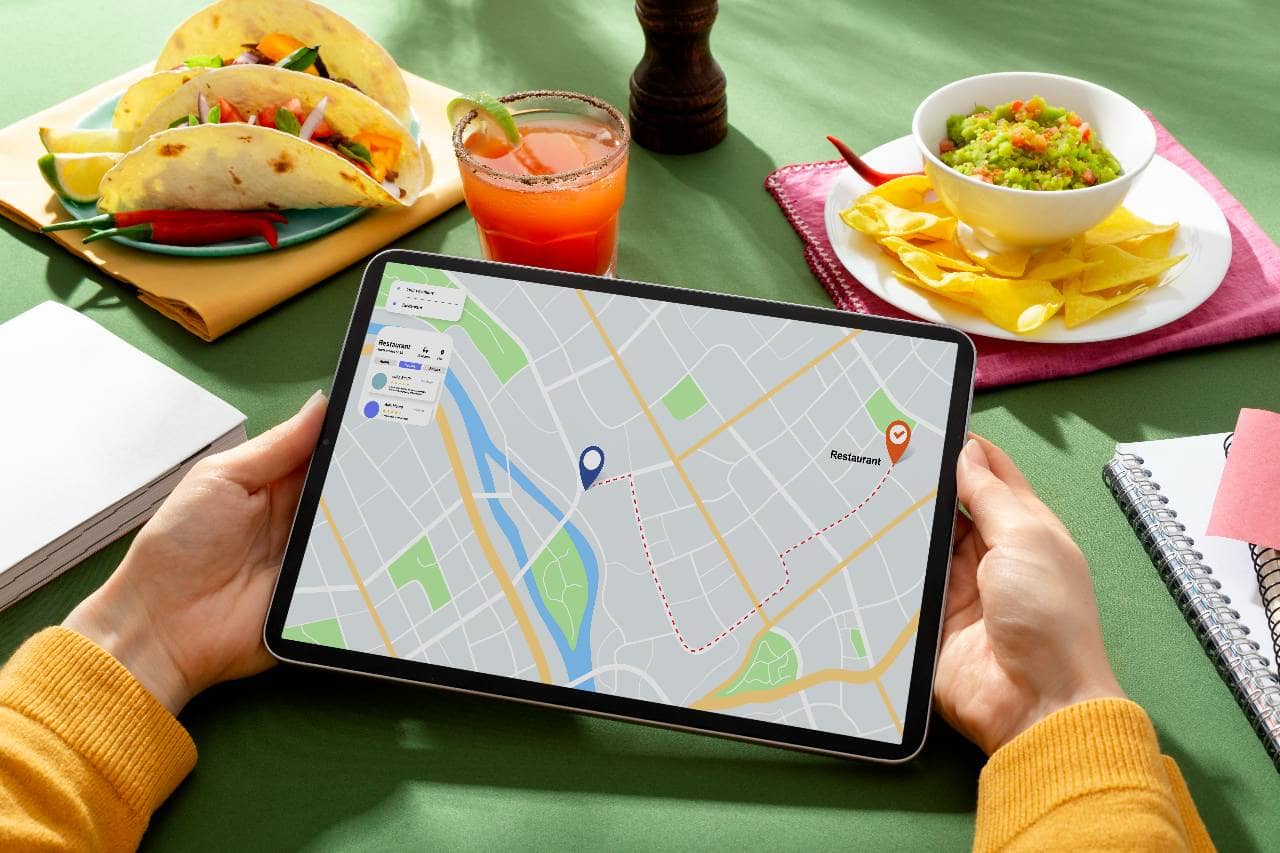
Improve restaurant Google Maps rankings by optimizing your business profile, selecting accurate categories, gathering reviews, adding photos, and strengthening local relevance signals.
Sep 21, 2026

Restaurant inventory tracking helps owners monitor stock, control food costs, reduce waste, improve purchasing, and make informed operational decisions.
Sep 21, 2026

Restaurant owners can significantly reduce restaurant costs by leveraging technology across inventory, labor, procurement, forecasting, and administrative operations for better profit margins.
Sep 18, 2026

Understand how to forecast restaurant revenue and expenses with methods for sales projection, cost scaling, fixed-cost planning, and risk buffering.
Sep 18, 2026

Unlock Exclusive Access To Webinars, Events, And The Latest News For Free!
Explore how shifting consumer trends towards delivery orders are impacting same-store sales and how restaurants can optimize their operations to benefit from this trend.

Photo by Jay Wennington
The current landscape of the restaurant industry is witnessing a significant trend where consumers are increasingly opting for delivery orders over traditional pickup options. This shift, as highlighted by industry experts, has the potential to substantially boost same-store sales for restaurants. Analysts from BTIG emphasized the impact of this transition, projecting that the move towards more delivery orders can contribute several hundred basis points to same-store sales in the foreseeable future.
One of the prominent examples showcasing the potential of delivery orders to drive sales growth is Olive Garden. In fiscal Q4 2025, Olive Garden reported a remarkable 6.9% increase in same-store sales, with a 1.7% growth rate for the entire fiscal year, as indicated in their earnings release. This success can be attributed, in part, to the strategic shift towards promoting delivery channels that have resonated well with consumers.
BTIG's analysis further delves into the financial impact of delivery services on restaurants like Olive Garden. The report suggests that for every $100 million in delivery sales, there could be a 2% positive impact on same-store sales. Additionally, if 20% to 30% of existing small order takeout transitions to delivery, a 2% incremental growth in same-store sales could be achieved. This underscores the significant revenue potential that delivery services offer for restaurants aiming to enhance their sales performance.

Photo by Jay Wennington
To capitalize on the growing demand for delivery services, restaurants must implement operational strategies that optimize the delivery experience for customers. Maintaining a seamless delivery process, ensuring timely deliveries, and offering a diverse menu tailored for delivery are crucial components for success. By focusing on operational efficiency and customer satisfaction, restaurants can effectively leverage the shift towards delivery to drive overall sales growth.
Insights from Olive Garden's experience highlight the impact of delivery services on customer demographics and behavior. The data suggests that there is a minimal overlap between dine-in and delivery guests, with delivery guests displaying higher frequency and comprising a significant portion of new or lapsed customers. Moreover, the transition from pickup to delivery has attracted a younger demographic with slightly higher income, indicating a shift in consumer preferences towards convenience and quality service.

Photo by Jay Wennington
Looking ahead, restaurant chains like Darden recognize the importance of reinvesting profits from successful delivery services back into the business for long-term growth. By allocating resources to enhance delivery operations and expand service offerings, restaurants can not only sustain current growth but also position themselves for future success in a competitive market. This proactive approach to reinvestment demonstrates a commitment to optimizing operational efficiency and catering to evolving consumer preferences.