
True Food Kitchen Files Bankruptcy, Closes 12 Sites
True Food Kitchen filed for Chapter 11 bankruptcy, closing 12 locations and shrinking to 34 restaurants across 14 states amid $42.1 million in debt.
News
Oct 5, 2026
True Food Kitchen filed for Chapter 11 bankruptcy, closing 12 locations and shrinking to 34 restaurants across 14 states amid $42.1 million in debt.
Oct 5, 2026

Snooze Eatery names industry veteran Amy Hom as COO, starting Sept. 28, to strengthen hospitality and operations ahead of its next growth phase.
Oct 5, 2026
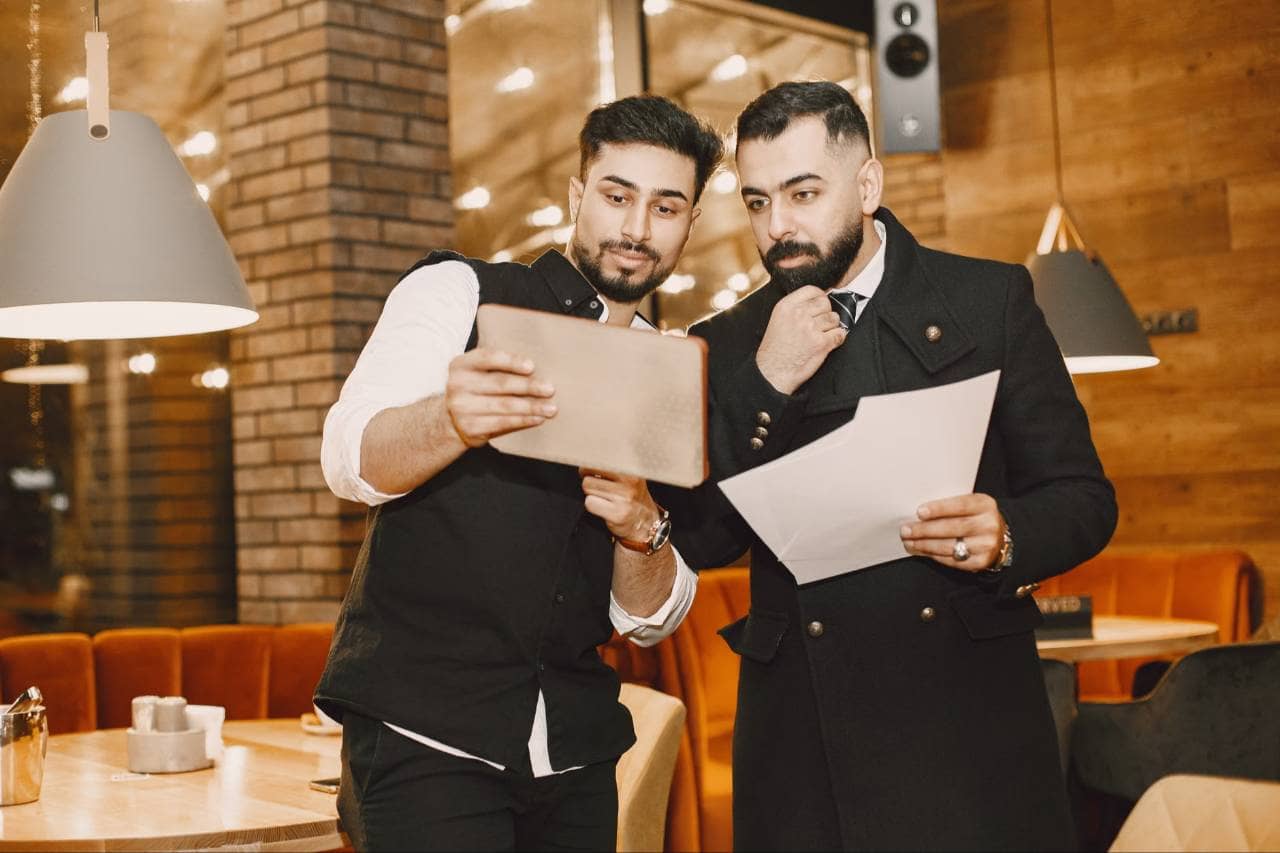
Evaluate restaurant industry performance in Q3 2026 through key trends affecting restaurant sales, traffic, consumer spending, labor, costs, and technology.
Oct 2, 2026

Opening a second restaurant location requires readiness, clear goals, financial planning, funding, smart strategy, standardized operations, strong teams, and careful launch monitoring for sustainable growth.
Sep 30, 2026
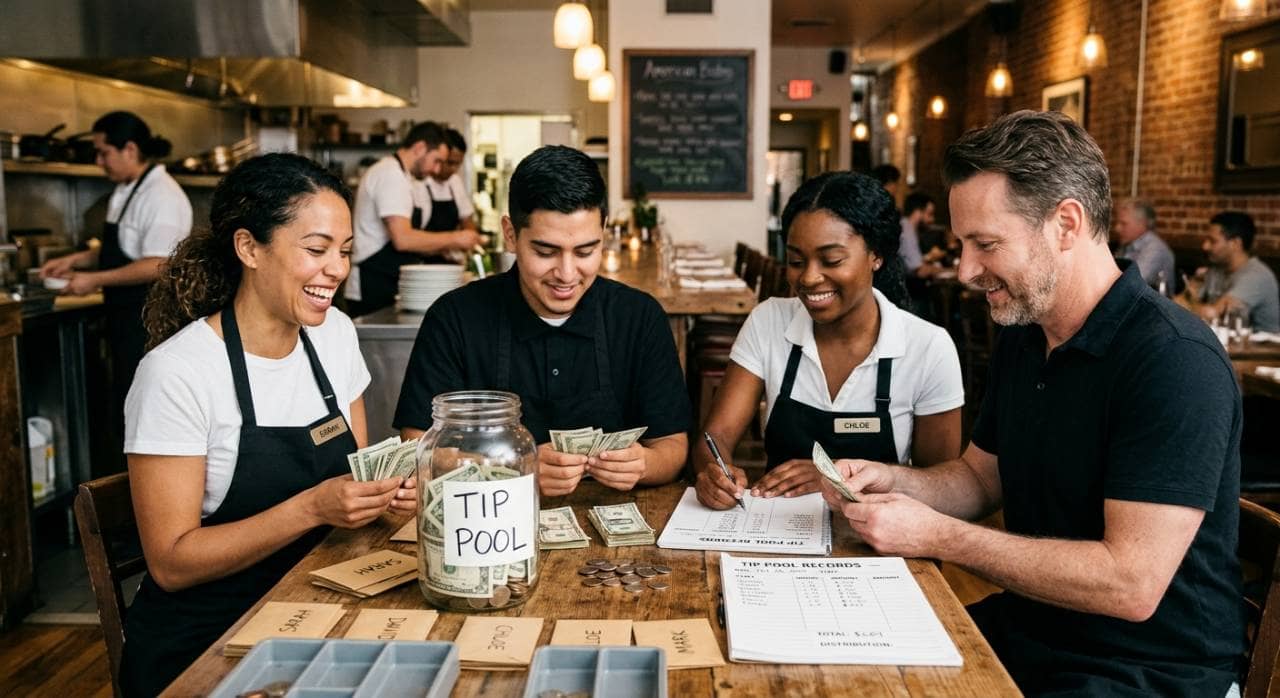
Understand tip pooling rules, employee eligibility, distribution methods, compliance requirements, recordkeeping practices, and policies restaurant owners need for proper tip management.
Oct 2, 2026

Whit's Frozen Custard hires industry veteran Amos Durbin as COO to guide franchise expansion, drawing on two decades of restaurant leadership experience.
Oct 2, 2026
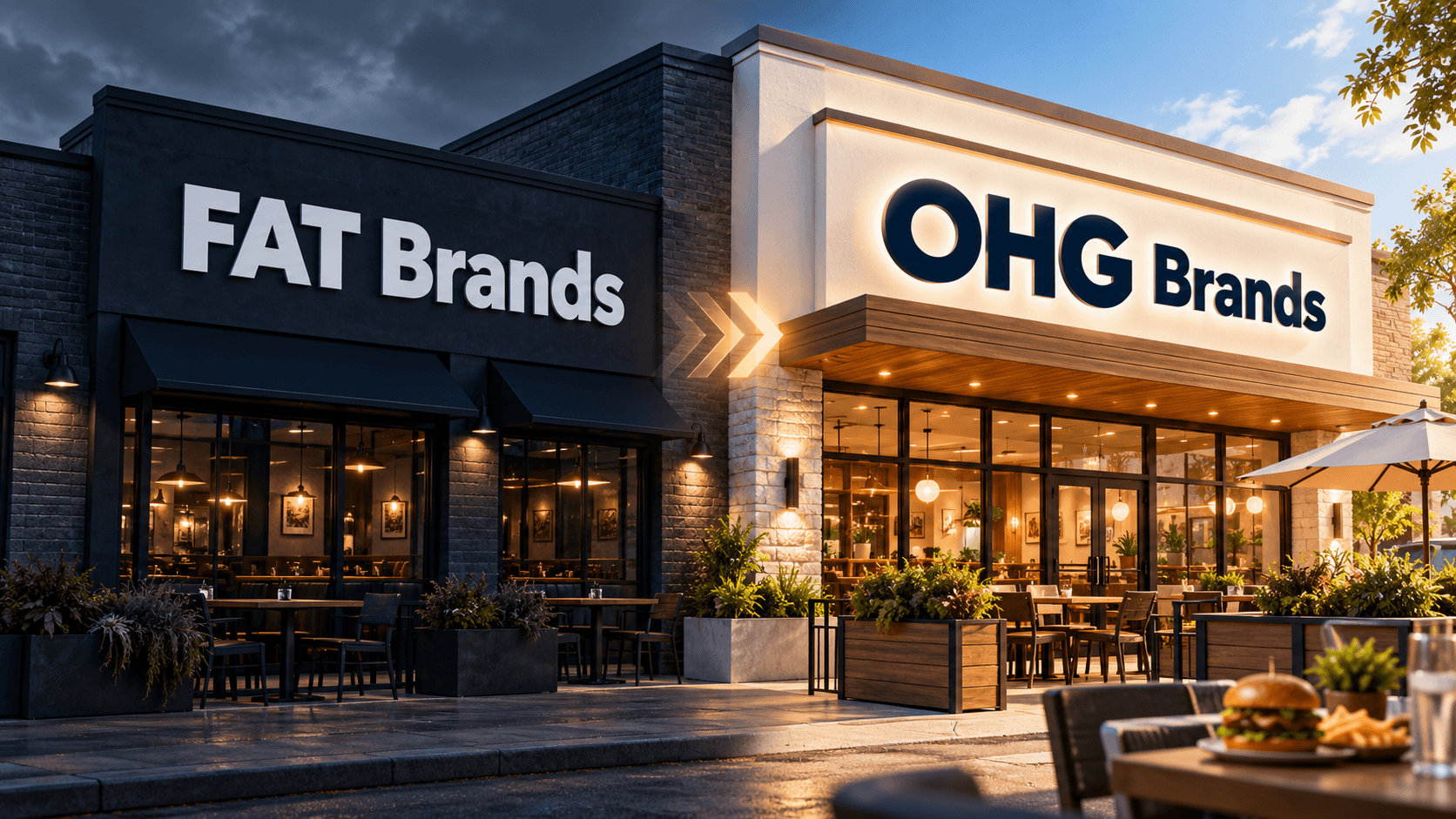
FAT Brands' $1B acquisition empire fell into bankruptcy and sold for $965M, re-emerging as OHG Brands with 1,700 restaurants.
Oct 1, 2026
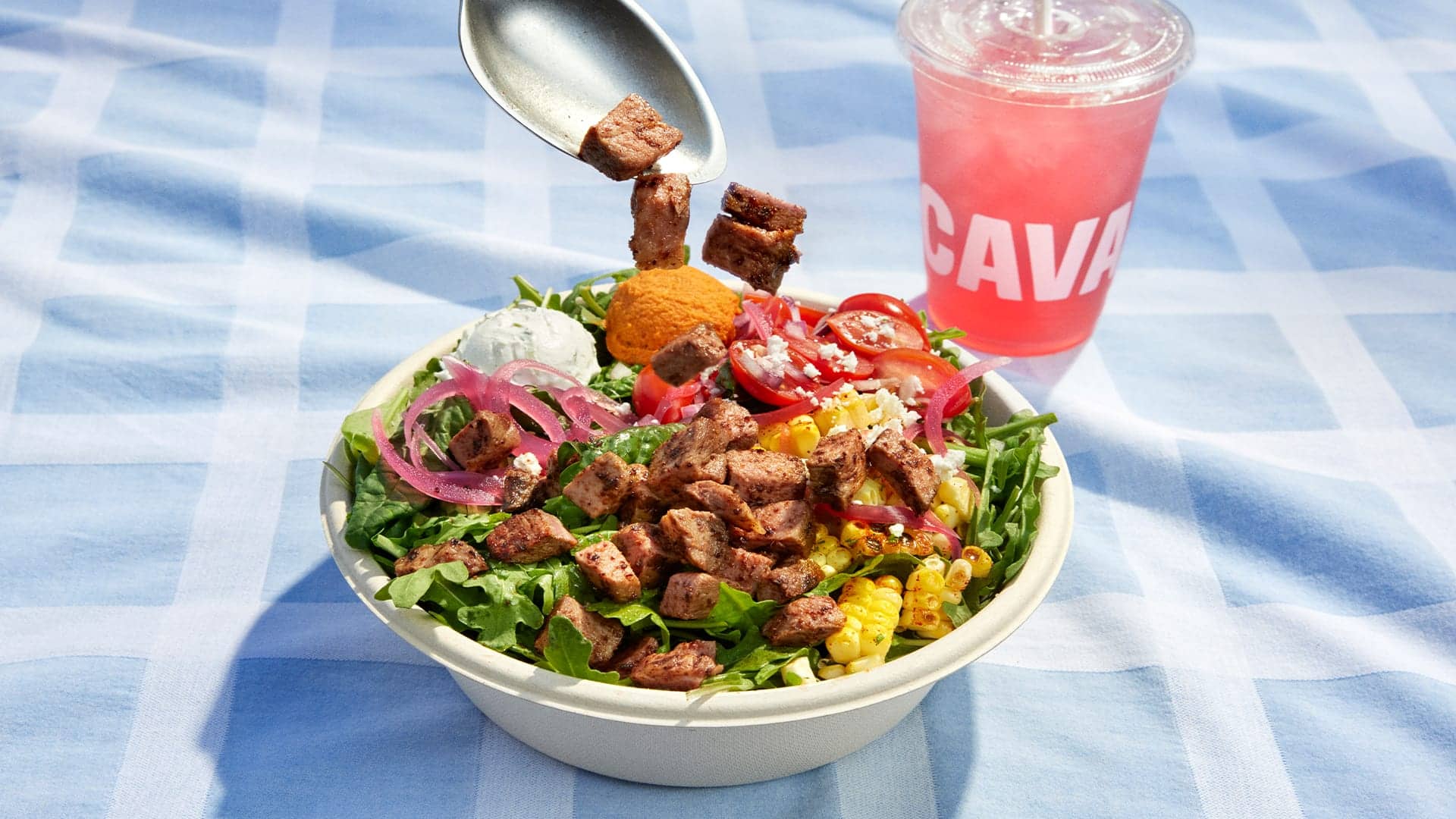
CAVA names John Ludeke, former Dr. Squatch Chief Brand Officer, as its new CMO to drive national growth and guest loyalty.
Oct 1, 2026
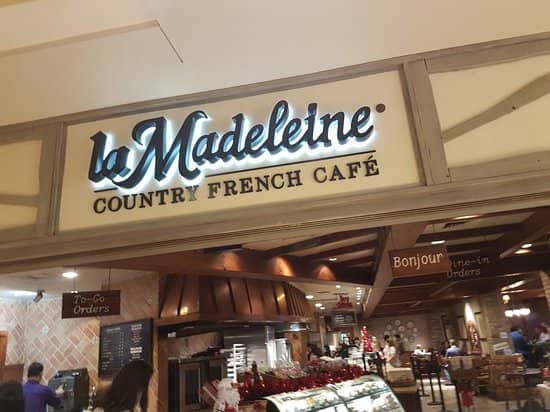
La Madeleine's CEO John Dillon steps down mid-turnaround, leaving a menu overhaul, new coffee program, and franchise growth plans in limbo.
Oct 1, 2026

Hot Head Burritos promotes longtime operator Peter Wiley to corporate VP, chief marketing and chief technology officer, blending brand strategy with tech oversight.
Oct 1, 2026

Unlock Exclusive Access To Webinars, Events, And The Latest News For Free!
How AI-enabled training, robotics, and crypto rewards are reshaping guest experience and workforce in modern restaurants.

Photo by Adolfo Félix
Dining is shifting from the chase for repeat visits through discounts to a more balanced conversation among guests, venues, and technology. A new era of engagement is unfolding where ordering, sharing, and rewards converge into immersive platforms. At the center stands Devour, a Web3-enabled food delivery and engagement platform that completed its national rollout after a year of beta. It began earlier with the DevourGo VIP membership, hinting at a new kind of restaurant loyalty that goes beyond the check-out into experiences, achievements, and community.
The program turns routine ordering and social sharing into tangible value: DPAY cryptocurrency rewards can be traded for high-value prizes, from Oculus devices to drones and vacation packages. Blockchain-based loot boxes and virtual items add an extra layer of anticipation, while a Coinbase partnership signals Devour's deeper move into the crypto economy. Thousands of restaurants joined during the rollout, enjoying three to six months of waived transaction fees followed by a 10% flat delivery charge. Consumers can soften their costs with a VIP pass that lowers convenience fees, a model designed to nudge repeat visits while keeping a balanced margin for merchants.
Operators are doubling down on play, expanding gamification from in-app games to holistic platforms that influence ordering, marketing, and training. Devour sits alongside 1Huddle, which is reimagining hospitality training through artificial intelligence. The company has rolled out AI Assist, a generative‑AI tool that turns training content, videos, manuals, and checklists, into interactive games. With a database of over 178 million restaurant-specific trivia questions, the system personalizes learning paths, shortens onboarding, and accelerates cross-skilling as needs shift. National operators such as TAO Group, FB Society (brands including Mexican Sugar, Sixty Vines, Haywire, and Food Hall), Nathan’s Famous, Dog Haus, bartaco, and Bar Louie have signaled a broader industry move toward immersive training.
CEO Sam Caucci underscores the tool's adaptability: “our AI-powered games then adapt over time to each individual worker ... and recommend new games to be played to cross-skill restaurant workers.” This customizability is designed to convert training into ongoing engagement, helping crews retain standards while the system nudges them toward new roles. The result, operators hope, is not only faster onboarding but deeper collaboration across kitchen and dining room, with real-time feedback looping into day-to-day practice.
