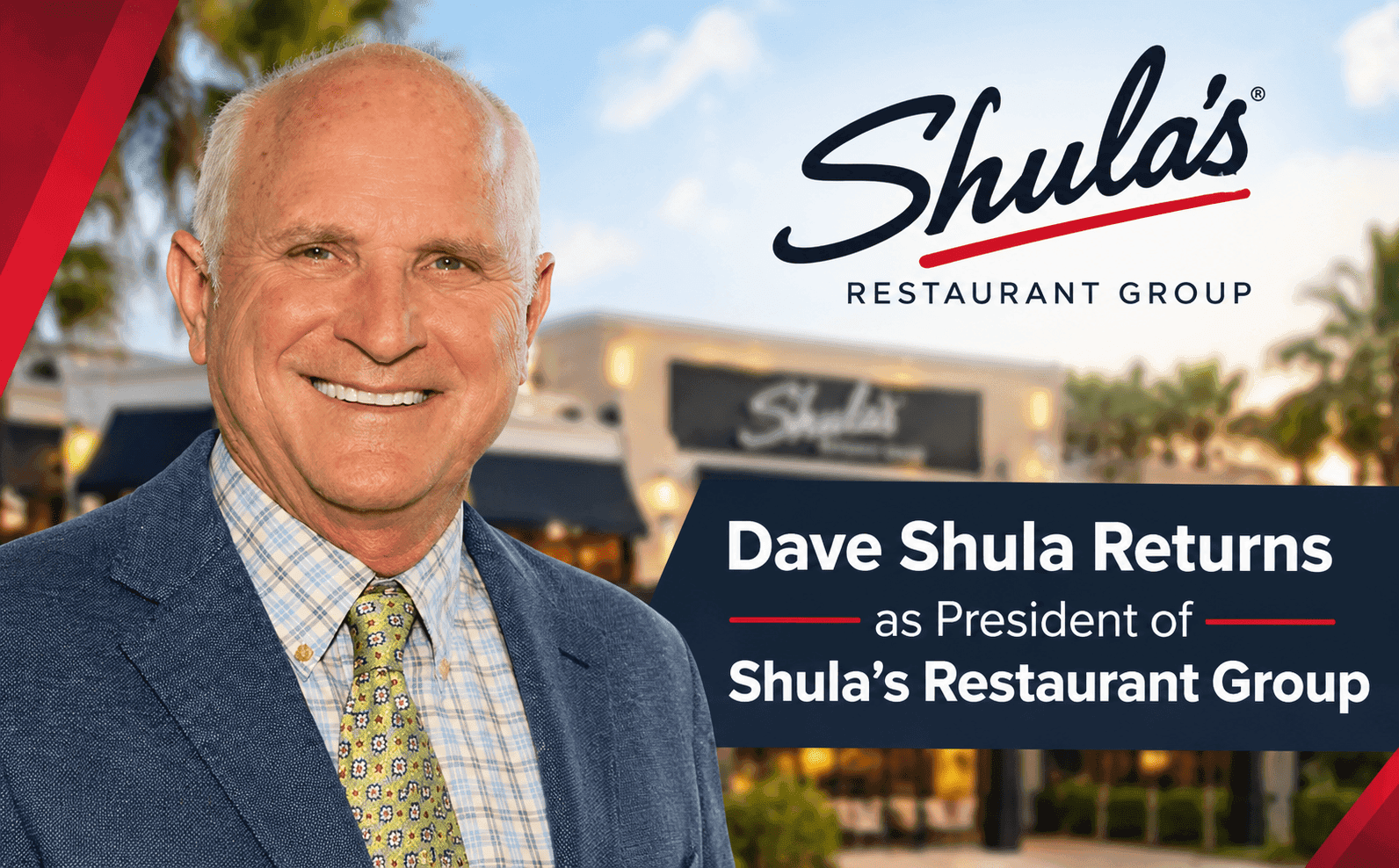
Dave Shula Returns as President of Shula's Restaurant Group
Dave Shula rejoins Shula's Restaurant Group as president, leading growth into Palm Beach Gardens and a 2027 Thomasville, Georgia expansion.
News
Sep 23, 2026
Dave Shula rejoins Shula's Restaurant Group as president, leading growth into Palm Beach Gardens and a 2027 Thomasville, Georgia expansion.
Sep 23, 2026

McDonald's commits $8.5 billion through 2036 to modernize restaurants, boost cash flow by $100,000 per store, and grow chicken and beverage sales.
Sep 23, 2026
WKS Restaurant Group promotes Jay Spongberg to president and COO after he helped grow the company from 65 to 382 restaurants over 16 years.
Sep 23, 2026

Smokey Mo's BBQ names Von Dawson, a Dine Brands veteran, as VP of Franchise Development to lead its Texas expansion strategy.
Sep 23, 2026
.png&w=3840&q=70)
Meritage Hospitality's Chapter 11 filing pulls 5% of Wendy's U.S. stores into bankruptcy, exposing cracks in franchising's bigger-is-safer bet.
Sep 21, 2026
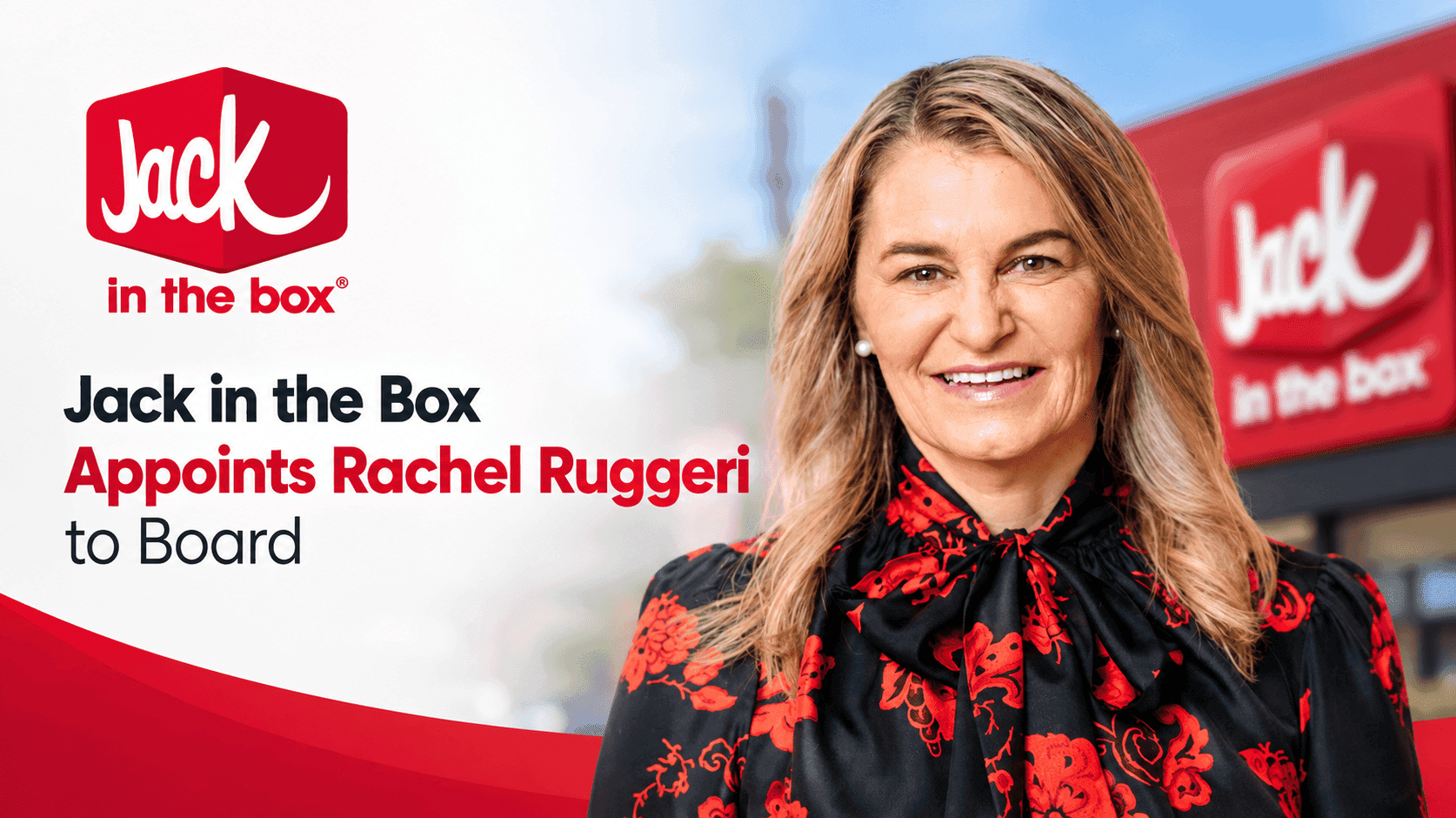
Jack in the Box names Rachel Ruggeri to its board as Michael Murphy retires, amid a CEO transition and deal with investor GreenWood.
Sep 21, 2026
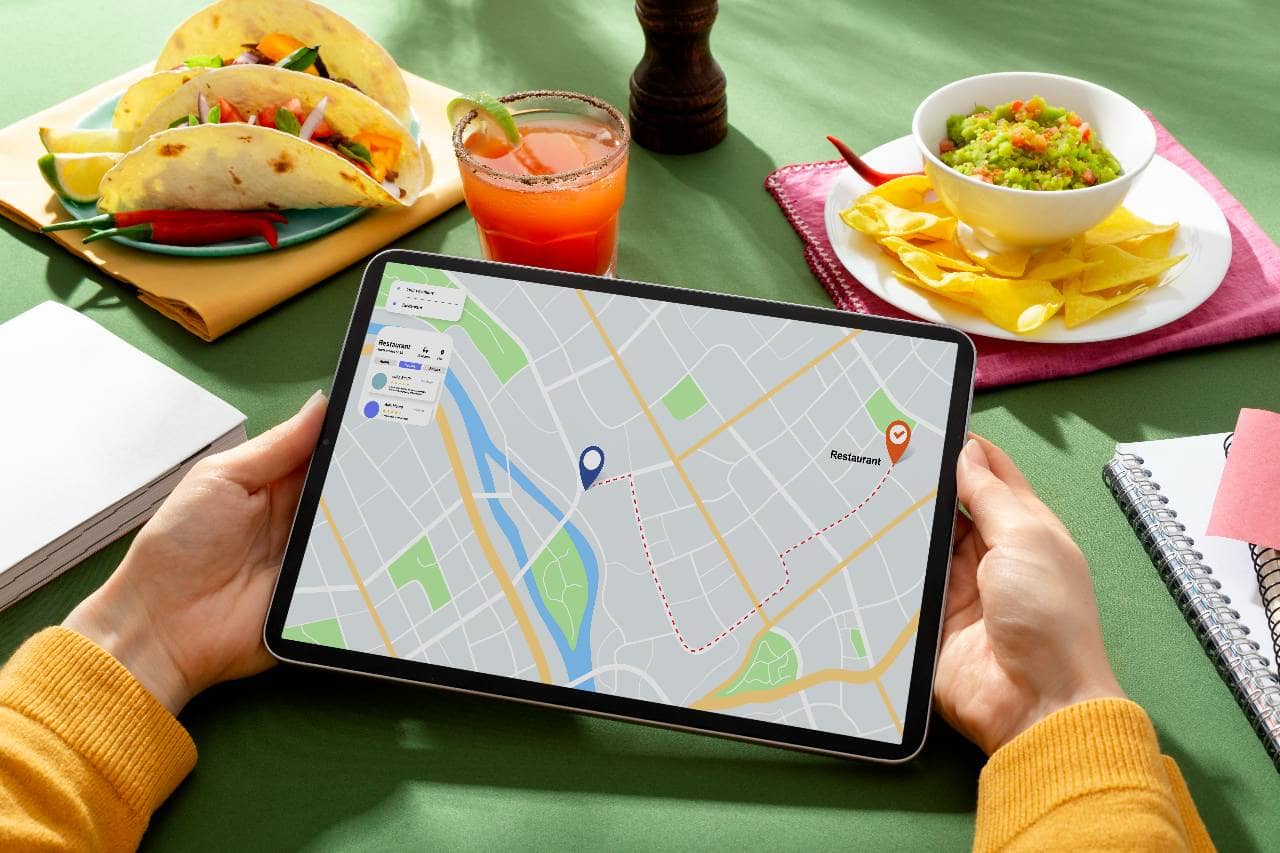
Improve restaurant Google Maps rankings by optimizing your business profile, selecting accurate categories, gathering reviews, adding photos, and strengthening local relevance signals.
Sep 21, 2026

Restaurant inventory tracking helps owners monitor stock, control food costs, reduce waste, improve purchasing, and make informed operational decisions.
Sep 21, 2026

Restaurant owners can significantly reduce restaurant costs by leveraging technology across inventory, labor, procurement, forecasting, and administrative operations for better profit margins.
Sep 18, 2026

Understand how to forecast restaurant revenue and expenses with methods for sales projection, cost scaling, fixed-cost planning, and risk buffering.
Sep 18, 2026

Unlock Exclusive Access To Webinars, Events, And The Latest News For Free!
A family-led expansion of Harumi Sushi in Phoenix, balancing roots with growth, rotating chefs, and a cocktail-forward hospitality narrative.

Photo by Kyle Head
Harumi Sushi began as a quiet counter in a neighborhood, a place where technique and temperament were the primary seasoning. The kitchen whispered restraint and the team trusted a patient, craft-first philosophy. Over time, its good fortune rippled outward, and Phoenix, that sun-warmed city of possibility, took notice. What started as a small, intimate dining room became a conversation about culture, community, and a philosophy that hospitality can be generous without being grand. The arc reads like a deliberate ascent: measured steps, a sensitivity to place, and a belief that authentic Japanese dining can belong to a city as it grows.
“Our first restaurant was like a small bento box, like 1,200-square feet, we really built ourselves up.” That line, quoted by Nation's Restaurant News, marks a turning point. Jessica Kim entered the picture about seven years ago; since then the venture has leapt from its original site into a 6,000-square-foot operating space in downtown Phoenix. Today the network comprises seven locations, more than 150 employees, and a projected $10 million in net revenue for the year. The message is clear: Harumi Sushi remains a local Japanese kitchen that welcomes the community, balancing scale with warmth and affordability, never sacrificing the sense of home that first drew guests to the counter.
Harumi is anchored in a family narrative, guided by a first-generation Japanese-American leadership that remains rooted in accessibility and quality. The founders arrived in the United States from Japan nearly four decades ago with few resources, and their perseverance laid the groundwork for a thriving operation in Phoenix. The original location, opened about 11 years before the present expansion, served a city where sushi was still a novelty and chains dominated. As the business evolved, leadership emphasized continuity: “We’re still the same people, and we have not even increased our prices... We created a much more approachable dining experience in our new location.” The thread of consistency runs through every plate and every plan.
To address turnover and foster merit-based growth, Kim introduced a monthly rotating chef model that ensures all cooks circulate between stations rather than becoming single stars. “I got burned really badly in the beginning with these traditional Japanese chefs, which is where the whole rotational model came into play,” she explains, describing a system built on fairness, mentorship, and lasting professional development. The policy embodies a balanced ambition: growth with dignity for staff and a kitchen that preserves its identity as it expands.
The latest growth breathes space and spirit into service. Harumi’s expanding footprint includes rooms designed for lingering as much as for dining: more seats, freer flow, a welcoming bar, and a cocktail program that frames Japanese influence as a continuous conversation. Among the offerings, the Nori Old Fashioned, a seaweed-infused riff on a classic, speaks to a surprising comfort between sea and fire, while other cocktails spotlight a refined array of whiskies that pair with the kitchen’s precision. In the Downtown Phoenix venue, a 6,000-square-foot footprint anchors a belief that generous space can coexist with intimate hospitality.
The aim remains consistent: blend quality, affordability, and approachability so guests feel at home while discovering a depth of flavor and story in every glass and plate. The cocktails are not mere ornament but an extension of a kitchen that invites conversation, curiosity, and return visits as a measure of ongoing hospitality.
Expansion has been deliberate and measured, not a race to a larger footprint at any cost. The guiding thread is quality control and sustainable growth, with plans that favor depth over breadth. Arcadia is envisioned as a flagship that anchors the brand in a high-profile Phoenix neighborhood, preserving the local, community-centered feel that defined the original concept. On the question of rapid multi-state expansion, the leadership offers a clear boundary: “I would never execute something that I can't be confident of doing 100%,” and “But let’s talk in two years.”

Behind the public ambitions lies a focus on thoughtful internal investments, menu innovation, and workplace satisfaction as the path to durable growth in the Phoenix market. The leadership’s tempo is steady, their gaze forward, and their intent unmistakeable: growth that honors people, craft, and place, rather than quick, impersonal expansion.
In the broader Phoenix dining scene, Harumi’s ascent sits alongside a growing appetite for approachable Japanese concepts and cocktail-forward experiences. Downtown Phoenix has become a focal point for reimagined spaces and menu ideas, while nearby outlets mirror a city-wide interest in contemporary Japanese cuisine served with hospitality-first polish. The Arcadia ambition aligns with a pattern of brand-building in prominent districts, where operators balance quality, space, and community engagement to craft neighborhoods that feel cultivated, not commodified.

Yet the story remains a work in progress. Public reporting over the past two years confirms a seven-location footprint, more than 150 employees, and a projected $10 million in net revenue for the year, figures that affirm momentum into 2024 and 2025. At the same time, expansion beyond downtown Phoenix to additional Phoenix-area sites remains under consideration, including a potential flagship in Arcadia, with a commitment to hands-on management and to avoiding franchising in the near term. The pace of openings, the exact mix of new locations, and how evolving tastes will steer menus and cocktails are the questions that keep the conversation aloft.
