Hardee's Taps Alisa Gmelich as New President
CKE Restaurants names marketing veteran Alisa Gmelich President of Hardee's, tasking her with rebuilding franchisee trust and driving growth.
News
Oct 7, 2026
CKE Restaurants names marketing veteran Alisa Gmelich President of Hardee's, tasking her with rebuilding franchisee trust and driving growth.
Oct 7, 2026
Hangry Joe's promotes insider Brandon Wilhelm to CEO, prioritizing franchisee profitability over rapid unit growth as the chain expands past 90 locations.
Oct 6, 2026
Portillo's chief people officer Jill Waite departs as new CEO Brett Patterson reshapes leadership with layoffs and fresh executive hires.
Oct 6, 2026
Uber is paying $2.3 billion to acquire ezCater, merging its catering network into Uber Eats and Uber for Business to enter workplace catering.
Oct 6, 2026
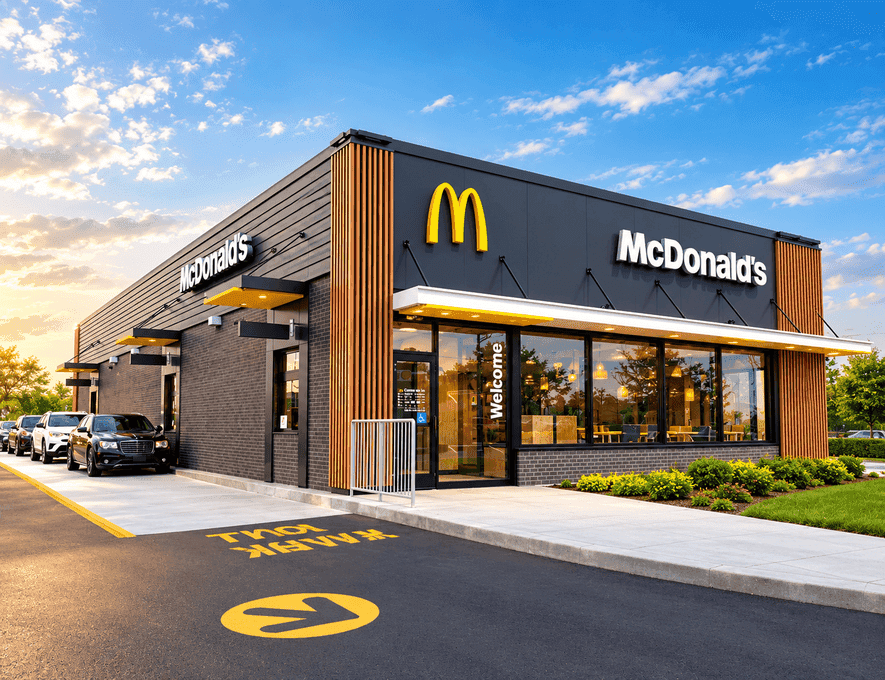
A new lawsuit claims McDonald's pricing tool pressures franchisees into algorithmic price-fixing, raising fresh antitrust questions for the chain.
Oct 6, 2026

True Food Kitchen filed for Chapter 11 bankruptcy, closing 12 locations and shrinking to 34 restaurants across 14 states amid $42.1 million in debt.
Oct 5, 2026

Snooze Eatery names industry veteran Amy Hom as COO, starting Sept. 28, to strengthen hospitality and operations ahead of its next growth phase.
Oct 5, 2026

Opening a second restaurant location requires readiness, clear goals, financial planning, funding, smart strategy, standardized operations, strong teams, and careful launch monitoring for sustainable growth.
Sep 30, 2026
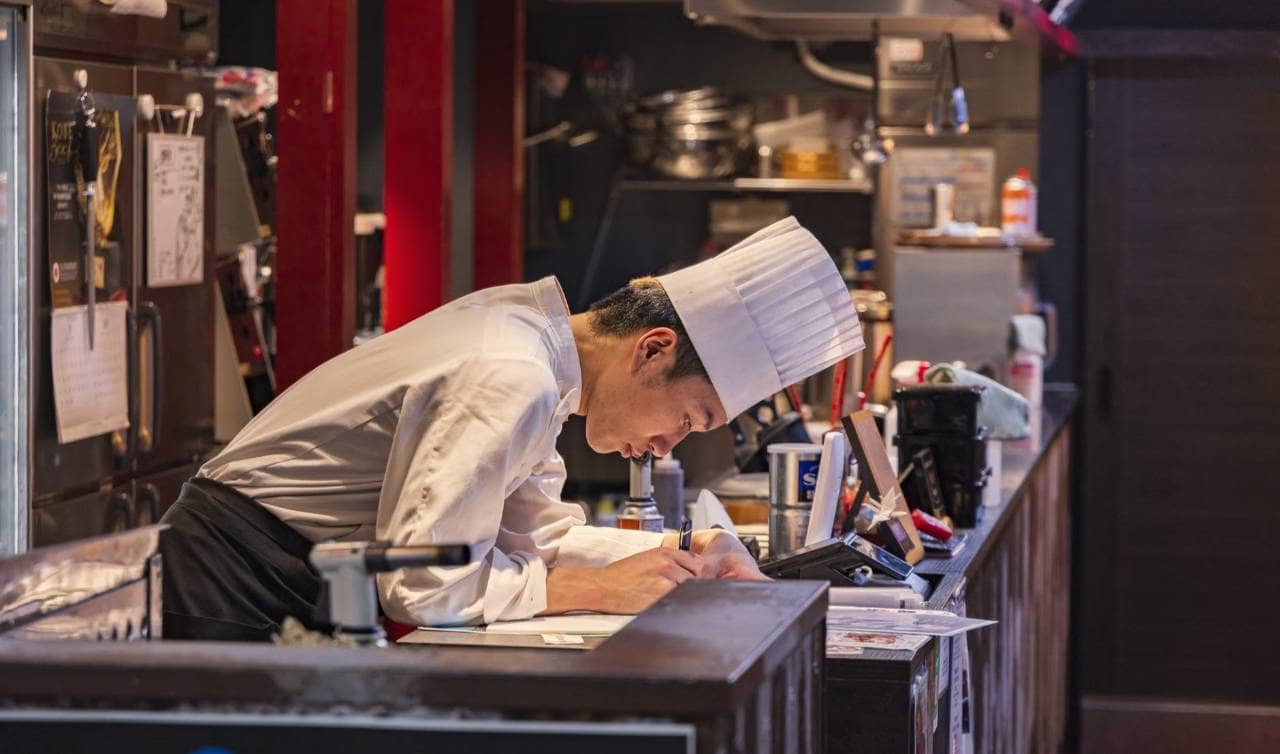
Restaurants can control operating costs by tracking food, labor, rent, utilities, technology, marketing, and other expenses against sales.
Oct 5, 2026
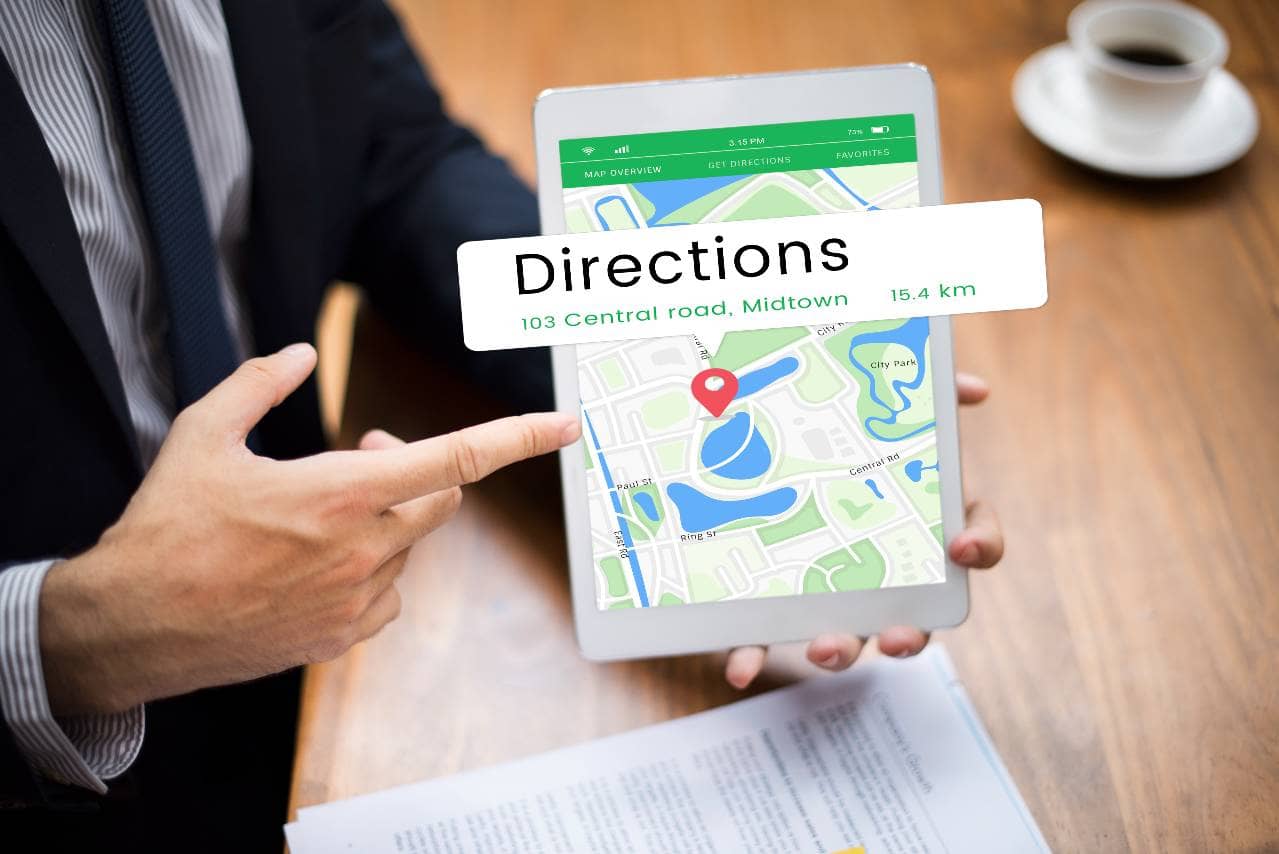
Improve restaurant visibility with local SEO by optimizing Google Business Profile, targeting local keywords, managing reviews, and maintaining accurate online information.
Oct 5, 2026

Unlock Exclusive Access To Webinars, Events, And The Latest News For Free!
Untracked food waste is one of the biggest hidden costs in restaurants. Learn how to build a waste tracking system that reduces food cost and improves kitchen profitability.

Ask almost any restaurant operator how much food their kitchen wastes in a week, and most will not be able to give you a precise answer. They might say it is not much. They might say the team is pretty careful. They might point to the fact that they have not noticed anything alarming. But the truth is, if you are not tracking waste, you do not actually know. And what you do not know, you cannot fix. Restaurant food waste is one of the most consistent and underestimated sources of cost in the food service industry. It happens every day, in almost every kitchen, and in many operations it happens invisibly because no one has built the discipline of recording it.
Most people think of waste as spoilage - food that goes bad before it gets used. And spoilage is part of the picture. But restaurant food waste comes from several directions at once, and spoilage is often not even the largest contributor. The main sources of waste in a restaurant kitchen include -
The reason waste tracking falls apart in most restaurants is both cultural and structural. When service is busy and the pace is relentless, stopping to record that a portion was dropped or that a prep batch went wrong feels like an unnecessary interruption. It is easier to just move on. There is also a psychological component. No one wants to document their own mistakes. If logging waste is perceived as a blame exercise rather than a data collection tool, team members will avoid it. Common barriers to consistent restaurant waste tracking include -
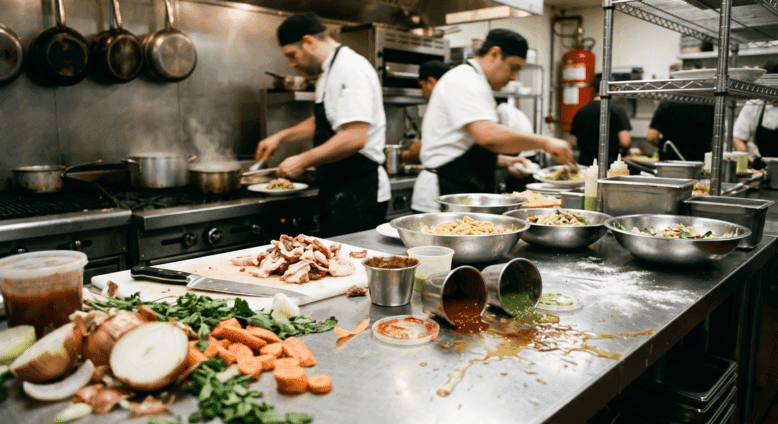
When you build a consistent restaurant food waste tracking habit, patterns emerge quickly. You might find that a specific ingredient gets wasted on the same days every week, pointing to a mismatch between ordering, prep scheduling, and actual demand. You might find that one station generates a disproportionate amount of prep waste, pointing to a training gap. You might find that certain menu items consistently generate plate waste, suggesting a portion size or recipe issue. None of this information is visible without a record. With a record, it becomes actionable -
Waste tracking does not need to be complicated to generate useful data. A simple log that captures what was wasted, how much, and why is enough to start identifying patterns. The critical element is consistency, not complexity. Practical steps for building a restaurant waste log system include -
Waste is not random. It is a pattern shaped by ordering decisions, prep habits, portioning standards, storage practices, and menu design. Every item that goes in the trash has a dollar value attached to it, and those dollars add up fast across hundreds of covers and hundreds of service days. The restaurants that consistently run lower food cost percentages are not necessarily the ones with the best ingredients or the most efficient kitchens. They are the ones that see their waste clearly, take it seriously, and treat it as something that can be reduced through smarter systems and better habits.