True Food Kitchen Files Bankruptcy, Closes 12 Sites
True Food Kitchen filed for Chapter 11 bankruptcy, closing 12 locations and shrinking to 34 restaurants across 14 states amid $42.1 million in debt.
News
Oct 5, 2026
True Food Kitchen filed for Chapter 11 bankruptcy, closing 12 locations and shrinking to 34 restaurants across 14 states amid $42.1 million in debt.
Oct 5, 2026

Snooze Eatery names industry veteran Amy Hom as COO, starting Sept. 28, to strengthen hospitality and operations ahead of its next growth phase.
Oct 5, 2026
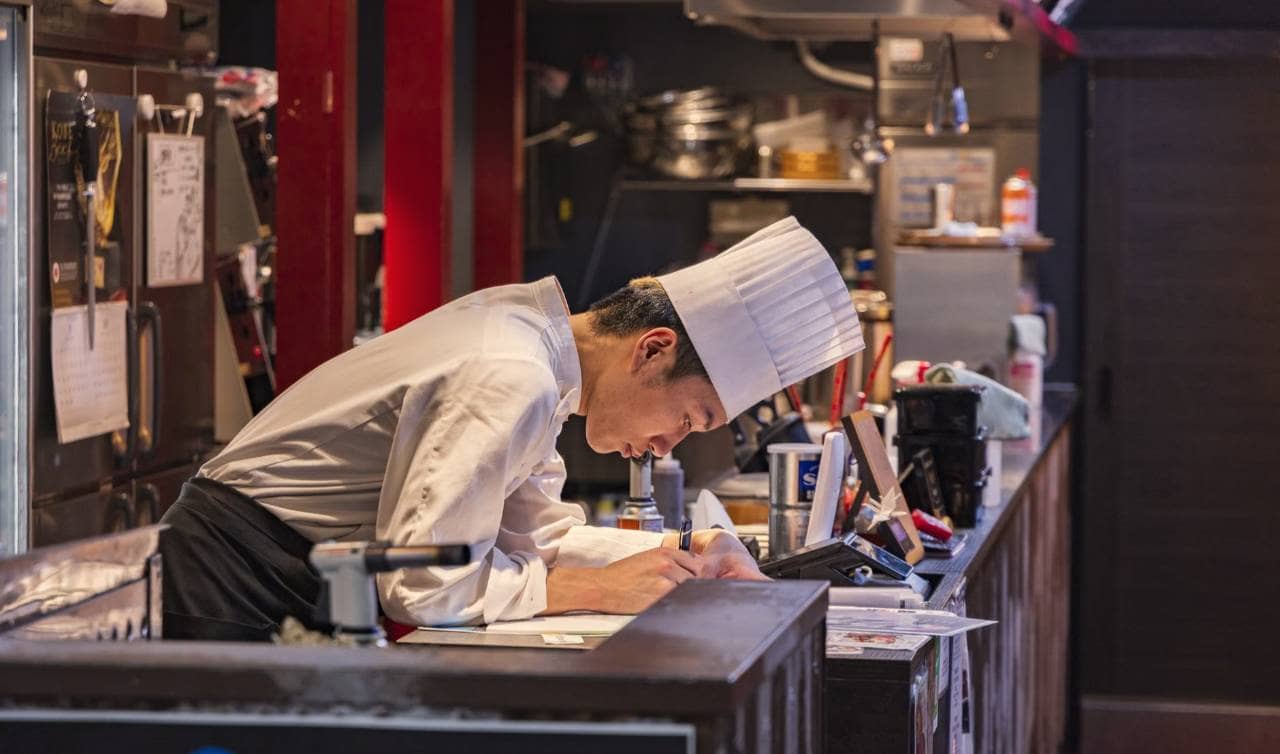
Restaurants can control operating costs by tracking food, labor, rent, utilities, technology, marketing, and other expenses against sales.
Oct 5, 2026

Opening a second restaurant location requires readiness, clear goals, financial planning, funding, smart strategy, standardized operations, strong teams, and careful launch monitoring for sustainable growth.
Sep 30, 2026
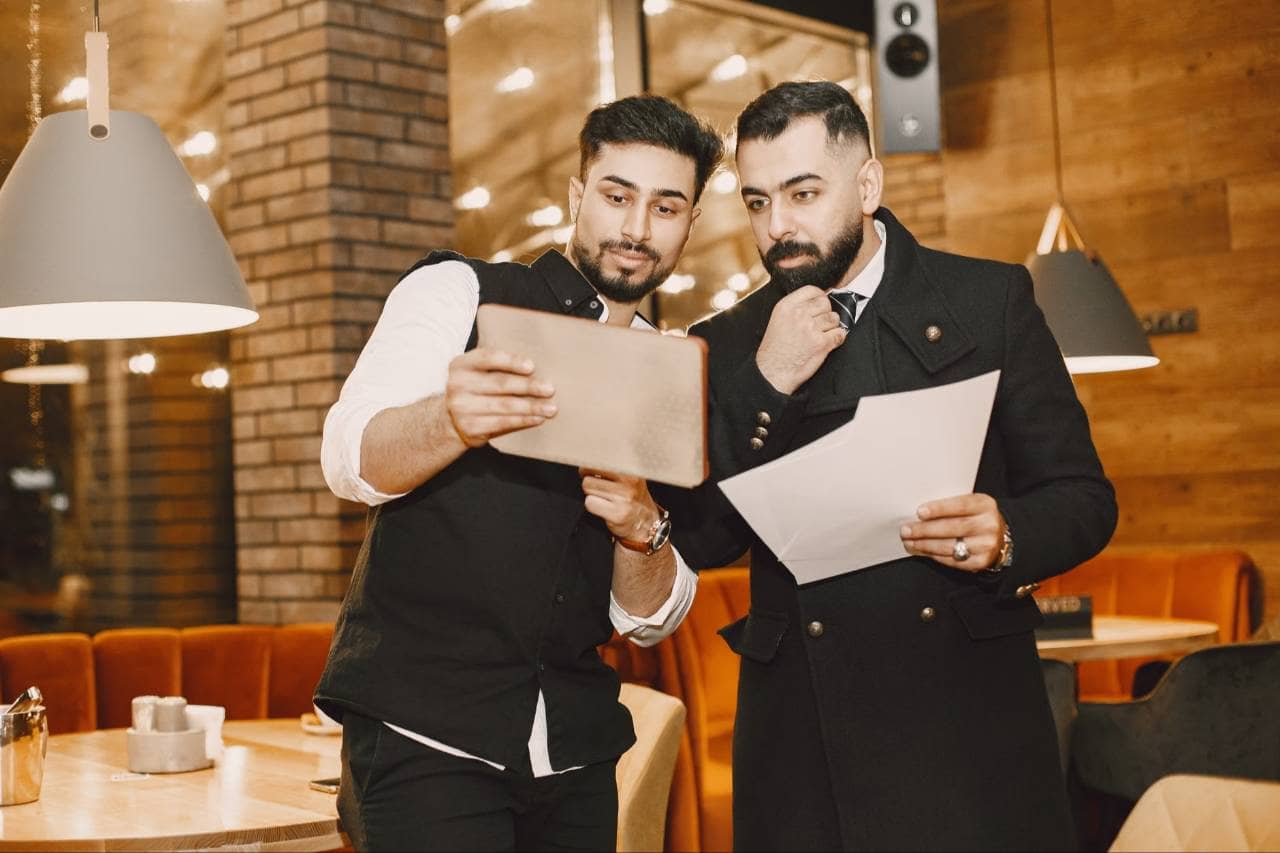
Evaluate restaurant industry performance in Q3 2026 through key trends affecting restaurant sales, traffic, consumer spending, labor, costs, and technology.
Oct 2, 2026
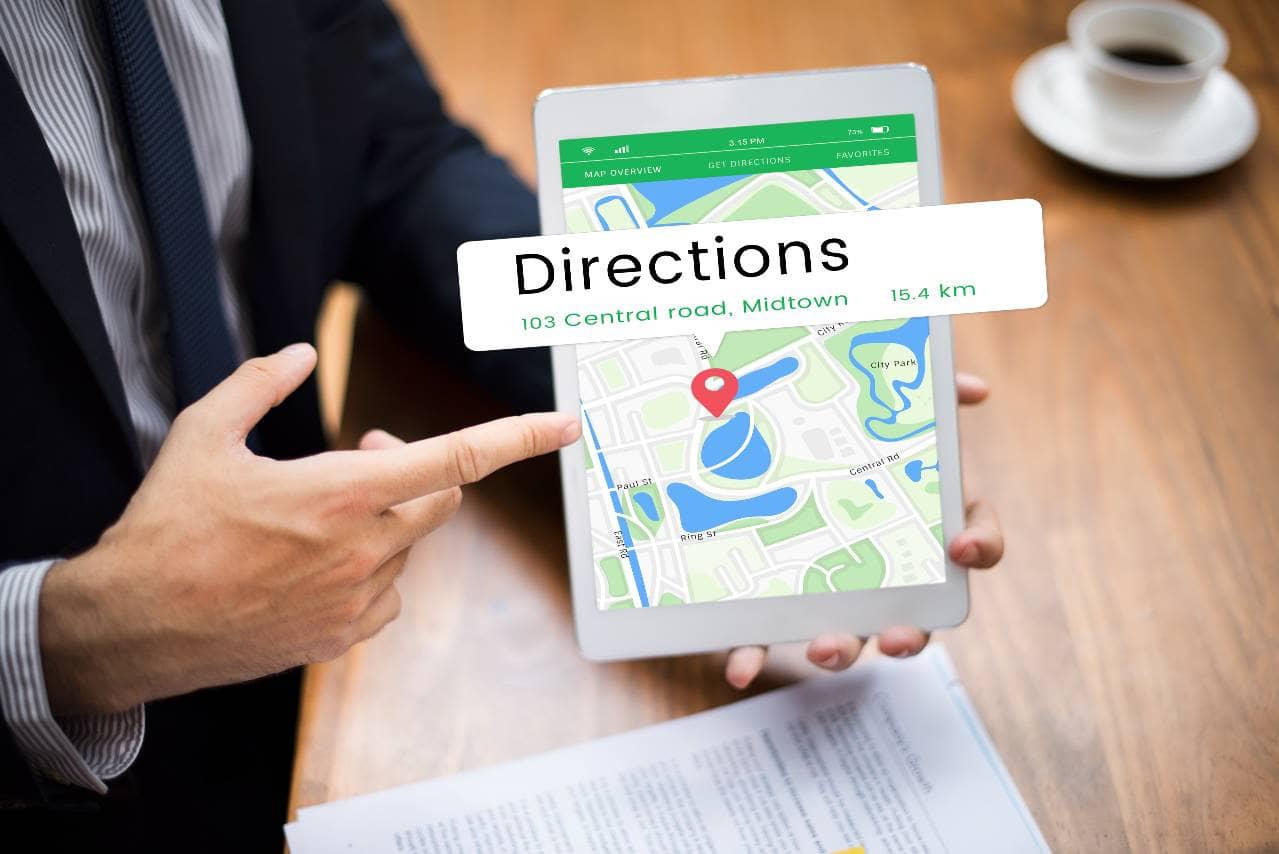
Improve restaurant visibility with local SEO by optimizing Google Business Profile, targeting local keywords, managing reviews, and maintaining accurate online information.
Oct 5, 2026
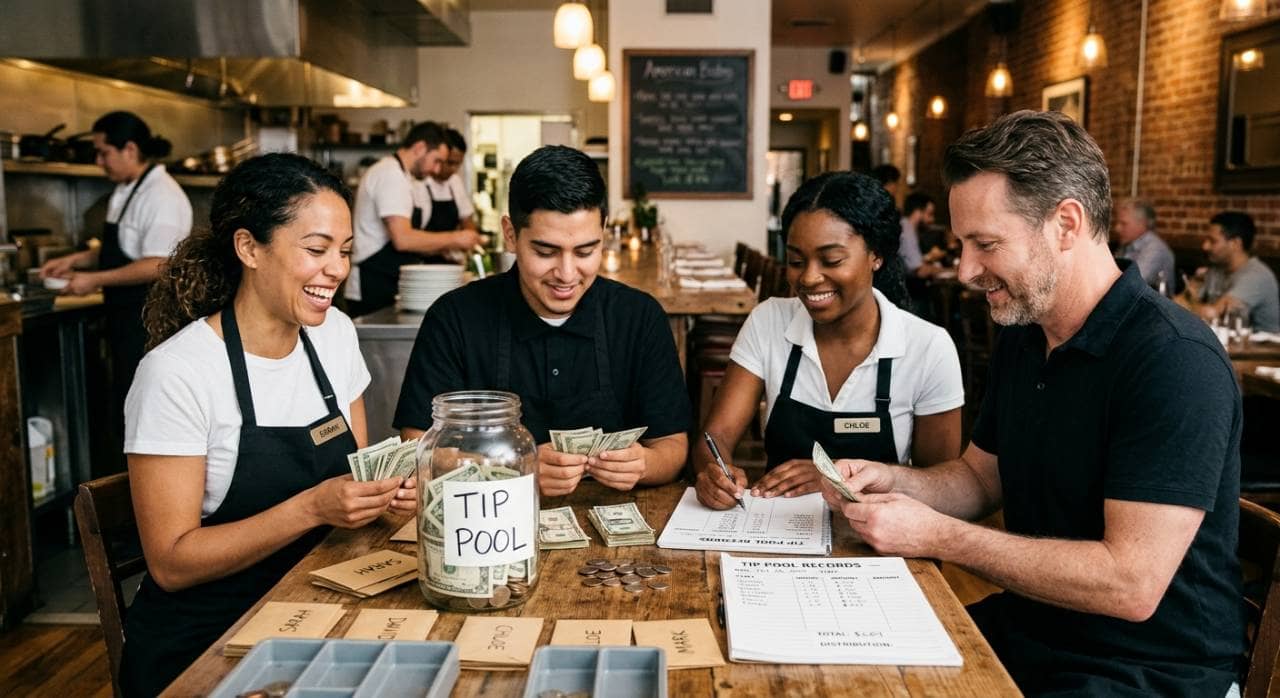
Understand tip pooling rules, employee eligibility, distribution methods, compliance requirements, recordkeeping practices, and policies restaurant owners need for proper tip management.
Oct 2, 2026

Whit's Frozen Custard hires industry veteran Amos Durbin as COO to guide franchise expansion, drawing on two decades of restaurant leadership experience.
Oct 2, 2026
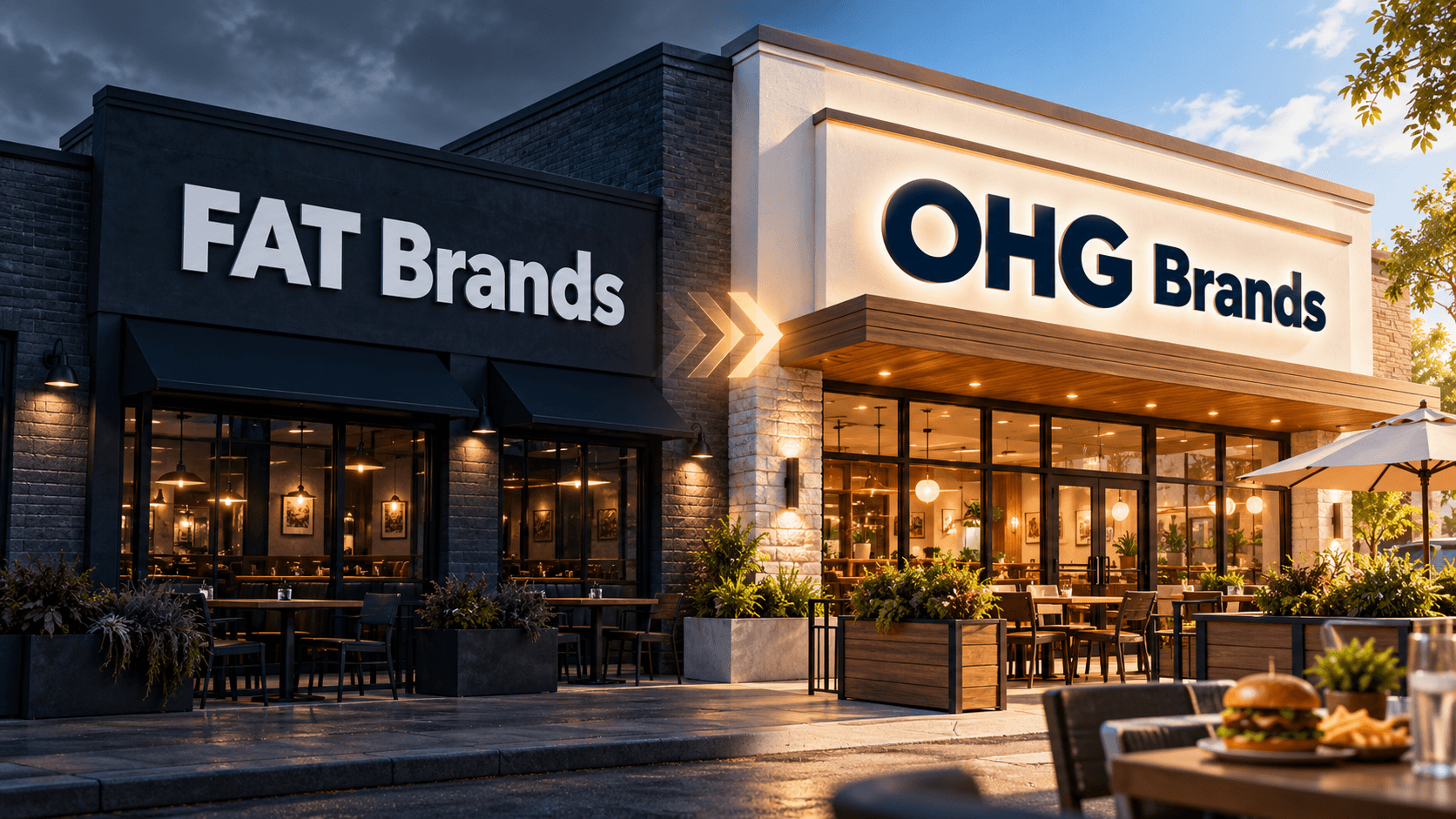
FAT Brands' $1B acquisition empire fell into bankruptcy and sold for $965M, re-emerging as OHG Brands with 1,700 restaurants.
Oct 1, 2026
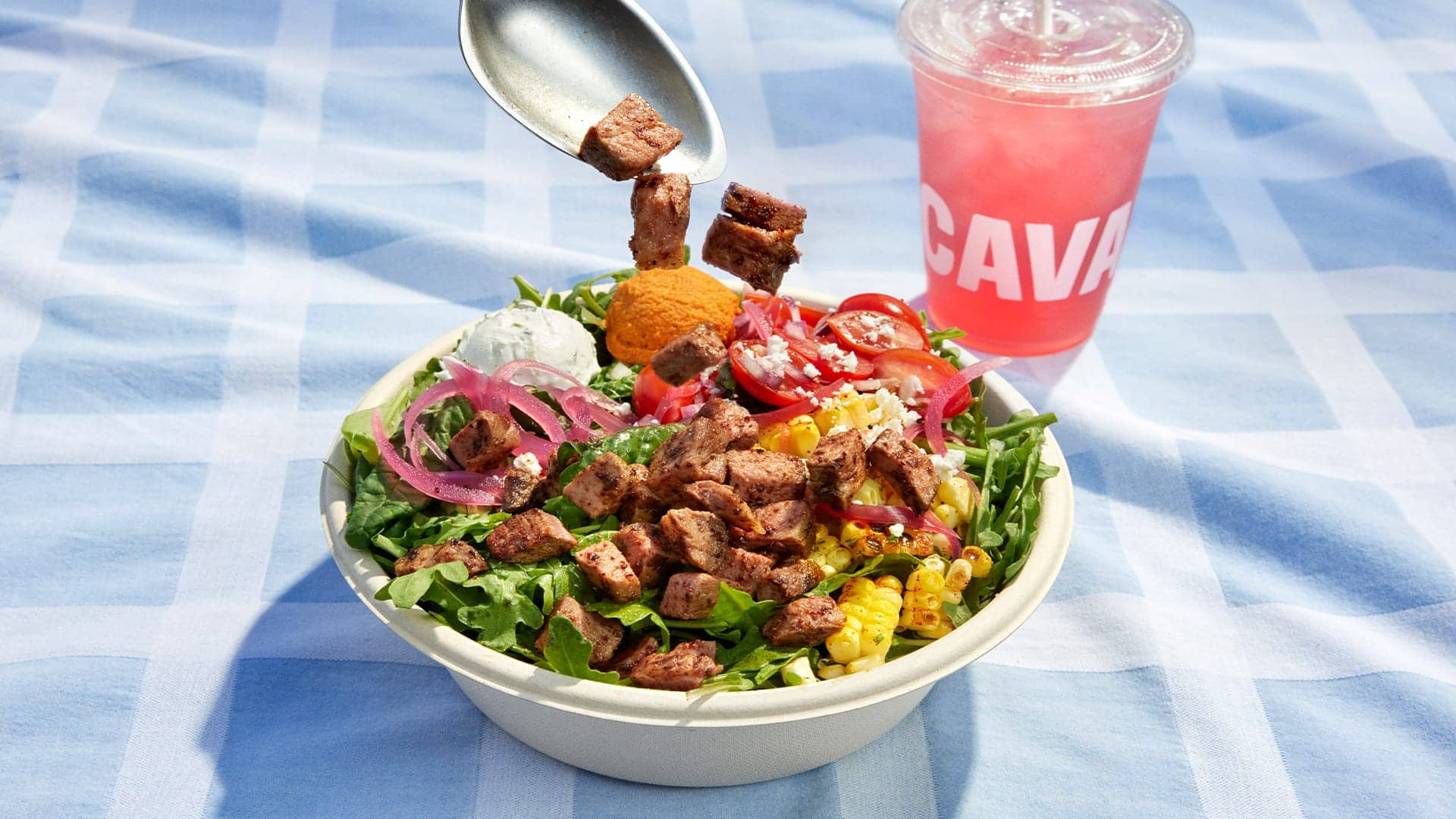
CAVA names John Ludeke, former Dr. Squatch Chief Brand Officer, as its new CMO to drive national growth and guest loyalty.
Oct 1, 2026

Unlock Exclusive Access To Webinars, Events, And The Latest News For Free!
Discover how restaurant leaders are coping with election-related uncertainties and their impacts on consumer behavior and business strategies.

Photo by Austin Distel
Restaurant leaders are facing a myriad of challenges as they navigate through election-induced uncertainties. The ongoing concerns about policy proposals, economic stability, regulatory changes, tax rates, trade policies, and immigration issues are significantly impacting their decision-making processes.

Photo by Austin Distel
The election climate has created a sense of unease among consumers, leading to delays in significant purchases and investment decisions. While restaurant executives anticipate a potential uptick in consumer traffic post-election, they acknowledge the current anxiety prevailing among consumers, affecting their spending patterns and overall sentiment towards dining out.

Photo by Austin Distel
Post-election, restaurant CEOs are strategizing to adapt to the evolving economic landscape. Leaders like Brett Schulman from CAVA emphasize the importance of factoring election uncertainties into business projections, while industry experts like G.J. Hart and Andy Wiederhorn look forward to the post-election momentum for potential consumer sentiment improvements.
Research suggests that the impacts of the election on consumer behavior may manifest in the long term, influenced by the policies enacted by the elected administration. Amid this uncertainty, CEOs like Jonathan Gillespie and James O’Reilly speculate on potential normalization of consumer environment and spending trends post-election.
Amid economic challenges and consumer anxiety, the focus for industry leaders like Kieran Donahue and Kevin Hochman lies in maintaining customer-centric strategies. Prioritizing service quality, consistency, and overall value proposition becomes crucial in driving business resilience and consumer trust.

Photo by Austin Distel