True Food Kitchen Files Bankruptcy, Closes 12 Sites
True Food Kitchen filed for Chapter 11 bankruptcy, closing 12 locations and shrinking to 34 restaurants across 14 states amid $42.1 million in debt.
News
Oct 5, 2026
True Food Kitchen filed for Chapter 11 bankruptcy, closing 12 locations and shrinking to 34 restaurants across 14 states amid $42.1 million in debt.
Oct 5, 2026

Snooze Eatery names industry veteran Amy Hom as COO, starting Sept. 28, to strengthen hospitality and operations ahead of its next growth phase.
Oct 5, 2026
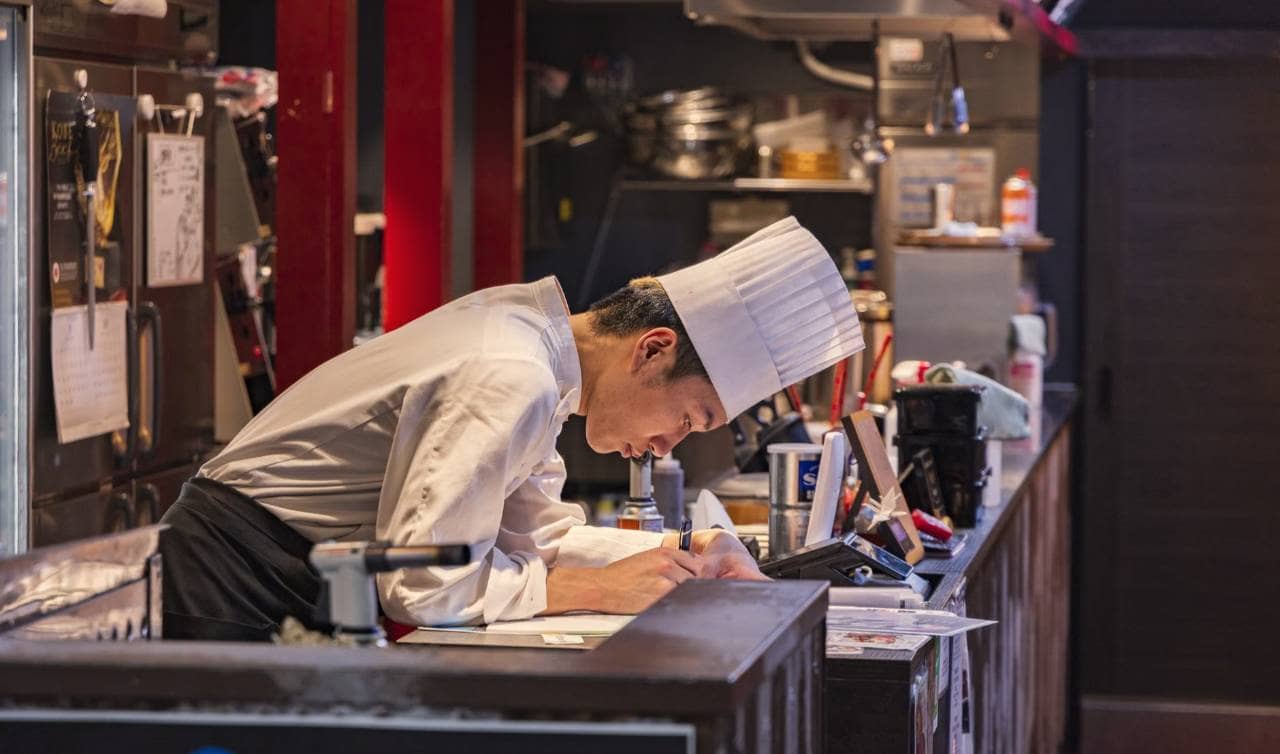
Restaurants can control operating costs by tracking food, labor, rent, utilities, technology, marketing, and other expenses against sales.
Oct 5, 2026

Opening a second restaurant location requires readiness, clear goals, financial planning, funding, smart strategy, standardized operations, strong teams, and careful launch monitoring for sustainable growth.
Sep 30, 2026

Evaluate restaurant industry performance in Q3 2026 through key trends affecting restaurant sales, traffic, consumer spending, labor, costs, and technology.
Oct 2, 2026
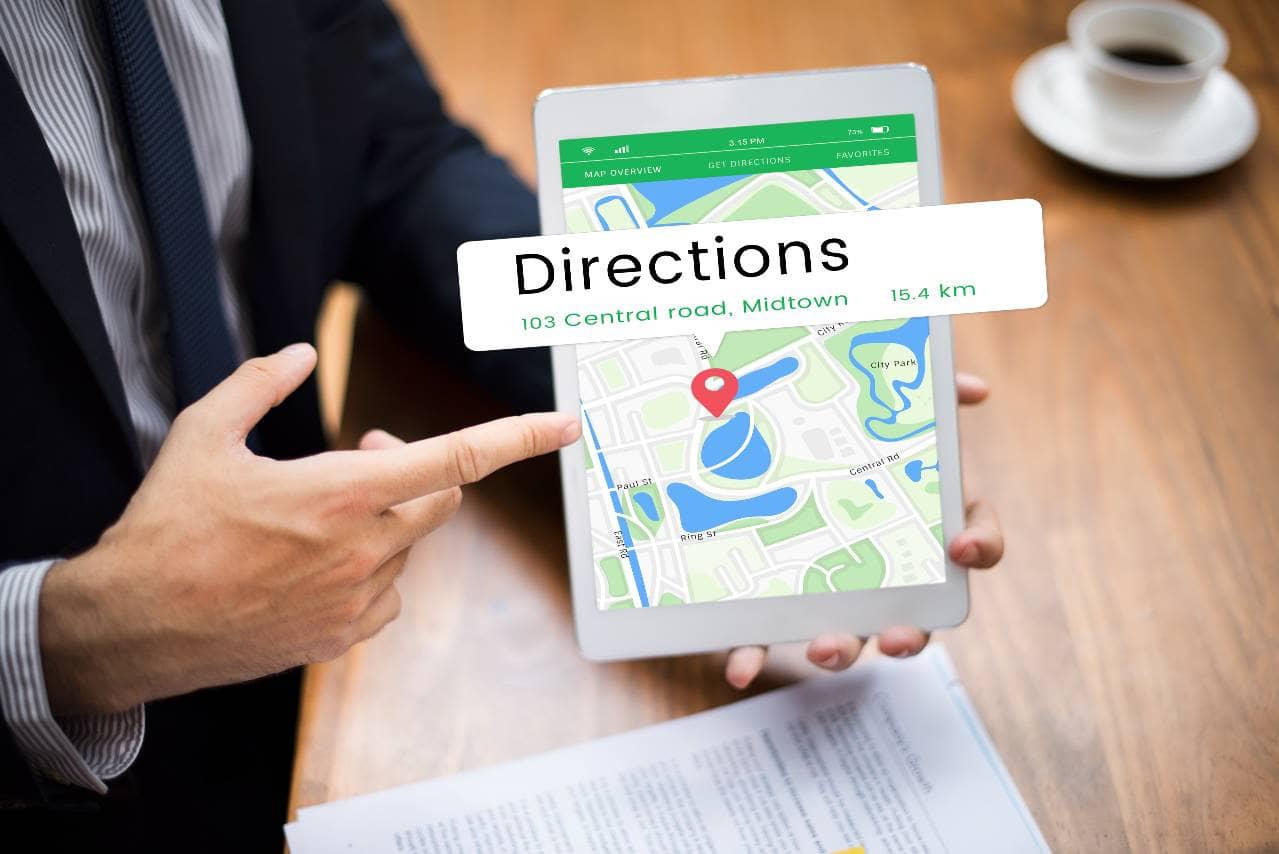
Improve restaurant visibility with local SEO by optimizing Google Business Profile, targeting local keywords, managing reviews, and maintaining accurate online information.
Oct 5, 2026
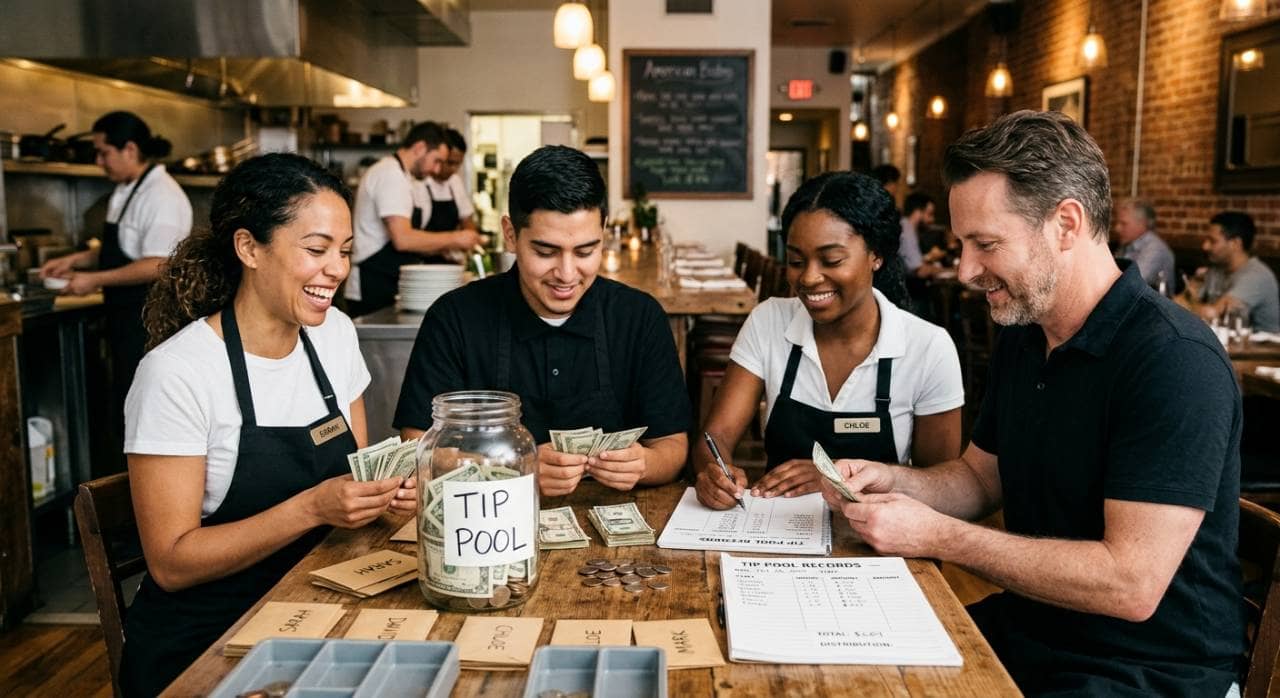
Understand tip pooling rules, employee eligibility, distribution methods, compliance requirements, recordkeeping practices, and policies restaurant owners need for proper tip management.
Oct 2, 2026

Whit's Frozen Custard hires industry veteran Amos Durbin as COO to guide franchise expansion, drawing on two decades of restaurant leadership experience.
Oct 2, 2026
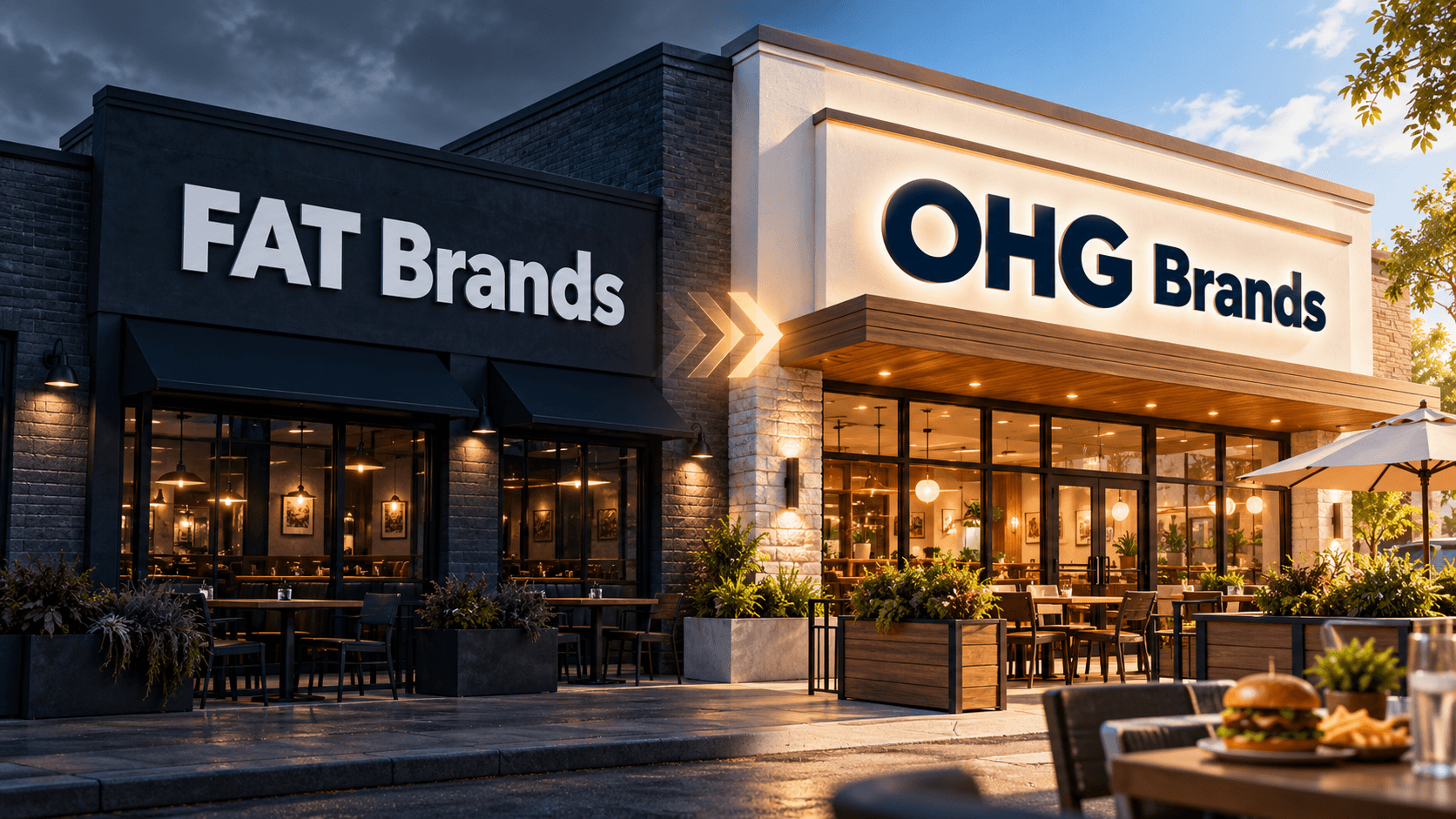
FAT Brands' $1B acquisition empire fell into bankruptcy and sold for $965M, re-emerging as OHG Brands with 1,700 restaurants.
Oct 1, 2026
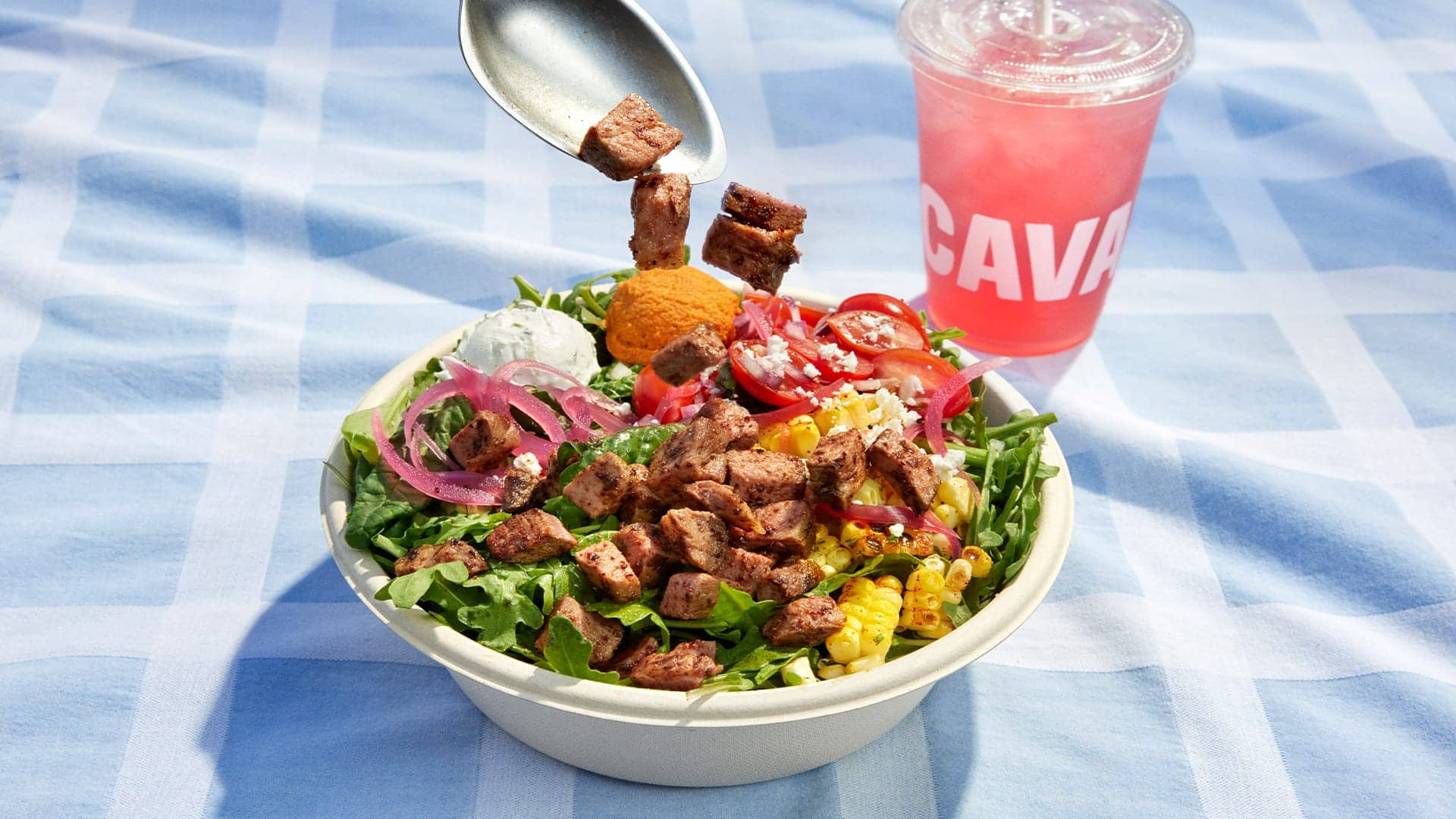
CAVA names John Ludeke, former Dr. Squatch Chief Brand Officer, as its new CMO to drive national growth and guest loyalty.
Oct 1, 2026

Unlock Exclusive Access To Webinars, Events, And The Latest News For Free!
Explore the reasons behind the surge in restaurant bankruptcies in 2024 and strategies to navigate the challenges. Learn how operational decisions, reliance on third-party delivery, and discounting impact customer loyalty.

Photo by Luca Bravo
The aftermath of the COVID-19 pandemic brought unexpected challenges for the restaurant industry. While initial optimism surrounded the post-COVID years, the reality of persistent inflationary pressures has led to a surge in bankruptcies. Many renowned establishments like Red Lobster, BurgerFi, and Rubio’s, among others, have found themselves grappling with financial instability.
Photo by Luca Bravo
Industry experts highlight the repercussions of nearsightedness in operational decisions. Zach Goldstein emphasizes that decisions made several years ago are now haunting operators. The ease of obtaining debt in previous years led to overleveraging, which is now hindering necessary pivots for survival. Meredith Sandland notes the shift in financing dynamics, where funding once abundant is now scarce, impacting brand sustainability.

Photo by Luca Bravo
As operators strive to combat inflation, the reliance on third-party delivery and discounting poses significant challenges. Ellie Doty warns against underestimating the costs associated with off-premises business. Subpar delivery experiences can deter customer loyalty, emphasizing the need to prioritize quality service. Over-discounting, as highlighted by Andrew Smith, may provide short-term gains but erodes brand value and long-term profitability.

Photo by Luca Bravo
Creating long-term customer loyalty emerges as a paramount strategy in the face of cautious consumer spending. Industry leaders stress the importance of fostering genuine customer relationships over short-term tactics like discounts. A focus on delivering exceptional experiences, both on-premises and off-premises, can cultivate loyal patrons who transcend price sensitivity.

Photo by Luca Bravo