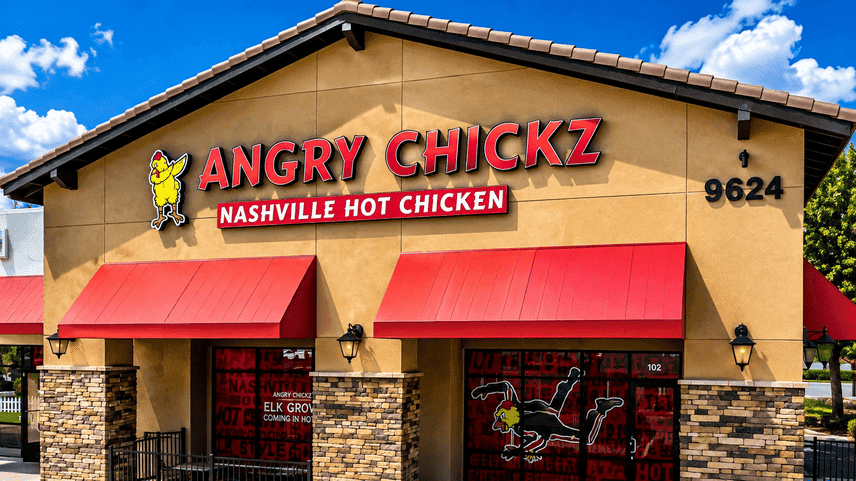
Nashville Hot Chicken Comes to Midwest
Angry Chickz enters Illinois with its signature hot chicken concept and ambitious plans for Midwest expansion, setting the stage for new franchise opportunities and community engagement.
News
Sep 2, 2026
Angry Chickz enters Illinois with its signature hot chicken concept and ambitious plans for Midwest expansion, setting the stage for new franchise opportunities and community engagement.
Sep 2, 2026
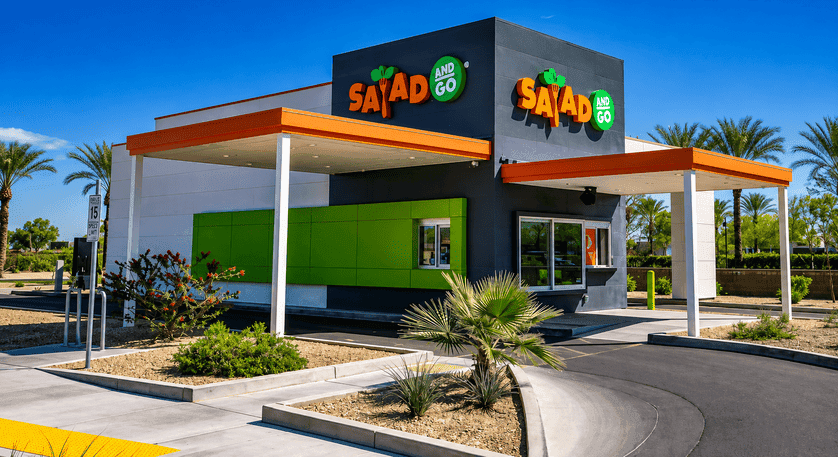
7 Brew has acquired 73 former Salad and Go locations, surpassing Dutch Bros with a $143M bid, signaling a major shift in the competitive landscape for drive-thru brands.
Sep 2, 2026
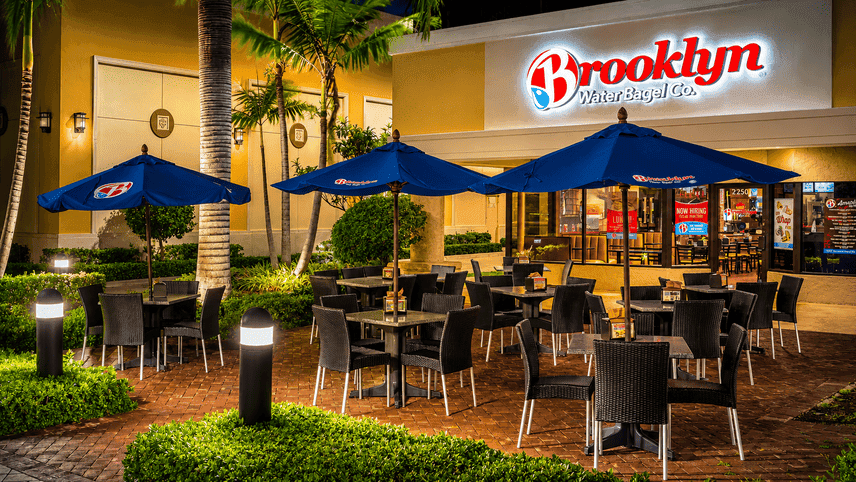
Brooklyn Water Bagel launches its first campus eatery at Nova Southeastern, signaling strategic growth and fresh potential for multi-unit operators seeking new market wins.
Sep 2, 2026
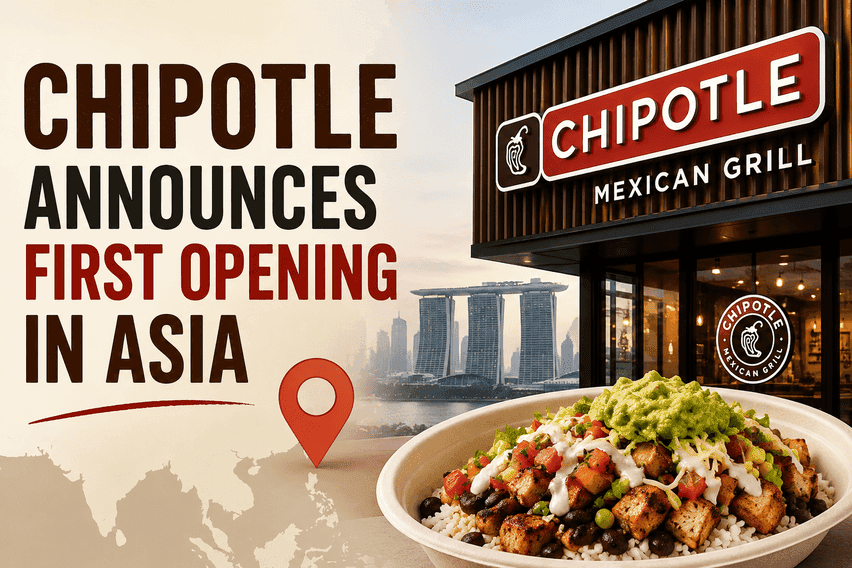
Chipotle makes its highly anticipated entry into Asia with a Seoul opening, partnering with Sangmidang Holdings and setting a template for future international growth.
Sep 2, 2026

Explore restaurant technology trends in 2026, including AI, automation, digital ordering, workforce tools, connected kitchens, personalization, and profitability strategies today.
Aug 28, 2026
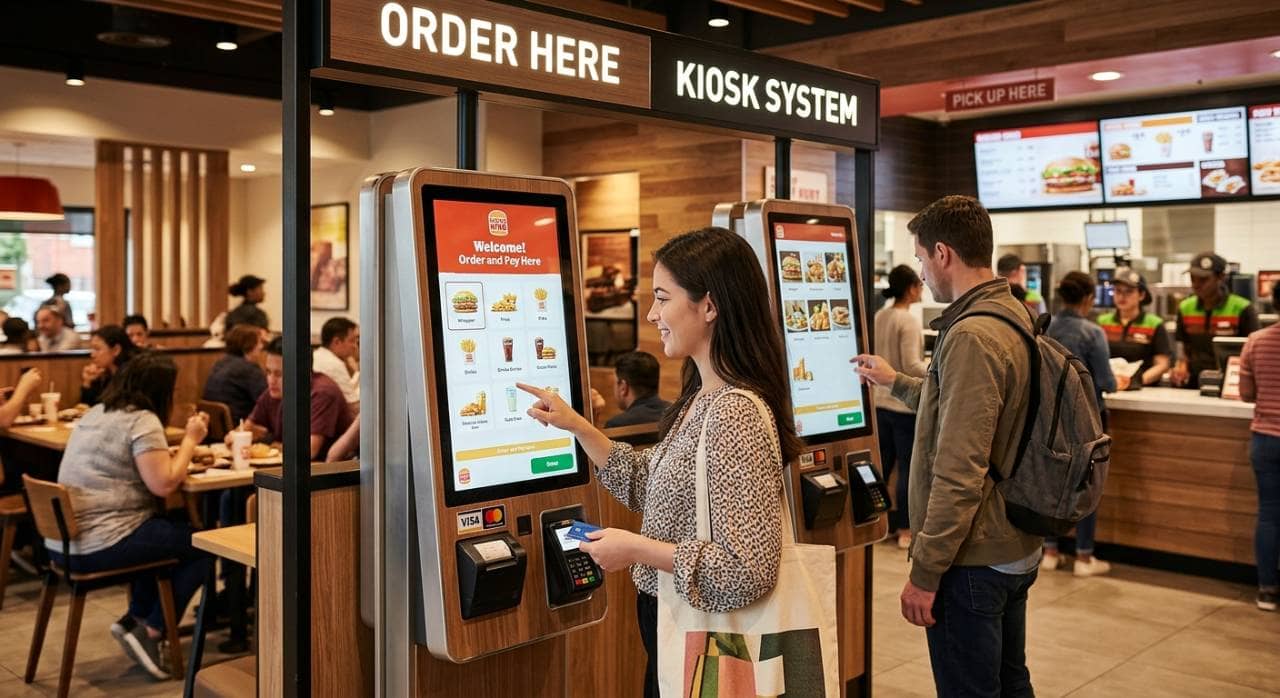
Understand how to evaluate a Kiosk system using key criteria including features, POS integration, hardware, pricing, customer experience, and support.
Aug 31, 2026
Learn how to calculate restaurant cost of goods using inventory, purchases, COGS percentage, variance reviews, and regular tracking for profitability.
Aug 31, 2026
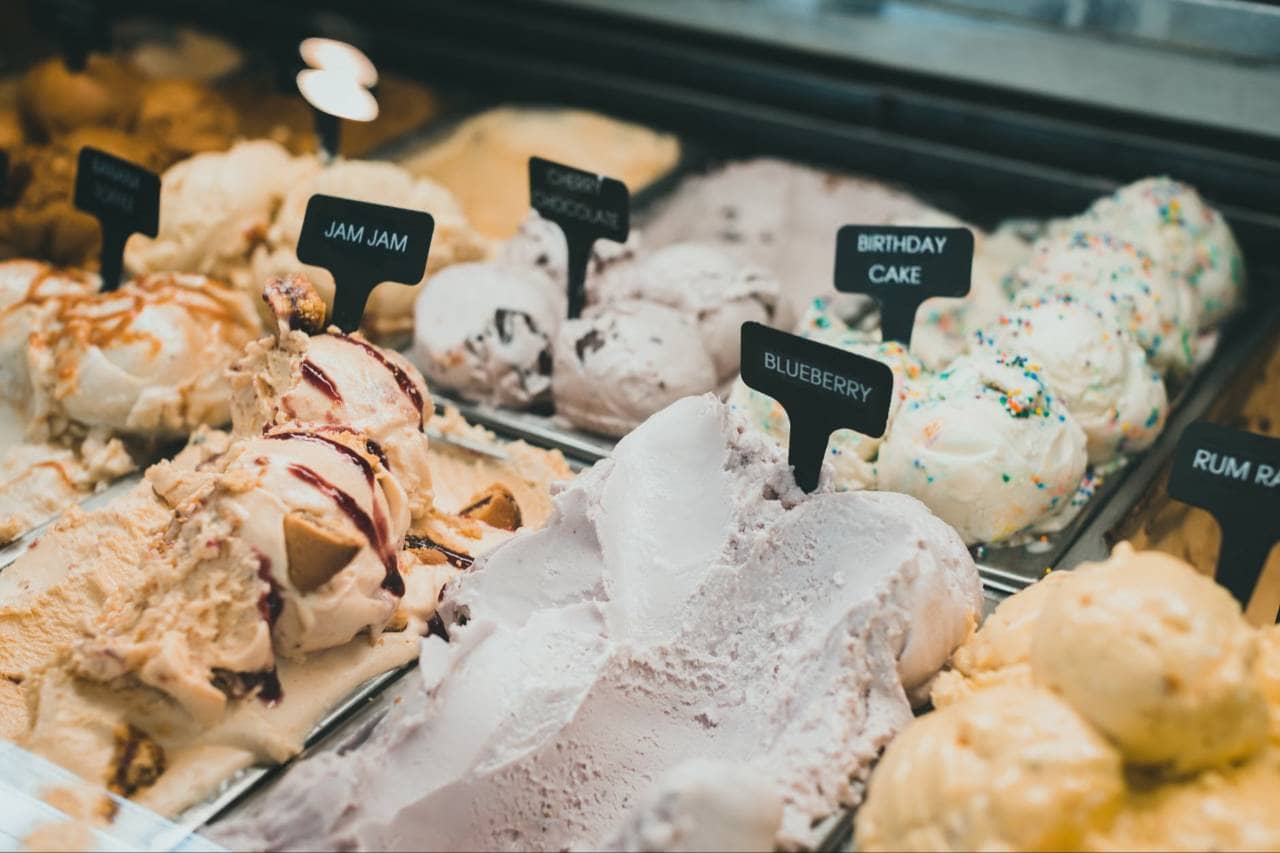
Learn the startup costs of opening an ice cream shop, including rent, equipment, renovations, permits, inventory, labor, marketing, and reserves.
Aug 28, 2026

A restaurant P&L statement reveals sales, expenses, and profits, helping owners manage costs, improve margins, and plan finances more effectively.
Aug 26, 2026
Learn practical ways to reduce labour costs through smarter scheduling, forecasting, productivity, cross-training, automation, overtime control, and performance monitoring strategies.
Aug 26, 2026

Unlock Exclusive Access To Webinars, Events, And The Latest News For Free!
Amira Hassan analyzes how Brian Niccol’s leadership aims to reset growth, sharpen execution, and refresh Starbucks amid industry disruption.

Photo by Robert Bye
Starbucks has charted a new course by naming Brian Niccol, the executive who rose to prominence at Chipotle, as chairman and chief executive officer, effective September 9, 2024. The official announcement signals a deliberate strategy: import a proven operating playbook from outside the coffee sector to navigate disruption sweeping the industry. Niccol’s appointment is framed as a move to accelerate growth, raise execution standards, and refresh the brand’s path in a crowded, evolving market. Investors reacted swiftly, underscoring how consequential this leadership shift may be for a company built on ritual and ambition. It is a moment that invites thoughtful listening to whether a Chipotle rhythm can reframe the Starbucks guest experience.
From Chipotle to coffee, Niccol’s track record is a core part of the rationale. He rose to CEO in 2018 during a challenging period and is widely credited with reviving Chipotle’s fortunes and restoring investor confidence; he later became Chipotle’s chairman in 2020. Starbucks highlighted his long tenure at Chipotle and his reputation for operational discipline and brand revitalization as central to the leadership transition. Industry observers expect his emphasis on execution, margin discipline, and disciplined growth to translate to a coffee-led powerhouse. If the transition succeeds, Starbucks could see a steadier tempo of store development and sharper capital allocation, reshaping expectations across the sector: a tested playbook meeting a restless market.
The mechanics of a turnaround at Starbucks are often discussed through a hands-on, metrics-driven lens: sharper store operations, a leaner supply chain, and a guest experience calibrated to the modern fast-casual landscape. In the months after his appointment, observers noted a leadership realignment and a sharpening around growth, efficiency, and accelerated store development. Notably, a 2025 Axios interview underscored a focus on correcting missteps, such as pacing seating investments and refining store-labor strategies, while Bloomberg’s late-2024 coverage highlighted rapid executive-team changes to align with a more disciplined, financially focused growth plan. Taken together, these signals suggest how leadership can reset tempo and capital allocation in meaningful ways.
This is not merely a reshuffle; it’s an intentional calibration of the operating tempo that powers a large chain. The narrative centers on growth pursued through efficiency and capital discipline, with a renewed emphasis on guest experience at the core of every decision. Leaders across the organization are being asked to translate strategy into measurable results, delivering faster service, tighter inventory control, and more consistent performance across stores. If the Chipotle playbook travels well, Starbucks could offer a balanced, nourishing journey for guests while expanding with care, staying faithful to the brand’s essence.

Howard Schultz, the brand’s founder who has returned in various capacities over the years, publicly endorsed Niccol’s strategy, describing the move as a restoration of confidence and a path toward stronger execution. The broader ecosystem has also watched activist investors influence peers; Engaged Capital, near a 10% stake in Portillo’s, signaled plans to push for governance changes and a turnaround by nominating board candidates, arguing that slow operations and marketing gaps constrained performance. These voices illuminate a moment of heightened scrutiny across the restaurant landscape, where leadership shifts, investor activism, and pricing strategies intersect as chains test new formulas for growth.
In this environment, Starbucks’ move sits within a broader recalibration, an ecosystem where confidence, governance, and execution become decisive levers. As Portillo’s and Subway experiment with governance and pricing, observers watch how leadership translates into guest experience and bottom-line results. The need for disciplined growth is clear, and the stage is set for a test of whether a carefully managed turnaround can extend beyond one brand into a wider industry narrative.
A central pressure point across the sector is labor cost, most notably in California, where a 25% minimum-wage increase for fast-food workers took effect on April 1, 2024, lifting the fast-food wage to $20 per hour and reshaping restaurant economics nationwide. The state’s policy shift has been widely covered as a watershed moment for labor costs in foodservice, with implications for pricing and staffing models. In parallel, chains have leaned into value as a strategic response; Subway’s $6.99 footlong promotion, announcing in 2024 and revisiting in later years, illustrated the industry-wide pattern of aggressive short-term pricing to sustain traffic amid elevated costs.
In this climate, the labor cost dynamic becomes a strategic lens for growth. The push to balance higher wages with pricing, efficiency, and guest demand is a thread running through major chains, including Starbucks, as operators rethink staffing models, roster planning, and seating strategy to protect margins while preserving guest experience. The takeaway is simple but powerful: costs are rising, and the response hinges on thoughtful value, operational clarity, and steady execution across channels.

While leadership changes and pricing experiments signal a proactive industry, gaps remain in forecasting exact outcomes. The California wage increase is policy-driven, and researchers continue to study its macro effects on employment in the fast-food sector, with mixed findings about wage-driven earnings improvements for workers versus potential employment trade-offs. Official data and independent analyses point to both gains and trade-offs, underscoring the complexity of predicting margin trajectories for large chains as they balance higher labor costs with pricing, efficiency, and guest demand. The ongoing evolution of Starbucks’ strategy under Niccol, bolstered by investor-day messaging and governance updates, will likely shape the competitive landscape for years to come, informing how other chains calibrate investments in growth, store formats, and guest experience.
As with Portillo’s and Subway, the ultimate test will be execution at scale and the industry’s ability to translate strategic intent into durable, profitable growth. For a brand rooted in ritual and craft, the Niccol era also invites a thoughtful reflection on what nourishment means in a modern, sustainable consumer landscape: balanced growth, nourishing guest experiences, and a responsible approach to people and planet. The balance will be judged less by headlines and more by service rhythms, store-level discipline, and the consistency that keeps guests coming back, season after season.