
California Penalizes Dickey's for Franchise Disclosure Violations
California shifts to public enforcement strategy against Dickey's for deceptive franchise disclosures, signaling stricter state-level franchise oversight.
Franchising
Sep 10, 2026
California shifts to public enforcement strategy against Dickey's for deceptive franchise disclosures, signaling stricter state-level franchise oversight.
Sep 10, 2026
Paul Brown temporarily steps away from Inspire Brands as Scott Murphy assumes interim CEO role during confidential IPO filing process targeting late 2026.
Sep 10, 2026
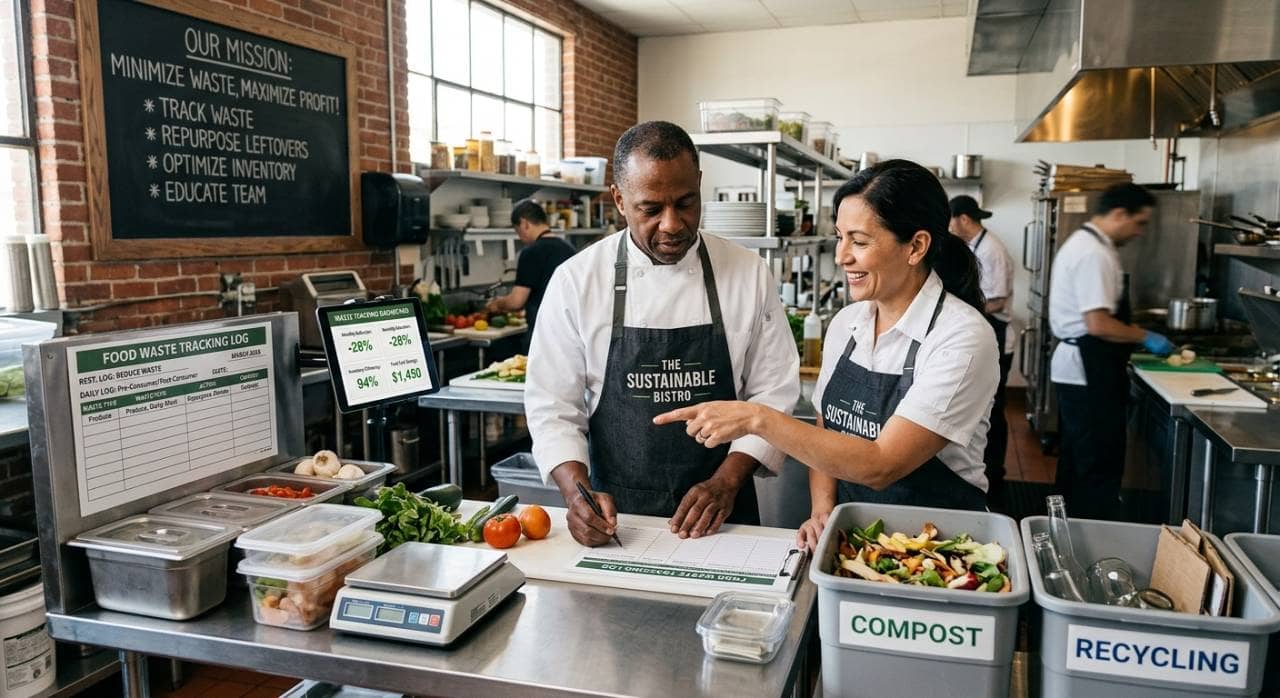
Learn how to reduce food waste in restaurants through smarter purchasing, storage, preparation, and service strategies that cut costs.
Sep 9, 2026
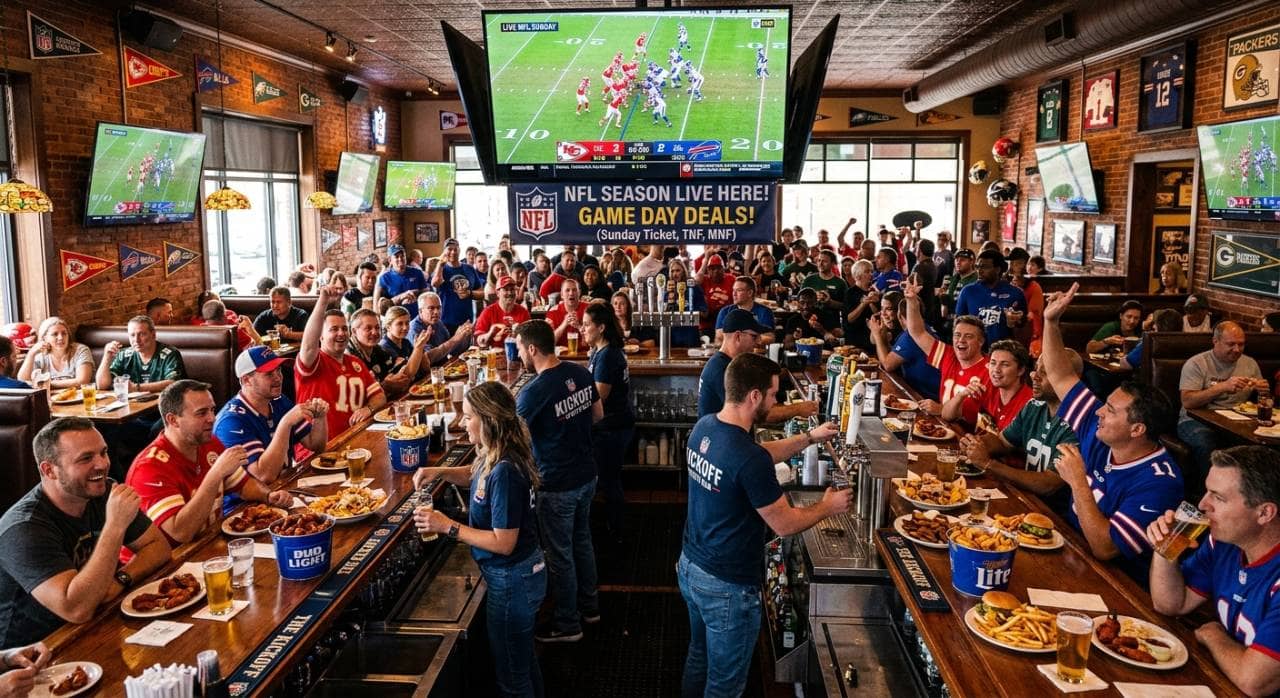
Prepare your restaurant for NFL season with smart menu planning, staffing, marketing, technology, and atmosphere strategies that boost season-long revenue.
Sep 9, 2026
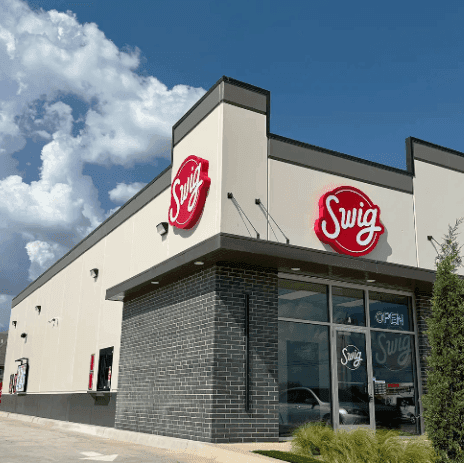
Swig signs franchise agreement for 11 South Denver locations, marking Colorado entry and validating its national expansion strategy.
Sep 8, 2026
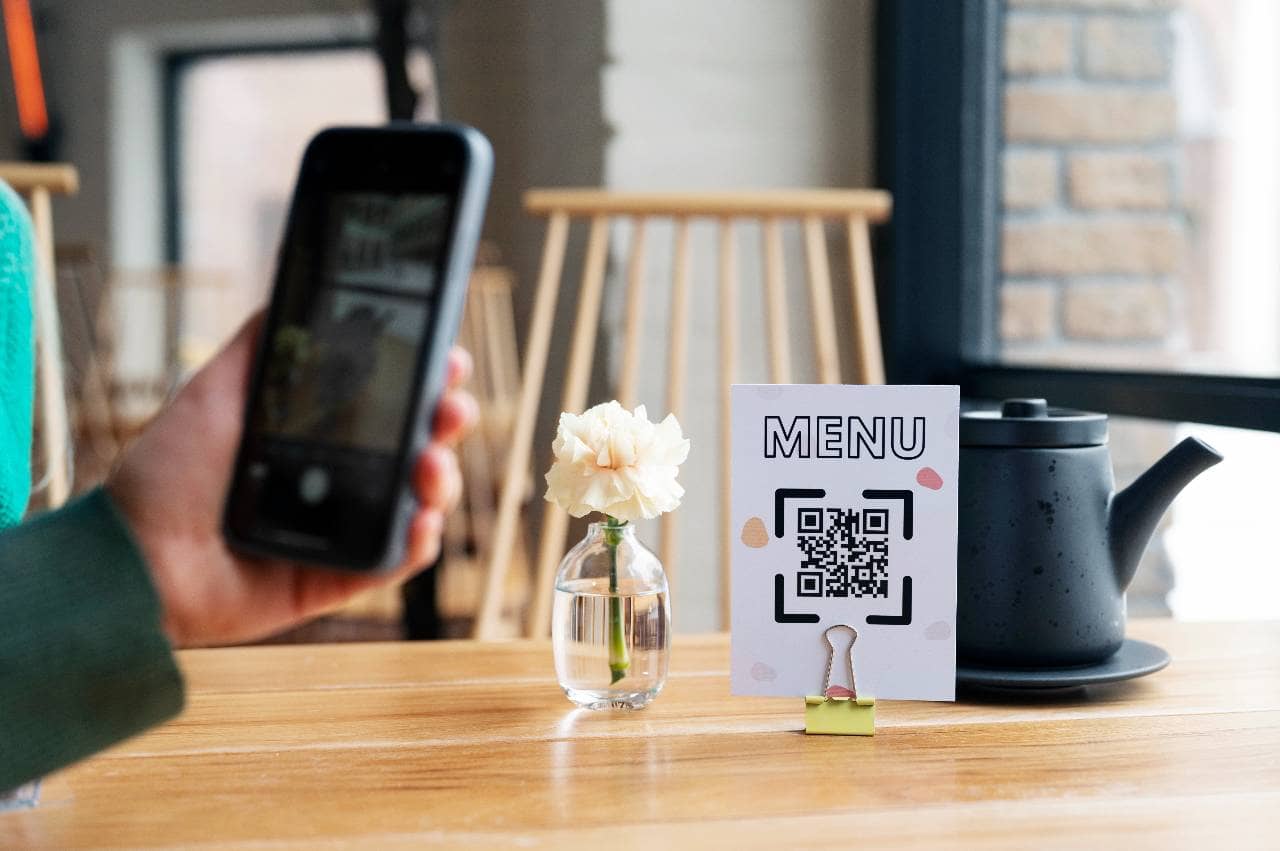
QR code menus let restaurants replace paper menus digitally, enabling instant updates, contactless browsing, ordering, and payment through simple smartphone scanning.
Sep 7, 2026
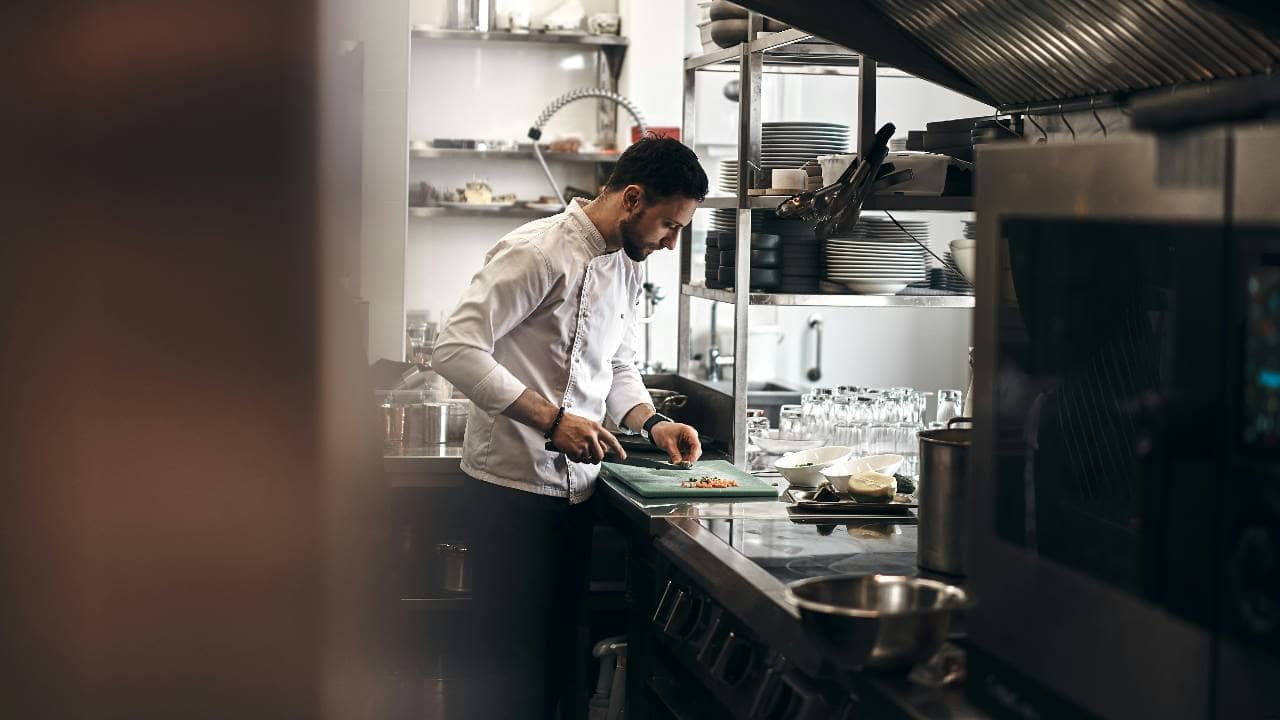
Complete guide helping restaurant owners choose essential kitchen equipment - covering cooking, refrigeration, prep, sanitation, ventilation, safety, and long-term maintenance planning.
Sep 7, 2026

Avoiding common restaurant payroll mistakes - misclassification, tip credit errors, overtime miscalculations - protects businesses from costly penalties, back pay, and compliance risks.
Sep 4, 2026
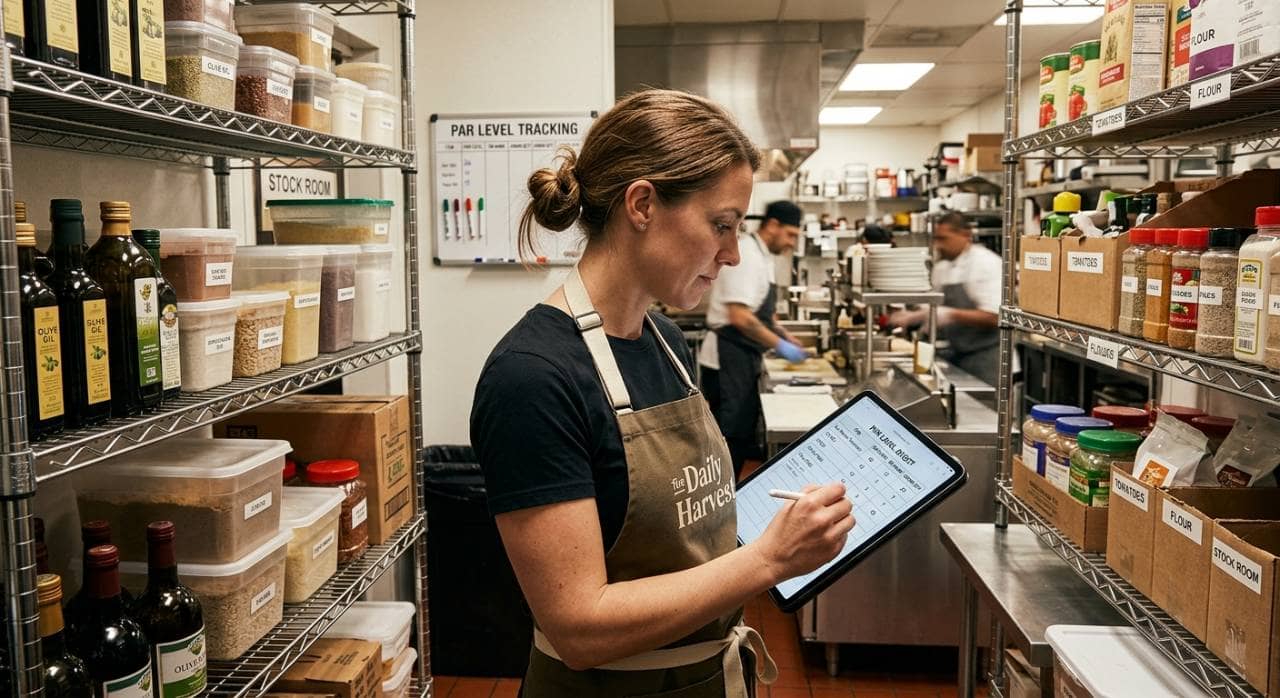
Learn to calculate par levels for restaurant food, beverages, and packaging inventory, preventing stockouts and waste through proper formulas.
Sep 4, 2026
Caribou Coffee appoints Zane Thomas-Rogers as Chief Operations Officer to strengthen execution across its expanding coffeehouse network.
Sep 4, 2026

Unlock Exclusive Access To Webinars, Events, And The Latest News For Free!
McDonald’s blends nostalgia with AR to drive value-led momentum, pairing Collector’s Edition cups with digital experiences and experiential events.
McDonald’s is not chasing novelty. It’s leaning into memory to drive traffic in a tougher market. The Collector’s Edition cups are the centerpiece of a broader storytelling play: Beanie Babies, Barbie, Shrek, Peanuts, Hello Kitty, Coca‑Cola, and more. The idea is simple: flash a memory, unlock a moment, turn nostalgia into a reason to order. The cups function as stage props for conversations, social posts, and repeat visits. It’s a no‑nonsense bet: emotional resonance paired with everyday meals. The next move is the bridge to what follows: how this strategy actually translates in the kitchen and the app.
Beyond the mugs, the program anchors a broader digital storytelling push. Each cup carries a QR code that unlocks AR experiences on platforms like Snapchat and McDonald’s app. The cup designs trace back to iconic collaborations, Beanie Babies, Barbie, Hello Kitty, Peanuts, Coca‑Cola, selected to resonate with longtime fans. The nostalgia hook also nods to classic McNugget Buddy moments such as the Cowpoke and the 1993 Hot Wheels dragster while reaching forward with modern tie‑ins like Minions. The Collector’s Edition cups become available starting August 13, 2024 as a limited‑time program intended to rekindle memories and invite new collectors. In‑person moments are planned, Santa Monica by a pool, and a ride at Coney Island, to turn memory into shareable buzz.
Why now? Inflation has shifted how people spend at fast‑food counters. McDonald’s, like rivals, is leaning into value as menu prices rise and budgets tighten. The chain posted its first comparable-sales decline since the pandemic period in the second quarter, a clear signal that rising prices are dampening traffic for some diners. In response, it rolled out a $5 Meal Deal in late June 2024, a targeted effort to attract budget‑minded customers while sustaining foot traffic. Franchisees debated how long the promo would run and whether it would survive without broad corporate backing.
Industry observers tracked the promo’s trajectory as a barometer for how far the company will go with value levers. The initial window was about a month in most markets, but extensions into December pushed the deal further into the year, and discussions circulated about sustaining the program with continued corporate investment. By late 2024, outlets reported further extensions into mid-2025 as McDonald’s tested different value configurations, all amid the reality that higher prices still influence how many customers walk through the door.
Beyond the cup, there’s a software backbone. The Collector’s Edition cups pair with QR codes that trigger AR experiences designed to live on platforms like Snapchat and the McDonald’s app. The designs, rooted in beloved brands, Beanie Babies, Barbie, Hello Kitty, Peanuts, Coca‑Cola, have a logic: tap memory, spark a purchase, and push repeat visits. The limited‑edition nature makes them collectible, inviting discussion and social posting as memories get shared.
AR is a channel, not a gimmick. McDonald’s has leaned into digital storytelling in promotions over the years, and this run fits into that arc. Activation channels include Snapchat‑driven lenses and the company’s own social profiles, extending the story beyond the restaurant walls. The result is a multi‑touch moment: a cup in hand, a scan, a moment of memory, and a new reason to drop in for a meal.
Reaction to the collector-cup program has been mixed. The emotional pull of nostalgia is real, but the durability of a limited-edition merch promo is unclear. Some fans celebrate the memory‑driven hook, while others worry the promo will fade once the cups disappear. Franchisees say the value‑driven approach helps traffic when paired with promotions, but they want continued corporate support to keep the momentum going.
"It may be more pronounced with lower-income consumers, but all income cohorts are seeking value.", an Associated Press takeaway that frames the broader market context. The value narrative matters, and franchisees note the $5 value meal helped traffic, but they insist on ongoing corporate investment to sustain it. The collectibles ecosystem also matters: fans continue to trade historic cups on resale sites like eBay, extending the life of the promotion beyond the initial run.
McDonald’s nostalgia strategy is a multi‑pronged bet: bolster memory through collector cups, AR experiences, and experiential events, while leaning into value to counter inflation. The two pillars are simple: the emotional pull of familiar characters and the modernity of integrated digital storytelling that brings those memories to life in real time. The questions are practical, will the value‑driven model prove durable, and what’s the ROI of limited-edition cups? The early signs show memory can move orders; the real test is whether AR and value can sustain traffic over time.
As McDonald’s expands these initiatives, watchers will judge whether nostalgia, technology, and value translate into durable traffic, rising same‑store sales, and a stronger bond with both longtime fans and new audiences. The cup campaign isn’t a one‑off stunt; it’s a template for memory‑driven commerce, provided the math and the marketing stay aligned with the real needs of customers.
