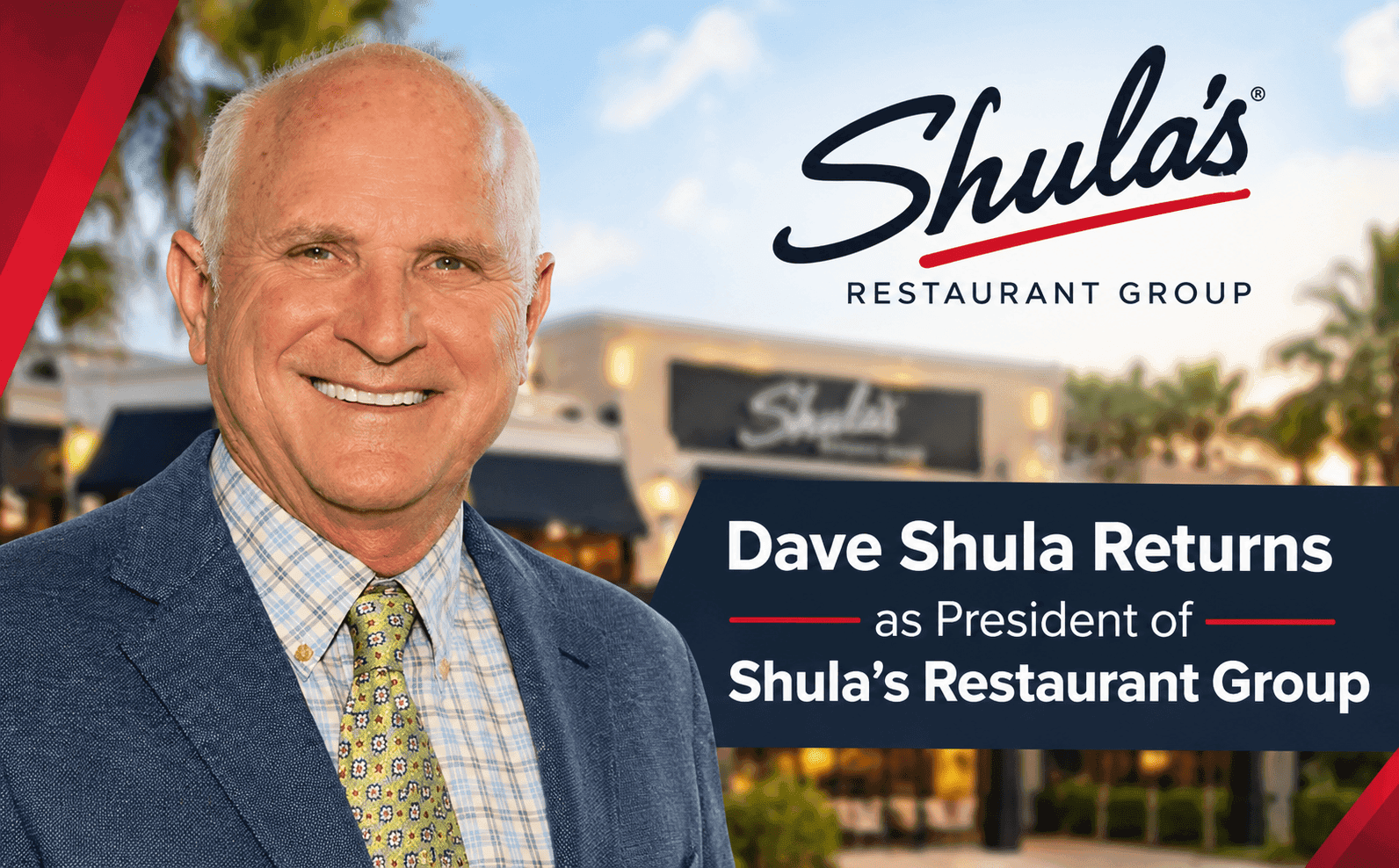
Dave Shula Returns as President of Shula's Restaurant Group
Dave Shula rejoins Shula's Restaurant Group as president, leading growth into Palm Beach Gardens and a 2027 Thomasville, Georgia expansion.
News
Sep 23, 2026
Dave Shula rejoins Shula's Restaurant Group as president, leading growth into Palm Beach Gardens and a 2027 Thomasville, Georgia expansion.
Sep 23, 2026
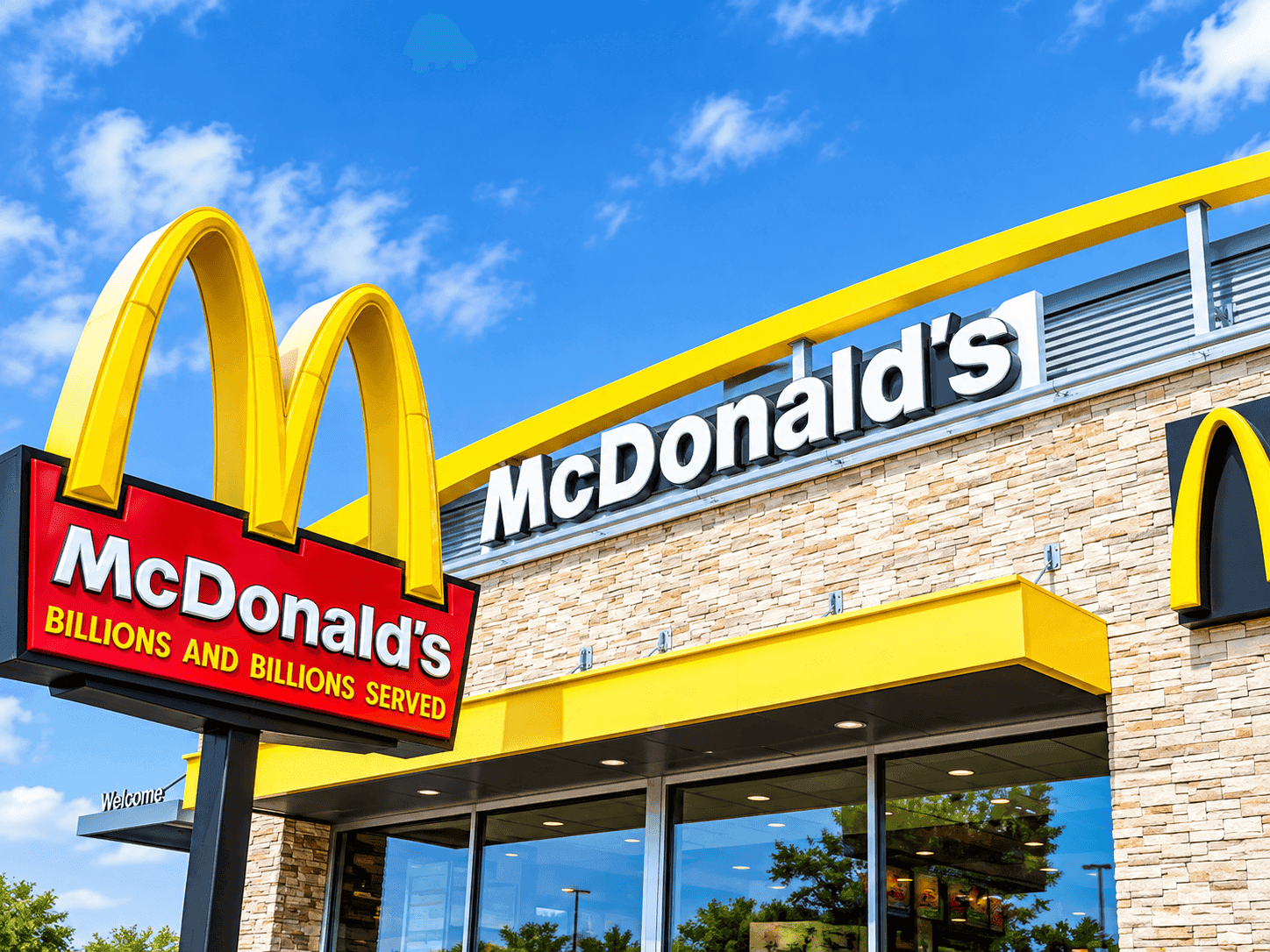
McDonald's commits $8.5 billion through 2036 to modernize restaurants, boost cash flow by $100,000 per store, and grow chicken and beverage sales.
Sep 23, 2026
WKS Restaurant Group promotes Jay Spongberg to president and COO after he helped grow the company from 65 to 382 restaurants over 16 years.
Sep 23, 2026

Smokey Mo's BBQ names Von Dawson, a Dine Brands veteran, as VP of Franchise Development to lead its Texas expansion strategy.
Sep 23, 2026
.png&w=3840&q=70)
Meritage Hospitality's Chapter 11 filing pulls 5% of Wendy's U.S. stores into bankruptcy, exposing cracks in franchising's bigger-is-safer bet.
Sep 21, 2026
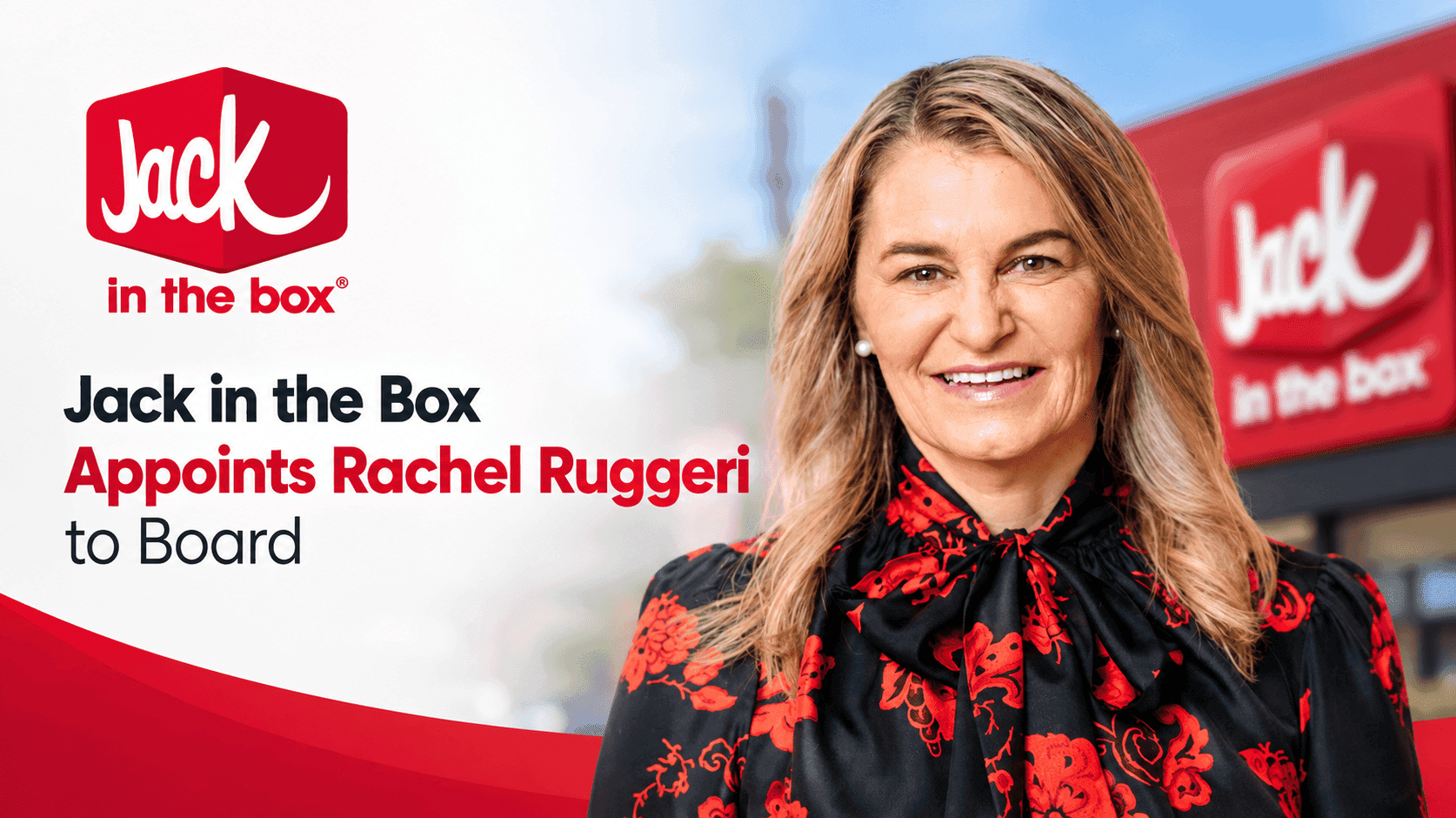
Jack in the Box names Rachel Ruggeri to its board as Michael Murphy retires, amid a CEO transition and deal with investor GreenWood.
Sep 21, 2026

Improve restaurant Google Maps rankings by optimizing your business profile, selecting accurate categories, gathering reviews, adding photos, and strengthening local relevance signals.
Sep 21, 2026

Restaurant inventory tracking helps owners monitor stock, control food costs, reduce waste, improve purchasing, and make informed operational decisions.
Sep 21, 2026

Restaurant owners can significantly reduce restaurant costs by leveraging technology across inventory, labor, procurement, forecasting, and administrative operations for better profit margins.
Sep 18, 2026

Understand how to forecast restaurant revenue and expenses with methods for sales projection, cost scaling, fixed-cost planning, and risk buffering.
Sep 18, 2026

Unlock Exclusive Access To Webinars, Events, And The Latest News For Free!
Explore how the Independent Restaurant Coalition advocates for tax exemptions on service charges to enhance compensation fairness in independent restaurants.

Photo by Jason Leung
The Independent Restaurant Coalition (IRC) has been at the forefront of advocating for fair compensation practices within independent bars and restaurants. Their recent call to Congress to amend the 'No Tax on Tips' provision in the proposed budget reconciliation package highlights their commitment to ensuring that all restaurant workers benefit from tax relief. By urging for an extension of tax exemptions to service charges, the IRC aims to address the disparity in compensation between front-of-house and back-of-house employees.
The current tax system, where only tipped workers receive tax benefits under the Fair Labor Standards Act, leaves out crucial back-of-house staff like dishwashers, chefs, and porters. While the proposed tax exemption on tips could provide an average tax cut of $1,260 for tipped workers, non-tipped employees remain excluded from these benefits. This discrepancy underscores the need for broader reforms to ensure equitable compensation for all restaurant workers.
By advocating for the inclusion of service charges in the tax exemption policy, the IRC aims to extend financial relief to low- and middle-income workers across the restaurant industry. Service charges, which have become common in recent years to cover various employee-related costs, are currently taxed as business income, disadvantaging employees. If service charges were treated similarly to tips under the tax code, it would not only alleviate the tax burden on employees but also legitimize service charges as a valid form of compensation.
The IRC emphasizes that transparent and equitable compensation practices are essential for the sustainability of independent restaurants. By exempting service charges from taxes, businesses may be encouraged to adopt more transparent pay structures and offer fair compensation to all employees. This move could not only enhance employee morale but also attract talent to the industry, promoting long-term growth and stability.
The IRC's efforts have garnered significant industry support, as evidenced by the 400 independent restaurants and owners across 26 states who signed a letter urging Congress to reform the taxation of service charges. This collective push for fairness in compensation highlights the importance of aligning tax policies with the evolving needs of the restaurant workforce and promoting a more inclusive and sustainable restaurant industry.