
Pei Wei Wins Best Fast-Casual Chain Award
Pei Wei Asian Kitchen named Best Fast-Casual Chain in Reviewed 2026 Awards, reflecting shift from price competition to quality and transparency.
News
Sep 11, 2026
Pei Wei Asian Kitchen named Best Fast-Casual Chain in Reviewed 2026 Awards, reflecting shift from price competition to quality and transparency.
Sep 11, 2026

O'Charley's shuttered all corporate restaurants nationwide on September 9, 2026, ending its 55-year legacy as a casual-dining regional powerhouse.
Sep 11, 2026
Authentic Restaurant Brands lands $325M investment from Trimontium to fuel disciplined regional expansion across five established restaurant concepts.
Sep 11, 2026

Walmart expands restaurant delivery beyond Subway and Dunkin', taking on DoorDash, Uber Eats, and Grubhub with Papa Johns nationwide rollout.
Sep 11, 2026

Complete NFL season restaurant checklist covering licensing, AV setup, menu prep, inventory, staffing, and marketing before kickoff arrives.
Sep 11, 2026

California shifts to public enforcement strategy against Dickey's for deceptive franchise disclosures, signaling stricter state-level franchise oversight.
Sep 10, 2026
Paul Brown temporarily steps away from Inspire Brands as Scott Murphy assumes interim CEO role during confidential IPO filing process targeting late 2026.
Sep 10, 2026
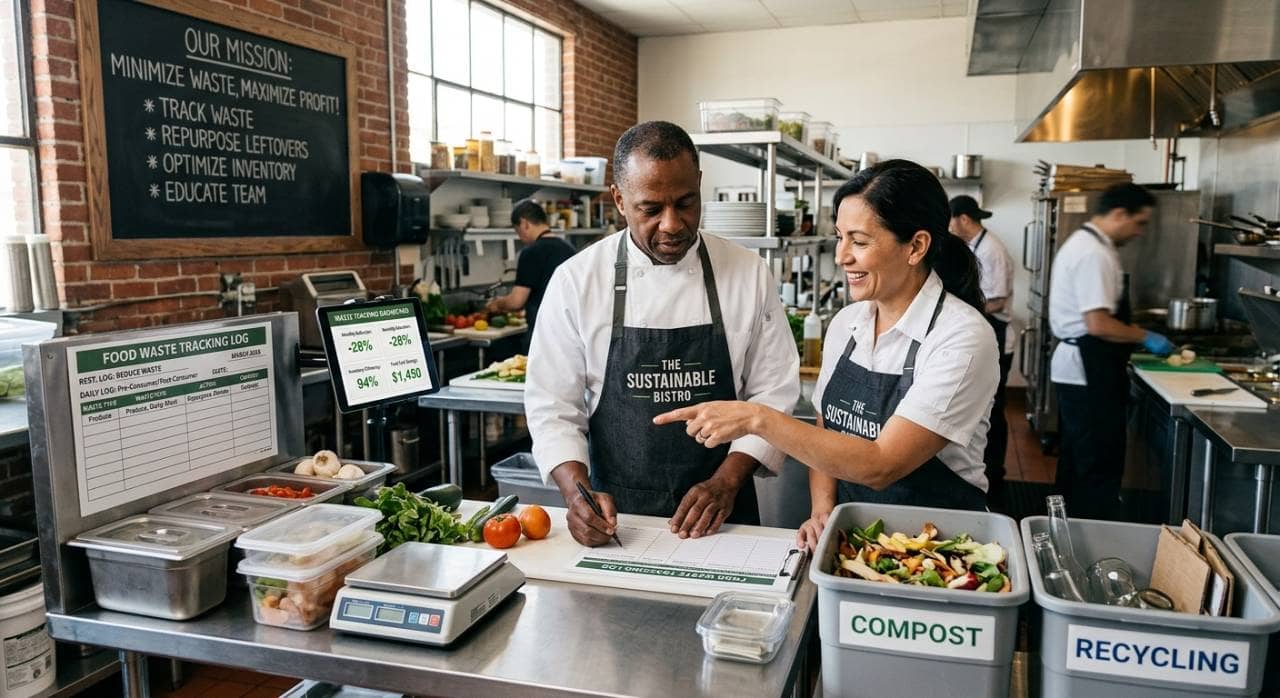
Learn how to reduce food waste in restaurants through smarter purchasing, storage, preparation, and service strategies that cut costs.
Sep 9, 2026
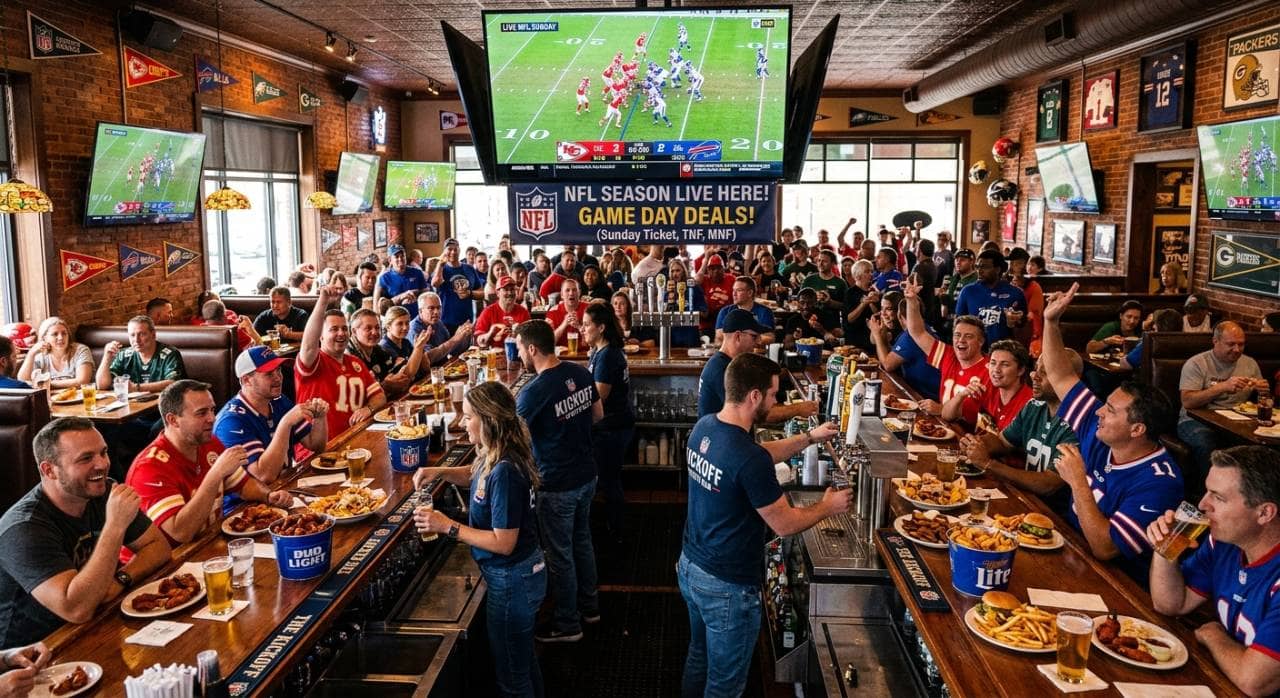
Prepare your restaurant for NFL season with smart menu planning, staffing, marketing, technology, and atmosphere strategies that boost season-long revenue.
Sep 9, 2026
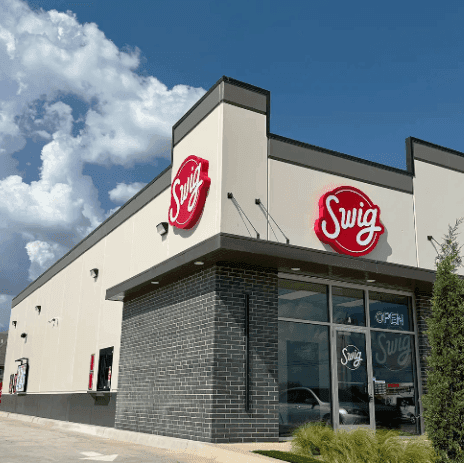
Swig signs franchise agreement for 11 South Denver locations, marking Colorado entry and validating its national expansion strategy.
Sep 8, 2026

Unlock Exclusive Access To Webinars, Events, And The Latest News For Free!
Daland Corp. revives classic Pizza Hut dine-in in small towns, fueling emotional pull and sales as Yum weighs a sale and closures reshape the brand.

Photo by Sarda Bamberg
Tim Sparks is bringing back the bright red roof, and with it, a roomful of memories. The president of Daland Corp. has converted 38 of his 92 Pizza Hut units across 11 states back to the retro dine-in format: vinyl booths, Tiffany-style lamps, video games and those unmistakable red cups. The throwback look has become a draw in its own right. NBC’s Today aired a segment on the rolled-back design, and Yum Brands says 155 Pizza Hut locations in the United States now showcase the brand’s earlier features. On TikTok and Instagram, families post their pilgrimages from neighboring towns and states to relive the sit-down ritual they remember.
Sparks came up through the system, starting as a dishwasher after high school before rising to shift manager, system manager and regional general manager. “I grew up in that environment,” he said, recalling how Pizza Hut was “always our family’s big night out.” His push for Classic dining rooms arrived as the chain recalibrated.

Pizza Hut pivoted toward delivery and carryout in 2017 after Domino’s gained 8 percent market share from 2013 to 2017 and Pizza Hut’s share slipped by six points. Dine-in relevance fell away. Domestic same-store sales dropped 6 percent in the first quarter of 2026, the tenth straight quarterly decline, and the brand announced plans early this year to close 250 underperforming U.S. restaurants to stabilize the system.
The retro program comes with rules. Corporate guidelines limit conversions to markets with fewer than 7,500 residents, and sites must be large enough to support full sit-down service. Sparks launched two of the first five nationwide retrofits in January 2018, then kept going. Authentic décor proved scarce at the start. Securing vintage Tiffany-style lamps and period fixtures required patience until specialty suppliers stepped in to meet demand.

Performance has given him reason to keep investing. Franchise disclosure documents show average gross sales at dine-in Pizza Hut restaurants were $1,037,823 in 2025, down slightly from $1,088,360 in 2024. Sparks reports his restaurants average over $1.2 million annually, and he is targeting roughly a dozen more conversions.
Guests, he says, did most of the persuading. When modernized stores arrived that “no longer even looked like a Pizza Hut,” feedback poured in. “I don’t like this at all, I’d rather you’d still be the old Pizza Hut.” Joe Linot, executive director of the International Pizza Hut Franchise Holders Association, puts it more broadly. Classic locations “aren’t just about nostalgia. It’s about the memories, family dinners, celebrations and moments of connection” the brand has fostered for generations. Social media has only amplified the sentiment. Instagram fills with photos of kids clustered around vintage arcade games, and TikTok clips of checkered tablecloths and red roofs rack up millions of views.

The return to comfort is not isolated to one chain. Across Taco Bell, KFC and McDonald’s, some operators are reviving throwback décor and menu staples to meet a craving for the familiar. Collider Lab’s 2026 Food Trends Report cites diners seeking “small, sensory, everyday acts” that steady them in unsettled times. Pizza Hut’s Classic rooms answer that call with red plastic cups, Tiffany-style lighting and salad bars, a counterpoint to the frictionless world of delivery-only formats.
Corporate strategy hangs over the retro glow. Yum Brands opened a formal review of options for Pizza Hut on November 4, 2025, and on May 29, 2026, Reuters reported Yum is in exclusive talks to sell the chain to LongRange Capital. Pizza Hut represented roughly 12 percent of Yum Brands’ revenue in 2025 and is the smallest contributor among the company’s major restaurant brands. The plan to shutter 250 U.S. restaurants in the first half of 2026 underscores the reset.
Questions remain. Current franchise disclosure documents do not list the red roof format among concepts available to new operators, which confines expansion to existing eligible units. A new owner could revisit those guardrails, yet hard data on guest frequency, average check and return rates at retrofit locations remains limited to early adopters like Daland.
For now, Sparks’s approach shows how emotional equity can still move the needle for a legacy name under pressure from delivery-first rivals. He has married a sit-down ritual that feels timeless with the operational muscle of today’s system. What comes next will depend on whether LongRange Capital steps in, how format eligibility is redrawn and which small markets get the green light. The red roofs are back in 155 dining rooms, and the next chapter will reveal whether that glow spreads beyond the towns where it was born.
