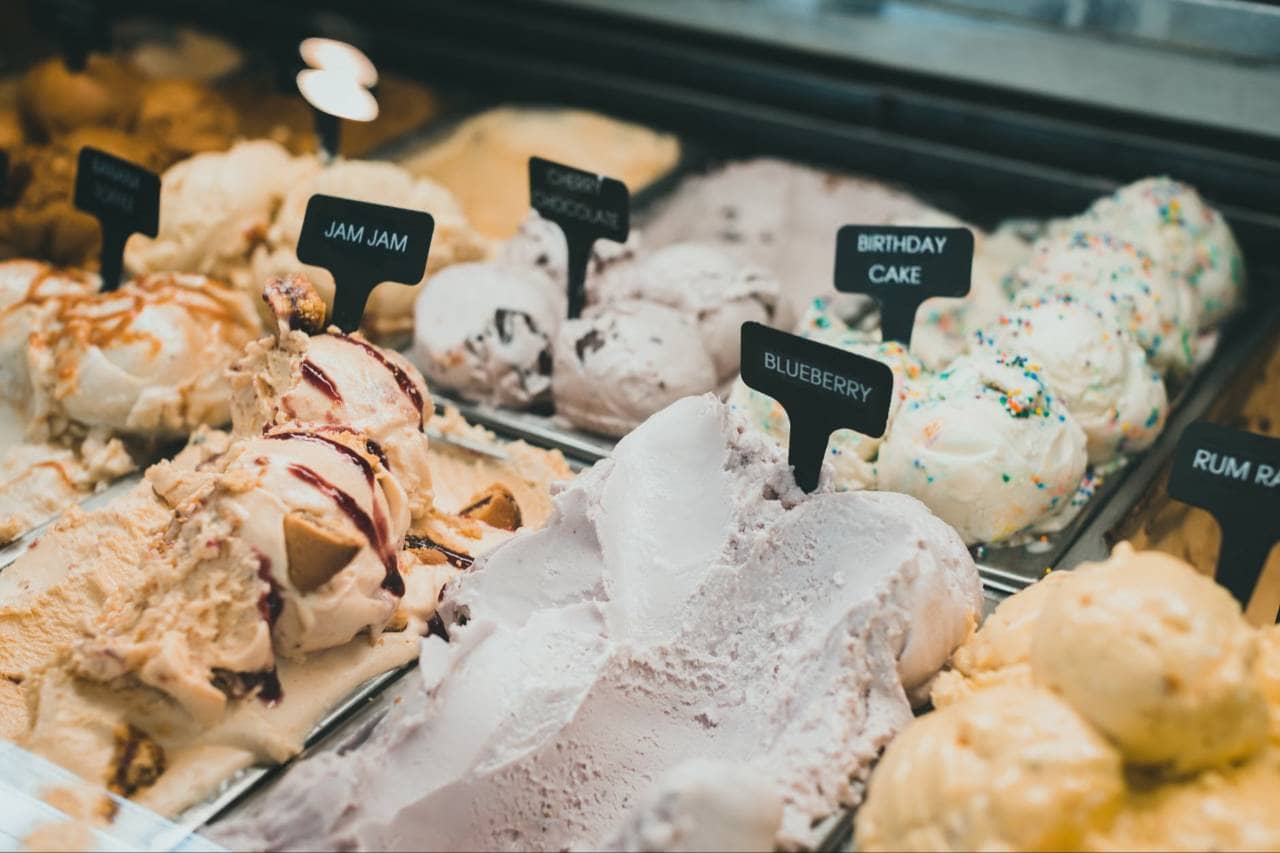
How Much Does It Cost to Open an Ice Cream Shop?
Learn the startup costs of opening an ice cream shop, including rent, equipment, renovations, permits, inventory, labor, marketing, and reserves.
Business Management
Aug 28, 2026
Learn the startup costs of opening an ice cream shop, including rent, equipment, renovations, permits, inventory, labor, marketing, and reserves.
Aug 28, 2026
Learn practical ways to reduce labour costs through smarter scheduling, forecasting, productivity, cross-training, automation, overtime control, and performance monitoring strategies.
Aug 26, 2026

A restaurant P&L statement reveals sales, expenses, and profits, helping owners manage costs, improve margins, and plan finances more effectively.
Aug 26, 2026
RaceTrac has appointed Jill Pemberton as chief financial officer, succeeding Karla Ahlert, who moves into the newly created role of chief administrative officer.
Aug 26, 2026

Create a practical restaurant marketing plan by setting goals, targeting customers, choosing channels, budgeting wisely, scheduling campaigns, and measuring results.
Aug 24, 2026
A payroll advance policy helps restaurant owners define eligibility, limits, repayment, documentation, approval procedures, and compliance requirements for employee advances.
Aug 24, 2026
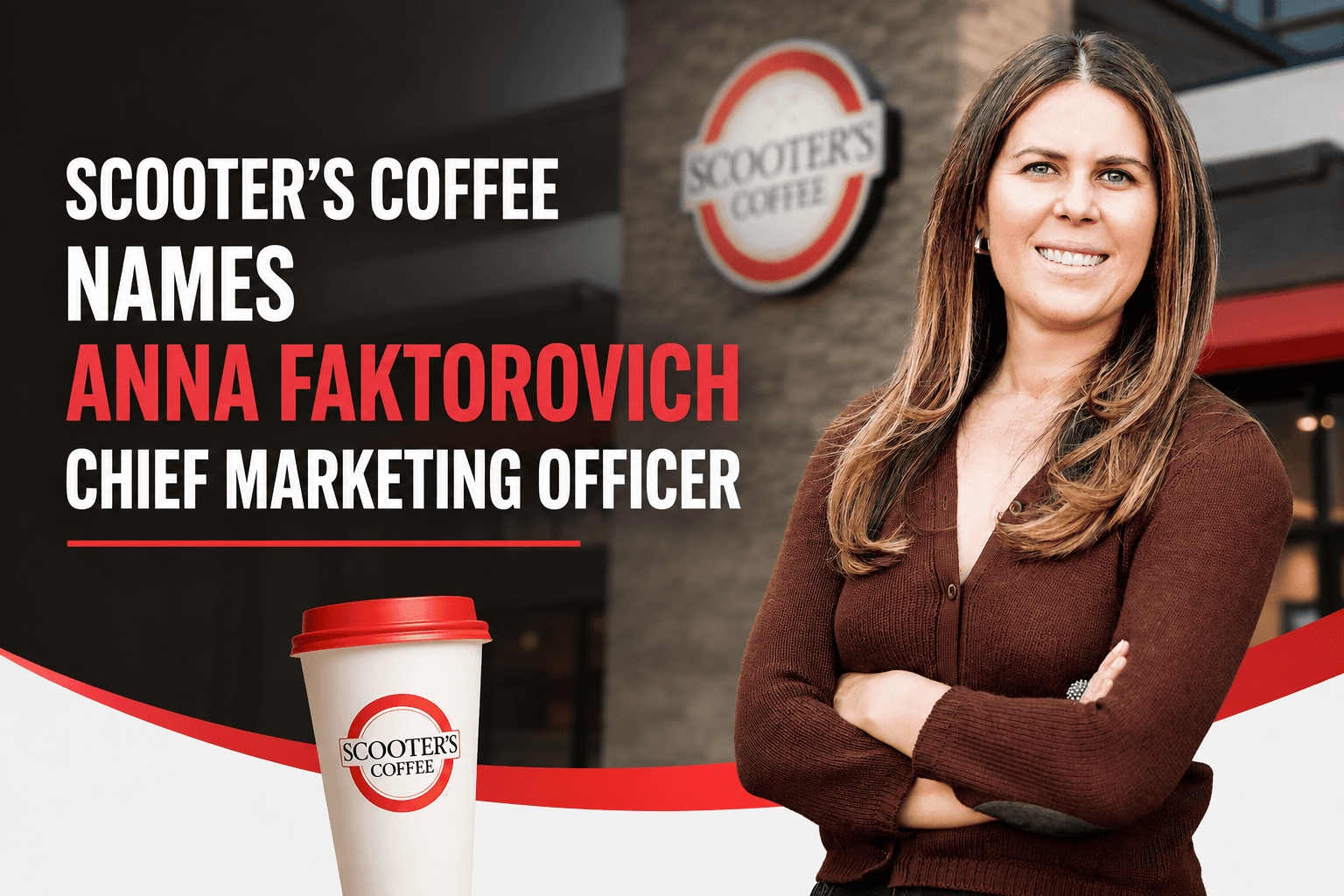
Anna Faktorovich, a seasoned marketing executive, has been named Chief Marketing Officer at Scooter’s Coffee, bringing decades of multi-brand experience to fuel the franchise’s next growth stage.
Aug 25, 2026
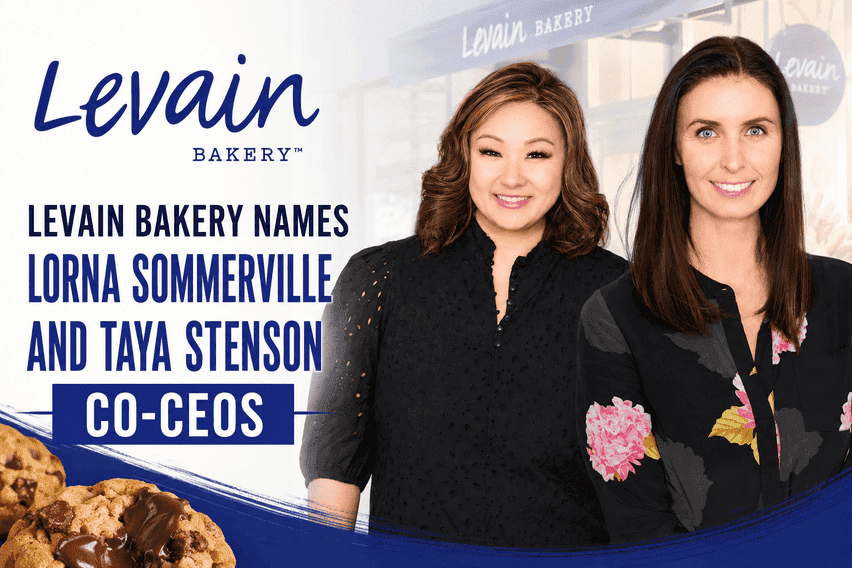
Levain Bakery appoints Lorna Sommerville and Taya Stenson as co-CEOs, blending operational and marketing expertise to power national expansion and innovation while staying rooted in its brand values.
Aug 25, 2026
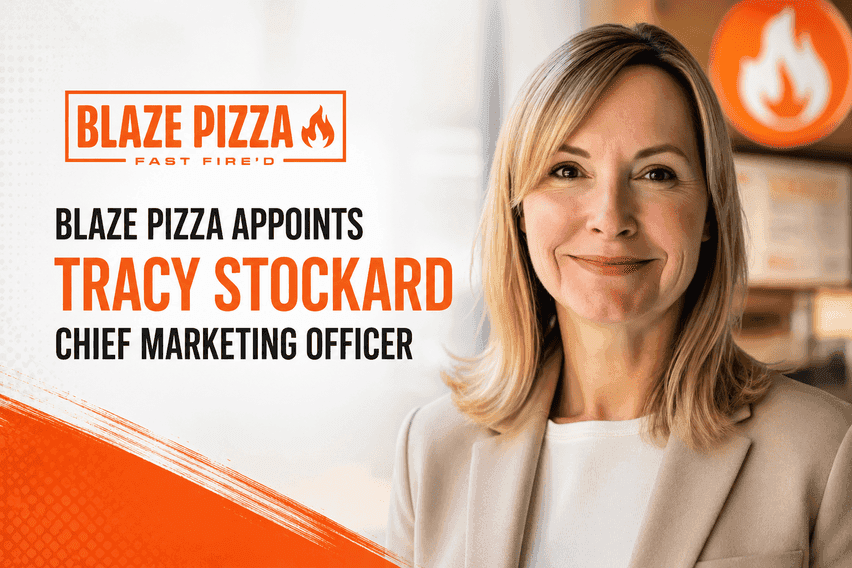
Blaze Pizza welcomes Tracy Stockard as Chief Marketing Officer, bringing decades of brand and franchise experience to drive strategic growth and guest engagement.
Aug 25, 2026
Wendy’s announces Tariq Hassan as Chief Marketing and Customer Growth Officer, charting a new course for brand and digital innovation. What restaurant owners can learn.
Aug 24, 2026

Unlock Exclusive Access To Webinars, Events, And The Latest News For Free!
New CMO Tim Hackbardt outlines bets on AI, automation and GLP-1 impacts, as operators weigh costs, ROI and changing demand.

Photo by Eiliv Aceron
Playa Bowls’ new CMO sizes up AI, robots and GLP-1 shockwaves
Two days into the job, Tim Hackbardt used the National Restaurant Association Show to put three bets on the table: artificial intelligence, robotics and GLP-1 medications. He cast AI as a “thought partner” for data analysis and creative ideation, said robotics and drone delivery are finally moving from hype to pilots, and warned that GLP-1 therapies could reset demand in ways operators are not ready for.
Hackbardt brings three decades at Del Taco, Inspire Brands and Bj’s Restaurants to Playa Bowls, a concept known for unique, functional ingredients such as spirulina. The timing is sharp. Rising labor costs and slowing dine-in traffic are pushing operators toward tech, even as execution lags.

Popmenu’s 2026 survey of 328 U.S. restaurant leaders found 44 percent have adopted AI tools and another 25 percent plan to deploy them this year, with most activity stuck in back-office and marketing experiments. The National Restaurant Association’s State of the Restaurant Industry 2026 report put AI-related tool usage at 26 percent among operators and only 6 percent in customer ordering, a gap that mirrors the industry’s caution. Inside Playa Bowls, the job is part translation, part discipline: condense unfamiliar product stories into clear, repeatable messages that sell.
His approach to AI favors control over flash. Hackbardt said he “uses a little bit of AI” to refine communication and ideation, often prompting models to generate copy that is “85 percent” aligned with his goals, then pulling a single word to sharpen the focus.
He stressed human oversight when blending loyalty data with third-party sources, acting as curator to keep segmentation accurate and compliant. The wider market is on a similar path. Qu’s State of Digital report shows 73 percent of restaurant brands have invested in AI but only 5 percent report realizing full returns.
Even so, 82 percent of executives plan to increase AI spending in the coming fiscal year, prioritizing tools with measurable efficiency gains. On automation, his stance has shifted with the cost curves. “I was very skeptical at first. It wasn’t affordable. But that’s starting to change now,” he said, pointing to a pizza topper with multiple sauce dispensers as a simple way to improve consistency.
Delivery drew a similar update. “One being drone delivery. That’s real now. And very efficient,” he said, while noting the need for airspace coordination to avoid congestion. The market is testing those bounds. Donatos Pizza opened its first fully autonomous store at John Glenn Columbus International Airport in June 2025, with robotic arms handling dough stretching, saucing, topping and oven-to-box conveyance.
In March 2026, Grubhub began a three-month drone delivery pilot in New Jersey with Dexa, serving customers within a 2.5-mile radius of Wonder’s Green Brook restaurant. FAA regulations issued earlier this year set a framework for commercial drone operations under Beyond Visual Line of Sight rules. Forecasts value the global robotic pizza segment at approximately $600 million with growth expected through 2034, but drone-delivery costs of $63 per flight still sit far above the $6 to $10 range for ground delivery, a reminder that unit economics will decide where pilots stick.
His final message landed on medicine, not machines. Hackbardt said the industry is not talking enough about GLP-1 weight-loss drugs. A recent report estimates 20 percent of U.S. households include at least one GLP-1 user, and the global market is projected to reach $150 billion by 2035. Fact-checkers peg current use at about 12.4 percent of U.S. adults, with adherence rising as therapies become easier to administer and more affordable.
Quick-service traffic in metro areas with high GLP-1 adoption has slipped 4 to 6 percent, a hit to categories that rely on frequency and volume. Few national chains have outlined responses. Most fast-food players have left menu compositions and portion sizes intact, while smaller brands test high-protein, lower-calorie builds wrapped in wellness narratives. Popmenu data show 85 percent of operators plan to adjust menu pricing, and over half are exploring ingredient substitutions and loyalty incentives to hold on to high-value customers. Concepts built around functional or niche ingredients, such as Playa Bowls, may have an easier time tuning portions and messages for guests seeking nutrient benefits over caloric volume.

Plenty of friction remains across all three fronts. AI rollouts are colliding with integration and privacy issues, with over 16 percent of operators reporting data-security incidents after initial deployments. The economics of fully autonomous kitchens are still unproven at scale. Drone delivery will depend on evolving airspace rules and steep cost reductions. GLP-1 demand shifts will track pricing, insurance coverage and adherence, which can change with policy.
That leaves a clear playbook. Run targeted pilots where task fit and costs align. Keep rigorous human oversight on data and creative. Tie every tool to an operational goal that can be measured. Hackbardt’s stance reflects that posture, using AI to sharpen language, testing automation where it lifts consistency, and treating GLP-1 as a permanent variable in menu and marketing. Operators who match that discipline will protect efficiency and brand trust while the ground keeps moving.