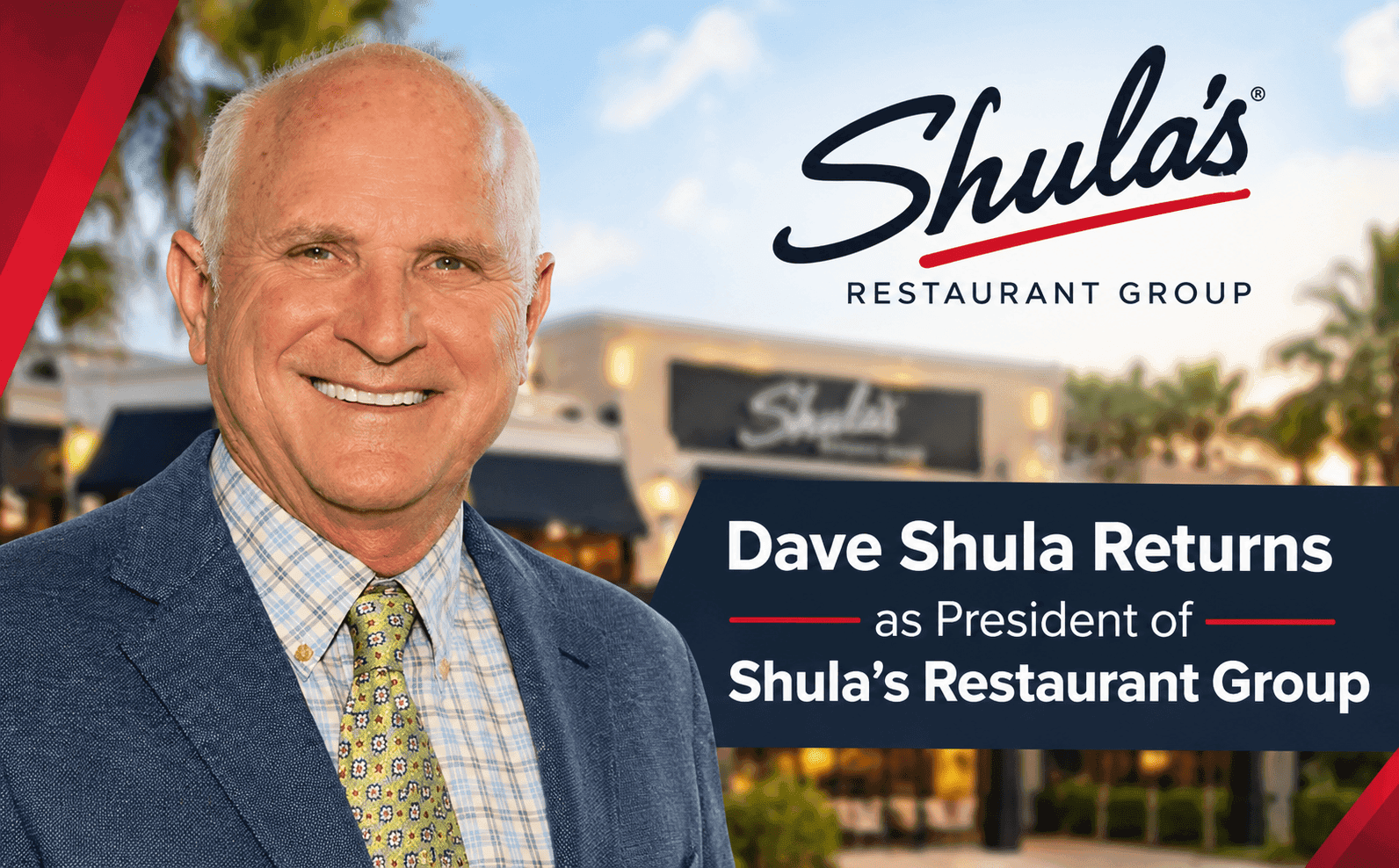
Dave Shula Returns as President of Shula's Restaurant Group
Dave Shula rejoins Shula's Restaurant Group as president, leading growth into Palm Beach Gardens and a 2027 Thomasville, Georgia expansion.
News
Sep 23, 2026
Dave Shula rejoins Shula's Restaurant Group as president, leading growth into Palm Beach Gardens and a 2027 Thomasville, Georgia expansion.
Sep 23, 2026
McDonald's commits $8.5 billion through 2036 to modernize restaurants, boost cash flow by $100,000 per store, and grow chicken and beverage sales.
Sep 23, 2026
WKS Restaurant Group promotes Jay Spongberg to president and COO after he helped grow the company from 65 to 382 restaurants over 16 years.
Sep 23, 2026

Smokey Mo's BBQ names Von Dawson, a Dine Brands veteran, as VP of Franchise Development to lead its Texas expansion strategy.
Sep 23, 2026
.png&w=3840&q=70)
Meritage Hospitality's Chapter 11 filing pulls 5% of Wendy's U.S. stores into bankruptcy, exposing cracks in franchising's bigger-is-safer bet.
Sep 21, 2026
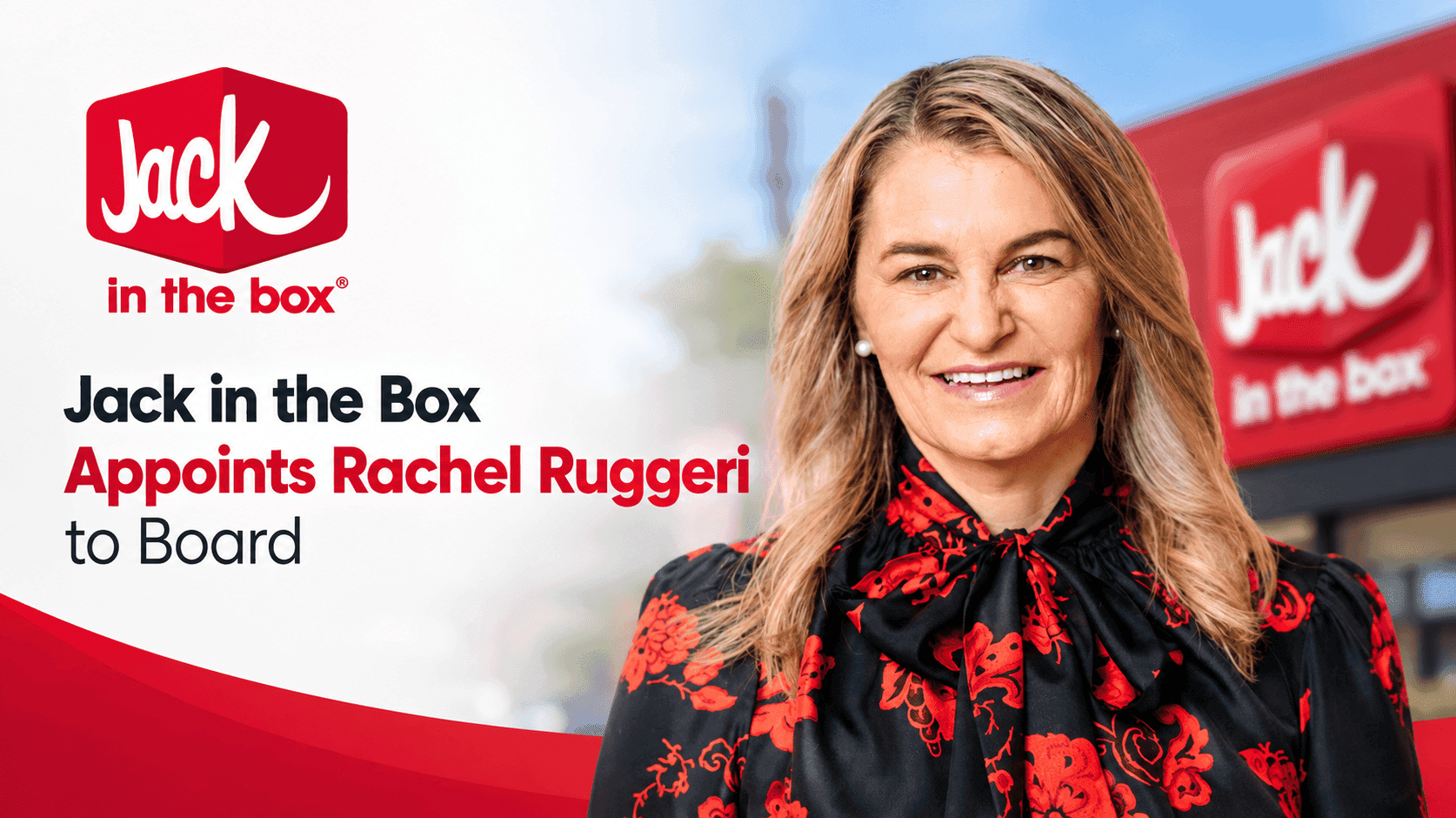
Jack in the Box names Rachel Ruggeri to its board as Michael Murphy retires, amid a CEO transition and deal with investor GreenWood.
Sep 21, 2026
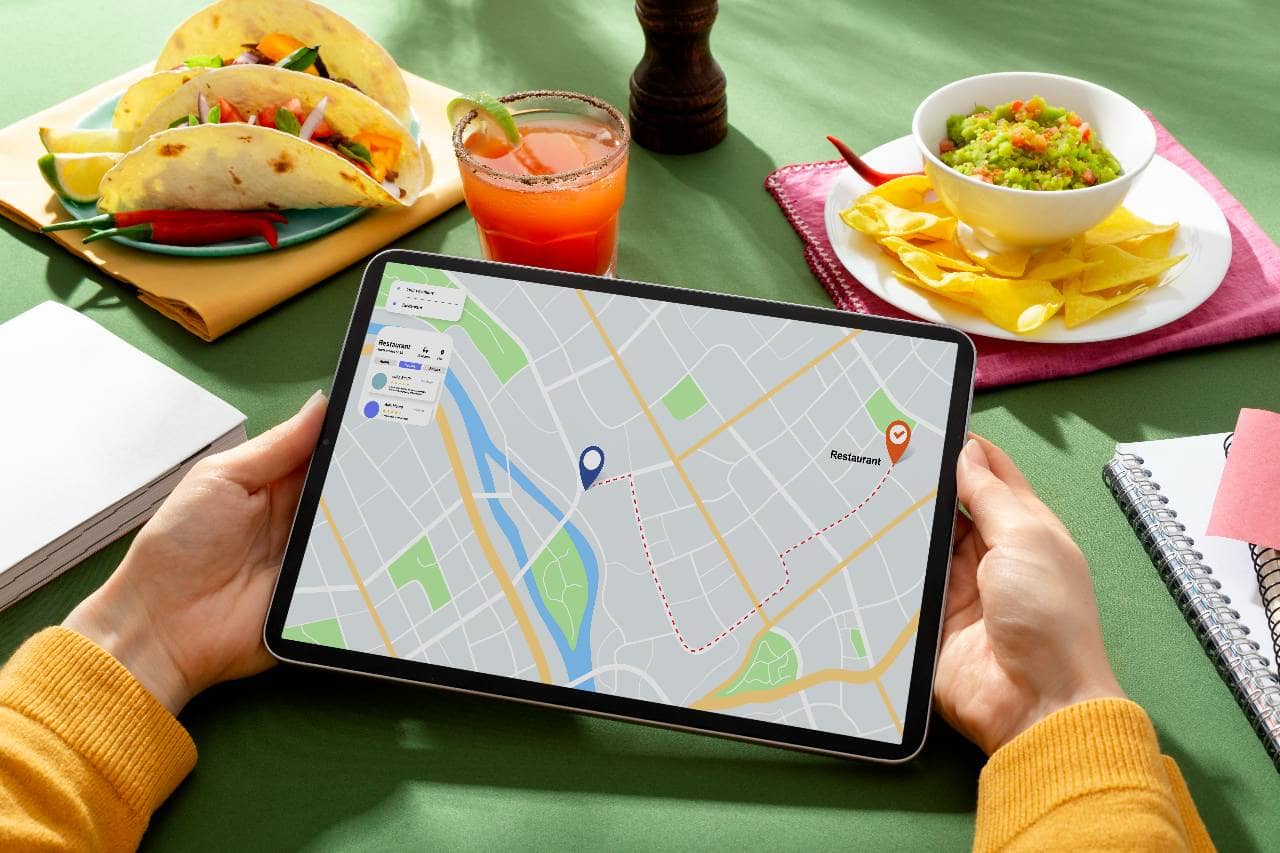
Improve restaurant Google Maps rankings by optimizing your business profile, selecting accurate categories, gathering reviews, adding photos, and strengthening local relevance signals.
Sep 21, 2026

Restaurant inventory tracking helps owners monitor stock, control food costs, reduce waste, improve purchasing, and make informed operational decisions.
Sep 21, 2026

Restaurant owners can significantly reduce restaurant costs by leveraging technology across inventory, labor, procurement, forecasting, and administrative operations for better profit margins.
Sep 18, 2026

Understand how to forecast restaurant revenue and expenses with methods for sales projection, cost scaling, fixed-cost planning, and risk buffering.
Sep 18, 2026

Unlock Exclusive Access To Webinars, Events, And The Latest News For Free!
Potbelly’s value push centers on the Skinny Combo to lift value, loyalty, and profitability amid inflationary pressure.

Photo by jack shingai
In a moment when wallets feel watchful and families seek comfort meals that won't stretch the budget, Potbelly's new chapter unfolds with a familiar, soft-spoken rhythm. The brand leans into everyday value, not flash-in-the-pan deals, and the Skinny Combo becomes the quiet center of its strategy. A complete meal at a predictable cost invites guests to linger a little longer, to order seconds, and to share stories in a booth that smells of toasted bread and coffee. This is not a sprint but a slow, welcoming frontline of growth:
The Skinny Combo is defined as a price-pointed bundle designed to deliver a complete meal at a predictable cost. After a constructive test in Q2, it rose to the top among the options Potbelly evaluated for value. The July systemwide rollout kept the price at $7.99, aimed at satisfying guests seeking fullness without triggering a discounting spiral. Early feedback signaled a meaningful lift in perceived value and in intent to return, while the company continues to balance price with margins to guard profitability.
The opening chapter of Potbelly's comeback is told with a quiet reverence for everyday moments. Leadership frames value as a long-term proposition, an anchor for loyalty and steady traffic through changing economies rather than a single-season gimmick. The café-like pace invites guests to feel at home, even as store economics demand careful attention to margins and growth. In that setting, value becomes a welcome routine rather than a rare event:
Executives underscore that the franchise model sits at the heart of the plan: if a promotion makes financial sense for Potbelly, it should be viable for franchisees too. “There’s no difference between a company P&L and a franchise P&L except for royalties. And so if it is profitable for us, it’s profitable for them.” Operators reinforce the message with candid feedback, including one comment that “I really appreciate the value. This will make a difference in whether or not I come back more often.” The strategy favors value with margin, not broad discounting, a careful, collaborative path toward durable growth.
Behind the counters, decisions on cost and pricing duel with appetite for growth. The improved shop-level profitability showed in Q2, with margins at 15.7%, a 130-basis-point year-over-year expansion, and marking the 13th straight quarter of improvement. Management frames these gains as proof that disciplined cost management and targeted promotions can coexist with expansion. The 2024 outlook calls for same-store sales in a narrow band (1.5% to -0.5%) and an adjusted EBITDA target of $27 million to $30 million, supported by refranchising and continued brand development.
“Focusing on the bottom line, CFO Steve Cirulis emphasized a balanced path: promotions with margins, growth with franchise economics, and a durable plan.” The leadership stresses profitability while expanding, a tone that signals reliability and calm, even as the menu expands and the franchise network grows. The company’s refranchising push and development investments are framed as a deliberate alignment of incentives across the system.
Potbelly’s second-quarter results highlighted stronger shop-level profitability, with margins at 15.7%, a 130-basis-point year-over-year rise and the 13th consecutive quarter of margin growth. Management framed these gains as evidence that disciplined cost management can coexist with growth, even in a promotional environment. The company reaffirmed its 2024 guidance, expecting same-store sales growth in a range of 1.5% to -0.5% and a firm adjusted EBITDA target of $27 million to $30 million for 2024.
CFO Cirulis summarized the stance: 'the franchise-led growth trajectory requires balance between promotions, margins, and operator economics,' a line that anchors the broader narrative of durable value instead of episodic discounts.
Even as same-store sales were flat and traffic softened in the quarter, Potbelly outpaced the broader fast-casual segment through a pricing-driven comp push and a strategic emphasis on digital engagement. Digital channels accounted for 40% of the business in Q2, up 200 basis points year over year, powered entirely by Potbelly’s own platforms. The Perks rewards program activity correlates with higher visit frequency, reinforcing the belief that a strong digital ecosystem can amplify value-driven promotions and drive loyal traffic.
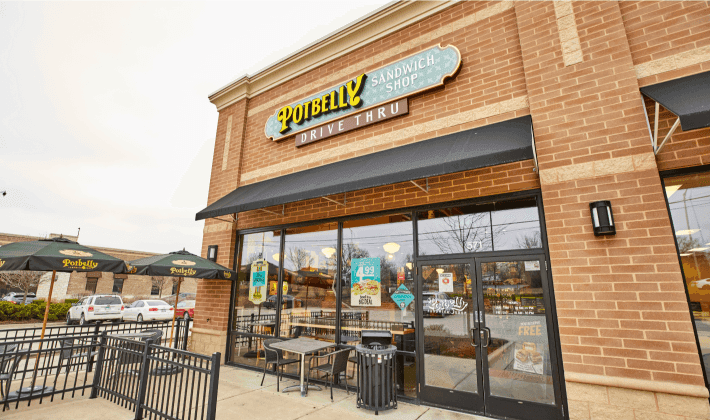
On the development front, Potbelly finished Q2 with 429 locations, 345 company-owned and 84 franchised. The chain opened nine stores in the first half of 2024 and aimed for 30 openings by year-end. Notably, Potbelly secured 54 new restaurant commitments year-to-date, including its first Georgia entry through a development partner. Over the past three years of renewed franchising, roughly 230 committed shops have been placed in the pipeline, signaling a deliberate, franchise-centric expansion strategy that complements digital growth.
Potbelly’s Georgia expansion marked a major milestone with a 15-store commitment in Atlanta with Royal Restaurant Group, with construction slated to begin January 2026 and a cadence of three new shops per year thereafter. The move accelerates the Southeast footprint as part of a broader plan to reach 2,000 units systemwide, emphasizing franchised growth. Earlier, Potbelly had signed additional multi-unit deals across Arizona, Illinois, Missouri, North Carolina, Texas, and Virginia, underscoring the franchising push that has defined its recent growth trajectory.

These developments reflect a balance between geography-led expansion and the value-focused promotions Potbelly has championed as a core brand proposition, one designed to translate everyday affordability into durable store visits and a wider, franchise-driven footprint.
The road ahead carries notable strategic developments that could reshape Potbelly’s trajectory. In 2025, RaceTrac announced its intent to acquire Potbelly for approximately $566 million, a deal that would fold the brand into a broader convenience-store platform with a shared emphasis on value and geolocation-driven promotions. If the deal closes as projected in late 2025 or early 2026, it could accelerate store growth and unlock potential synergies while preserving the neighborhood feel Potbelly has long championed.

The broader uncertainties revolve around how a large strategic partner will influence pricing discipline, digital investments, and franchise economics at scale. Beyond this, the ongoing franchising momentum and the development pipeline offer a cushion of upside should the macro environment remain challenging. In short, the coming quarters will reveal how a value-forward strategy translates into sustainable profitability and expansive growth.
