
O'Charley's Closes All Restaurants After 55 Years
Southern casual dining chain O'Charley's shut down all 47 company-owned locations nationwide on September 9, 2026, with minimal warning.
News
Sep 11, 2026
Southern casual dining chain O'Charley's shut down all 47 company-owned locations nationwide on September 9, 2026, with minimal warning.
Sep 11, 2026

California shifts to public enforcement strategy against Dickey's for deceptive franchise disclosures, signaling stricter state-level franchise oversight.
Sep 10, 2026
Paul Brown temporarily steps away from Inspire Brands as Scott Murphy assumes interim CEO role during confidential IPO filing process targeting late 2026.
Sep 10, 2026
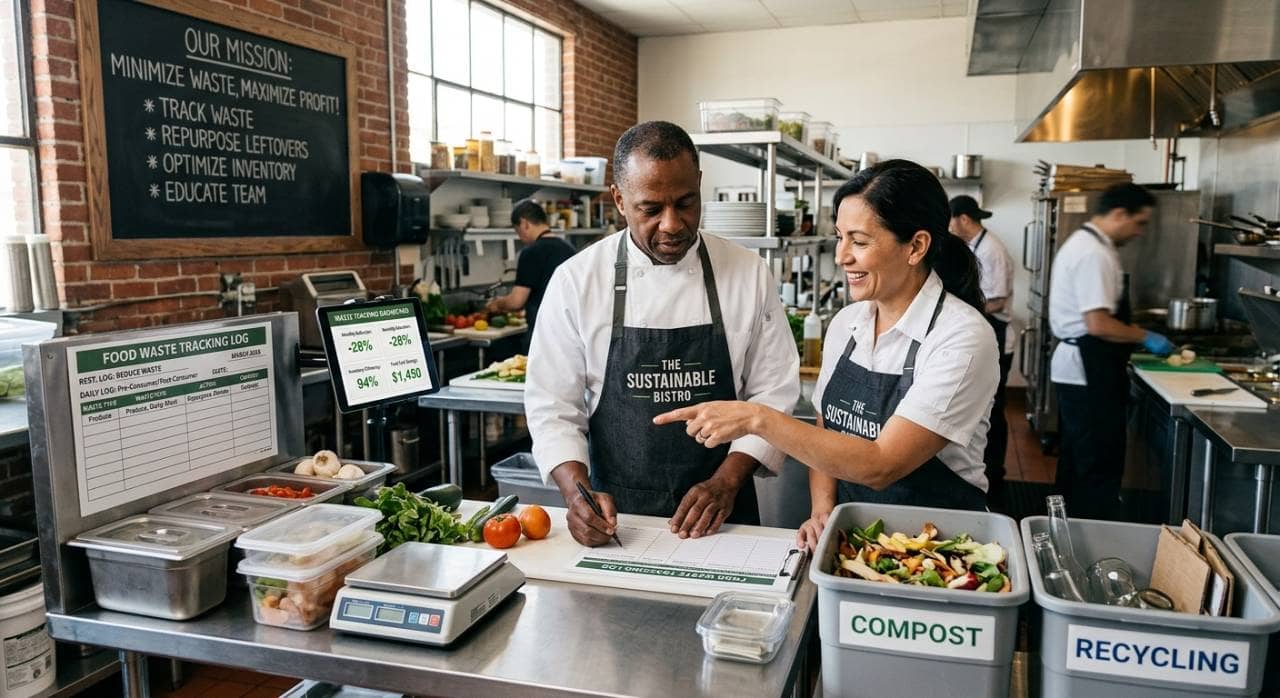
Learn how to reduce food waste in restaurants through smarter purchasing, storage, preparation, and service strategies that cut costs.
Sep 9, 2026
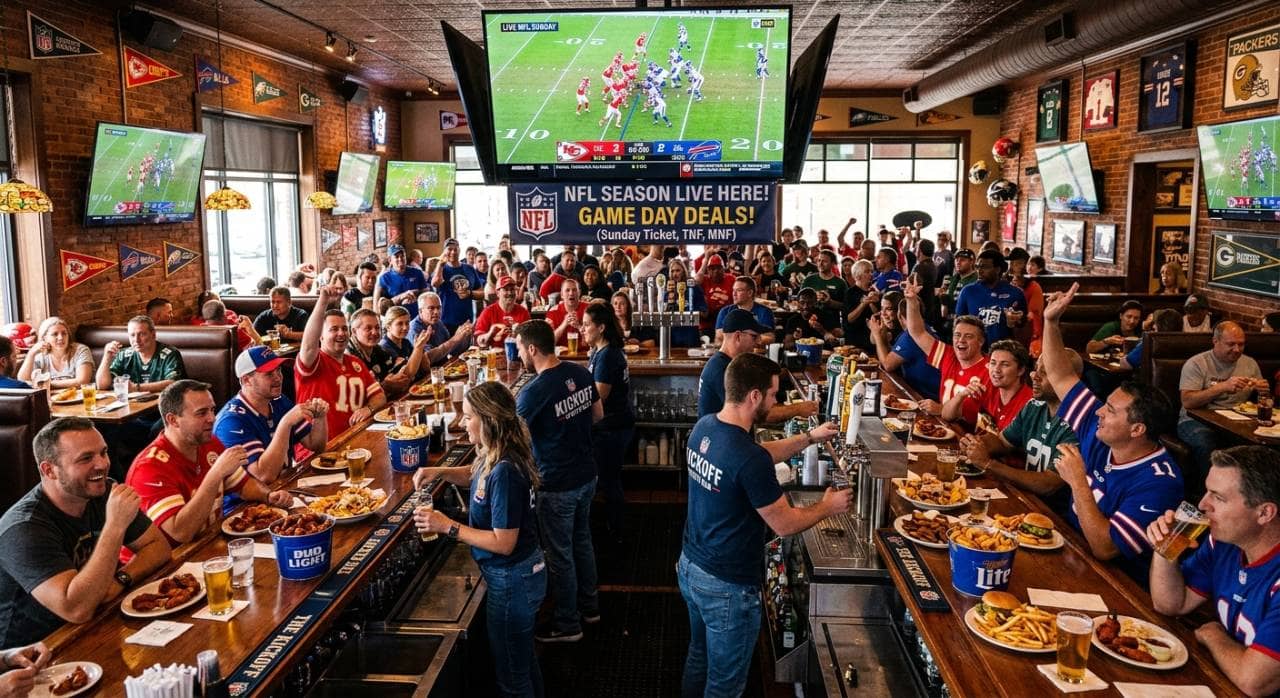
Prepare your restaurant for NFL season with smart menu planning, staffing, marketing, technology, and atmosphere strategies that boost season-long revenue.
Sep 9, 2026
Swig signs franchise agreement for 11 South Denver locations, marking Colorado entry and validating its national expansion strategy.
Sep 8, 2026
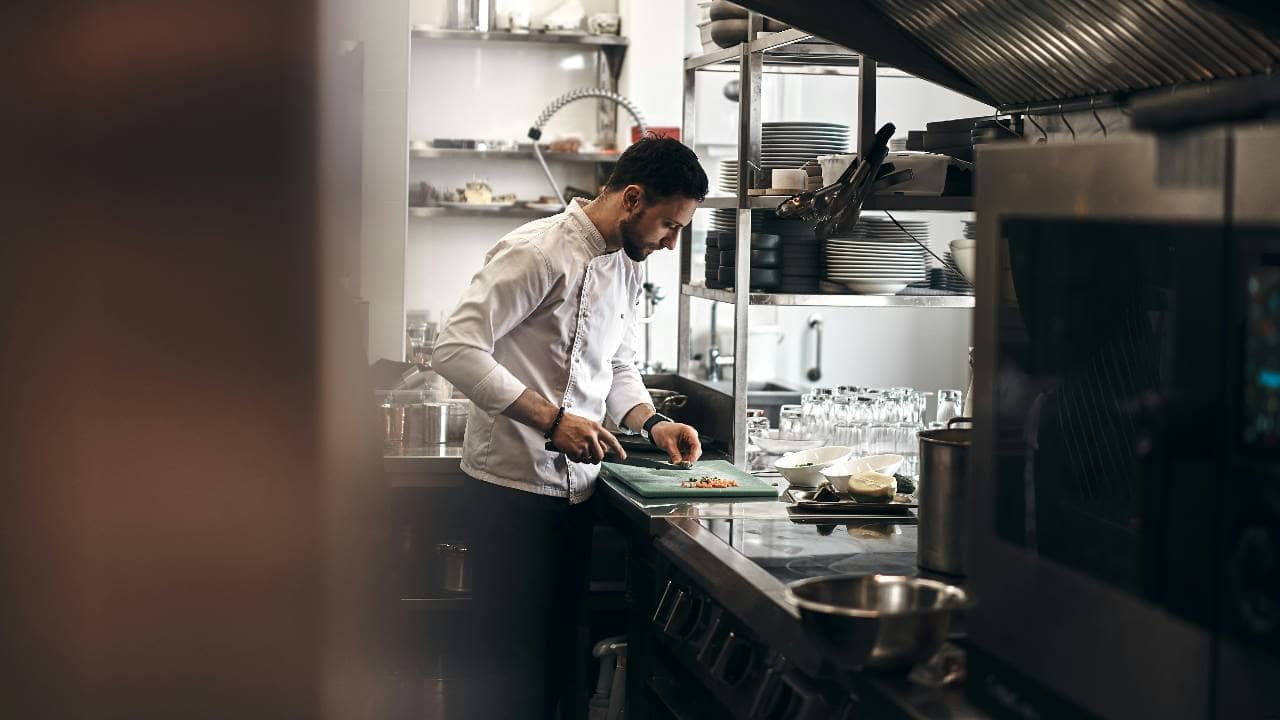
Complete guide helping restaurant owners choose essential kitchen equipment - covering cooking, refrigeration, prep, sanitation, ventilation, safety, and long-term maintenance planning.
Sep 7, 2026
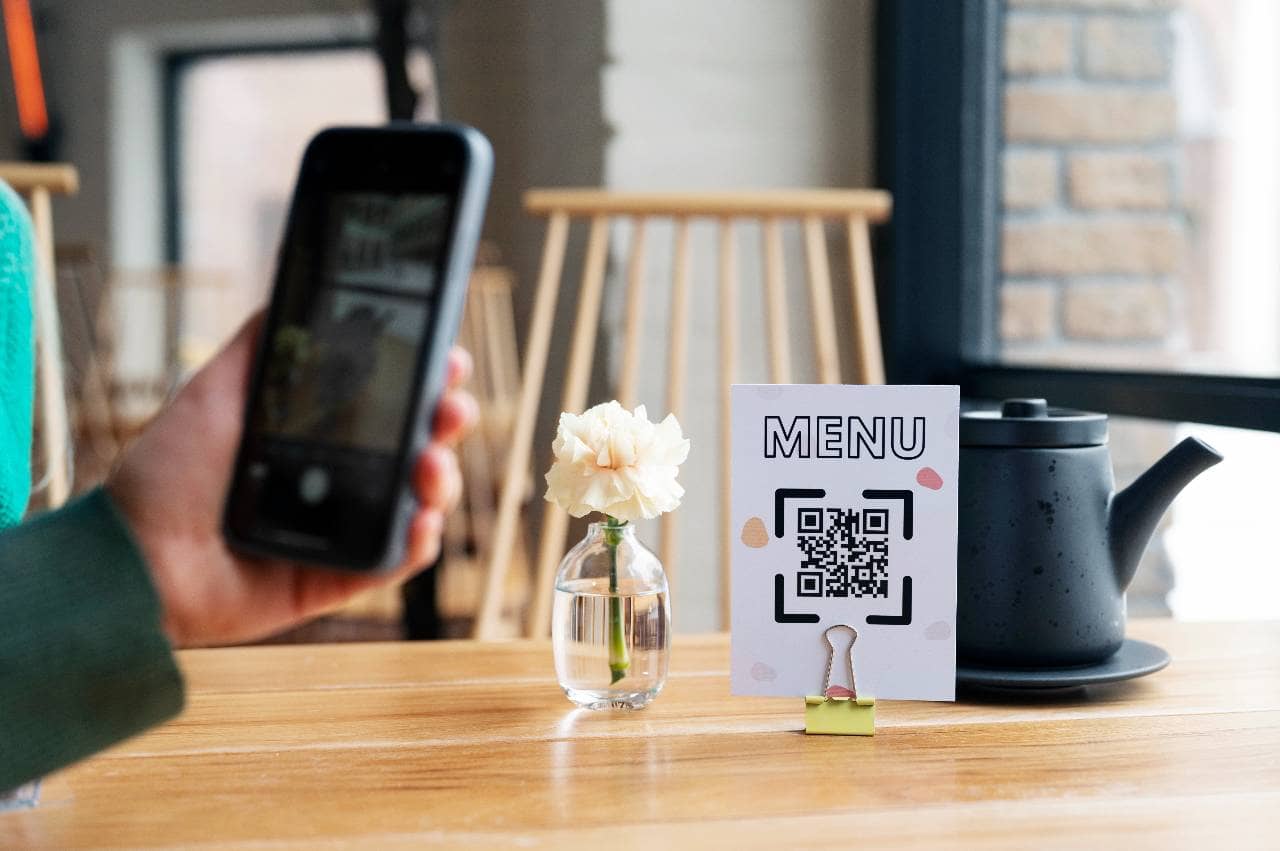
QR code menus let restaurants replace paper menus digitally, enabling instant updates, contactless browsing, ordering, and payment through simple smartphone scanning.
Sep 7, 2026

Avoiding common restaurant payroll mistakes - misclassification, tip credit errors, overtime miscalculations - protects businesses from costly penalties, back pay, and compliance risks.
Sep 4, 2026
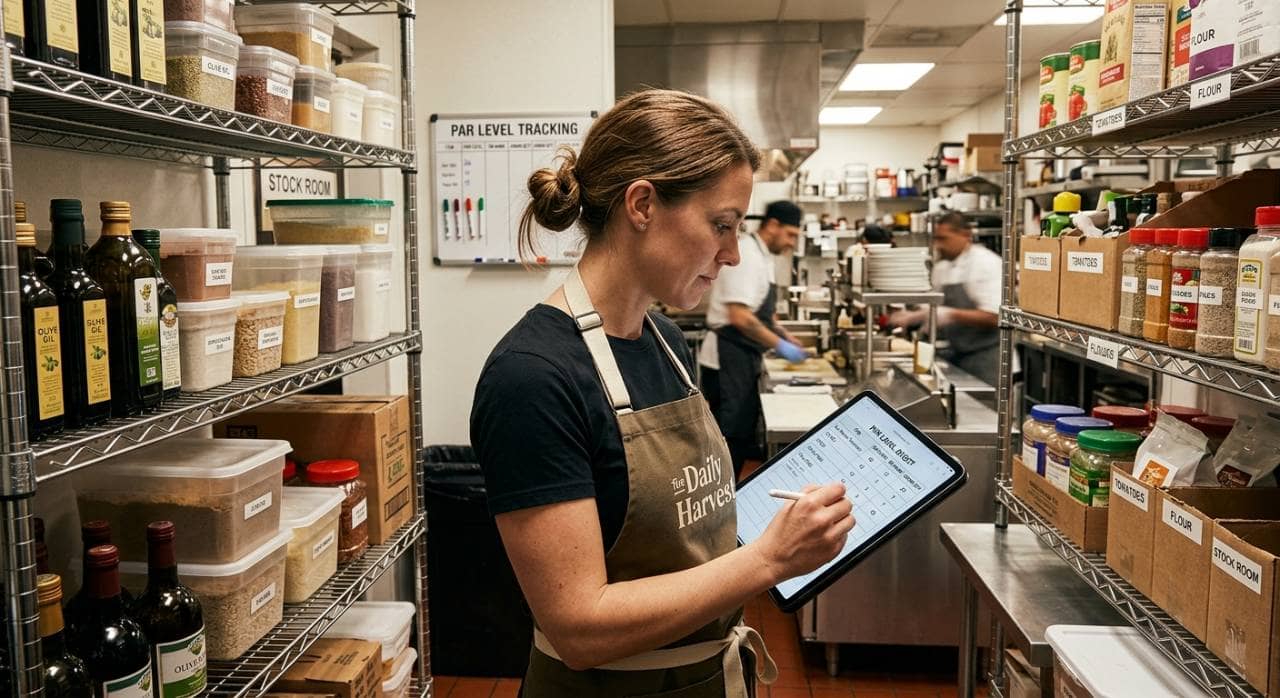
Learn to calculate par levels for restaurant food, beverages, and packaging inventory, preventing stockouts and waste through proper formulas.
Sep 4, 2026

Unlock Exclusive Access To Webinars, Events, And The Latest News For Free!
Inflation drives price wars as big QSR brands lean into promotions to reclaim traffic, with packaging and supply chains adapting quickly.

Photo by Yanhao Fang
Inflation has stretched household budgets and cooled demand across the quick-service restaurant world. The big players are feeling the pull. In July, McDonald’s logged a 1% year-over-year sales dip, the first decline in four years, an early bellwether for the sector. The ripple went beyond dining rooms into the supply chain as Graphic Packaging International flagged softer restaurant packaging volumes after nine straight quarters of growth. The data points point to a common thread: price increases are broad and persistent, reshaping where and when people choose to eat out.
What it means is simple: traffic is being rebalanced, even for brands built on value. The question now is how far this recalibration will travel in the months ahead.
1% drop at McDonald’s in the period sits alongside softer numbers across big players: Restaurant Brands International with a 0.1% dip for Firehouse Subs and Burger King, and Yum! Brands posting a global 1% decline as Pizza Hut and KFC each fall about 3%. Even heavy-value brands like Wendy’s and Starbucks report softer traffic. Taken together, these figures from July are widely viewed as a snapshot of a market where price sensitivity now drives traffic as much as menu choice. Analysts and industry watchers call this a transitional moment for the QSR ecosystem.
Inflation and tightened household budgets sit at the center of the slowdown. Price sensitivity is narrowing the gap between premium and value, and even brands built on value are racing to balance price, perception of value, and margins. In McDonald’s earnings commentary, executives acknowledge the pressures have broadened, reinforcing a cautious consumer mindset across major markets. The cross-brand challenge is clear: everyone from Pizza Hut and KFC to Wendy’s and Starbucks is navigating how to keep volume without sacrificing profitability. The takeaway from Restaurant Dive is blunt: the near-term trajectory will hinge on how well operators reconcile price with value for households feeling the pinch.
Value-versus-price dynamics are playing out across the sector, with the same pressure traveling from premium to discount offerings. The aim is to preserve margin while giving customers a reason to choose a quick meal today. In short, the industry is learning to sell more value without eroding the bottom line, especially for lower- and middle-income households that drive much of the traffic.
Promotions have become a central narrative. Across the sector, executives stress value as a driver of traffic and a shield against inflation. Yum! Brands leaders note that affordable options and disruptive deals are now a strategic priority, with an everyday-value track reactivated across brands. In McDonald’s USA, president Joe Erlinger says customers want to see and experience even more value. In response, McDonald’s extended its value meal beyond the initial four-week window begun on June 25, signaling a longer runway for promotions. The promo tempo mirrors broader moves by Carl’s Jr., Burger King, Sonic, Del Taco, Jack in the Box, and Taco Bell.
All of this points to a sector-wide shift: promotions shape behavior and keep traffic alive while inflation bites.
Step change in timing and scale is evident as brands push longer-running value, not just flash sales. It’s a big win for consumers who crave affordability and for operators seeking predictable demand, though margins must stay guarded as costs keep rising. The industry is learning to ride the value wave without letting margins wash out.

Graphic Packaging International flags how promotions are speeding changes in demand, with value-focused activity driving shifts in order books. Mike Doss, GPI’s observer, notes that promotions have real momentum in the field. Similar warnings come from Pactiv Evergreen’s Mike King, who cautions that the consumer has been pretty beat up and that the sector is reacting with more urgency in pricing and promotions. Berry Global's Kevin Kwilinski stresses the need to service customers quickly as orders swing with promo-driven spikes. Taken together, the supply chain is racing to stay synchronized with the brands’ promotional tempo.
Nimble packaging is no longer a nice-to-have; it’s a market handicap. Producers say the ability to shift production, adjust to spikes in orders, and maintain margins hinges on speed and coordination across suppliers. The packaging ecosystem must move at the pace of promotions to keep volumes stable and costs in check.

Industry context for 2026 centers on a careful balance. The National Restaurant Association projects continued growth in total restaurant and foodservice sales, even as cost pressures from labor, food costs, and energy persist. Meanwhile S&P Global notes inflation remains a hot topic, with a broad share of consumers trimming frequency in 2025, especially among lower-income cohorts. The takeaway: traffic recovery will hinge on pricing power, value discipline, and efficiency across the value chain. The year ahead looks cautious but constructive, with operators recalibrating strategies to weather ongoing cost pressures while nudging traffic higher.
From McKinsey to Axios, the outlook emphasizes that even as inflation cools, price-conscious consumers demand smarter economics, not simply higher prices. McKinsey suggests menu optimization, promotions, and delivery options as ongoing levers; Axios notes a pricing ceiling among independent operators. The path is to blend value with affordability, backed by data-driven promotions and leaner costs. The sector’s trajectory will hinge on efficiency, innovation, and disciplined capital allocation as it tests new channels and formats beyond traditional dine-in.
