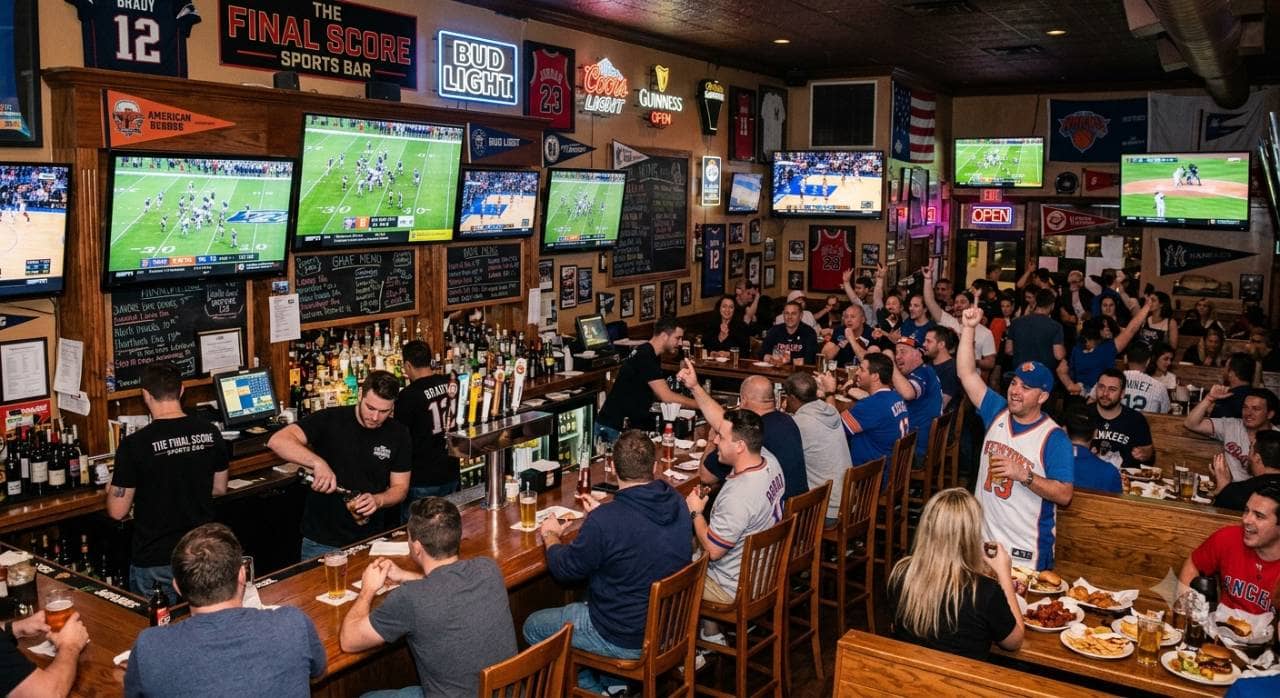
How Much Does It Cost to Open a Sports Bar?
Understand sports bar startup expenses, including location, construction, kitchen equipment, televisions, licenses, insurance, staffing, supplies, and cash reserves for operations.
operations
Jul 16, 2026
Understand sports bar startup expenses, including location, construction, kitchen equipment, televisions, licenses, insurance, staffing, supplies, and cash reserves for operations.
Jul 16, 2026
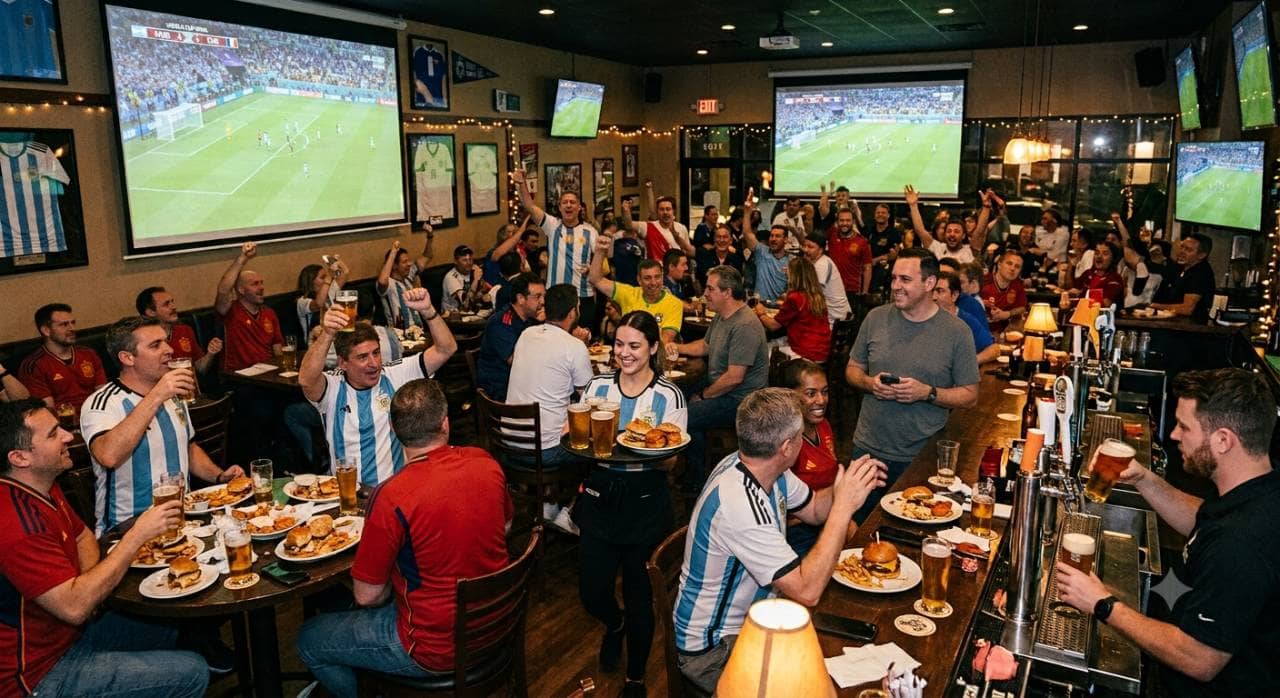
Learn how to increase restaurant sales during the World Cup final through smarter planning, staffing, promotions, inventory, menus, and operations.
Jul 16, 2026

Mother-daughter duo Ciara Boyce and Tracey Pidge bring Hotworx to Wasilla, the first of four Alaska studios, extending a fast-growing 800+ location brand.
Jul 16, 2026
One of the largest U.S. Cyclospora outbreaks hits 34 states; Taco Bell pulls produce in Michigan as FDA and CDC trace the source.
Jul 16, 2026

Chick-fil-A will refresh 200+ multi-sensory playgrounds by 2026 to boost dine-in traffic and loyalty, adding app content and toys as rivals upgrade experiences.
Jul 16, 2026

Ex-consultant Michael Creatore acquires six Mold Medics territories across central Ohio, partnering with Threshold Brands amid a growing mold remediation market.
Jul 16, 2026

Pizza Hut launches a Throwback Value Menu, app rewards, and a streetwear drop as ownership shifts and the brand bets on nostalgia to steady sales.
Jul 16, 2026
Domino's adds strategic expertise to its Board by appointing leaders from major brands. Learn what this means for restaurant owners' competitive growth.
Jul 16, 2026
Chipotle’s $1 million burrito giveaway during the World Cup final hydration break takes fan engagement and promotional creativity to new heights, setting a best-in-class example for restaurant marketers.
Jul 16, 2026
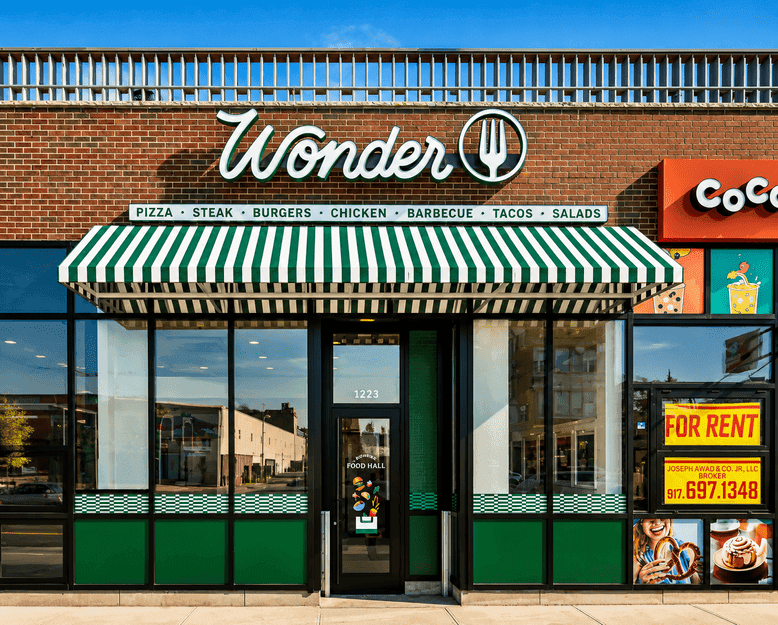
Wonder’s $650 million funding round at a $9 billion valuation signals a new era in restaurant tech, expansion, and automation. Here’s what operators need to know.
Jul 16, 2026
Understanding and controlling the 4 major sources of Restaurant Cost Breakdown will help businesses protect their bottom line.

One of the main challenges of running a restaurant is understanding and managing the various costs that are associated with operations. Along with the expenses for equipment and utilities, management must also control rising food costs caused by inflation and increases in taxes and labor costs. By keeping track of these expenses, restaurant managers will be able to make informed decisions that will help them to remain profitable.
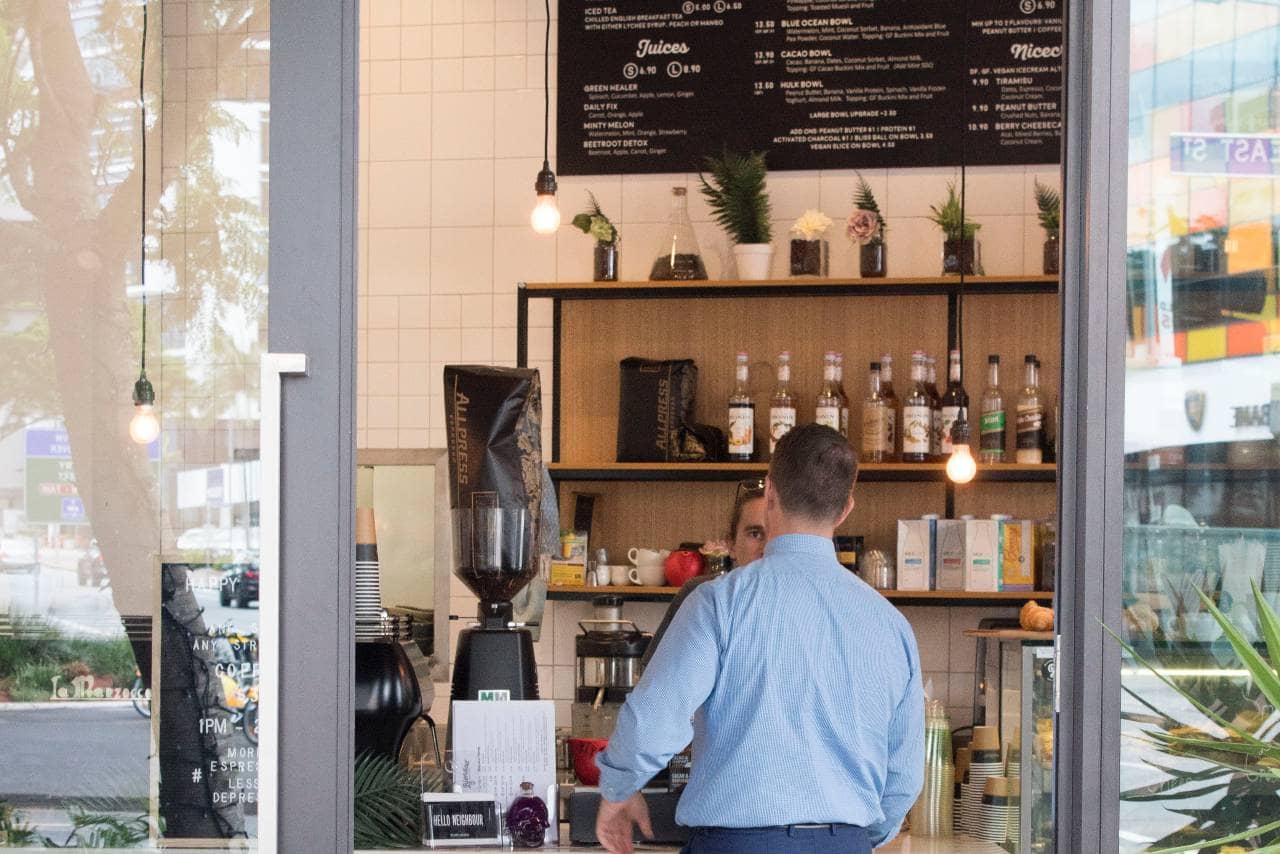
Restaurant costs depend on the size of the business, its concept, and location. However, most eateries can expect 4 main costs - labor, food, utilities, and equipment.
Labor costs refer to the hourly wages and salaries a business pays to its employees. These costs also encompass vacation and sick day pay, healthcare, overtime, bonuses, and payroll taxes. To ensure that the amount of money spent on labor does not make a negative impact on profitability, restaurant managers need to calculate their labor cost percentage. They can do so by dividing their total labor costs by their total sales in a given period and multiplying the quotient to 100. This percentage will give businesses insight into how efficient their labor force is in producing profits. Typically, fast-casual restaurants will have an average labor cost percentage of 28.9%, while upscale-casual eateries have 30.4%. Restaurants with rising labor costs can implement various methods to control expenses without having to sacrifice quality service, such as-

By understanding food costs, managers can establish menu prices that will ensure profitability. The two main costs related to food that restaurateurs need to monitor are the cost per dish - also known as plate costs - and period costs, which is the cost of food over a given period. To find a restaurant's plate cost, managers need to take the portion cost and divide it by the sales price, and then multiply the total to 100. On the other hand, the period cost is calculated by dividing food cost by its price and then multiplying the quotient to 100. If businesses want to find their total food cost for a given period they need to add their beginning inventory and food purchases, and then subtract the total to their ending inventory. For example, if the eatery started with $4,000 in food inventory at the start of February and purchased $20,000 throughout the month, and ended with $3,000 worth of inventory, their total food cost would be $21,000. Restaurants that want to improve their food costs should-
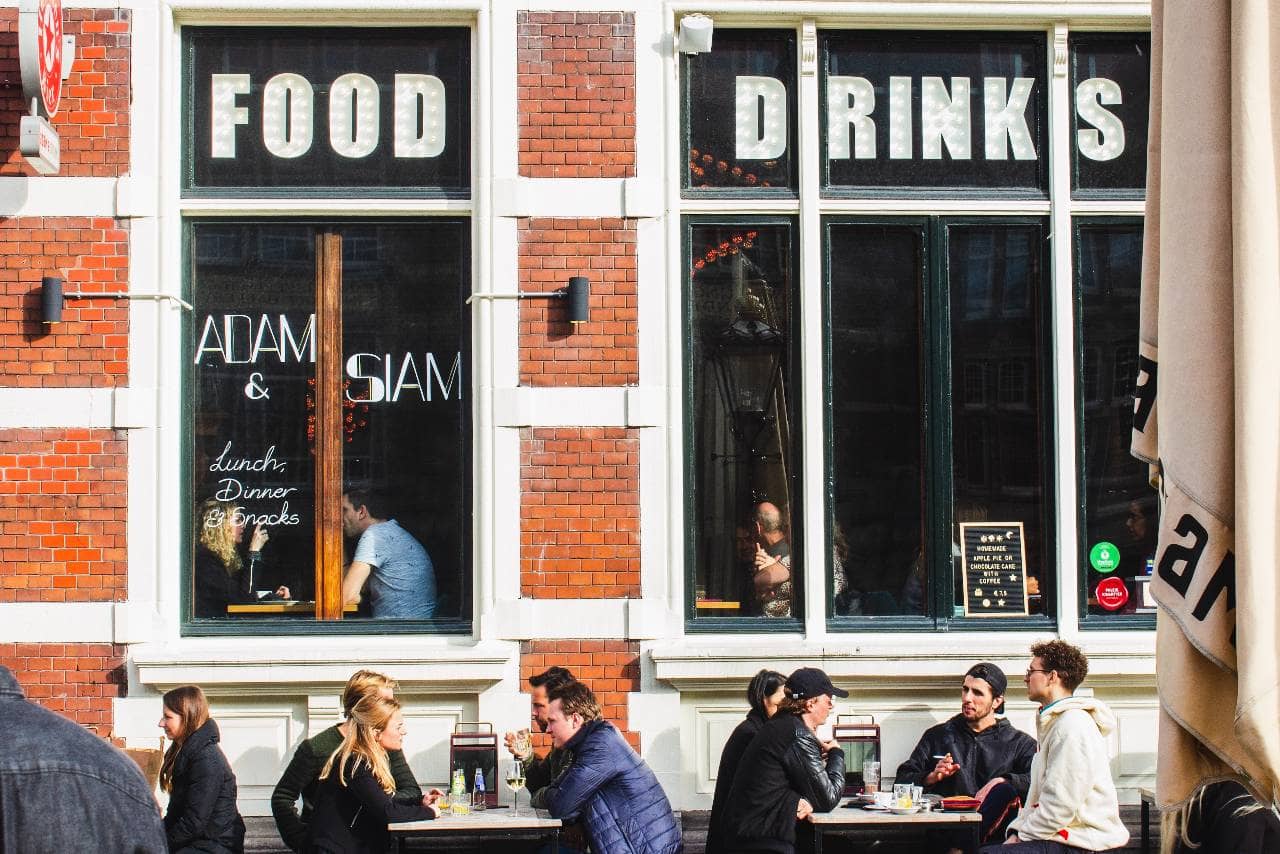
Utility costs usually cover water, electricity, rent, gas, Internet, and phone services. These expenses will vary for each restaurant depending on various factors, such as-
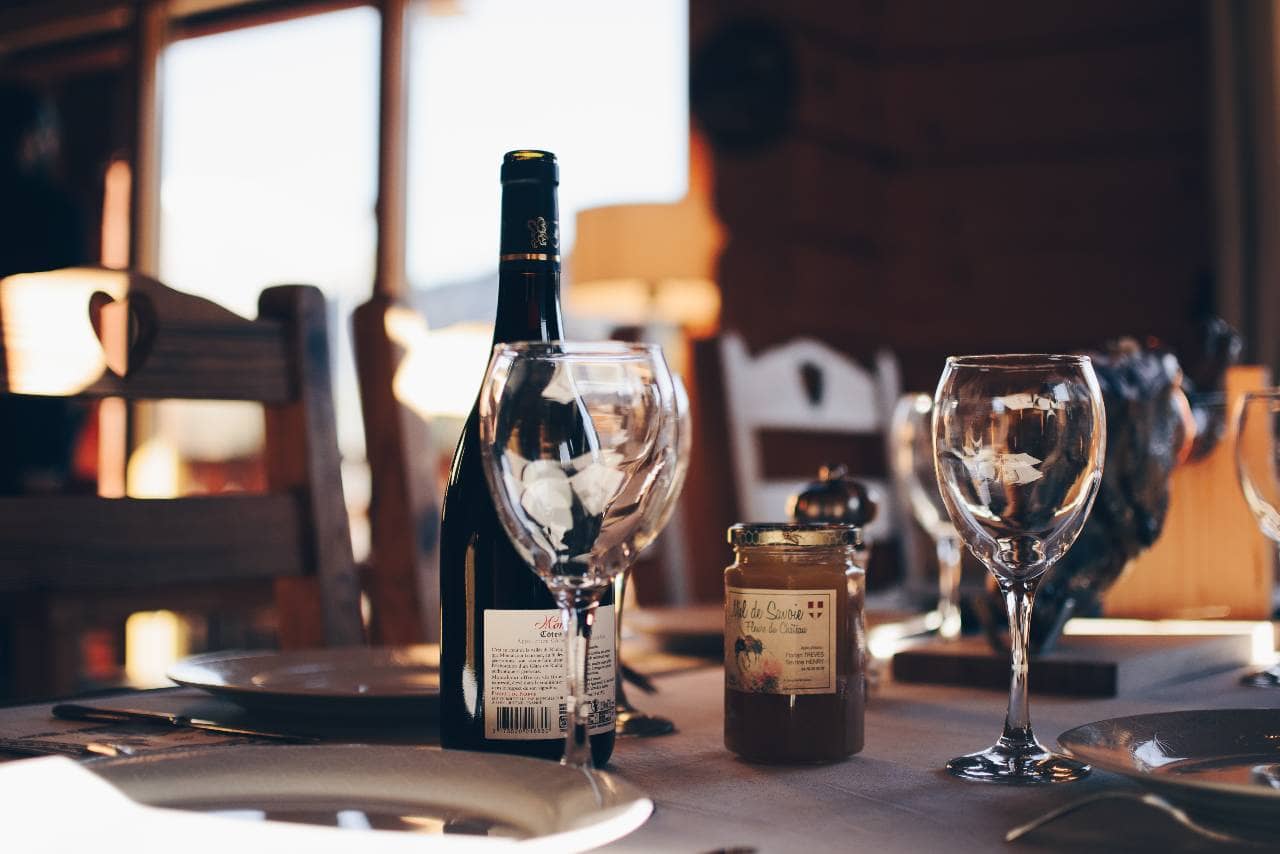
Restaurants need equipment to operate and provide customer service. The most common supplies management needs to invest in are-
By understanding the different restaurant costs and effectively implementing measures to minimize expenses, restaurateurs can protect their bottom line and increase their profit margins.