Hardee's Taps Alisa Gmelich as New President
CKE Restaurants names marketing veteran Alisa Gmelich President of Hardee's, tasking her with rebuilding franchisee trust and driving growth.
News
Oct 7, 2026
CKE Restaurants names marketing veteran Alisa Gmelich President of Hardee's, tasking her with rebuilding franchisee trust and driving growth.
Oct 7, 2026
Hangry Joe's promotes insider Brandon Wilhelm to CEO, prioritizing franchisee profitability over rapid unit growth as the chain expands past 90 locations.
Oct 6, 2026
Portillo's chief people officer Jill Waite departs as new CEO Brett Patterson reshapes leadership with layoffs and fresh executive hires.
Oct 6, 2026
Uber is paying $2.3 billion to acquire ezCater, merging its catering network into Uber Eats and Uber for Business to enter workplace catering.
Oct 6, 2026
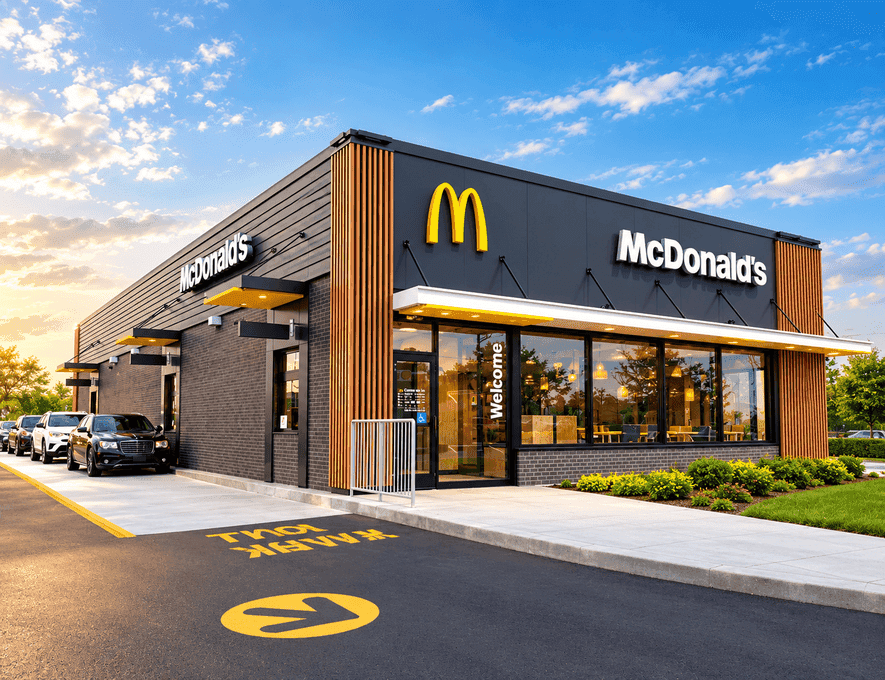
A new lawsuit claims McDonald's pricing tool pressures franchisees into algorithmic price-fixing, raising fresh antitrust questions for the chain.
Oct 6, 2026

True Food Kitchen filed for Chapter 11 bankruptcy, closing 12 locations and shrinking to 34 restaurants across 14 states amid $42.1 million in debt.
Oct 5, 2026

Snooze Eatery names industry veteran Amy Hom as COO, starting Sept. 28, to strengthen hospitality and operations ahead of its next growth phase.
Oct 5, 2026

Opening a second restaurant location requires readiness, clear goals, financial planning, funding, smart strategy, standardized operations, strong teams, and careful launch monitoring for sustainable growth.
Sep 30, 2026
Restaurants can control operating costs by tracking food, labor, rent, utilities, technology, marketing, and other expenses against sales.
Oct 5, 2026
Improve restaurant visibility with local SEO by optimizing Google Business Profile, targeting local keywords, managing reviews, and maintaining accurate online information.
Oct 5, 2026

Unlock Exclusive Access To Webinars, Events, And The Latest News For Free!
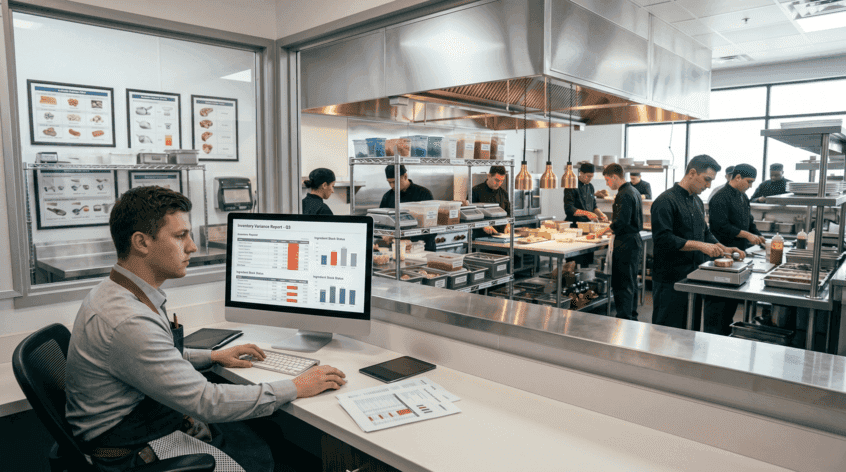
Inventory shrinkage from theft, over-portioning, and uncontrolled usage quietly raises food costs in restaurants. Learn how to spot the signs and build the controls that stop it.
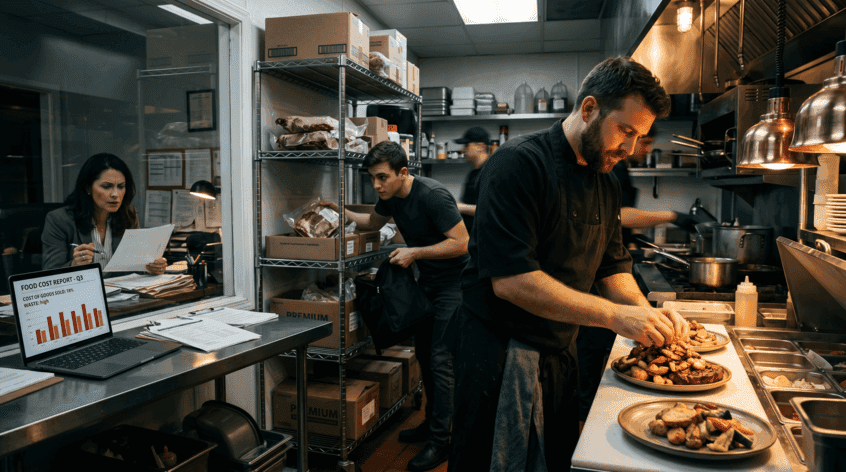
There is a particular kind of inventory loss that is easy to dismiss because it never happens all at once. It is not a break-in. It is not a supplier delivering short. It is a slow, steady bleed a little more protein on one plate, an extra portion taken for a staff meal that was not logged, an ingredient that gets used in ways that do not connect back to any sale. Over time, restaurant inventory shrinkage adds up to thousands of dollars, and most operations never fully see it because they are not set up to look for it. Uncontrolled usage and theft are real challenges in the food service industry. But the deeper issue is often not the behavior itself. It is the absence of the controls and visibility that would make the behavior detectable in the first place.
Not all inventory shrinkage is theft. In fact, much of it is not. The more common culprits are over-portioning, unauthorized use, and poor control over staff meals and comps. Each of these represents real cost even when no one has bad intentions. The main categories of restaurant inventory shrinkage include -
In most restaurants, the only signal that something is wrong is a food cost percentage that keeps creeping upward without a clear explanation. But food cost is a blended number that absorbs many variables. When waste is elevated, over-ordering is happening, and portion control is inconsistent, isolating shrinkage as a specific cause becomes very difficult. Without a system that compares what should have been consumed to produce recorded sales against what was actually taken from inventory, uncontrolled usage is effectively invisible. You know the number is wrong, but you cannot pinpoint where it is going.
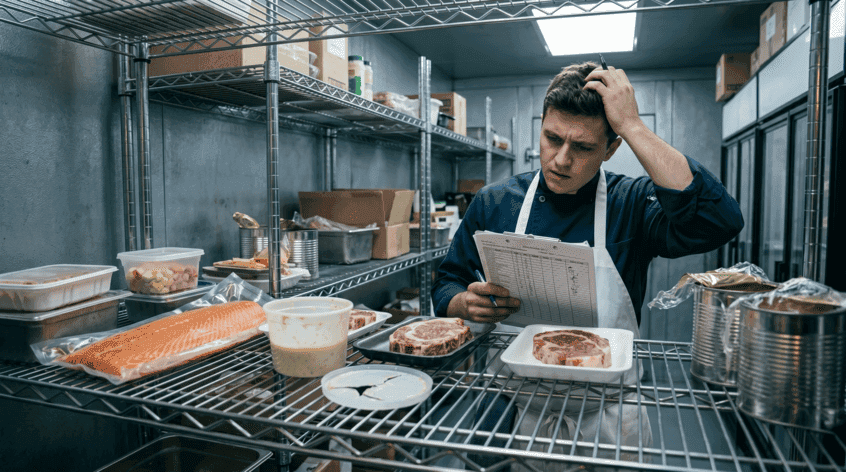
Several patterns tend to appear in operations where shrinkage is happening but has not yet been identified -
The goal of inventory controls is not to create a culture of suspicion. It is to create a system where what comes in, what gets used, and what goes out on plates can be accounted for. When that system exists, both honest errors and intentional misuse become visible and addressable. Key inventory control practices for restaurants include -
When your data shows a consistent gap between what should have been used and what was actually taken from inventory, the discipline is in taking it seriously and tracing it to the cause. That cause may be a training issue. It may be a process failure. It may be intentional misuse. But you cannot act on what you cannot see. Building the controls that create visibility into your restaurant's ingredient usage is not just a loss prevention measure. It is a core element of running a profitable operation, one where every decision about pricing, portioning, and purchasing is grounded in accurate data.