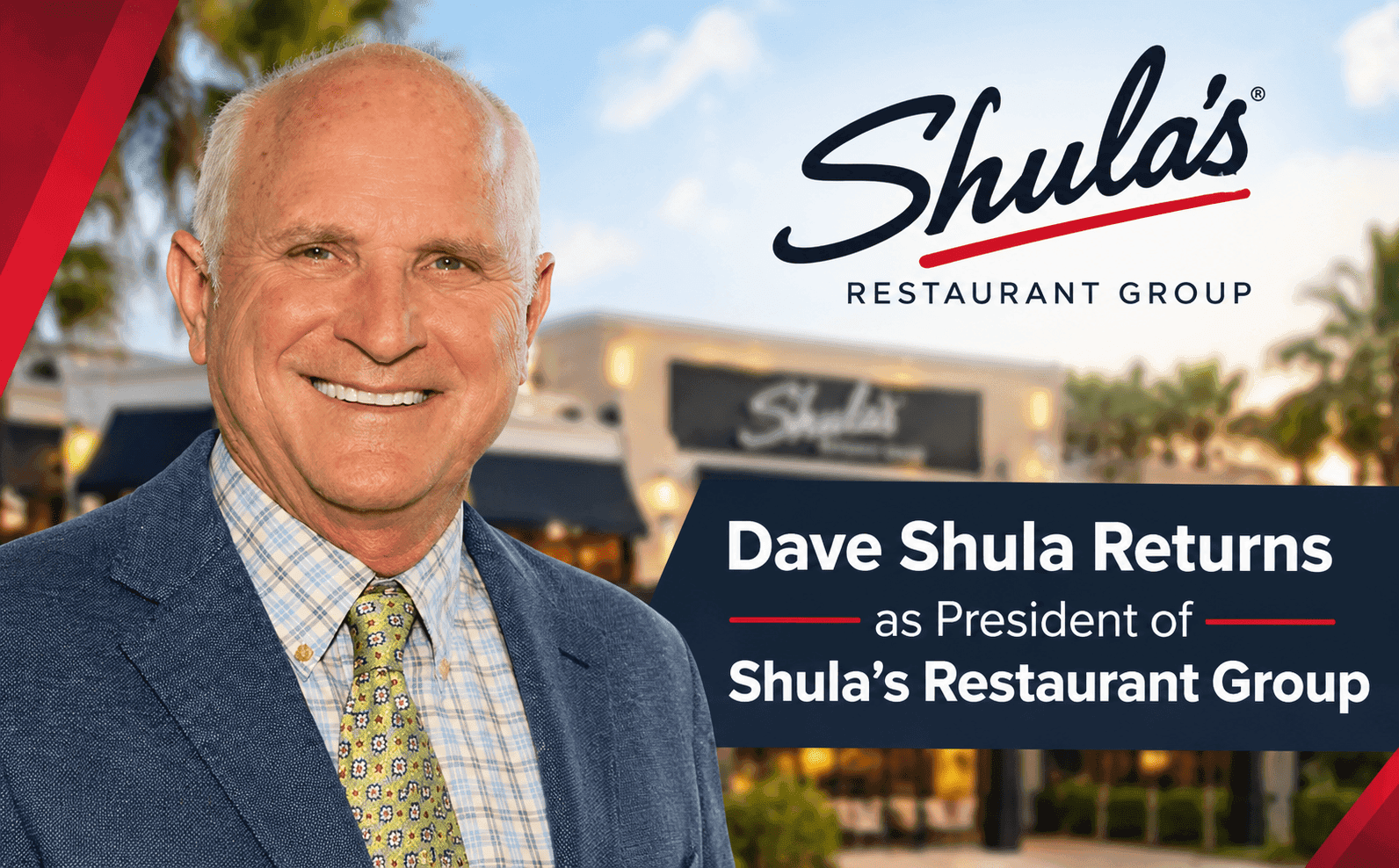
Dave Shula Returns as President of Shula's Restaurant Group
Dave Shula rejoins Shula's Restaurant Group as president, leading growth into Palm Beach Gardens and a 2027 Thomasville, Georgia expansion.
News
Sep 23, 2026
Dave Shula rejoins Shula's Restaurant Group as president, leading growth into Palm Beach Gardens and a 2027 Thomasville, Georgia expansion.
Sep 23, 2026
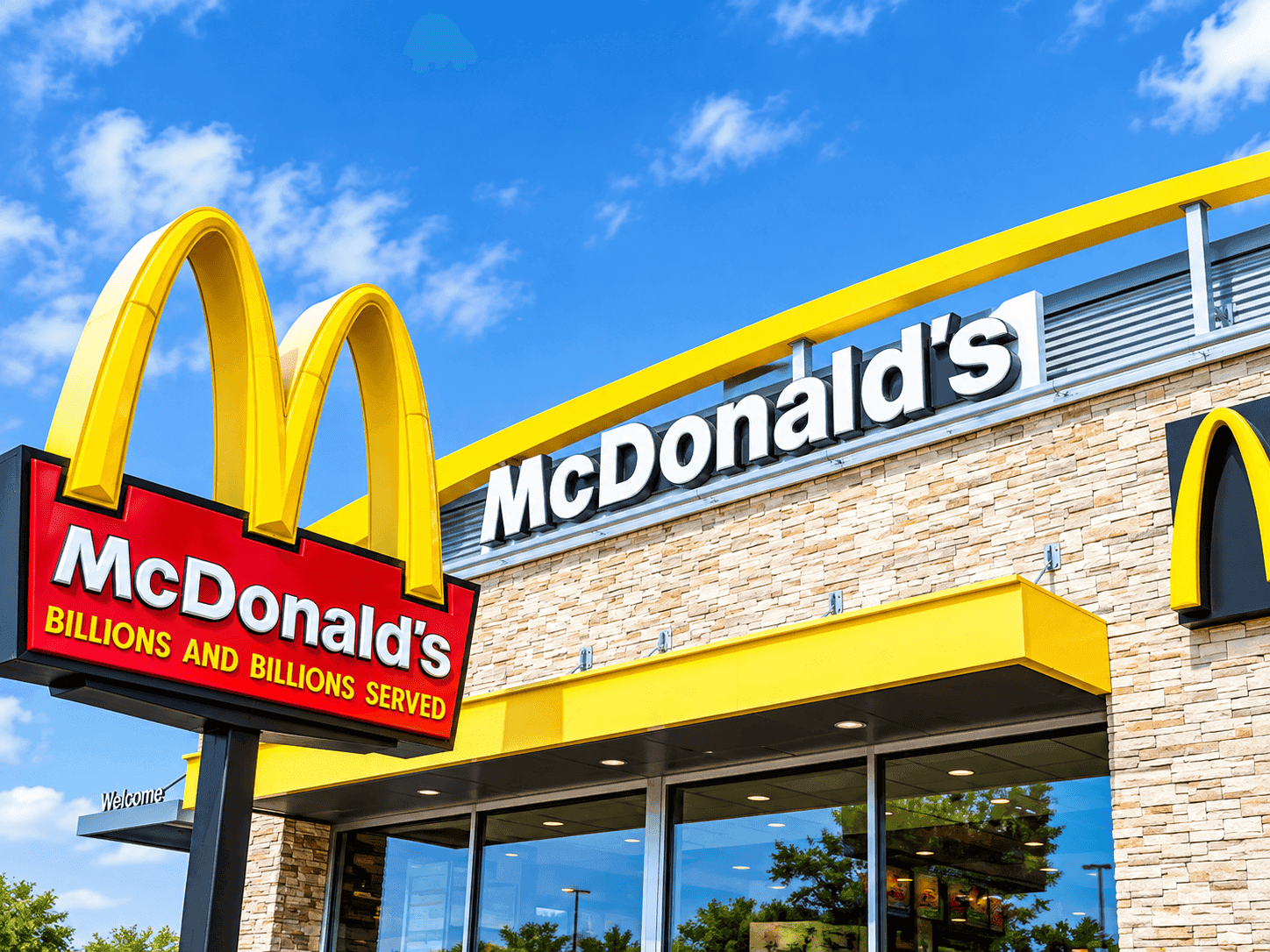
McDonald's commits $8.5 billion through 2036 to modernize restaurants, boost cash flow by $100,000 per store, and grow chicken and beverage sales.
Sep 23, 2026
WKS Restaurant Group promotes Jay Spongberg to president and COO after he helped grow the company from 65 to 382 restaurants over 16 years.
Sep 23, 2026

Smokey Mo's BBQ names Von Dawson, a Dine Brands veteran, as VP of Franchise Development to lead its Texas expansion strategy.
Sep 23, 2026
.png&w=3840&q=70)
Meritage Hospitality's Chapter 11 filing pulls 5% of Wendy's U.S. stores into bankruptcy, exposing cracks in franchising's bigger-is-safer bet.
Sep 21, 2026
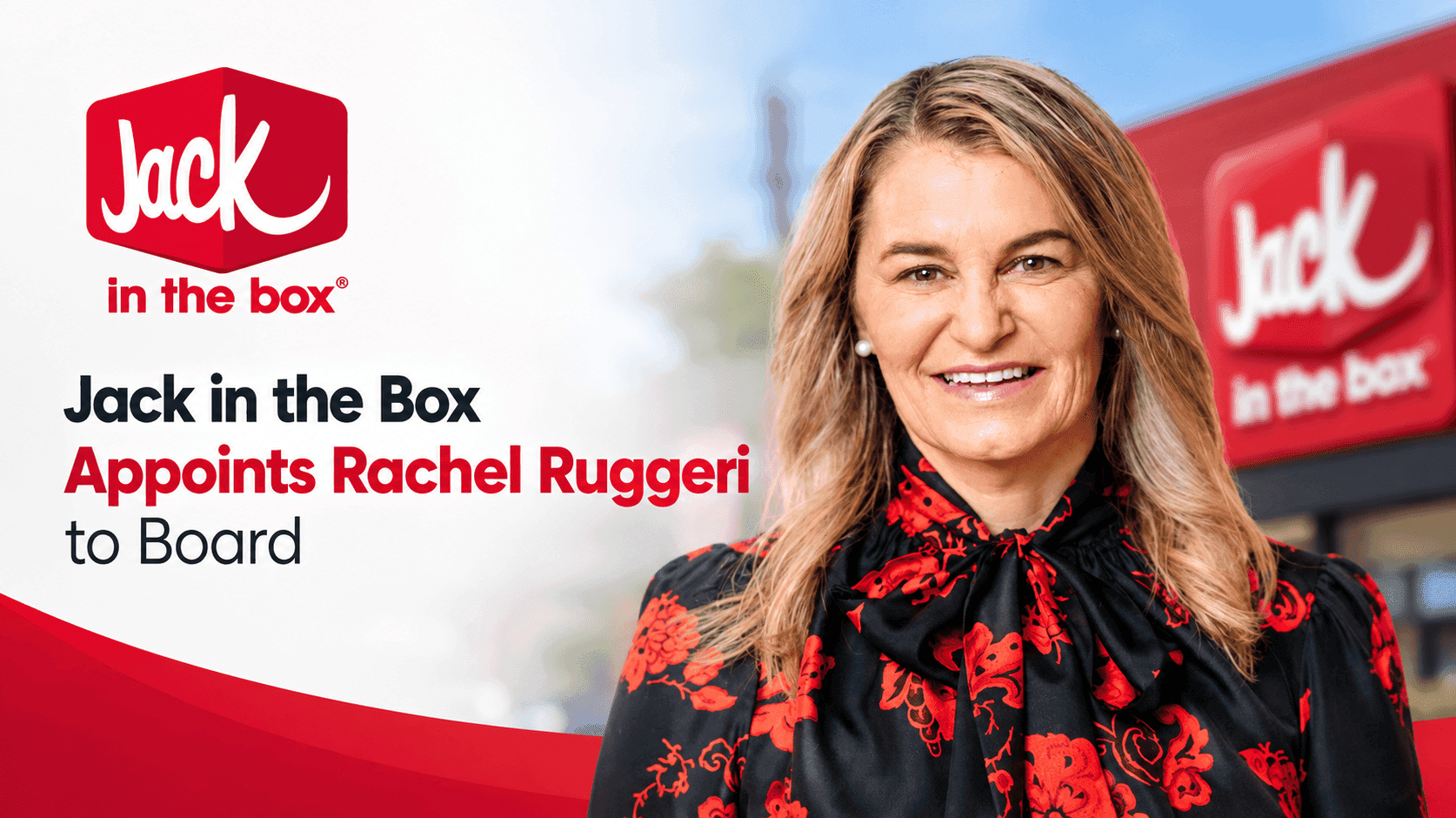
Jack in the Box names Rachel Ruggeri to its board as Michael Murphy retires, amid a CEO transition and deal with investor GreenWood.
Sep 21, 2026
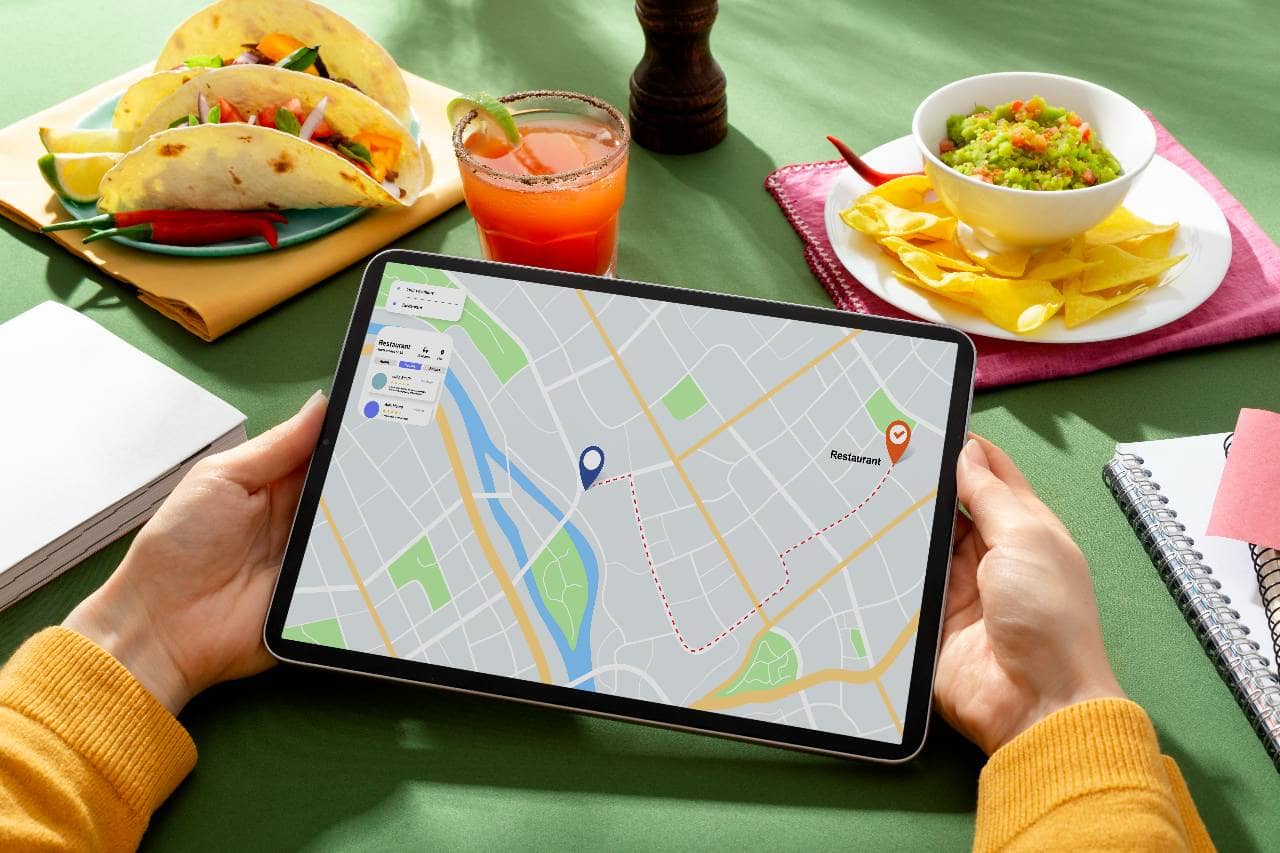
Improve restaurant Google Maps rankings by optimizing your business profile, selecting accurate categories, gathering reviews, adding photos, and strengthening local relevance signals.
Sep 21, 2026

Restaurant inventory tracking helps owners monitor stock, control food costs, reduce waste, improve purchasing, and make informed operational decisions.
Sep 21, 2026

Restaurant owners can significantly reduce restaurant costs by leveraging technology across inventory, labor, procurement, forecasting, and administrative operations for better profit margins.
Sep 18, 2026

Understand how to forecast restaurant revenue and expenses with methods for sales projection, cost scaling, fixed-cost planning, and risk buffering.
Sep 18, 2026

Unlock Exclusive Access To Webinars, Events, And The Latest News For Free!
Explore how Potbelly's innovative approach to store design is reshaping franchise operations, boosting efficiency, and driving cost savings.
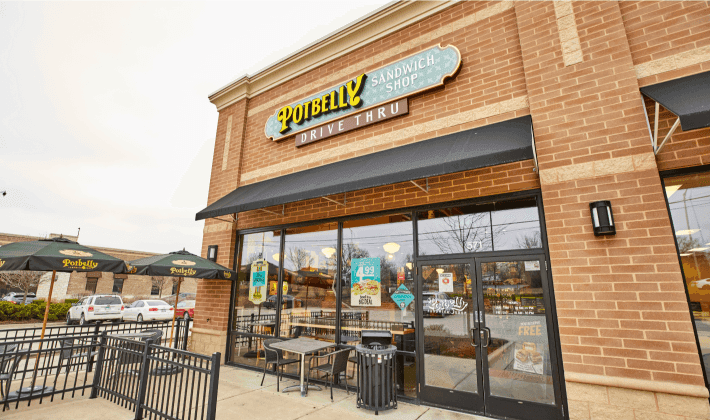
Potbelly's introduction of a smaller store design represents a significant shift in the franchise industry, aiming to combat inflation and enhance operational efficiency. With a reduced footprint of 1,800 square feet, this new prototype integrates cutting-edge features like a customized-drink station and strategically positioned pickup shelves. By streamlining the layout and optimizing space utilization, Potbelly is setting a new standard for operational effectiveness within its franchise network.
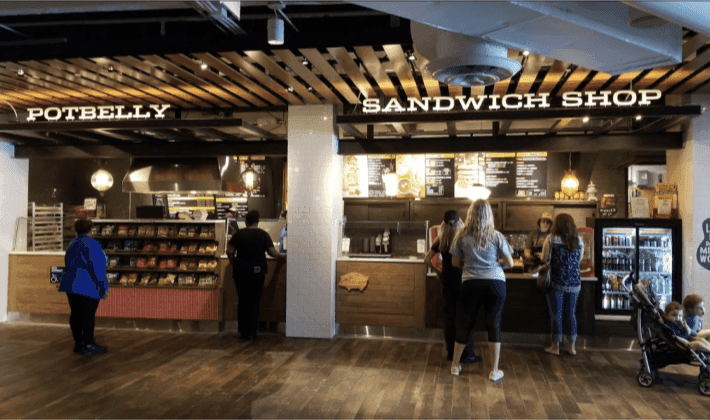
CEO Bob Wright's emphasis on cost-effective solutions underscores the importance of the new store design in mitigating inflationary pressures. The smaller footprint not only leads to lower construction expenses but also facilitates quicker build times, offering a competitive edge in a challenging market environment. With over 200 future shops projected to adopt this design, Potbelly is poised to achieve its ambitious goal of 2,000 units in the U.S., signaling accelerated growth and enhanced franchisee satisfaction.
The 'kit of parts' approach to the new prototype allows franchisees to adapt the design to various real estate settings, increasing flexibility and expanding market opportunities. By optimizing the layout and construction process, Potbelly is not only reducing occupancy costs but also empowering franchisees to make efficient and informed real estate decisions. This adaptability opens doors to new locations and market segments previously inaccessible to larger-format stores.
The incorporation of Potbelly Digital Kitchens and streamlined pickup processes in the new design underscores the company's commitment to enhancing customer experience. By centralizing digital order fulfillment and optimizing service flow, Potbelly is meeting the evolving needs of a tech-savvy consumer base. The consistent digital signage and ergonomic layout not only improve operational efficiency but also create a more seamless and personalized experience for patrons.
Potbelly's focus on sustainability, evidenced by in-house manufacturing and recycling initiatives, aligns with modern consumer preferences for eco-conscious brands. By prioritizing locally sourced materials and custom artwork, Potbelly maintains a unique brand identity while reducing environmental impact. The combination of handmade elements and neighborhood-specific artwork cultivates a sense of community and authenticity, setting Potbelly apart in a competitive market landscape.