True Food Kitchen Files Bankruptcy, Closes 12 Sites
True Food Kitchen filed for Chapter 11 bankruptcy, closing 12 locations and shrinking to 34 restaurants across 14 states amid $42.1 million in debt.
News
Oct 5, 2026
True Food Kitchen filed for Chapter 11 bankruptcy, closing 12 locations and shrinking to 34 restaurants across 14 states amid $42.1 million in debt.
Oct 5, 2026

Snooze Eatery names industry veteran Amy Hom as COO, starting Sept. 28, to strengthen hospitality and operations ahead of its next growth phase.
Oct 5, 2026
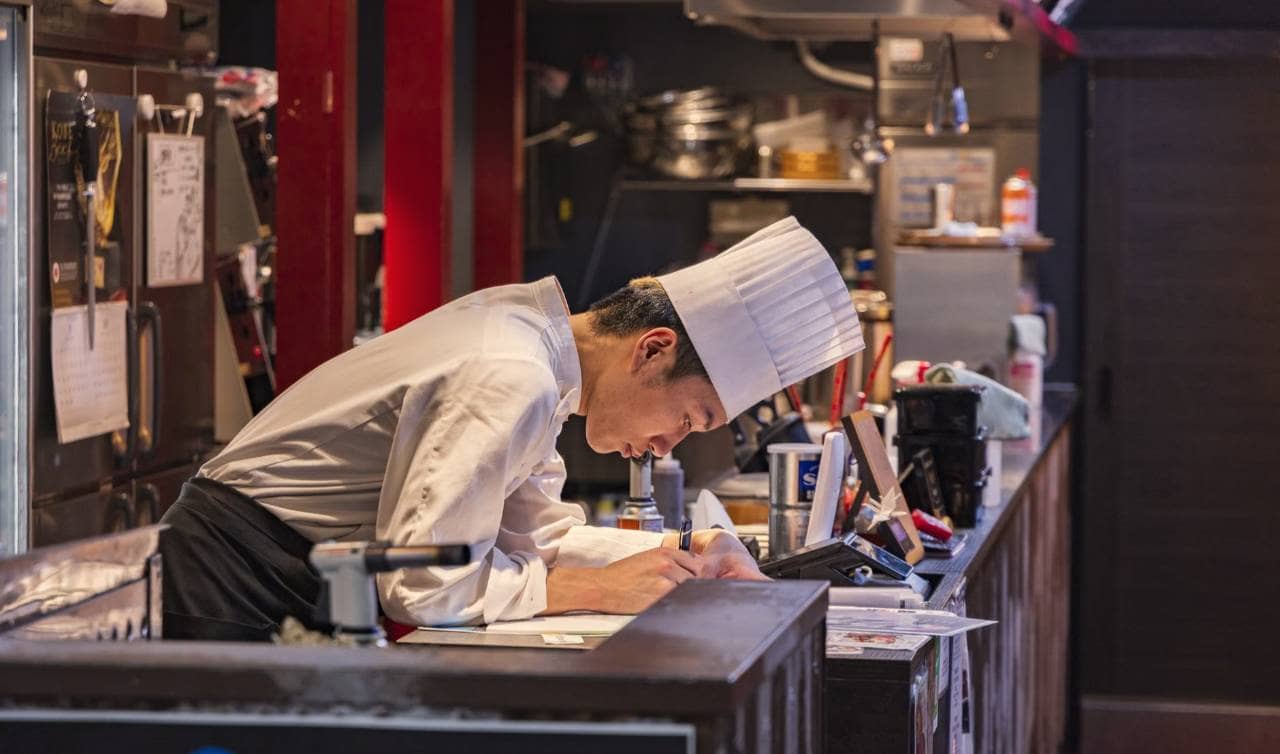
Restaurants can control operating costs by tracking food, labor, rent, utilities, technology, marketing, and other expenses against sales.
Oct 5, 2026

Opening a second restaurant location requires readiness, clear goals, financial planning, funding, smart strategy, standardized operations, strong teams, and careful launch monitoring for sustainable growth.
Sep 30, 2026

Evaluate restaurant industry performance in Q3 2026 through key trends affecting restaurant sales, traffic, consumer spending, labor, costs, and technology.
Oct 2, 2026

Improve restaurant visibility with local SEO by optimizing Google Business Profile, targeting local keywords, managing reviews, and maintaining accurate online information.
Oct 5, 2026
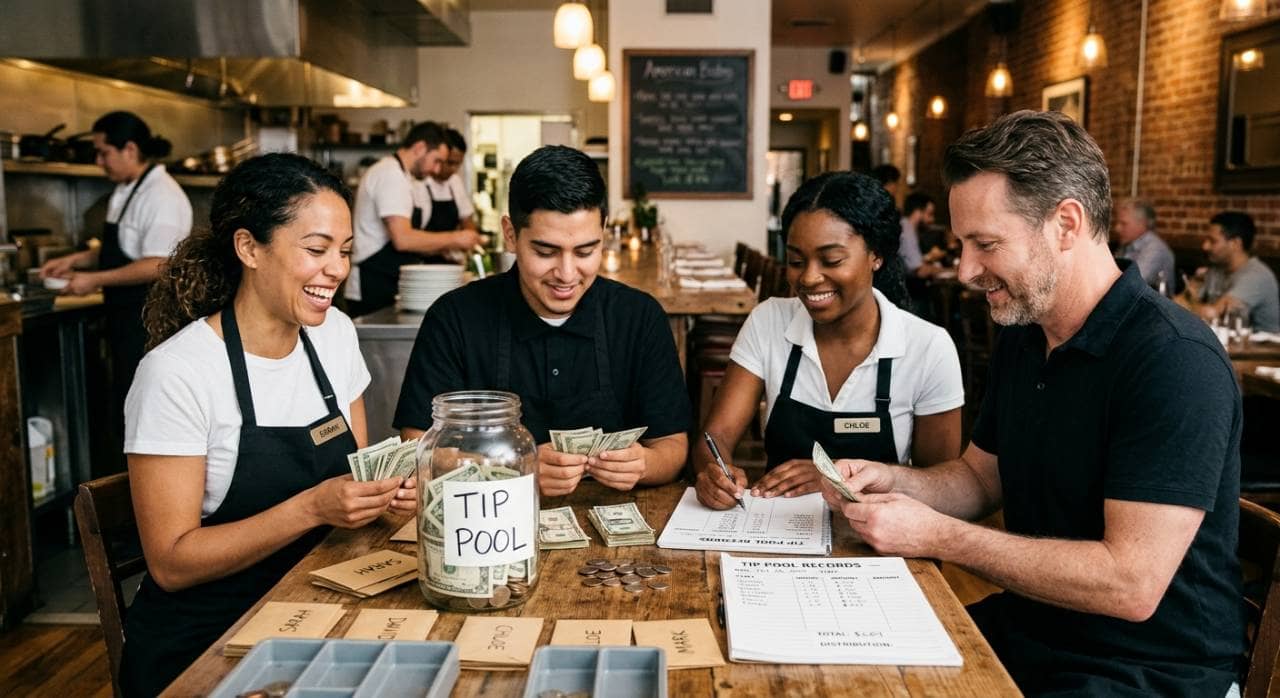
Understand tip pooling rules, employee eligibility, distribution methods, compliance requirements, recordkeeping practices, and policies restaurant owners need for proper tip management.
Oct 2, 2026

Whit's Frozen Custard hires industry veteran Amos Durbin as COO to guide franchise expansion, drawing on two decades of restaurant leadership experience.
Oct 2, 2026
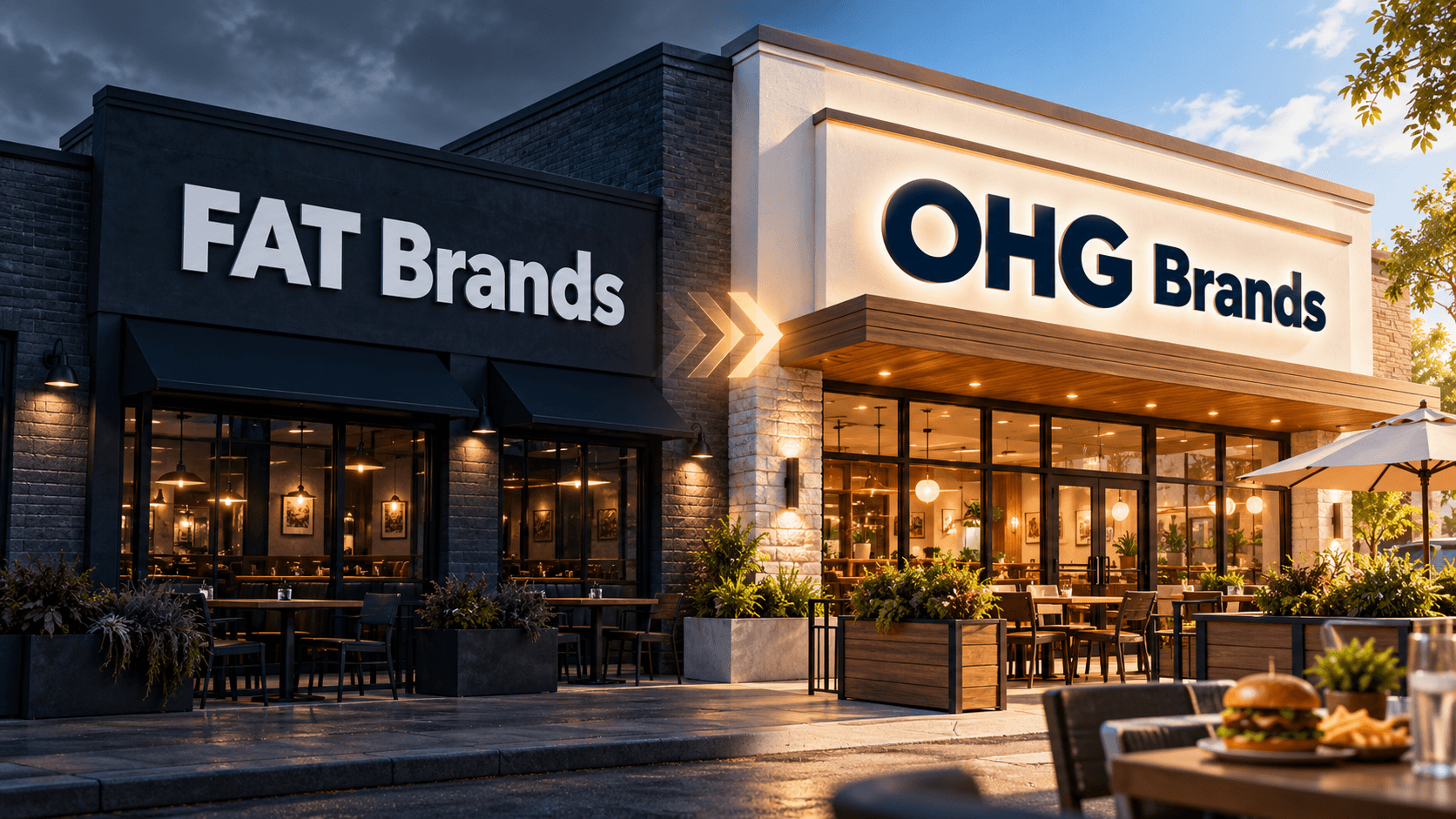
FAT Brands' $1B acquisition empire fell into bankruptcy and sold for $965M, re-emerging as OHG Brands with 1,700 restaurants.
Oct 1, 2026
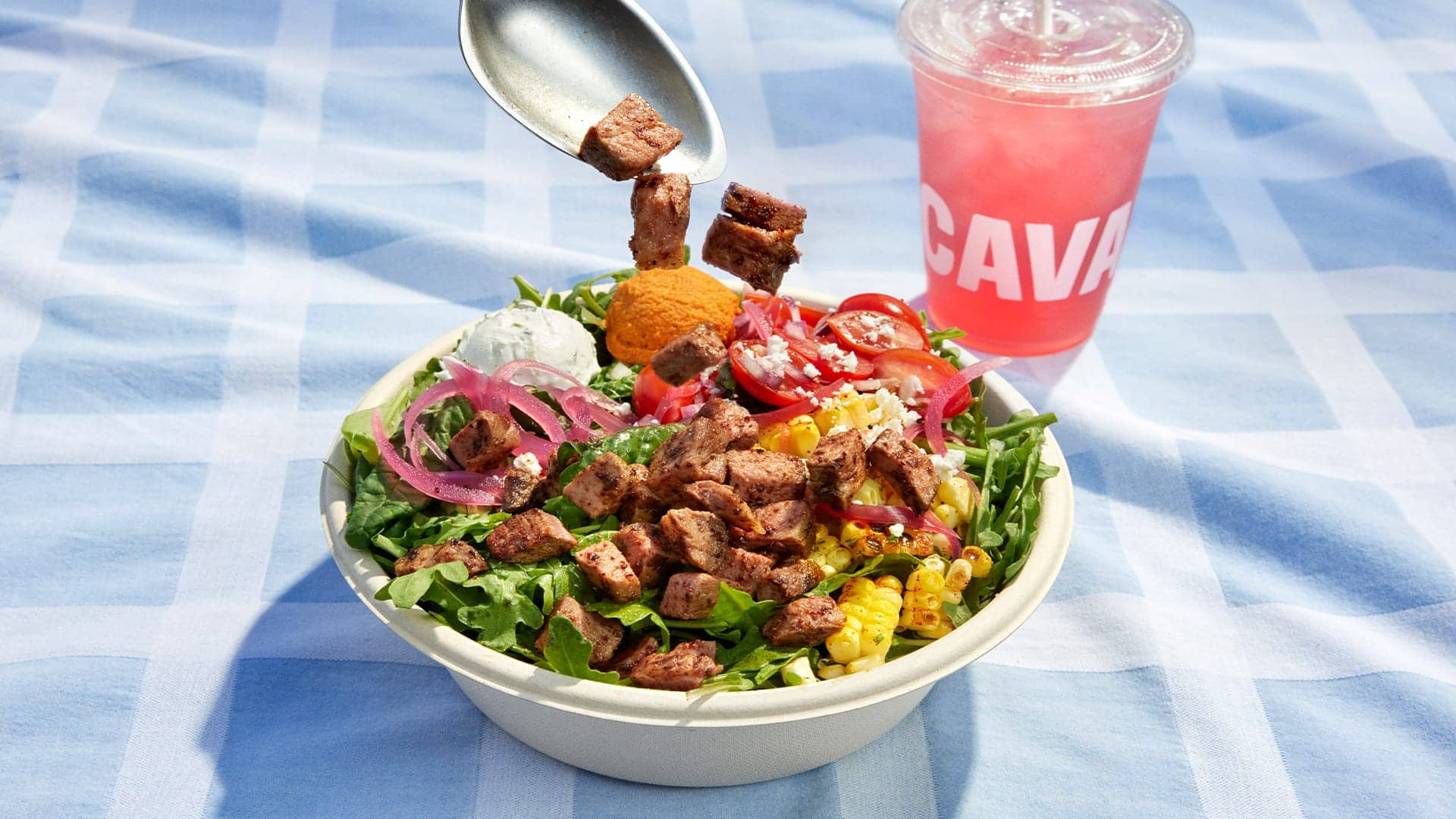
CAVA names John Ludeke, former Dr. Squatch Chief Brand Officer, as its new CMO to drive national growth and guest loyalty.
Oct 1, 2026

Unlock Exclusive Access To Webinars, Events, And The Latest News For Free!
Explore the influence of menu innovation on QSR chains like McDonald's and the rise of chicken items in boosting sales and traffic.

Menu innovation plays a crucial role in the quick-service restaurant (QSR) industry, allowing brands to stay competitive, attract customers, and drive sales. By constantly evolving their menus, chains like McDonald's can cater to changing consumer preferences and create excitement around new offerings.
McDonald's recent success in menu innovation reflects its ability to tap into nostalgia while introducing new items. The return of the popular Snack Wrap saw a significant increase in daily visits, showcasing the value of reviving classic products to engage customers. This trend highlights the enduring appeal of familiar favorites in QSR limited-time offers.
In response to shifting consumer preferences and market trends, many QSR chains have been incorporating more chicken items into their menus. Brands like Popeyes, Taco Bell, and Culver’s have focused on leveraging chicken to drive sales and attract traffic. For instance, Popeyes' recent addition of Signature Sauce alongside Chicken Dippers demonstrates the industry's emphasis on chicken as a popular choice among customers.
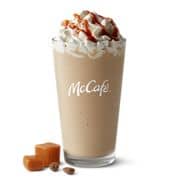
Diversifying menu options and continually innovating have become key strategies for QSR chains to differentiate themselves in a competitive market. By experimenting with new flavors, ingredients, and concepts like McDonald's CosMc’s beverages, brands can create unique experiences for customers and enhance brand loyalty.
Understanding consumer preferences and market demands is essential for QSR chains to tailor their menus effectively. By listening to customer feedback, monitoring trends, and conducting market research, brands can make informed menu decisions that resonate with their target audience. This customer-centric approach is vital in driving growth and staying relevant in the ever-evolving QSR landscape.