
California Penalizes Dickey's for Franchise Disclosure Violations
California shifts to public enforcement strategy against Dickey's for deceptive franchise disclosures, signaling stricter state-level franchise oversight.
Franchising
Sep 10, 2026
California shifts to public enforcement strategy against Dickey's for deceptive franchise disclosures, signaling stricter state-level franchise oversight.
Sep 10, 2026
Paul Brown temporarily steps away from Inspire Brands as Scott Murphy assumes interim CEO role during confidential IPO filing process targeting late 2026.
Sep 10, 2026
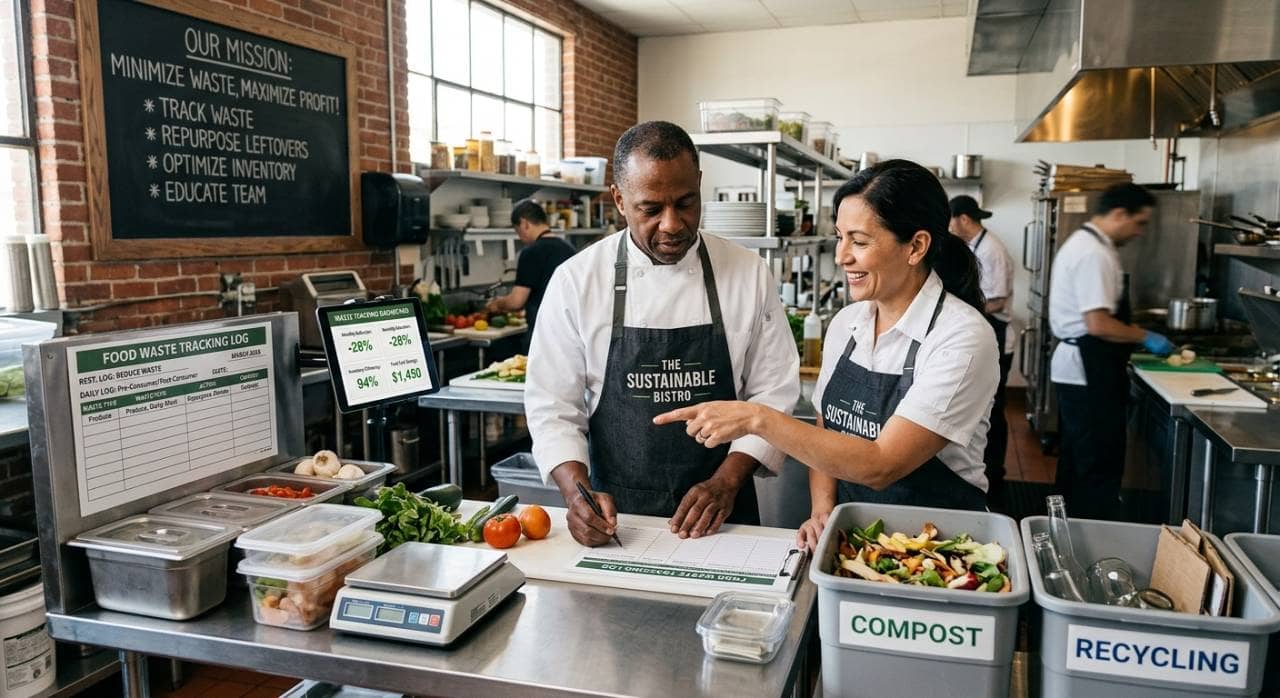
Learn how to reduce food waste in restaurants through smarter purchasing, storage, preparation, and service strategies that cut costs.
Sep 9, 2026
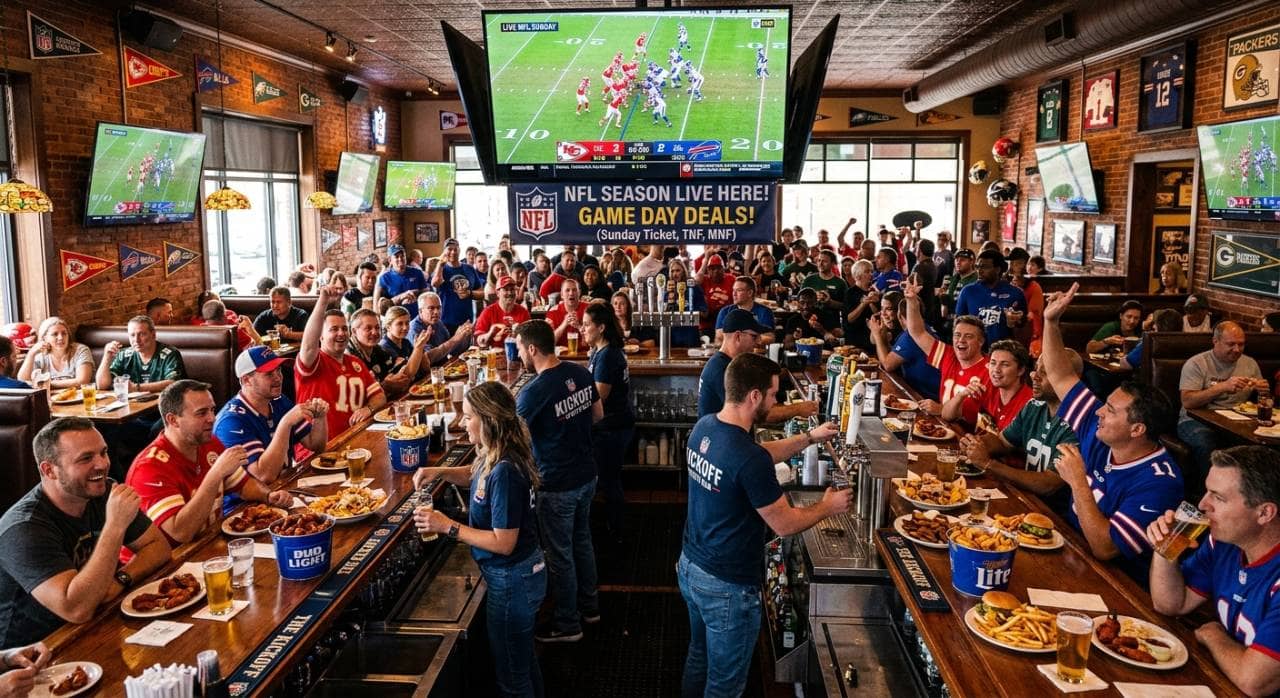
Prepare your restaurant for NFL season with smart menu planning, staffing, marketing, technology, and atmosphere strategies that boost season-long revenue.
Sep 9, 2026
Swig signs franchise agreement for 11 South Denver locations, marking Colorado entry and validating its national expansion strategy.
Sep 8, 2026
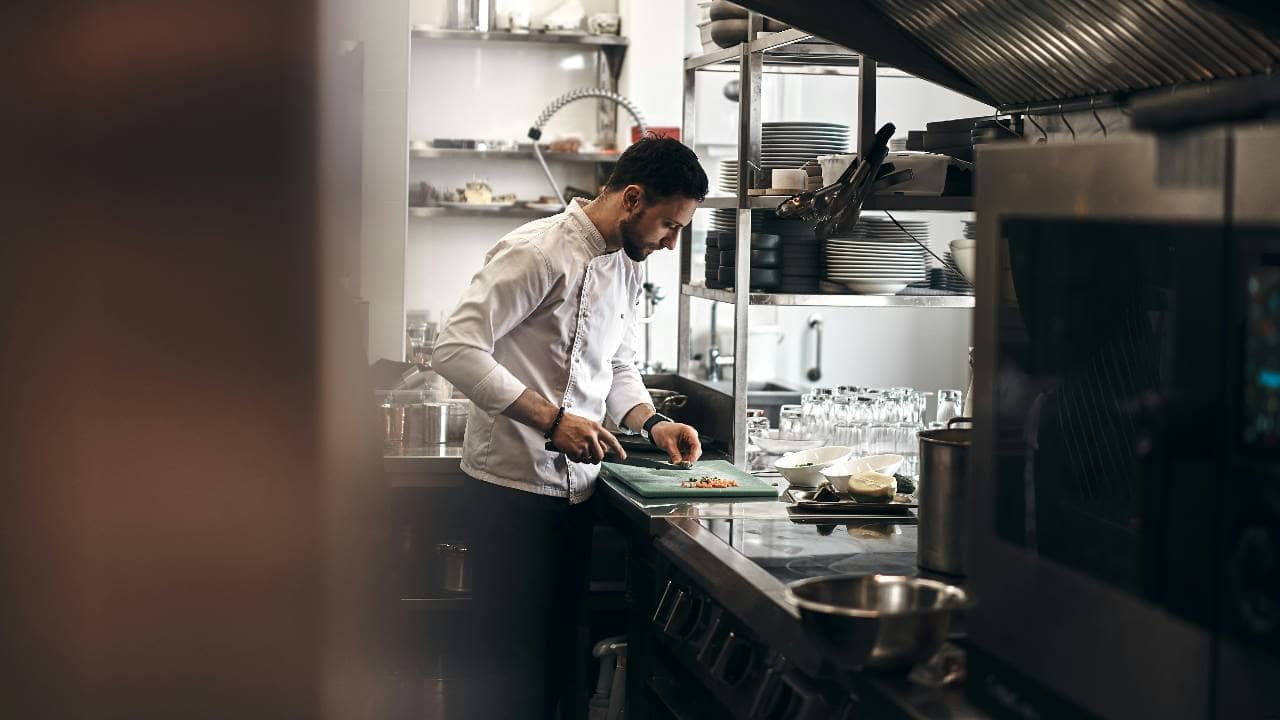
Complete guide helping restaurant owners choose essential kitchen equipment - covering cooking, refrigeration, prep, sanitation, ventilation, safety, and long-term maintenance planning.
Sep 7, 2026
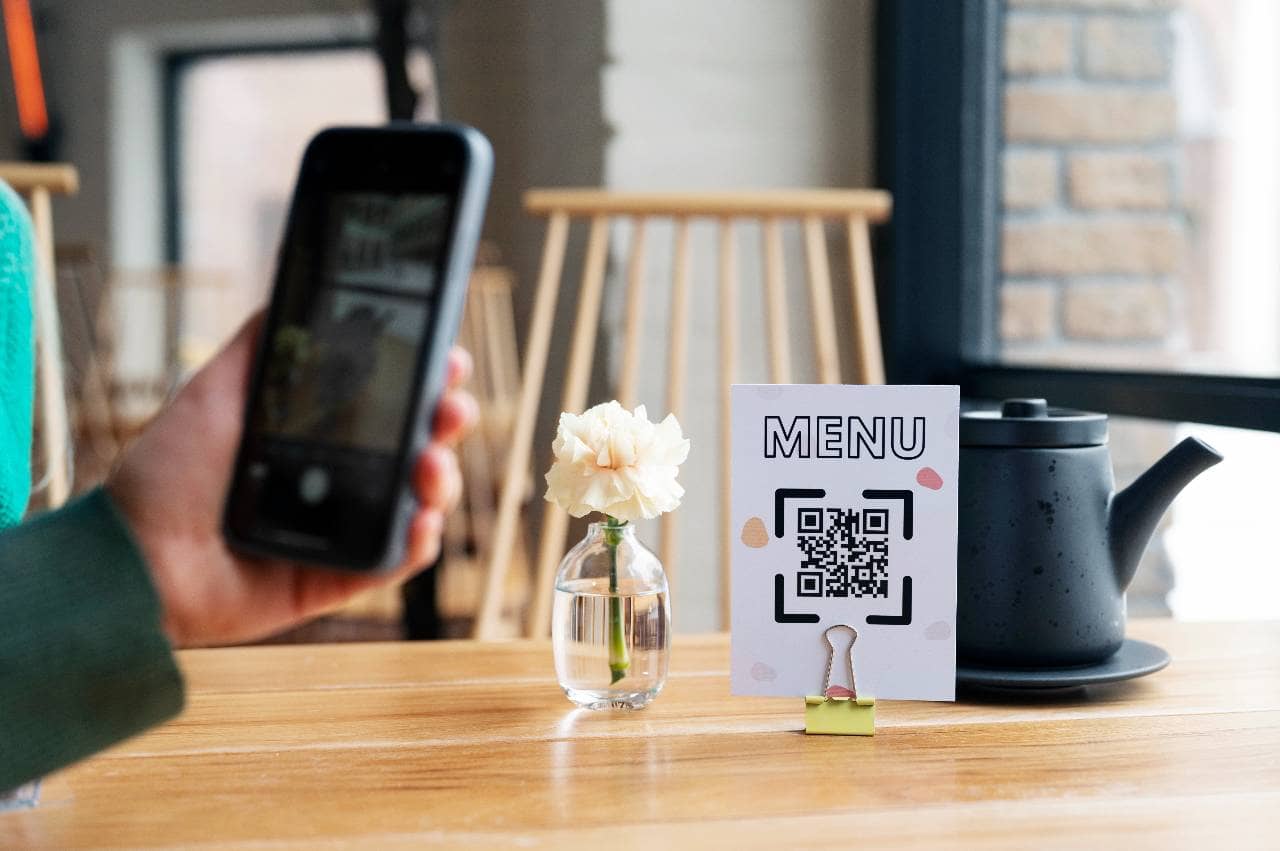
QR code menus let restaurants replace paper menus digitally, enabling instant updates, contactless browsing, ordering, and payment through simple smartphone scanning.
Sep 7, 2026

Avoiding common restaurant payroll mistakes - misclassification, tip credit errors, overtime miscalculations - protects businesses from costly penalties, back pay, and compliance risks.
Sep 4, 2026
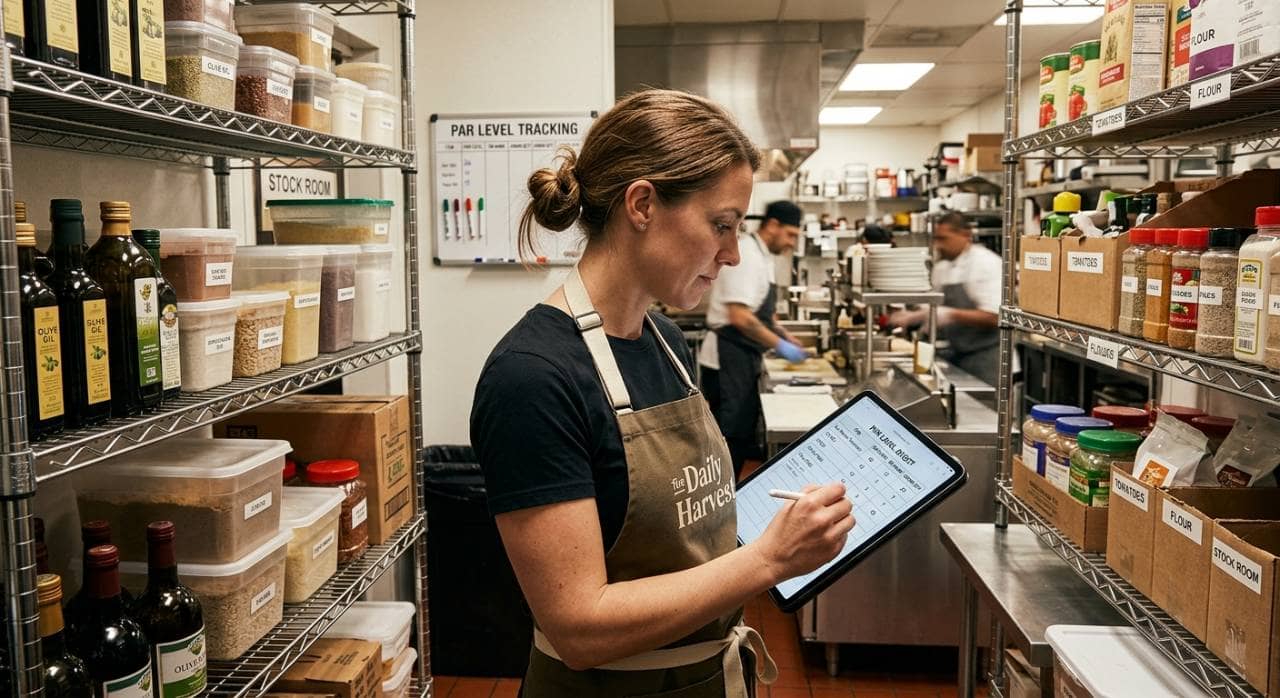
Learn to calculate par levels for restaurant food, beverages, and packaging inventory, preventing stockouts and waste through proper formulas.
Sep 4, 2026
Caribou Coffee appoints Zane Thomas-Rogers as Chief Operations Officer to strengthen execution across its expanding coffeehouse network.
Sep 4, 2026

Unlock Exclusive Access To Webinars, Events, And The Latest News For Free!
Shake Shack partners with Serve Robotics and Uber Eats to pilot sidewalk-delivery robots in Los Angeles, signaling a broader move toward autonomous last-mile dining.

Photo by Dan Gold
From the sunlit curb of Los Angeles to the quiet cadence of a lunch hour, Shake Shack’s latest venture reads like a refined score for urban dining. The city becomes a stage where service is measured not only by speed but by the cadence of a new technology shaping the last mile. In this delicate duet, Shake Shack partners with Serve Robotics and Uber Eats, inviting diners to imagine meals gliding to doors on discreet sidewalk guardians. It feels less like spectacle and more like a crafted extension of hospitality, where precision and restraint govern delivery as much as appetite. What does this program look like on the ground:
Across the city, Serve Robotics’ sidewalk delivery bots are now delivering Shake Shack meals ordered through Uber Eats, a pilot described by the partners as a first-time national rollout. This milestone extends Serve Robotics’s ongoing collaboration with Uber Eats and sits at the heart of a broader push to reshape last-mile dining in dense urban environments. In November of last year, Shake Shack partnered with Motional, using the IONIQ 5 robotaxi in Las Vegas, as part of Uber. That Vegas test signaled a spectrum of autonomous options, sidewalk drops in LA, longer-haul rides in Vegas, within the same ecosystem. The arrangement is framed as a pilot under Uber’s newsroom, and it marks Serve Robotics’ first national merchant partnership with Shake Shack via Uber Eats.

On the ground, the sidewalk becomes a measured conduit for convenience. In Los Angeles, the system relies on Serve Robotics’ sidewalk delivery bots to perform last-mile drops, designed for short-range, low-speed trips along familiar routes within neighborhoods. The aim is a steady, unobtrusive flow, curb-to-door service that complements a quick-service model rather than disrupting it. By contrast, Las Vegas has ventured into longer-haul, higher-capacity service via Motional’s IONIQ 5 robotaxi, a different modality mounted for rides and larger-scale mobility on the Uber network. Observers emphasize that sidewalk robots operate at modest speeds, roughly a few miles per hour, and that predictable delivery windows are essential for guest satisfaction and staff workflow.
With a framework that favors repeatable routines, the fleet is built to integrate seamlessly into busy hours. The Uber network has described a broader line of all-electric robotaxis in select markets, while the robots that serve LA remain anchored to the curb and the kitchen’s rhythm. The goal is to reconcile technology with hospitality: speed without haste, reliability without rigidity, and a guest experience that feels both futuristic and familiar.

Guests and operators begin to articulate the human dimension of the experiment. Early pilots, across markets including Miami, have yielded tangible benefits: shorter delivery times, greater capacity, and higher guest satisfaction as meals arrive via autonomous partners. Shake Shack staff note reduced courier congestion inside restaurants during peak hours, while guests respond with delight at the proximity of a robot-enabled service. The EEAT framework guiding these pilots centers on balancing speed, safety, and hospitality, underscoring a human-first commitment even as machines carry meals to doors.
The sentiment shared by partners is precise: combining Shake Shack’s guest base, Uber Eats’s platform, and Serve Robotics’s autonomous know-how creates a synergistic pathway toward scalable, consistent service. The narrative is about more than novelty; it is an attempt to maintain guest immersion, the atmosphere of hospitality, while embracing technology that can elevate throughput and reduce in-restaurant congestion.
This collaboration sits within a broader, multi-year technology push. Uber Eats holds a strategic stake in Serve Robotics, aligning to scale autonomous delivery across multiple markets and pursuing a nationwide deployment target of 2,000 robots by 2025. has shown an experimental posture, partnering previously with Motional, the IONIQ 5 robotaxi, demonstrating a willingness to explore both sidewalk delivery and longer-range autonomous options in tandem with Uber Eats. The Las Vegas relaunch of Motional’s robotaxi, integrated into the Uber network for rides at key Strip locations beginning in March 2026, illustrates a staged approach to commercializing autonomous mobility within the restaurant ecosystem.
Taken together, these moves paint a deliberate trajectory: a network of partnerships designed to scale across markets through a controlled mix of pilot programs, cross-brand collaboration, and sustained investments in robotic throughput. Industry chatter frames the goal as a nationwide fleet that keeps pace with demand, while keeping safety, reliability, and guest experience at the center of rollout decisions.

Beyond Shake Shack’s doors, the LA rollout sits amid a wider wave of autonomous delivery and robotaxi experiments aimed at reshaping hospitality and urban mobility. Publications track a shift from pilots to scalable networks, with players like Zoox and Motional contributing to a growing ecosystem of robot-enabled last-mile solutions. The evolving narrative acknowledges regulatory, safety, and weather considerations as markets weigh pace against risk and public acceptance, all while seeking the comfort of familiarity in a future that promises speed and consistency.
Yet uncertainties persist. Public rollout schedules, weather, urban infrastructure, and regulatory approvals will determine how quickly autonomous delivery becomes commonplace for Shake Shack and its peers. A diversified, market-by-market approach seems essential, as pilot outcomes rarely translate directly from one city to another. In hospitality’s ongoing conversation about novelty versus reliability, operators must preserve the guest’s immersion and service quality while exploring new pathways to efficiency and scale.
