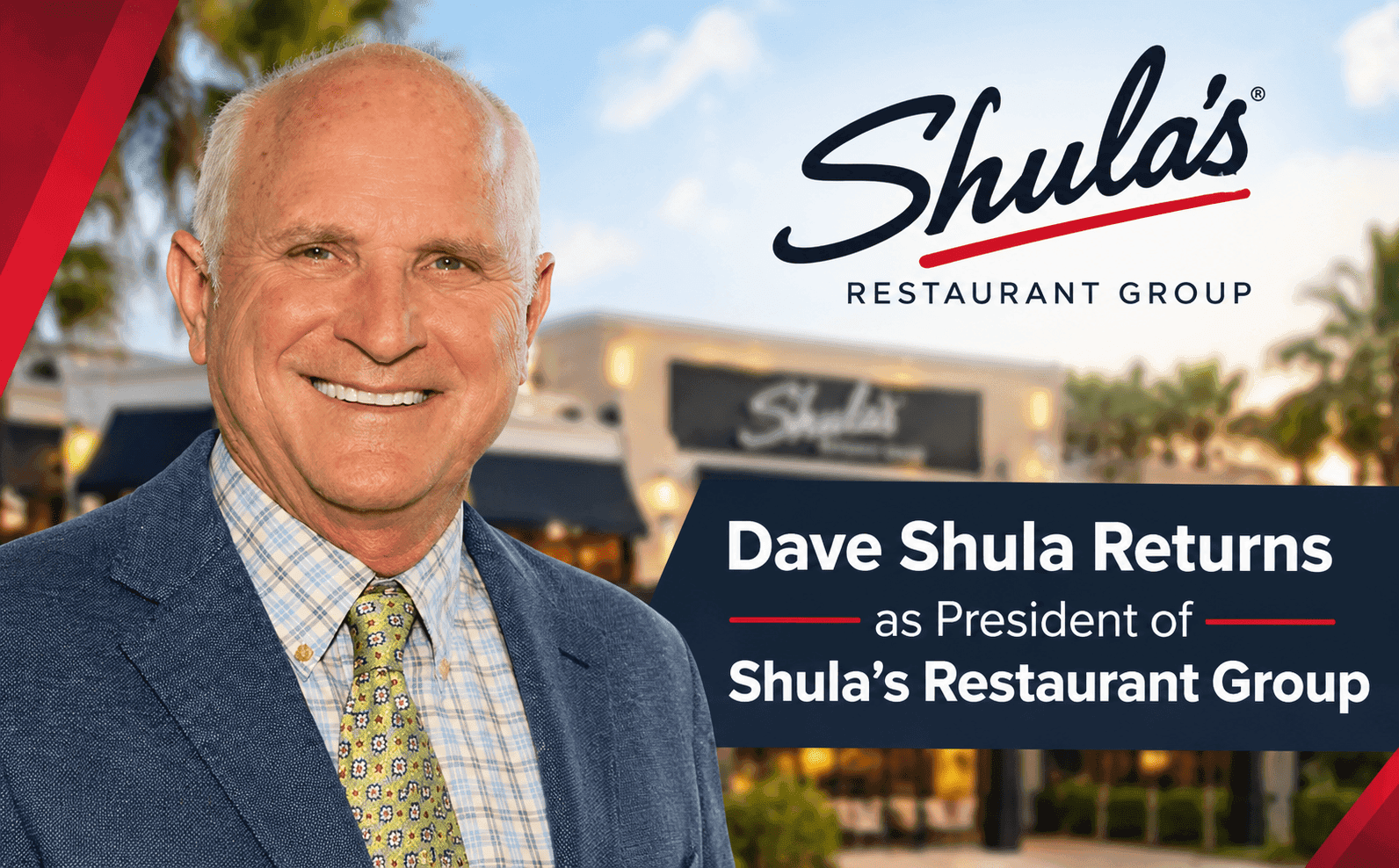
Dave Shula Returns as President of Shula's Restaurant Group
Dave Shula rejoins Shula's Restaurant Group as president, leading growth into Palm Beach Gardens and a 2027 Thomasville, Georgia expansion.
News
Sep 23, 2026
Dave Shula rejoins Shula's Restaurant Group as president, leading growth into Palm Beach Gardens and a 2027 Thomasville, Georgia expansion.
Sep 23, 2026
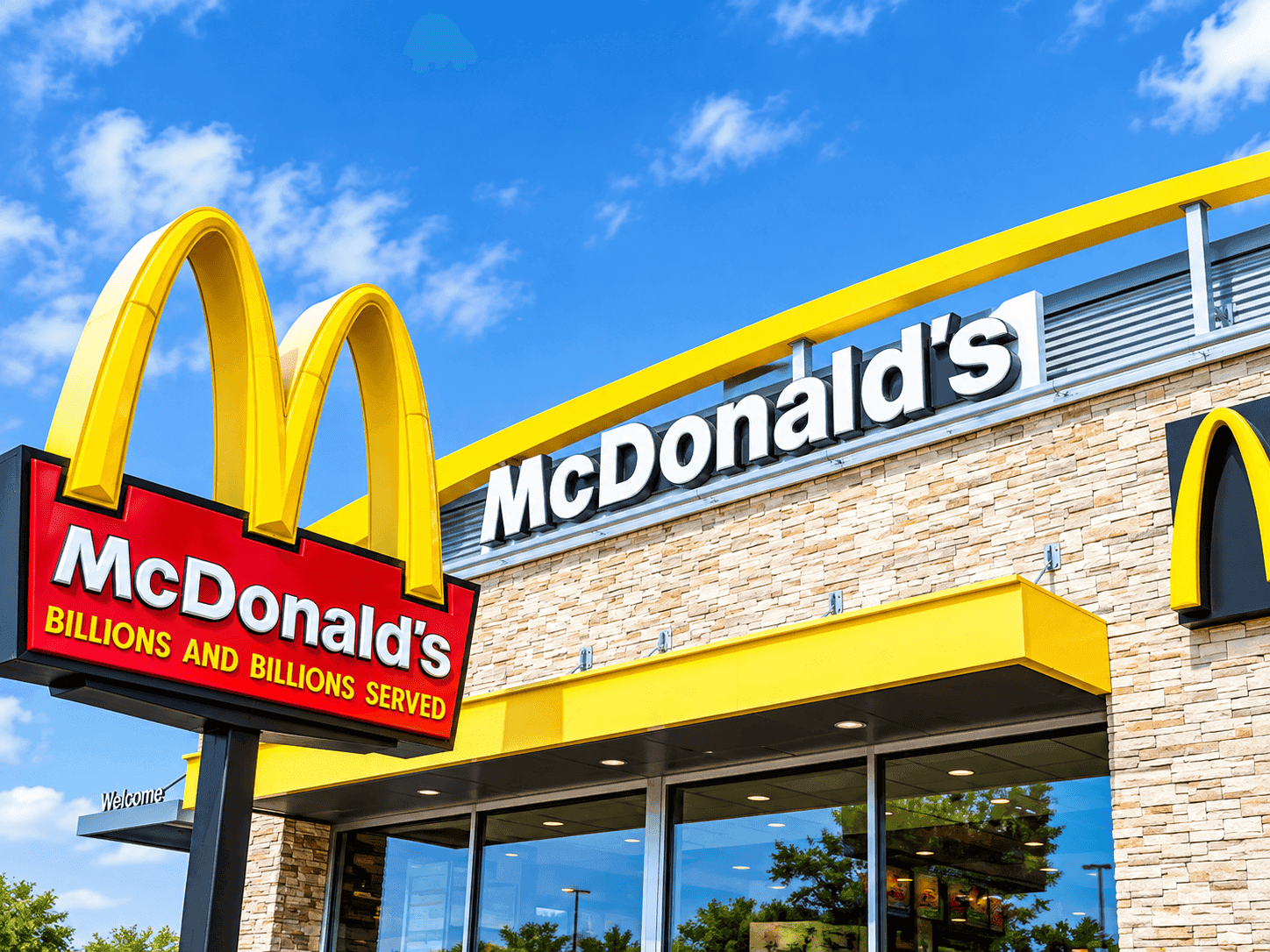
McDonald's commits $8.5 billion through 2036 to modernize restaurants, boost cash flow by $100,000 per store, and grow chicken and beverage sales.
Sep 23, 2026
WKS Restaurant Group promotes Jay Spongberg to president and COO after he helped grow the company from 65 to 382 restaurants over 16 years.
Sep 23, 2026

Smokey Mo's BBQ names Von Dawson, a Dine Brands veteran, as VP of Franchise Development to lead its Texas expansion strategy.
Sep 23, 2026
.png&w=3840&q=70)
Meritage Hospitality's Chapter 11 filing pulls 5% of Wendy's U.S. stores into bankruptcy, exposing cracks in franchising's bigger-is-safer bet.
Sep 21, 2026
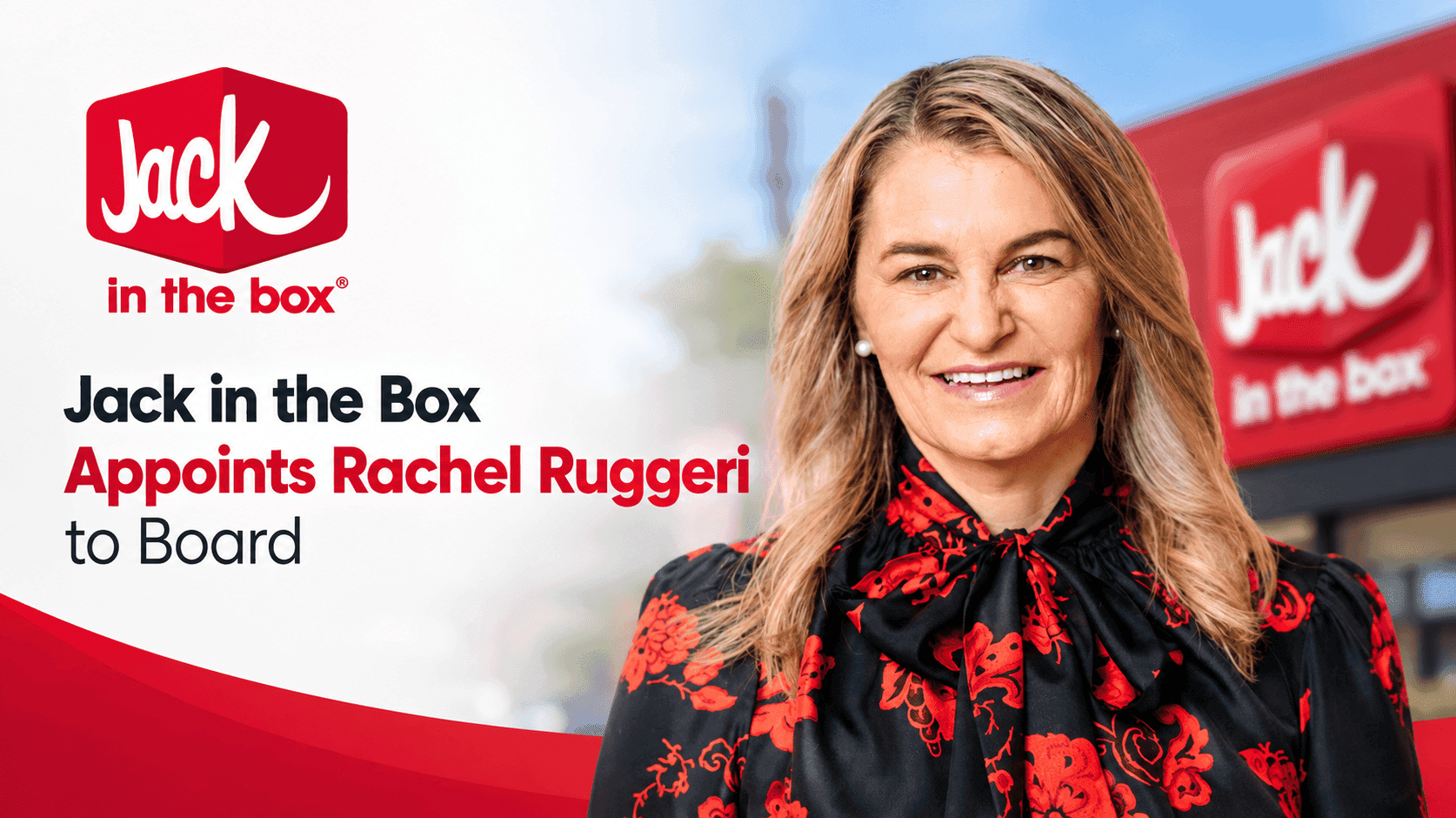
Jack in the Box names Rachel Ruggeri to its board as Michael Murphy retires, amid a CEO transition and deal with investor GreenWood.
Sep 21, 2026
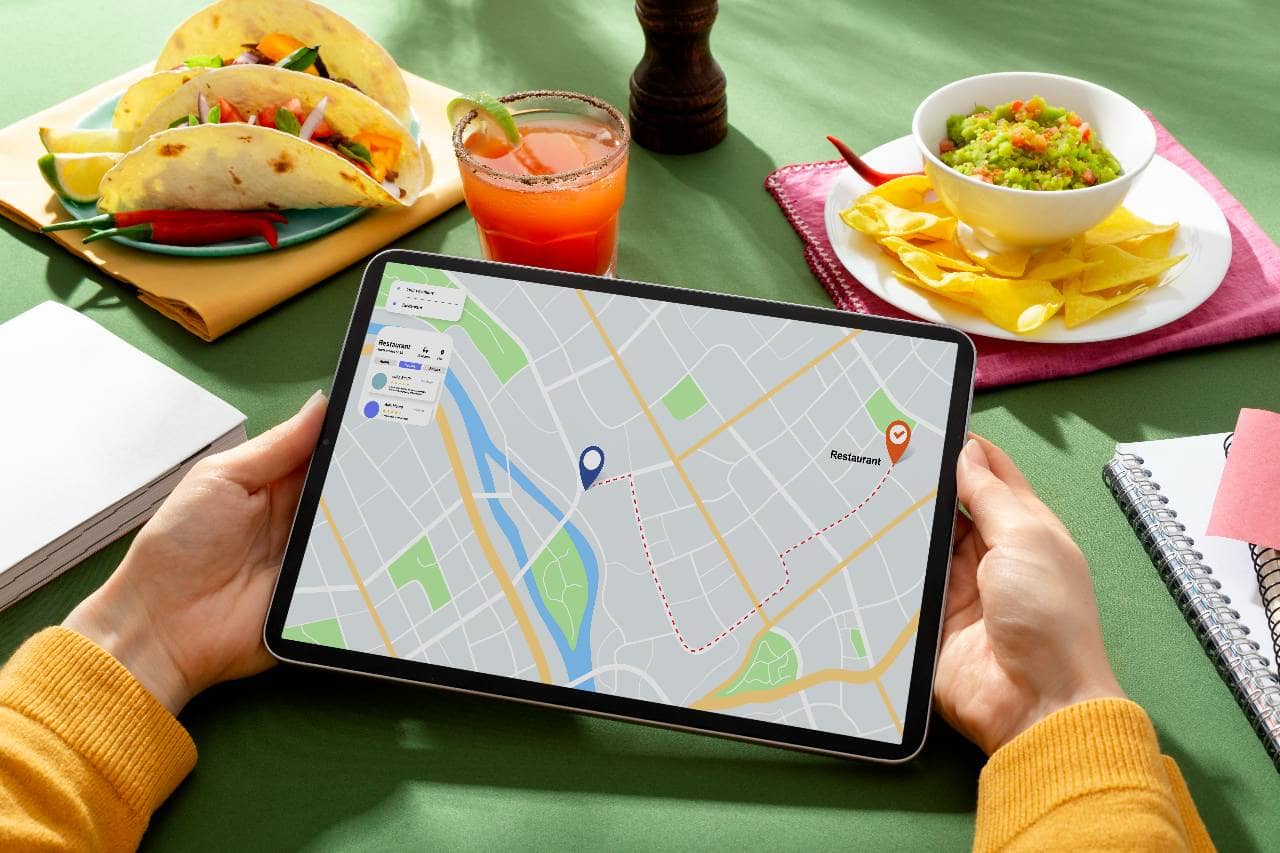
Improve restaurant Google Maps rankings by optimizing your business profile, selecting accurate categories, gathering reviews, adding photos, and strengthening local relevance signals.
Sep 21, 2026

Restaurant inventory tracking helps owners monitor stock, control food costs, reduce waste, improve purchasing, and make informed operational decisions.
Sep 21, 2026

Restaurant owners can significantly reduce restaurant costs by leveraging technology across inventory, labor, procurement, forecasting, and administrative operations for better profit margins.
Sep 18, 2026

Understand how to forecast restaurant revenue and expenses with methods for sales projection, cost scaling, fixed-cost planning, and risk buffering.
Sep 18, 2026

Unlock Exclusive Access To Webinars, Events, And The Latest News For Free!
A warm, expert look at how restaurants turn SMART goals into measurable growth across loyalty, tech, and frontline execution.

Photo by Zulfugar Karimov
In bustling kitchens and quiet back rooms alike, a quiet ritual takes shape: turning big dreams into daily routines with a soft, steady framework. Leaders balance ambition with the gentle pace of service, weaving a roadmap that keeps everyone anchored amid tickets, delays, and the steady hum of a dining room. The challenge is to hold aspiration and attainability in a warm, forgiving embrace. Here, SMART goals become the seasoning that lights the way without overpowering the comfort of a regular shift. It’s less about grand declarations and more about meals you can serve again and again. How does a dream become a dish you can plate night after night?
SMART goals start with Specific, Measurable, Achievable, Relevant, and Time-bound. They are not a dry checklist but a practical toolkit for shaping outcomes, describing the steps, and clarifying why each aim matters to the business. They guide the selection of meaningful indicators, build checkpoints, and keep strategy aligned with daily execution. In hospitality thinking, SMART connects big aims to concrete tasks that teams can own, one shift at a time, turning ambition into a cadence everyone can feel. This is planning with the heart as well as the head.
From plan to practice, the SMART framework travels with you from menu board to P&L. It begins by naming the target clearly, then outlining the steps to reach it, and finally signaling how progress will be measured. In the kitchen and dining room, this becomes a gentle rhythm, the same pace that steadies service during a busy Friday night. The magic is consistency: you can adapt without losing the sense of welcome that makes guests return. When the staff moves in unison, the café hush of a well-run shift feels almost familiar, like a trusted recipe you return to.
Specificity demands a clear description of the desired outcome, the actions required, and the underlying purpose. Measurability hinges on KPIs that quantify progress, even when some targets demand creative criteria that better capture a restaurant’s rhythm. Achievability asks whether the goal can be reached with available resources or with a realistic plan to secure more. Relevance ensures every objective ties to the broader health of the business, profitability, guest satisfaction, or growth. Time-bound injects deadlines that balance quick wins with longer horizons. This discipline helps owners and managers prioritize initiatives, allocate resources, and evaluate gaps with clarity, driving ongoing improvement and accountability.
