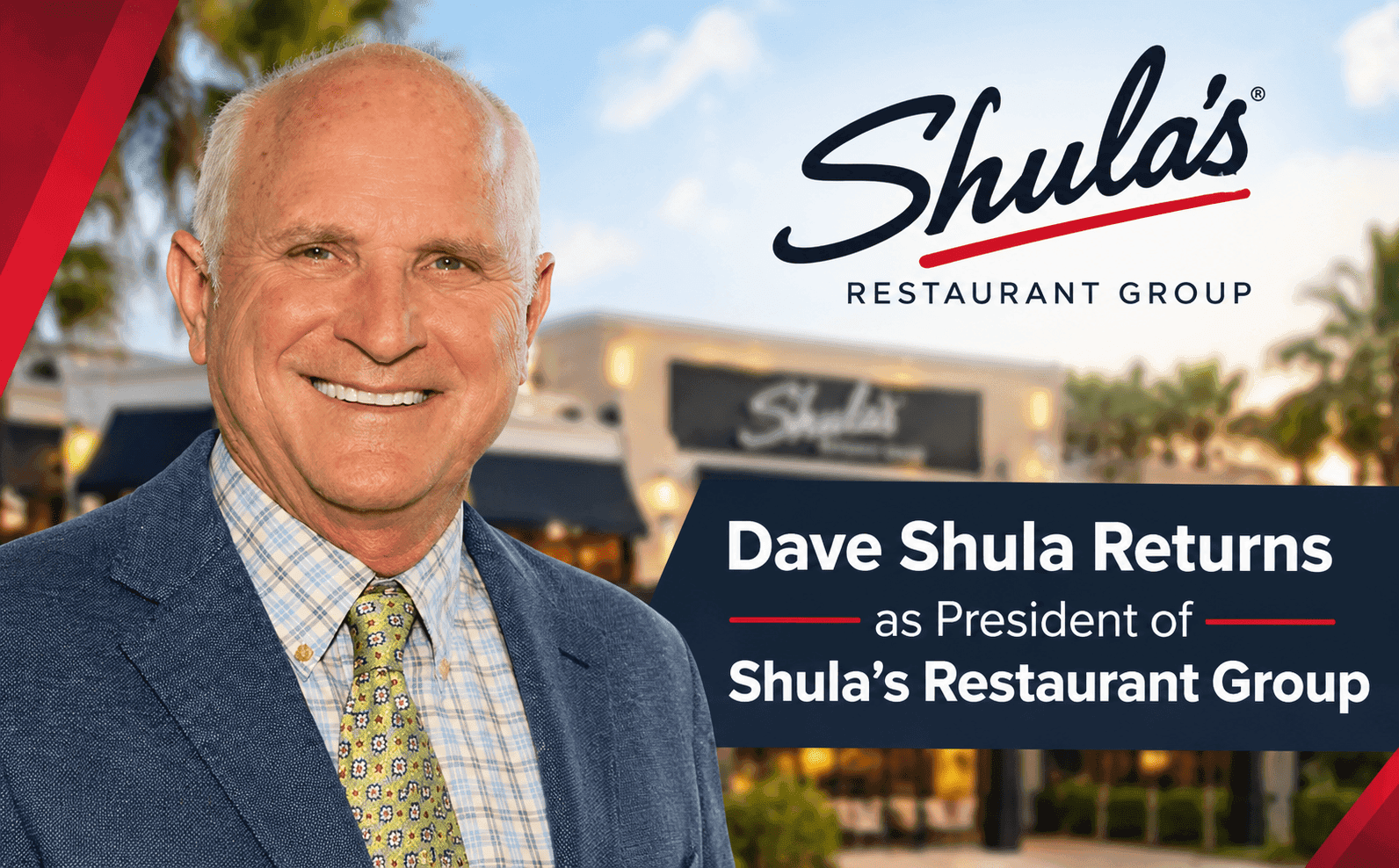
Dave Shula Returns as President of Shula's Restaurant Group
Dave Shula rejoins Shula's Restaurant Group as president, leading growth into Palm Beach Gardens and a 2027 Thomasville, Georgia expansion.
News
Sep 23, 2026
Dave Shula rejoins Shula's Restaurant Group as president, leading growth into Palm Beach Gardens and a 2027 Thomasville, Georgia expansion.
Sep 23, 2026
McDonald's commits $8.5 billion through 2036 to modernize restaurants, boost cash flow by $100,000 per store, and grow chicken and beverage sales.
Sep 23, 2026
WKS Restaurant Group promotes Jay Spongberg to president and COO after he helped grow the company from 65 to 382 restaurants over 16 years.
Sep 23, 2026

Smokey Mo's BBQ names Von Dawson, a Dine Brands veteran, as VP of Franchise Development to lead its Texas expansion strategy.
Sep 23, 2026
.png&w=3840&q=70)
Meritage Hospitality's Chapter 11 filing pulls 5% of Wendy's U.S. stores into bankruptcy, exposing cracks in franchising's bigger-is-safer bet.
Sep 21, 2026
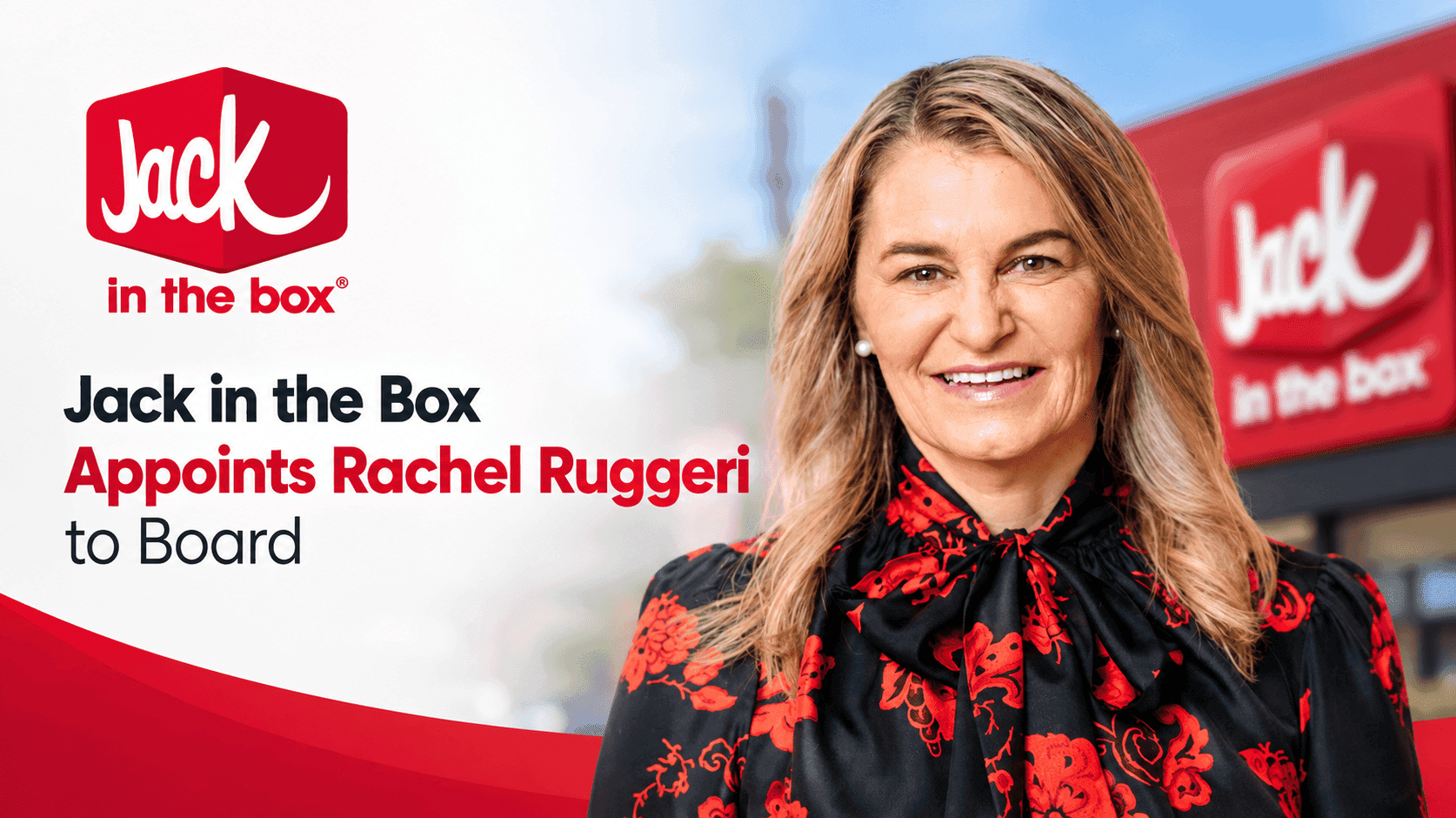
Jack in the Box names Rachel Ruggeri to its board as Michael Murphy retires, amid a CEO transition and deal with investor GreenWood.
Sep 21, 2026
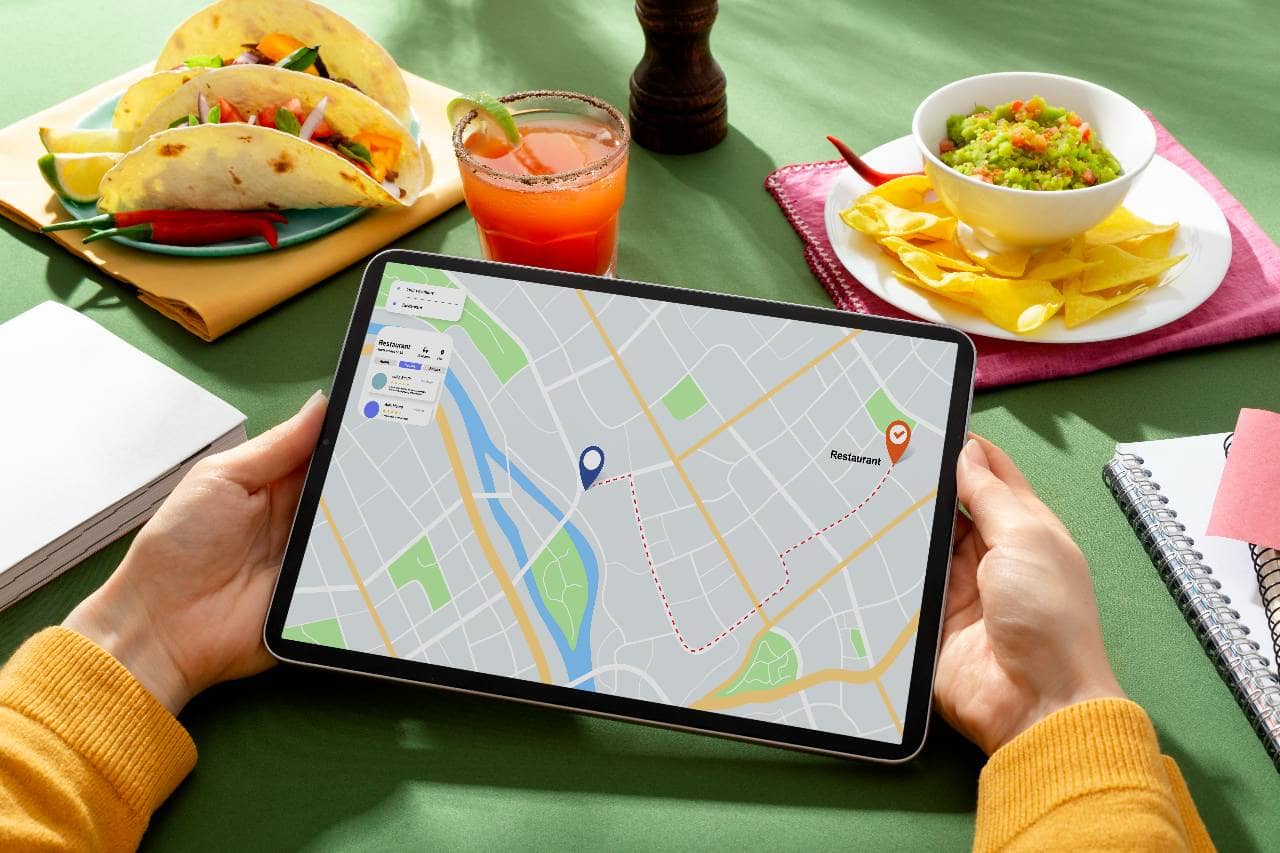
Improve restaurant Google Maps rankings by optimizing your business profile, selecting accurate categories, gathering reviews, adding photos, and strengthening local relevance signals.
Sep 21, 2026

Restaurant inventory tracking helps owners monitor stock, control food costs, reduce waste, improve purchasing, and make informed operational decisions.
Sep 21, 2026

Restaurant owners can significantly reduce restaurant costs by leveraging technology across inventory, labor, procurement, forecasting, and administrative operations for better profit margins.
Sep 18, 2026
Understand how to forecast restaurant revenue and expenses with methods for sales projection, cost scaling, fixed-cost planning, and risk buffering.
Sep 18, 2026

Unlock Exclusive Access To Webinars, Events, And The Latest News For Free!
Starbucks partners with Mercedes-Benz HPC to open a high-power EV charging hub off I-5 in Red Bluff, signaling a broader mobility-forward store network.

Photo by Daniel Jiménez
Starbucks is piloting a bold mash-up of hospitality and mobility along one of America's busiest travel corridors. In Red Bluff, off Interstate 5, a new hub brings high-power charging to a familiar coffee stop. This isn't a flashy tech demo. It's a practical blueprint: sip a latte while your car tops up. The stalls are equipped to deliver up to 400 kW, and every bay has both NACS and CCS cables, so any EV brand fits in. This is the first step toward an electrified I-5 corridor, linking Washington to Southern California, with more sites planned over time.
This isn't a standalone push. Starbucks presents the Red Bluff hub as a template for a broader mobility network. The plan calls for high-speed charging that can replenish a meaningful amount of range quickly, turning a quick refuel into a brief interlude for a coffee and a moment of relaxation. The rollout isn't limited to the West Coast: it points to more locations, including East Coast sites, and a path to electrify over 100 Starbucks stores nationwide. In short, you're getting a coffee break that doubles as a charging stop.
Starbucks isn't just adding stores. It's expanding its footprint in a way that doubles as a platform for new services. The brand opened the highest number of net new units among U.S. restaurant brands in recent years, a rapid-fire expansion that fuels experimentation beyond beverages. In 2023, Starbucks added 473 new units, following a strong 2022, underscoring aggressive growth while it tests concepts that slide beyond coffee. That acceleration travels in step with a sustainability-minded push to turn stores into community hubs and mobility-access points. Together, footprint growth and a planned interoperable charging network are designed to pull in more foot traffic and boost dwell time, even as customer needs evolve toward convenient on-the-go charging with their coffee.

Starbucks anchors this expansion in a formal sustainability agenda. The company sets ambitious 2030 targets, including a 50 percent absolute reduction in greenhouse gas emissions across scopes 1–3, freshwater conservation or replenishment of half of withdrawals, and a goal to halve waste sent to landfills. A big milestone is making 100 percent of customer packaging reusable, recyclable, or compostable. The Petaluma reusable cup project, run with the NextGen Consortium and Closed Loop Partners, tests reusable cups at multiple stores and returns bins for cleaning and recirculation. The work aims to scale reuse models across markets and networks.
Red Bluff serves as the operating blueprint for the launch. High-power DC fast charging is open to all EV brands, with chargers configured to support multiple connector standards. The Starbucks release describes speeds that add substantial range fast, turning refueling into a brief interlude for a coffee and a moment of calm. This is not a one-off; it maps a corridor-first strategy that pairs hospitality with mobility on a broad scale. The idea is to place mobility anchors where travelers already pause, and to do so with the reliability customers expect from a trusted brand.

Industry partners have shown this model can travel beyond a single region. Volvo Cars teamed with Starbucks on a Seattle–Denver route, placing DC fast chargers about every 100 miles to keep long trips predictable. Taken together, these moves turn the coffeehouse network into a mobility spine, a place travelers pass through rather than a mere stop for caffeine. The approach frames stores as strategic waypoints that support an on‑the‑go travel experience.
Executive voices frame the partnership as elevating the charging experience for all EV drivers. The press materials position the endeavor as a blend of hospitality and mobility, with Andrew Cornelia, president and CEO of Mercedes-Benz HPC, casting the collaboration as a move to make charging as inviting as enjoying a cup of coffee. At Starbucks, Chief Sustainability Officer Michael Kobori ties the effort to renewable-energy initiatives and an expanded charging network so customers can refuel sustainably while they sip. The language signals a deliberate strategy that pairs brand value with public infrastructure.
California remains a focal point in the nation’s EV journey. By late 2023, the state accounted for a substantial share of registrations, underscoring why retailers and automakers target the market for infrastructure. The I-5 corridor cuts through California, Oregon, and Washington, making it the strategic axis for a mobility network that blends retail with clean transport. The rollout taps into this momentum, aligning Starbucks' footprint growth with a policy-ready, electrified West Coast.
Even with momentum, details remain to be filled in. The rollout timeline, capital investment levels, and revenue-sharing expectations were not disclosed, leaving questions about how the economics will work at scale. The West Coast focus is clear, but executives also flagged additional locations, potentially including the East Coast, and no published timetable exists yet. Operational specifics, maintenance regimes, warranty coverage, and the integration of charging data with in-store experiences, still need clarity as the network grows. Until those pieces land, the plan reads as a promising blueprint with a few moving parts.

The bigger picture is bigger than charging. Embedding high-power charging into the Starbucks footprint reframes stores as mobility hubs where customers refuel themselves and their vehicles while enjoying hospitality. If the model proves scalable, it could reshape foot traffic economics for quick-service brands and speed electrification along critical corridors. The coming years will test how behavior shifts, how store performance tracks with demand for on‑the‑go charging, and how industry norms evolve around multi-brand mobility partnerships.
