True Food Kitchen Files Bankruptcy, Closes 12 Sites
True Food Kitchen filed for Chapter 11 bankruptcy, closing 12 locations and shrinking to 34 restaurants across 14 states amid $42.1 million in debt.
News
Oct 5, 2026
True Food Kitchen filed for Chapter 11 bankruptcy, closing 12 locations and shrinking to 34 restaurants across 14 states amid $42.1 million in debt.
Oct 5, 2026

Snooze Eatery names industry veteran Amy Hom as COO, starting Sept. 28, to strengthen hospitality and operations ahead of its next growth phase.
Oct 5, 2026
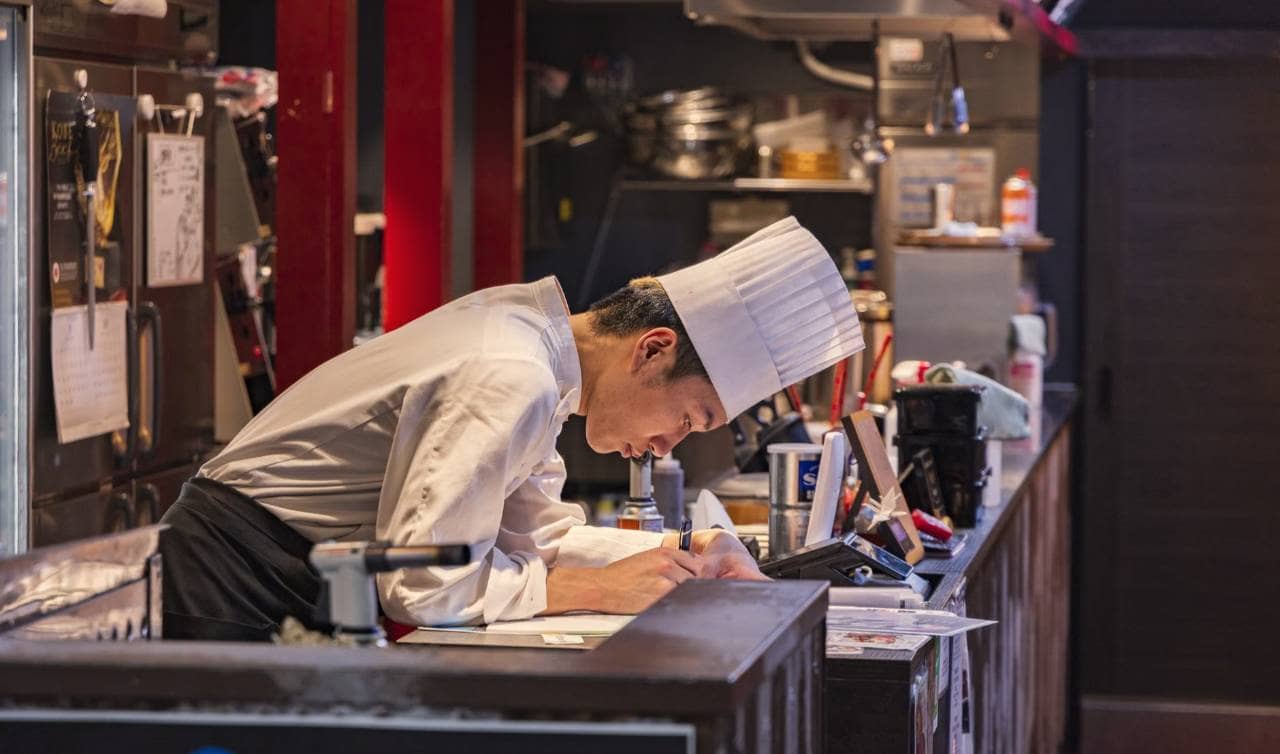
Restaurants can control operating costs by tracking food, labor, rent, utilities, technology, marketing, and other expenses against sales.
Oct 5, 2026

Opening a second restaurant location requires readiness, clear goals, financial planning, funding, smart strategy, standardized operations, strong teams, and careful launch monitoring for sustainable growth.
Sep 30, 2026
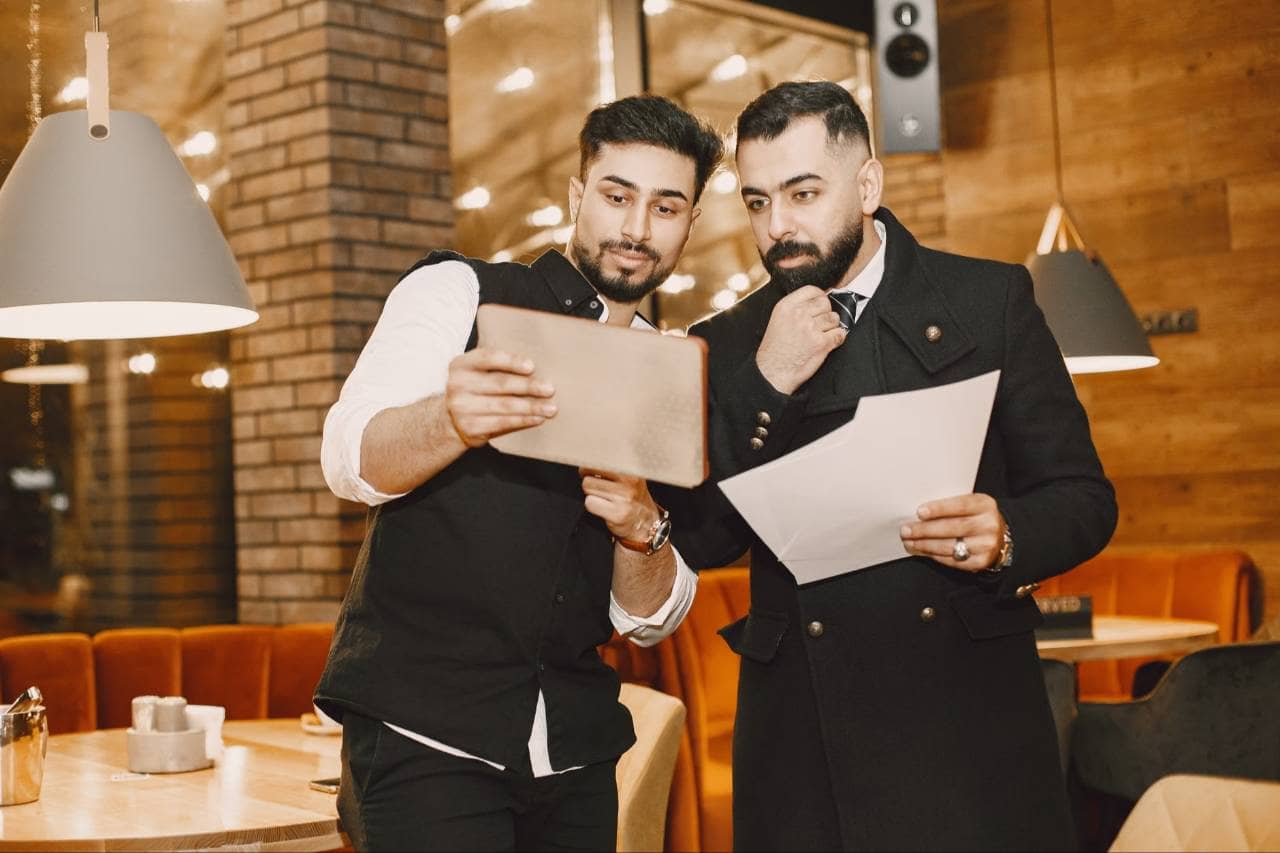
Evaluate restaurant industry performance in Q3 2026 through key trends affecting restaurant sales, traffic, consumer spending, labor, costs, and technology.
Oct 2, 2026

Improve restaurant visibility with local SEO by optimizing Google Business Profile, targeting local keywords, managing reviews, and maintaining accurate online information.
Oct 5, 2026
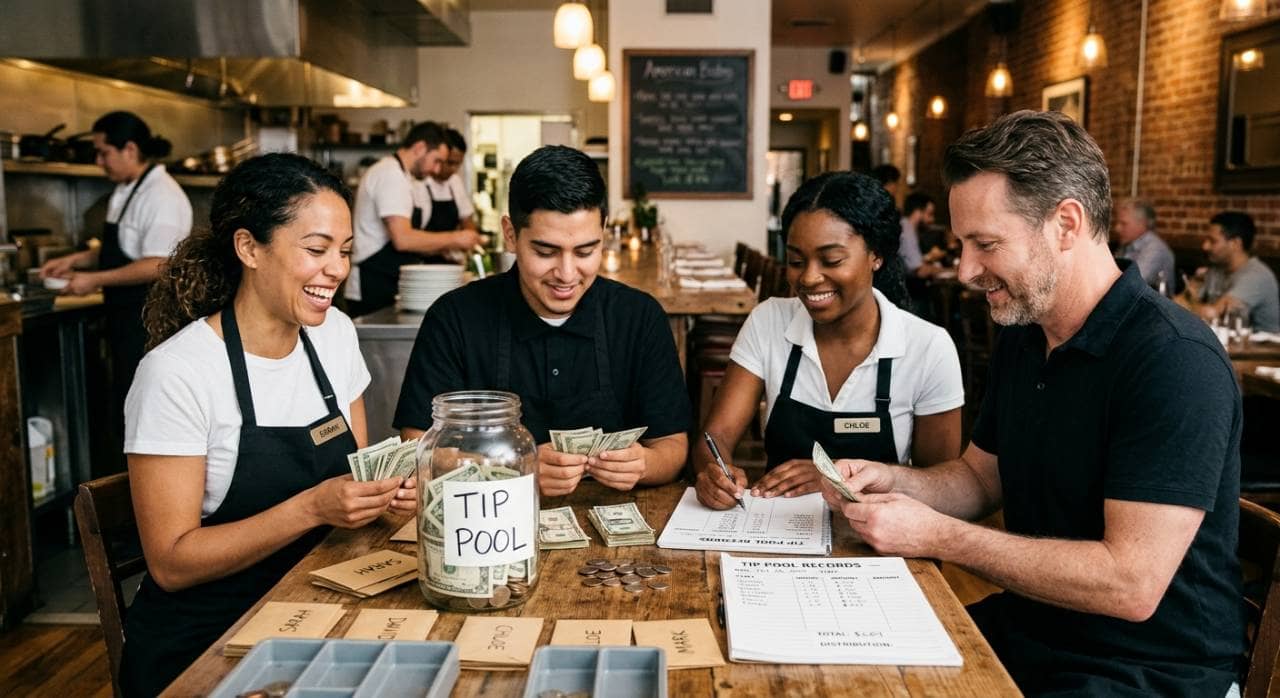
Understand tip pooling rules, employee eligibility, distribution methods, compliance requirements, recordkeeping practices, and policies restaurant owners need for proper tip management.
Oct 2, 2026

Whit's Frozen Custard hires industry veteran Amos Durbin as COO to guide franchise expansion, drawing on two decades of restaurant leadership experience.
Oct 2, 2026
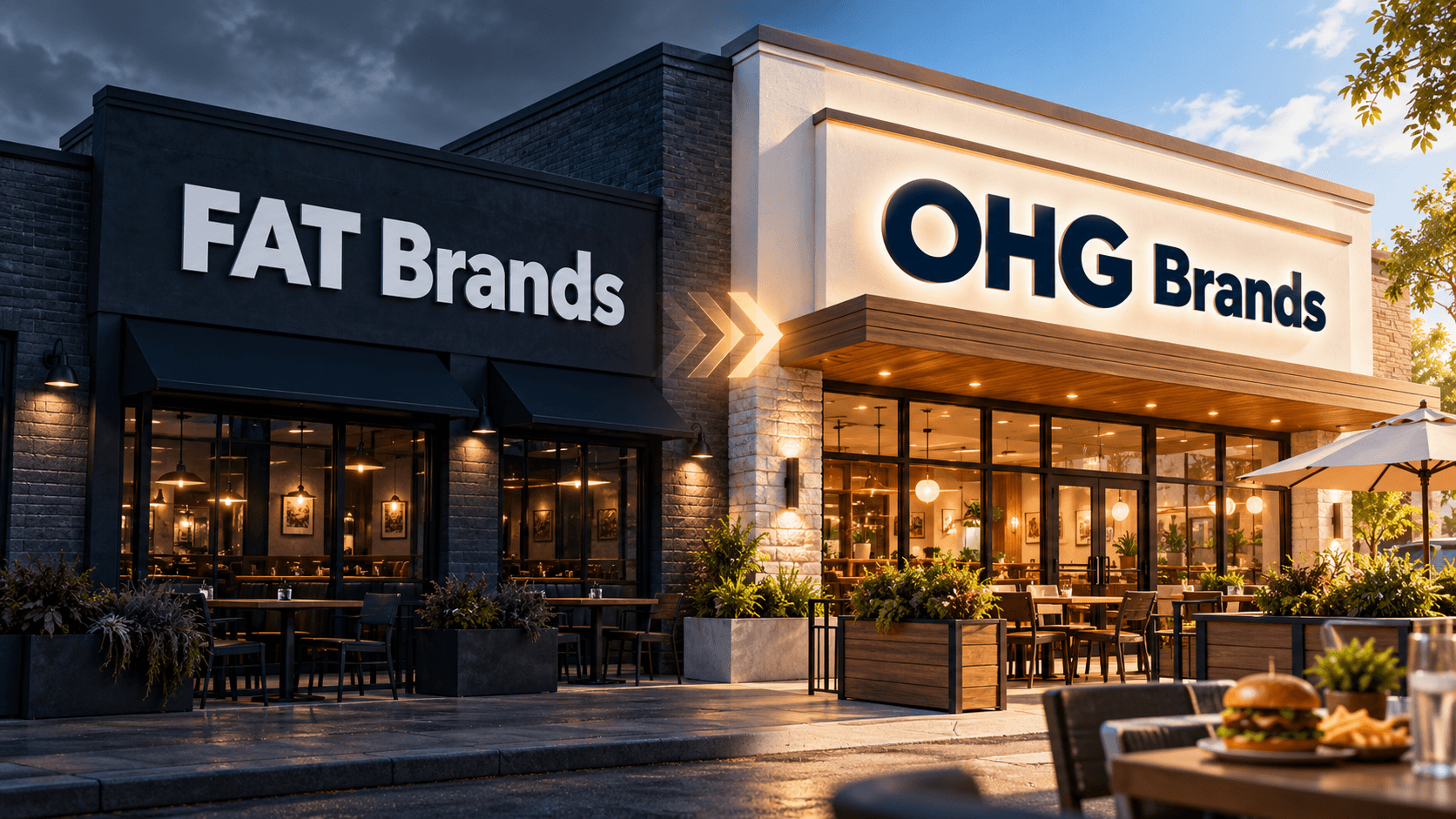
FAT Brands' $1B acquisition empire fell into bankruptcy and sold for $965M, re-emerging as OHG Brands with 1,700 restaurants.
Oct 1, 2026
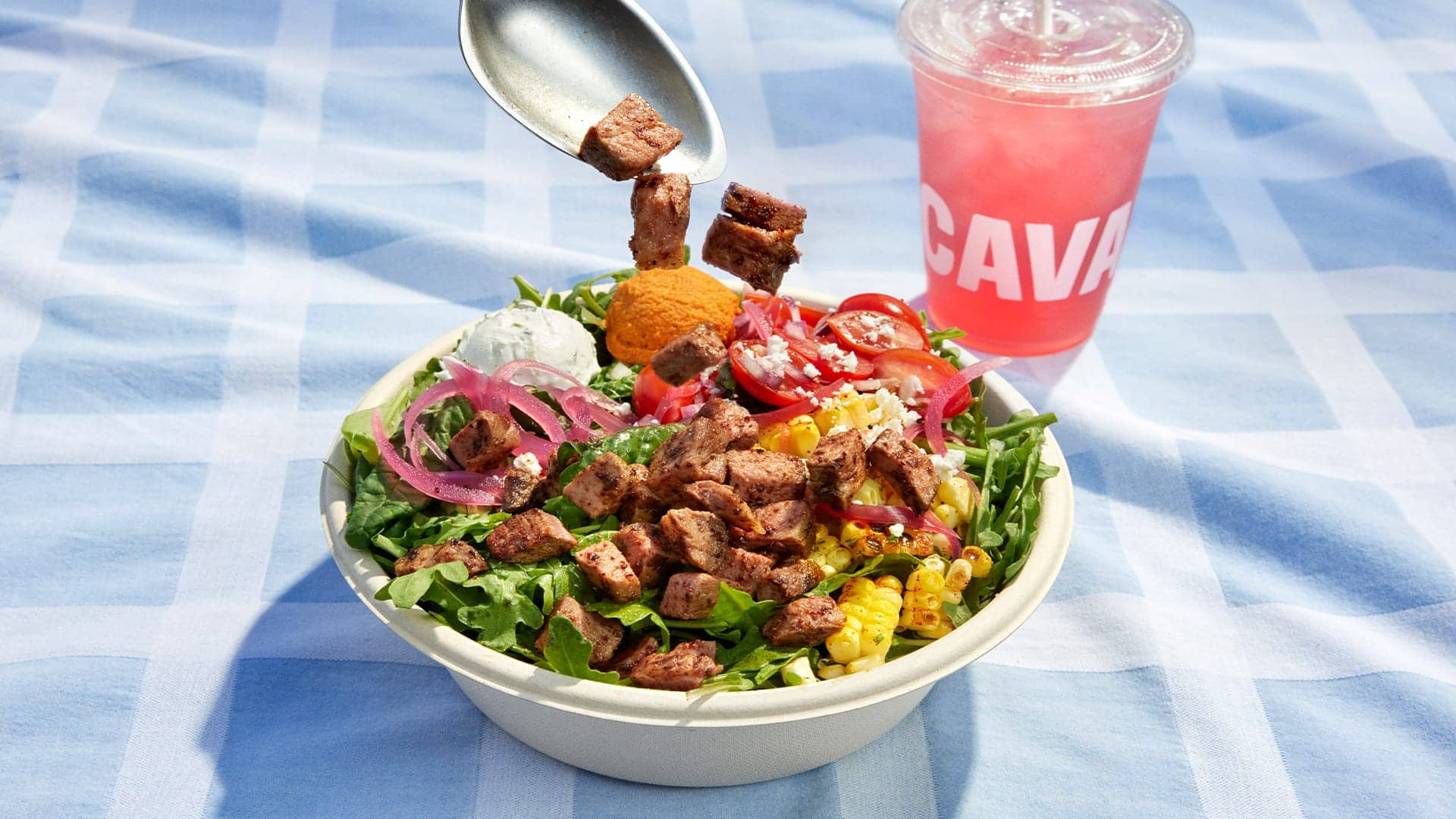
CAVA names John Ludeke, former Dr. Squatch Chief Brand Officer, as its new CMO to drive national growth and guest loyalty.
Oct 1, 2026

Unlock Exclusive Access To Webinars, Events, And The Latest News For Free!
Learn about Starbucks' decision to eliminate extra charges for non-dairy milk options and how it impacts customers and the company's menu development strategy.

Photo by Fabian Albert
Starbucks' announcement to waive the supplemental charge for non-dairy milk varieties such as soy, oat, almond, and coconut milk signifies a significant shift in its menu development strategy. By addressing a long-standing concern raised by vegan activists and meeting the demands of its diverse customer base, Starbucks showcases a commitment to enhancing the overall customer experience. This move reflects the company's responsiveness to customer feedback and its willingness to adapt to changing consumer preferences.
CEO Brian Niccol's emphasis on customization as a core element of the Starbucks Experience highlights the importance of catering to individual preferences. By eliminating the upcharge for non-dairy milk options, Starbucks not only encourages customers to personalize their beverages but also demonstrates inclusivity towards individuals with dietary restrictions or preferences. This decision reinforces Starbucks' brand image as a welcoming and customer-focused coffeehouse that prioritizes individual choice and satisfaction.

Photo by Fabian Albert
The removal of extra charges for non-dairy milk is poised to resonate positively with Starbucks patrons, as it not only aligns with their requests but also enhances the value proposition of Starbucks beverages. Customers who opt for non-dairy alternatives will now perceive greater value in their purchases, potentially leading to increased loyalty and satisfaction. This strategic menu adjustment is likely to strengthen customer relationships and drive repeat business, contributing to Starbucks' long-term success.

Photo by Fabian Albert
In the competitive landscape of the coffee industry, menu innovation plays a crucial role in maintaining a distinct brand identity. Starbucks' decision to revamp its pricing structure by removing the non-dairy milk upcharge not only sets it apart from competitors but also positions the company as a trendsetter in accommodating evolving consumer preferences. This menu development strategy underscores Starbucks' commitment to staying relevant and competitive in a dynamic market environment.
While the immediate impact of eliminating the extra charge for non-dairy milk on Starbucks' bottom line remains undisclosed, the move reflects a strategic business decision aimed at driving customer traffic, enhancing brand perception, and fostering sustainable growth. As Starbucks navigates through changing consumer behaviors and market trends, this menu pricing adjustment aligns with CEO Brian Niccol's vision of refocusing on the core strengths of the brand and delivering value to customers consistently. By prioritizing customer satisfaction and menu simplicity, Starbucks aims to create a more compelling and competitive offering in the evolving coffee retail landscape.

Photo by Fabian Albert