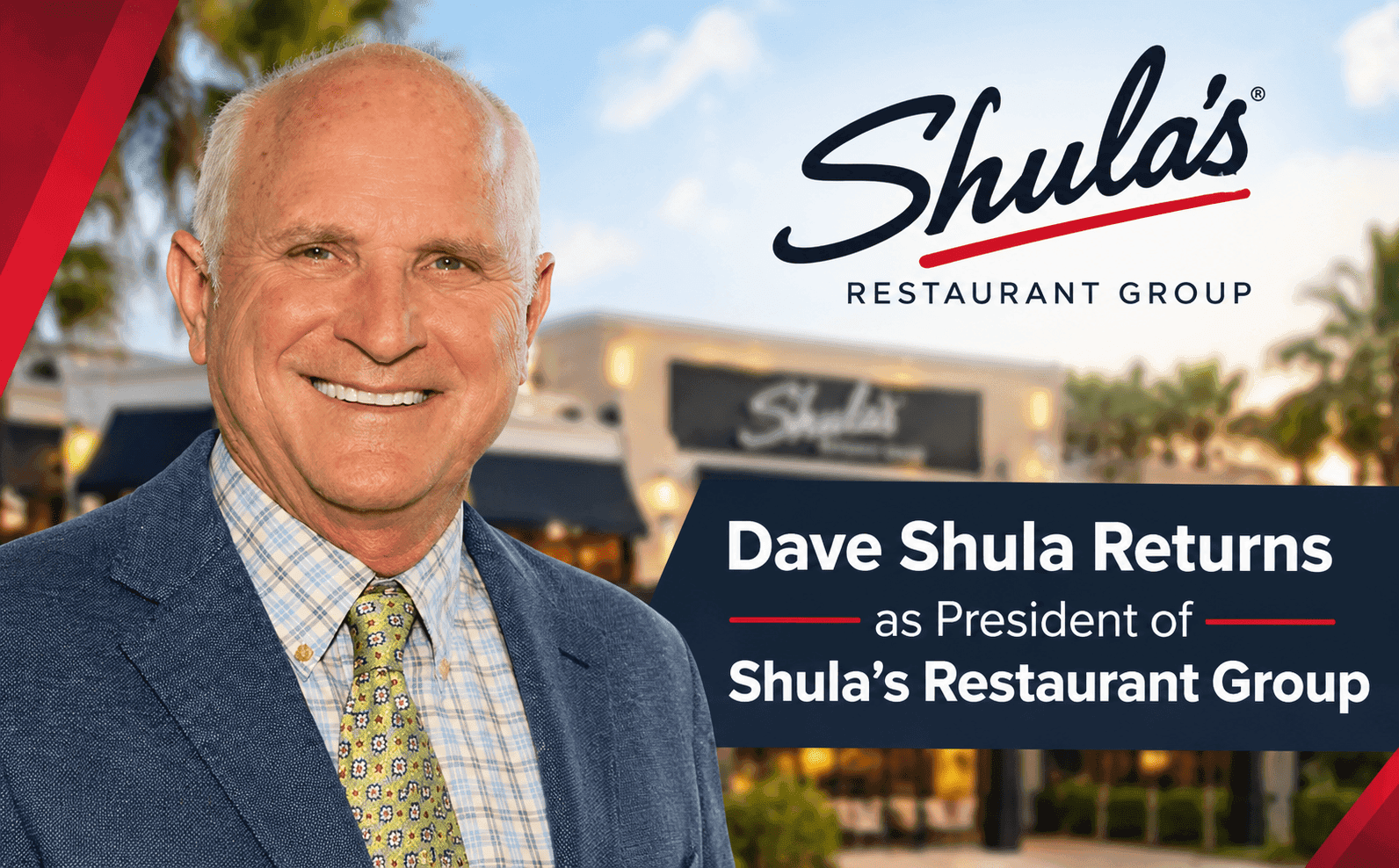
Dave Shula Returns as President of Shula's Restaurant Group
Dave Shula rejoins Shula's Restaurant Group as president, leading growth into Palm Beach Gardens and a 2027 Thomasville, Georgia expansion.
News
Sep 23, 2026
Dave Shula rejoins Shula's Restaurant Group as president, leading growth into Palm Beach Gardens and a 2027 Thomasville, Georgia expansion.
Sep 23, 2026
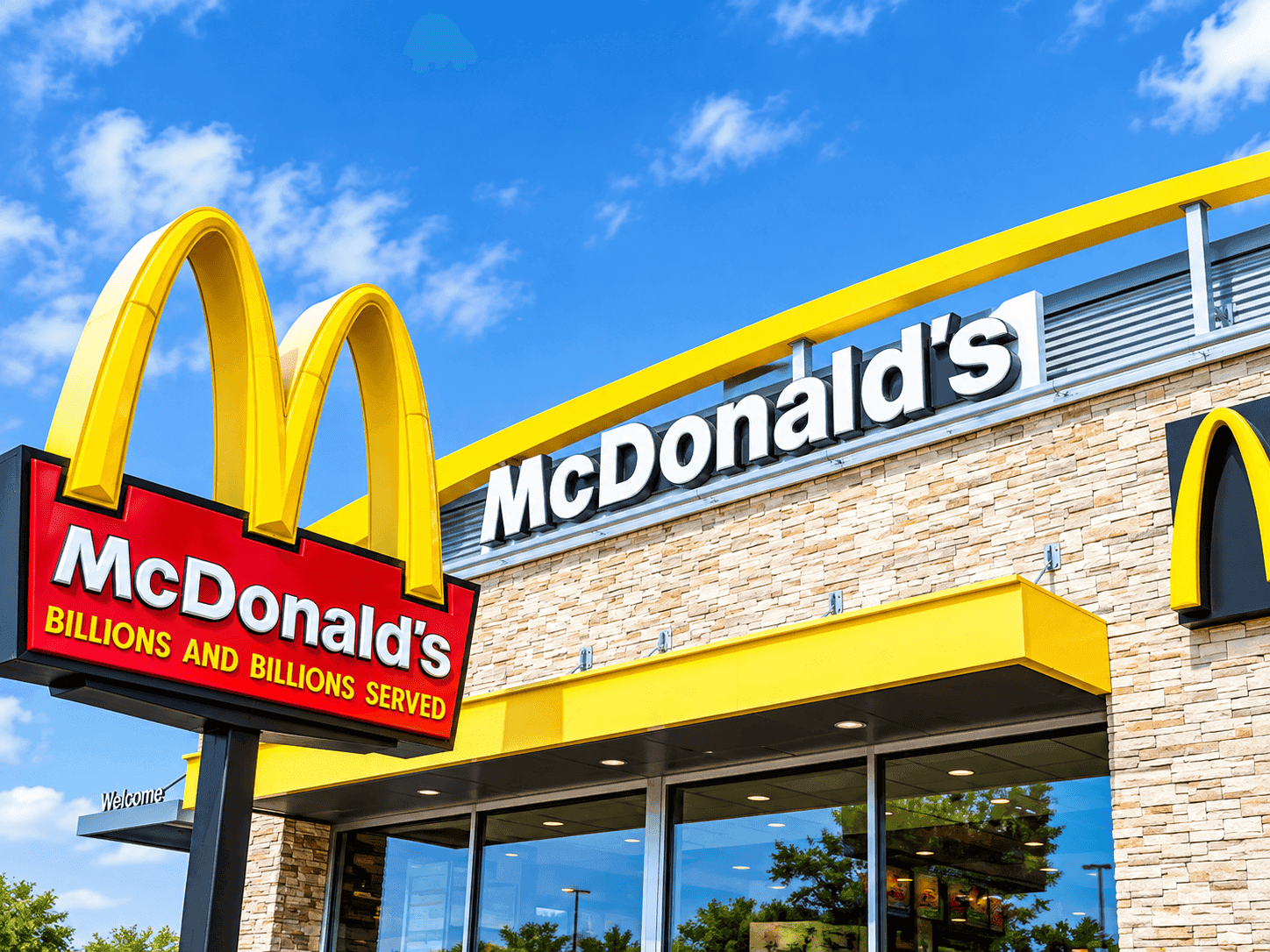
McDonald's commits $8.5 billion through 2036 to modernize restaurants, boost cash flow by $100,000 per store, and grow chicken and beverage sales.
Sep 23, 2026
WKS Restaurant Group promotes Jay Spongberg to president and COO after he helped grow the company from 65 to 382 restaurants over 16 years.
Sep 23, 2026

Smokey Mo's BBQ names Von Dawson, a Dine Brands veteran, as VP of Franchise Development to lead its Texas expansion strategy.
Sep 23, 2026
.png&w=3840&q=70)
Meritage Hospitality's Chapter 11 filing pulls 5% of Wendy's U.S. stores into bankruptcy, exposing cracks in franchising's bigger-is-safer bet.
Sep 21, 2026
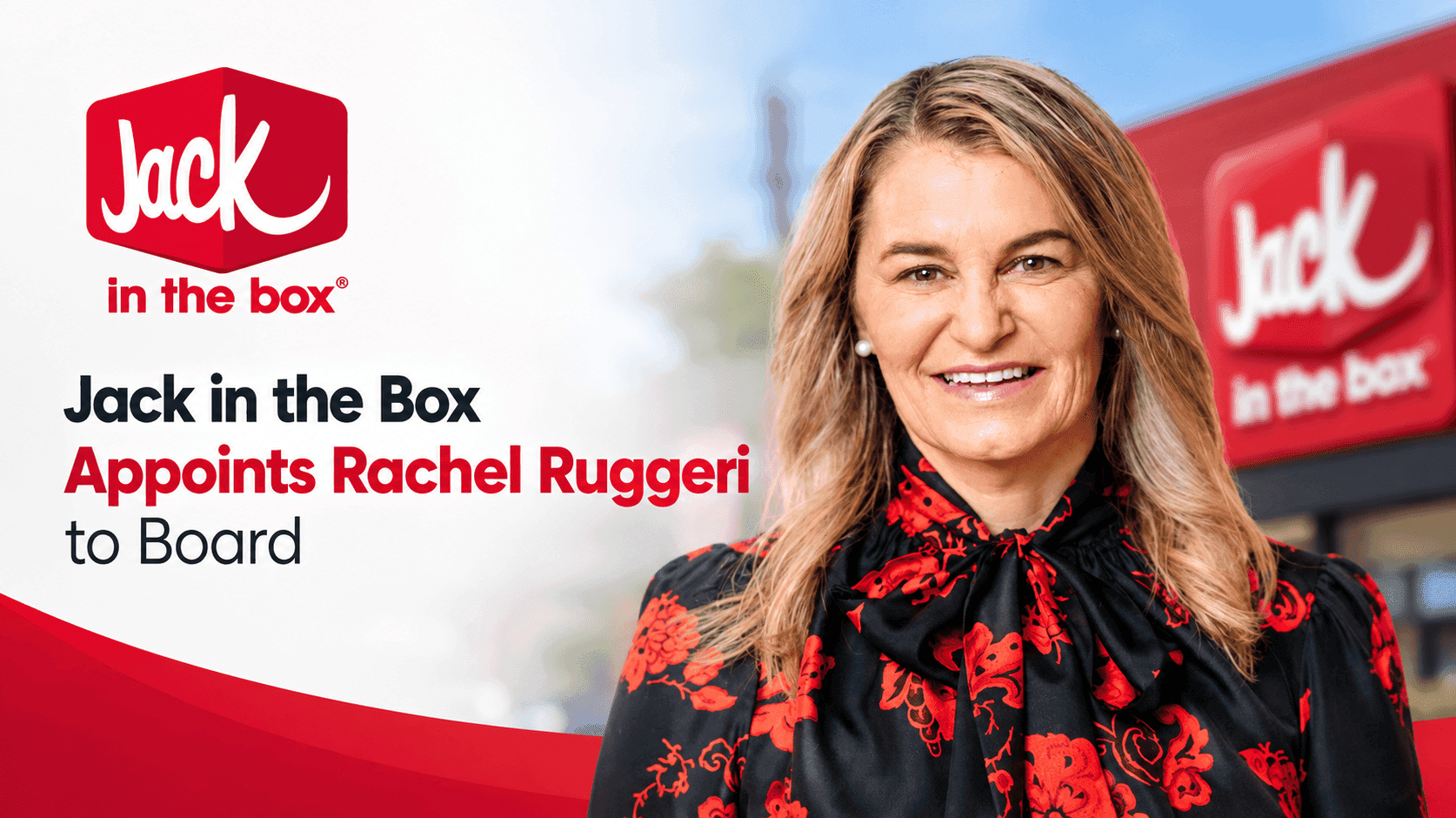
Jack in the Box names Rachel Ruggeri to its board as Michael Murphy retires, amid a CEO transition and deal with investor GreenWood.
Sep 21, 2026
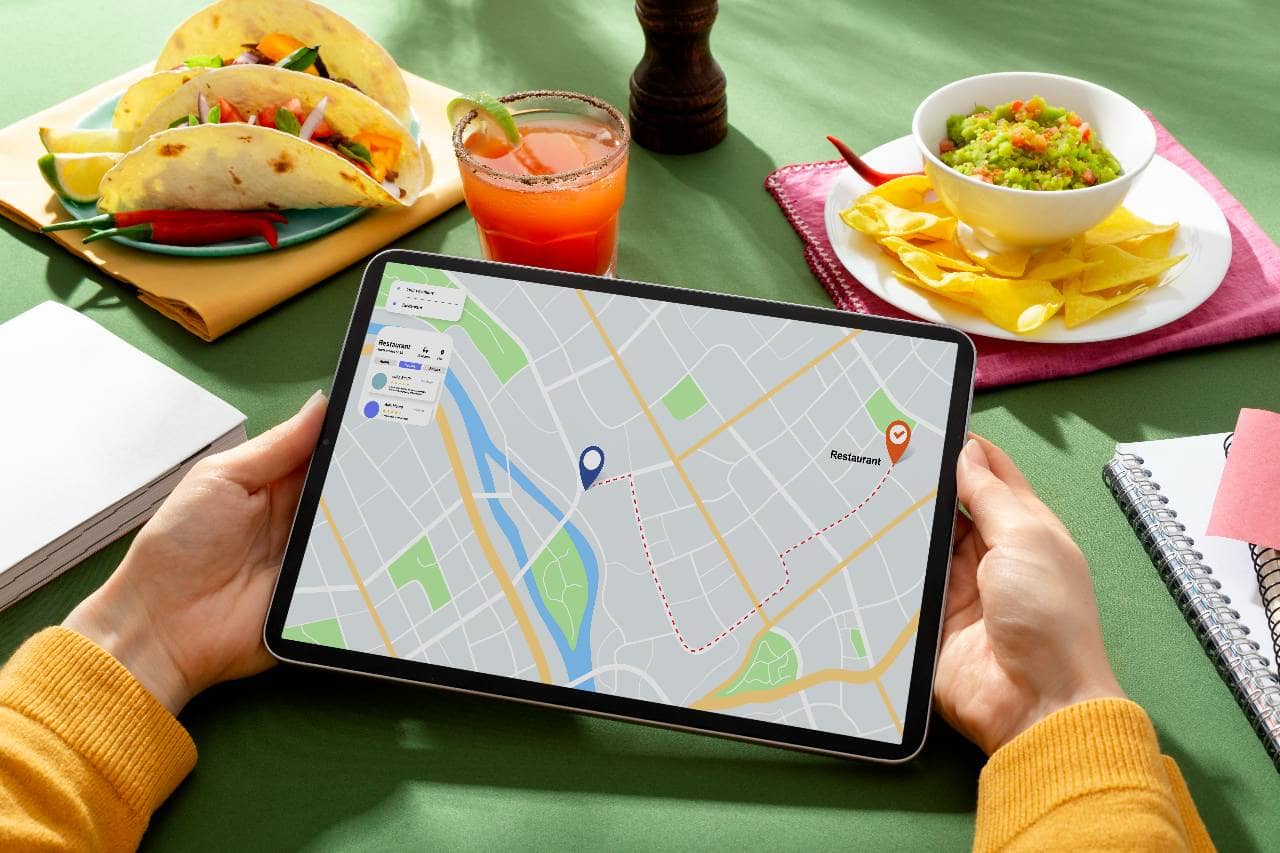
Improve restaurant Google Maps rankings by optimizing your business profile, selecting accurate categories, gathering reviews, adding photos, and strengthening local relevance signals.
Sep 21, 2026

Restaurant inventory tracking helps owners monitor stock, control food costs, reduce waste, improve purchasing, and make informed operational decisions.
Sep 21, 2026

Restaurant owners can significantly reduce restaurant costs by leveraging technology across inventory, labor, procurement, forecasting, and administrative operations for better profit margins.
Sep 18, 2026

Understand how to forecast restaurant revenue and expenses with methods for sales projection, cost scaling, fixed-cost planning, and risk buffering.
Sep 18, 2026

Unlock Exclusive Access To Webinars, Events, And The Latest News For Free!
Explore how Starbucks' transformation strategy is reshaping leadership and operations with key executive changes and a focus on sustainability.

Starbucks, under the guidance of CEO Brian Niccol, has undergone a significant transformation in its C-suite to align with the company's strategic goals. The emphasis has been on bringing teams closer together, fostering a culture of accountability, and enabling swift decision-making. This shift in leadership dynamics aims to enhance operational efficiency and drive innovation across all aspects of the business.
One of the notable changes in Starbucks' leadership team was the appointment of Cathy Smith as the Chief Financial Officer, succeeding Rachel Ruggeri. This move demonstrates the company's commitment to ensuring strong financial stewardship and strategic planning. Moreover, with the removal of the North America CEO position, Starbucks has streamlined its leadership structure to streamline decision-making and drive cohesive execution.
Mike Grams' entry into Starbucks as the Chief Operating Officer signifies a pivotal moment in the company's operational strategy. With a wealth of experience from Taco Bell and Yum Brands, Grams brings a deep understanding of customer solutions, retail performance, and supply chain management. His mandate to oversee operations, global coffee house development, and the supply chain highlights Starbucks' focus on enhancing the overall customer experience and optimizing operational efficiency.
As part of its transformation strategy, Starbucks is merging the Global Coffee and Sustainability team with the Global Brand team to embed sustainability principles across the organization. This strategic alignment underlines the company's commitment to responsible business practices and creating a positive impact on the environment. By integrating sustainability into product development, packaging, and operations, Starbucks is setting a new standard for sustainable practices in the industry.
The restructuring of executive responsibilities, such as having Michelle Burns, the executive vice president of global coffee and sustainability, report to Tressie Lieberman, the global chief brand officer, reflects Starbucks' efforts to drive operational synergy and brand cohesiveness. This alignment enables greater collaboration between teams focused on coffee quality, sustainability initiatives, and brand innovation, ultimately enhancing the overall customer experience.
The appointment of Deb Hall Lefevre as the Chief Technology Officer underscores Starbucks' commitment to leveraging technology to enhance its operations and customer engagement. By having a dedicated technology leader reporting to the CFO, the company aims to harness digital innovations for improving efficiency, streamlining processes, and staying ahead in a rapidly evolving digital landscape.
Starbucks' shift towards a more sustainable future is evident not only in its operational changes but also in its leadership realignment. By prioritizing sustainability in its decision-making processes and product development, Starbucks is not only meeting consumer expectations but also setting a benchmark for environmental responsibility within the industry. This commitment to sustainability will likely resonate with eco-conscious consumers and drive long-term brand loyalty.
As Starbucks navigates its transformation journey, the focus on leadership cohesion, operational efficiency, and sustainability will be paramount to its success. By aligning its C-suite to drive a shared vision, the company can adapt to market dynamics, innovate rapidly, and deliver exceptional experiences to its customers. With a strong leadership team in place and a renewed emphasis on sustainability, Starbucks is poised to redefine the coffee industry landscape for years to come.