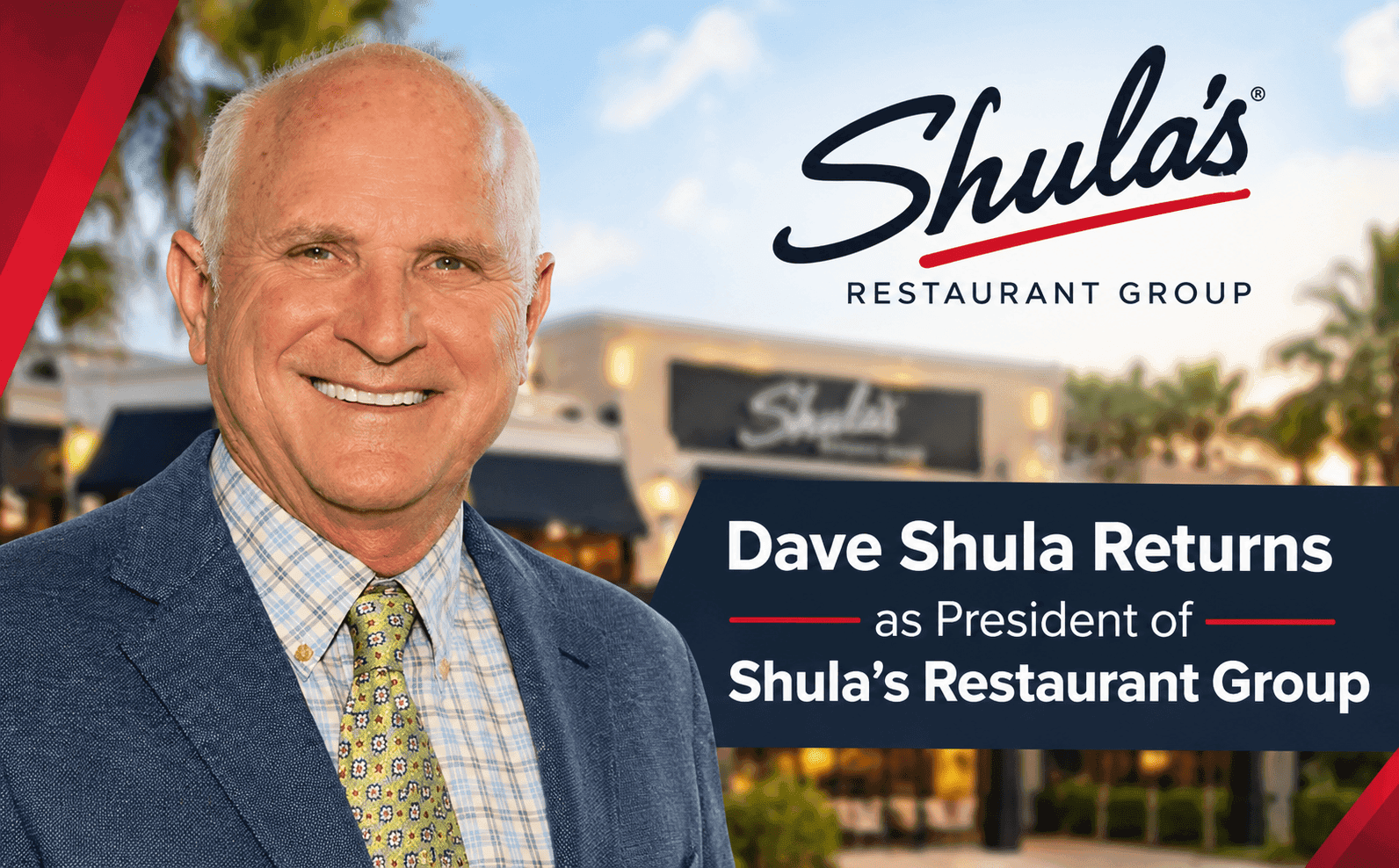
Dave Shula Returns as President of Shula's Restaurant Group
Dave Shula rejoins Shula's Restaurant Group as president, leading growth into Palm Beach Gardens and a 2027 Thomasville, Georgia expansion.
News
Sep 23, 2026
Dave Shula rejoins Shula's Restaurant Group as president, leading growth into Palm Beach Gardens and a 2027 Thomasville, Georgia expansion.
Sep 23, 2026
McDonald's commits $8.5 billion through 2036 to modernize restaurants, boost cash flow by $100,000 per store, and grow chicken and beverage sales.
Sep 23, 2026
WKS Restaurant Group promotes Jay Spongberg to president and COO after he helped grow the company from 65 to 382 restaurants over 16 years.
Sep 23, 2026

Smokey Mo's BBQ names Von Dawson, a Dine Brands veteran, as VP of Franchise Development to lead its Texas expansion strategy.
Sep 23, 2026
.png&w=3840&q=70)
Meritage Hospitality's Chapter 11 filing pulls 5% of Wendy's U.S. stores into bankruptcy, exposing cracks in franchising's bigger-is-safer bet.
Sep 21, 2026

Jack in the Box names Rachel Ruggeri to its board as Michael Murphy retires, amid a CEO transition and deal with investor GreenWood.
Sep 21, 2026
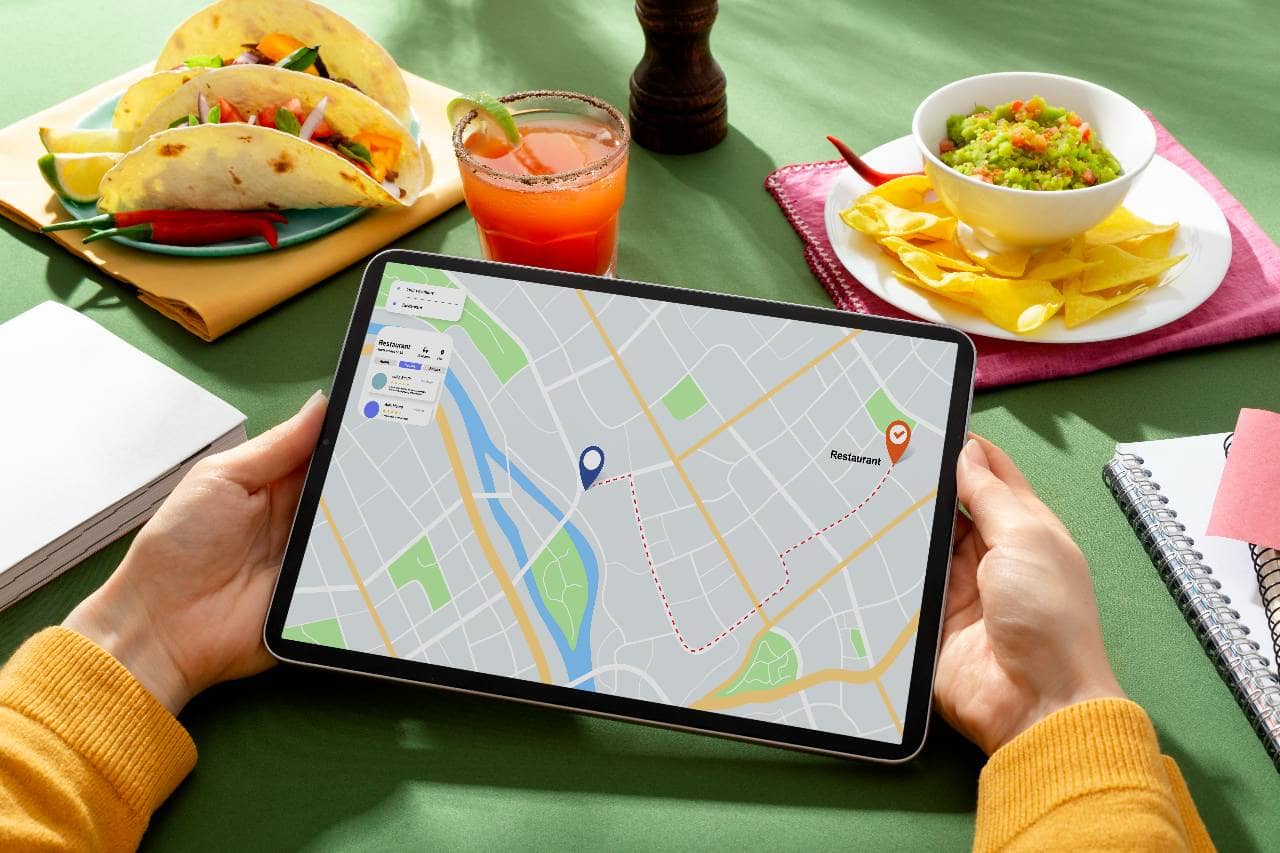
Improve restaurant Google Maps rankings by optimizing your business profile, selecting accurate categories, gathering reviews, adding photos, and strengthening local relevance signals.
Sep 21, 2026

Restaurant inventory tracking helps owners monitor stock, control food costs, reduce waste, improve purchasing, and make informed operational decisions.
Sep 21, 2026

Restaurant owners can significantly reduce restaurant costs by leveraging technology across inventory, labor, procurement, forecasting, and administrative operations for better profit margins.
Sep 18, 2026

Understand how to forecast restaurant revenue and expenses with methods for sales projection, cost scaling, fixed-cost planning, and risk buffering.
Sep 18, 2026

Unlock Exclusive Access To Webinars, Events, And The Latest News For Free!
A thoughtful look at how fast-service restaurants are embedding safety into infrastructure through cameras, lighting, guards, and real-time communications.

Photo by Lee Milo
In the fast lane of quick-service dining, speed and crowding create a delicate balancing act. Safety has emerged not as an add-on but as a strategic backbone, an operating principle that sustains daily operations, guest trust, and staff welfare. In bustling, high-traffic spaces, the risk of chaos, crime, or emergencies remains constant, and operators are learning that robust security is essential to keep doors open and to protect the experience diners expect. A layered approach, where people, technology, and protocols work in harmony, offers a thoughtful, nourishing dining environment. The question is what that layered system looks like in practice.
At its core, a layered model combines technology, trained personnel, and real-time communication. Observers describe safety as infrastructure, planned, funded, and continually refined, so that when the dining room swells, the operation stays calm. A well-orchestrated security ecosystem reduces disruptions, accelerates recovery from incidents, and underpins loyalty by preserving a sense of care. In 2026, the industry notes, this safety-first stance aligns with broader trends toward technology-enabled resilience, even when margins are tight. It’s not about fear; it’s about enabling a smooth, confident service where guests and teams can focus on nourishment.