
Craveworthy Expands to India With Genghis Grill, Dirty Dough
Craveworthy taps master franchisee Unisan Bowls to launch Genghis Grill and Dirty Dough in India, targeting Hyderabad first amid tight U.S. financing.
franchising
Jul 17, 2026
Craveworthy taps master franchisee Unisan Bowls to launch Genghis Grill and Dirty Dough in India, targeting Hyderabad first amid tight U.S. financing.
Jul 17, 2026

Buffalo Wild Wings launches Poppin’ Ranch, a 99-cent popping-candy ranch add-on, designed to spark sensory buzz and impulse trials ahead of Wing Day.
Jul 17, 2026

Wonder closed a $650M Series D at a $9B valuation to expand locations and invest in robotics, AI, and delivery tech, accelerating its automation-first restaurant model.
Jul 17, 2026

Learn how to increase restaurant sales during the World Cup final through smarter planning, staffing, promotions, inventory, menus, and operations.
Jul 16, 2026
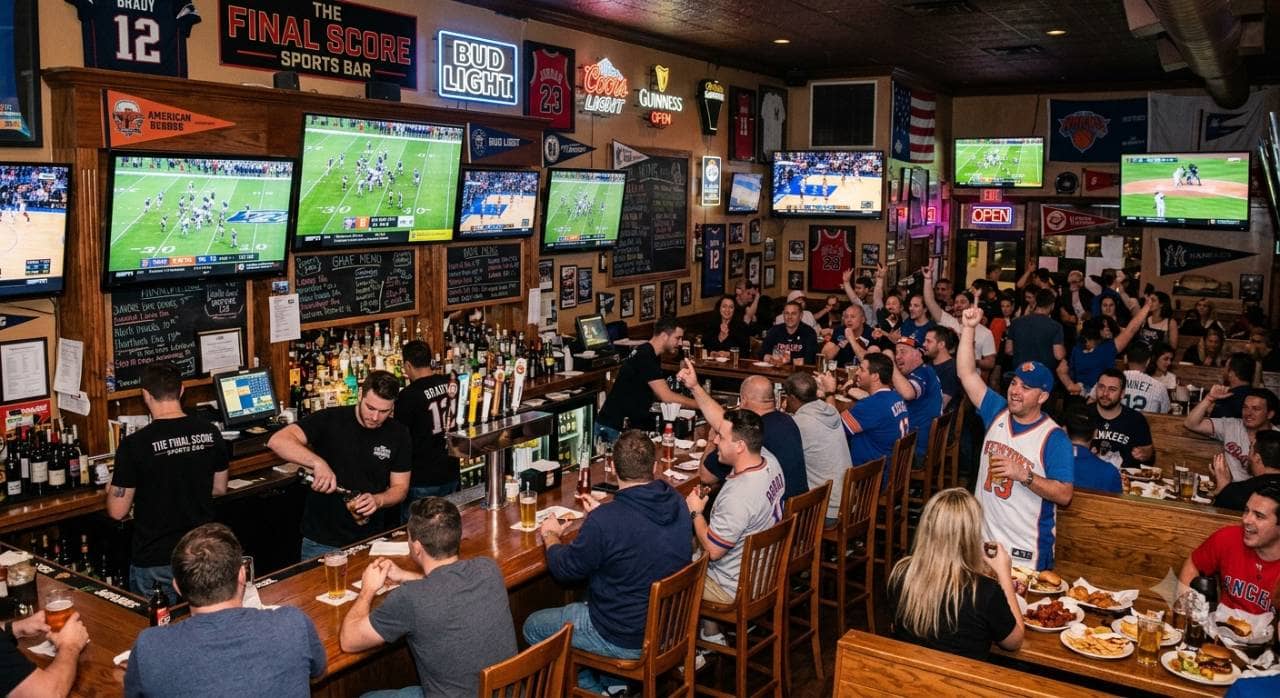
Understand sports bar startup expenses, including location, construction, kitchen equipment, televisions, licenses, insurance, staffing, supplies, and cash reserves for operations.
Jul 16, 2026

Mother-daughter duo Ciara Boyce and Tracey Pidge bring Hotworx to Wasilla, the first of four Alaska studios, extending a fast-growing 800+ location brand.
Jul 16, 2026
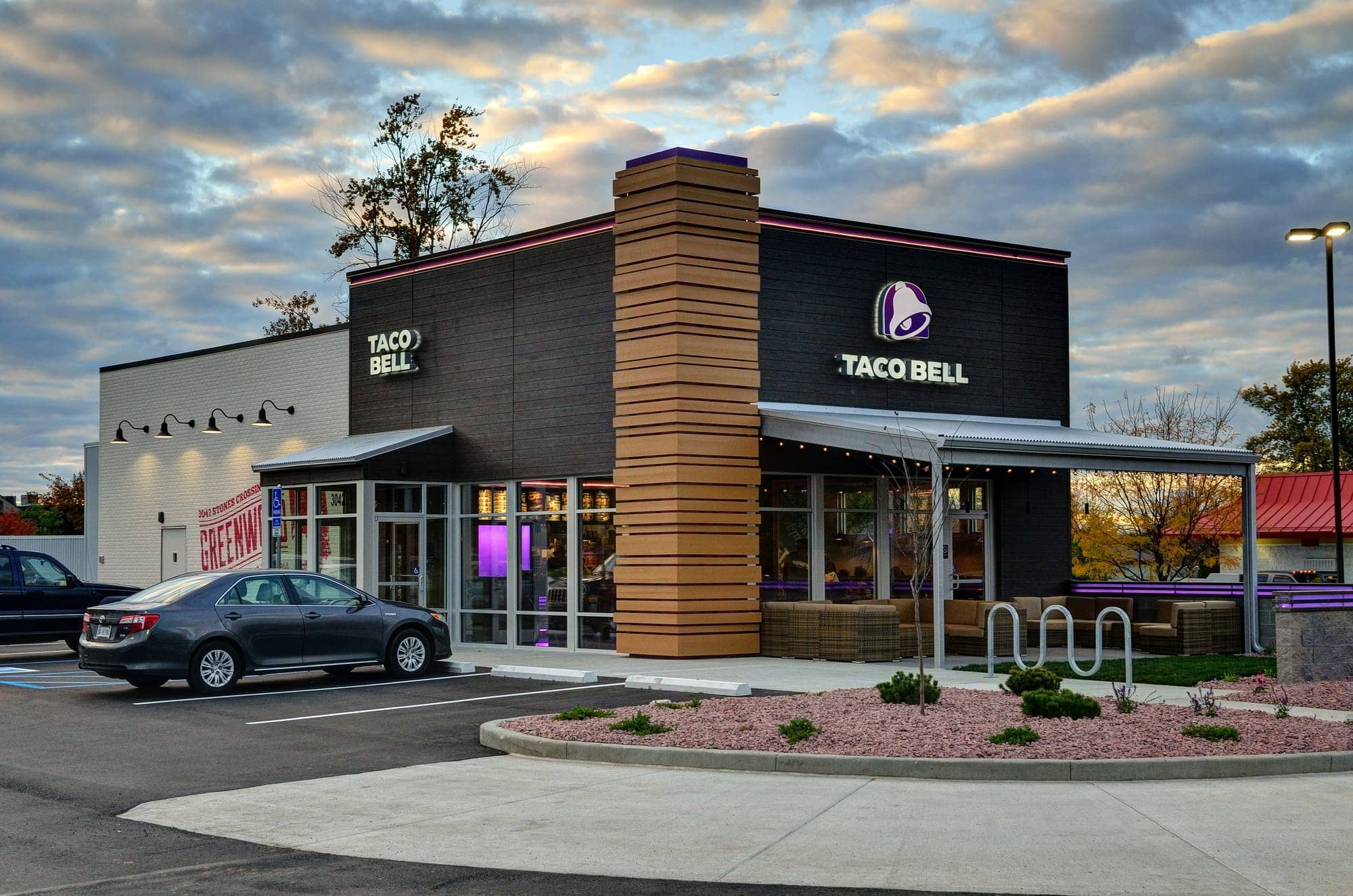
One of the largest U.S. Cyclospora outbreaks hits 34 states; Taco Bell pulls produce in Michigan as FDA and CDC trace the source.
Jul 16, 2026

Chick-fil-A will refresh 200+ multi-sensory playgrounds by 2026 to boost dine-in traffic and loyalty, adding app content and toys as rivals upgrade experiences.
Jul 16, 2026

Ex-consultant Michael Creatore acquires six Mold Medics territories across central Ohio, partnering with Threshold Brands amid a growing mold remediation market.
Jul 16, 2026

Pizza Hut launches a Throwback Value Menu, app rewards, and a streetwear drop as ownership shifts and the brand bets on nostalgia to steady sales.
Jul 16, 2026
An Opening and Closing Checklist helps restaurants stay organized, improve cleanliness, boost accountability, and ensure smooth, consistent daily operations.
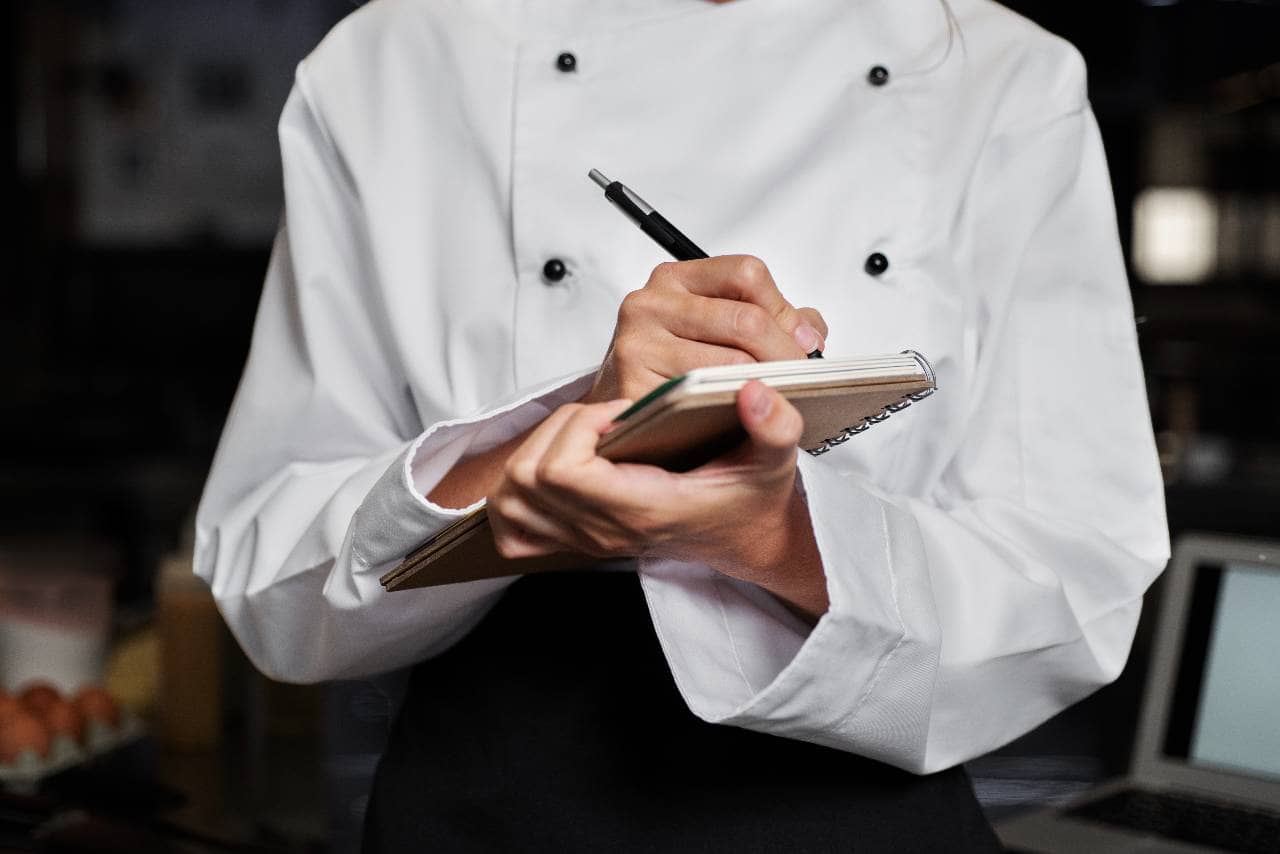
Running a restaurant is busy and unpredictable. There's always something to clean, restock, or double-check. With so much going on, it's easy for important tasks to be forgotten - especially during shift changes. That's where checklists come in. A simple opening or closing checklist helps your team stay organized and makes sure nothing important gets missed. According to a recent food service study, restaurants that follow daily checklists are 30% less likely to have health code violations or service complaints. That's a big deal, especially when your reputation depends on consistency. Opening checklists help your team start the day strong - clean spaces, stocked stations, working equipment, and a ready mindset. Closing checklists make sure everything is shut down safely and the restaurant is clean and secure for the next shift.

Daily checklists might seem simple, but they can have a big impact on how your restaurant runs. When you use them every day, they help your team stay on the same page, cut down on confusion, and avoid costly mistakes. 1. Preventing Forgotten Tasks In a busy kitchen or front-of-house environment, it's easy to overlook a task - like turning on the fryer or restocking napkins. A checklist serves as a daily reminder so nothing falls through the cracks. This keeps operations running smoothly from the moment the doors open to the final lock-up. 2. Keeping Things Clean and Safe Cleanliness is a top priority in any restaurant. With checklists, you can make sure that sanitation tasks like wiping down prep areas, emptying trash bins, and washing hands aren't skipped. These small steps add up and help you stay in line with health codes and avoid fines or bad reviews. 3. Helping New Staff Get Up to Speed Checklists are great training tools. New hires can follow them to learn their daily duties without needing constant supervision. This saves time for managers and helps new employees feel more confident in their roles. 4. Improving Team Communication When everyone knows what needs to be done and when, there's less stress and fewer mix-ups. A checklist makes expectations clear. Team members know who is responsible for what, and that helps avoid overlap or missed tasks. 5. Creating a Sense of Ownership When staff are responsible for checking off tasks, they feel more accountable for doing them right. This builds pride in their work and improves the overall quality of service and cleanliness. Checklists are part of a smoother, safer, and more consistent restaurant experience for both staff and customers.
A good opening checklist helps your team prepare the restaurant for a successful day. It covers all the small but important tasks that must be done before customers walk through the door. Without a checklist, things get missed - tables might still be dirty, equipment might not be ready, or key supplies could run out mid-service. Here's what every opening checklist should include 1. Clean and Sanitize Start with cleaning. Tables, counter-tops, prep areas, restrooms, and floors should all be wiped down and sanitized. First impressions matter, and a clean space sets the tone for the day. 2. Restock Supplies Check that all stations - front and back - have what they need. This includes utensils, napkins, condiments, cups, to-go containers, and anything else your team needs to serve guests. In the kitchen, make sure ingredients are stocked and rotated properly to avoid spoilage. 3. Inspect Equipment Turn on ovens, grills, fryers, coffee machines, and POS systems early to make sure everything works. If something's broken, it's better to catch it before the rush. 4. Set the Dining Area Wipe down chairs and menus, set up tableware, check music levels, lighting, and temperature. A welcoming atmosphere makes a big difference in guest satisfaction. 5. Review Reservations and Shift Notes Check the reservation list or prep notes from the previous night. This helps staff prepare for any special needs, large parties, or known issues. A quick morning huddle can also clarify who's working which stations and what the day's priorities are. An opening checklist gets everyone focused, organized, and ready to deliver great service. When followed daily, it helps avoid chaos, improves efficiency, and ensures your restaurant opens with confidence every time.
Just like opening tasks, your closing routine plays a huge role in keeping your restaurant running smoothly. A good closing checklist helps your team wrap up the day the right way - clean, safe, and ready for tomorrow. Without it, things get left behind, equipment may be damaged, or staff may forget to report important issues. Here are the most important items to include in a strong closing checklist 1. Clean All Stations and Equipment Every prep area, cooking station, and service counter should be thoroughly cleaned. That includes wiping down surfaces, scrubbing equipment, and sweeping and mopping floors. Leaving a clean kitchen overnight prevents pest problems and helps start the next day fresh. 2. Turn Off and Secure Equipment Make sure all equipment - grills, fryers, ovens, lights, and small appliances - are turned off or properly shut down. Not only does this prevent fire hazards, but it also helps reduce energy costs. 3. Inventory and Restocking Review Take a quick count of key items that ran low or ran out during service. This can be passed to the morning team or noted for the next delivery order. Don't forget to restock items like paper goods and prep containers for the morning shift. 4. Trash and Waste Disposal All garbage should be taken out, bins lined with new bags, and grease traps cleaned if needed. This keeps your kitchen sanitary and prevents bad smells or messes from building up overnight. 5. Secure Cash and Lock Up Count and record the cash drawer, tip-outs, and any other financial info. Lock up the register or safe, and double-check that all doors and windows are secured before leaving. A good closing checklist gives your team a clear path to end the day with confidence, and it protects your restaurant from overnight risks.
No two restaurants operate exactly the same, which is why your checklists should be tailored to your specific needs. A well-made checklist isn't just a list of tasks - it's a tool that reflects how your restaurant runs, who's doing what, and what needs to be done every single shift. Customizing it makes it more effective and more likely to be followed by your team. 1. Start with a Master List Write down every task that needs to happen during opening and closing. Include cleaning, stocking, prep, setup, shutdown, and anything else your team handles. Walk through your space mentally (or physically) from the front door to back exit to catch everything. 2. Break It Down by Role Don't make one long list for everyone. Instead, break tasks down by position - line cook, server, dishwasher, manager, etc. This makes it easier for each person to focus on their own responsibilities and avoids confusion or duplicated effort. 3. Keep It Simple and Clear Avoid long explanations or vague tasks. Instead of "clean the front," say wipe down tables, sweep floor, sanitize door handles. The more direct the task, the less room for misunderstanding. 4. List Tasks in Order Organize the checklist in the order tasks should be completed. This helps the flow of the shift and keeps things moving in a logical way. It also prevents key steps from being skipped when someone is in a rush. 5. Get Team Input Ask your team what they do each shift and where things often get missed. Their feedback will help make the checklist more realistic and useful. When staff help create it, they're more likely to take it seriously. Building your own checklist takes a little effort upfront, but it pays off every day with smoother shifts and better teamwork.
Creating a checklist is just the first step. To make sure it actually helps your restaurant, your team needs to understand why it matters and how to use it properly. Training staff to follow opening and closing routines builds good habits, reduces mistakes, and helps everyone work together smoothly. 1. Introduce the Checklist Early New employees should learn about the checklist from day one. Walk them through each task during orientation and explain how it fits into the bigger picture. When they see how their work affects the whole operation, they're more likely to take it seriously. 2. Use Hands-On Demonstrations Showing staff how to complete each task is more effective than just handing over a paper list. Take time to demonstrate proper cleaning techniques, equipment startup, or cash handling. Let them practice while you observe and give feedback. 3. Pair New Hires with Experienced Staff Mentoring helps new employees get comfortable with routines faster. Experienced team members can answer questions and provide tips on how to be efficient and thorough. 4. Hold Regular Reviews Checklists aren't "set it and forget it." Use daily or weekly meetings to review checklist use, address questions, and highlight any missed steps. This keeps routines fresh and lets staff share ideas for improvements. 5. Encourage Open Communication Create a culture where staff feel comfortable reporting problems or suggesting changes to the checklist. If something doesn't make sense or is hard to complete, they should speak up. This keeps the checklist practical and relevant. 6. Make It Part of the Routine Consistency comes from repetition. Encourage your team to use the checklist every shift until it becomes second nature. Over time, it will feel less like extra work and more like a natural part of the job. By investing time in training and supporting your team, you'll turn your checklists into powerful tools that keep your restaurant running smoothly day after day.
Creating a checklist and training your team are important steps, but keeping everyone consistent is where many restaurants struggle. Without ongoing discipline and clear accountability, checklists can easily be ignored or rushed, defeating their purpose. To get the most out of your opening and closing routines, you need to build habits that stick and ensure everyone knows their responsibilities. 1. Assign Responsibility for Each Shift Make it clear who is in charge of completing the checklist during each shift. This could be a shift lead, manager, or even a designated team member. When someone owns the process, tasks are more likely to be done thoroughly and on time. 2. Require Sign-Offs or Verifications Have staff sign or initial the checklist once they finish it. This simple step encourages accountability because it shows that someone has taken responsibility. It also helps managers quickly check that tasks were completed without having to ask repeatedly. 3. Conduct Random Spot Checks Managers or supervisors should occasionally review completed checklists and inspect the restaurant to confirm tasks were done properly. Spot checks reinforce the importance of following procedures and catch any missed steps early. 4. Update Checklists Regularly Your restaurant changes over time, and so should your checklists. Regularly review and update them based on staff feedback, new equipment, or changes in daily operations. Keeping the checklist relevant helps maintain buy-in from your team. 5. Encourage Positive Reinforcement Recognize and praise staff members who consistently follow checklists well. Positive feedback motivates others and helps create a culture that values attention to detail and teamwork. 6. Address Issues Quickly and Fairly If tasks are repeatedly missed or checklists ignored, address the issue promptly with the involved team members. Use these moments as coaching opportunities rather than punishment to help improve performance. By maintaining discipline and clear accountability, your opening and closing checklists become trusted tools that improve your restaurant's efficiency and quality every day.
Checklists are more than just lists of tasks. They help keep your restaurant organized and running smoothly. When your team uses checklists every day, it makes their work easier and helps avoid mistakes. It's important that your staff see checklists as helpful tools, not extra work. When they understand how checklists make things simpler and keep the restaurant safe and clean, they will be more willing to follow them. Keep checklists where everyone can see and use them easily. Whether it's on a wall, a clipboard, or a simple sheet, having the checklist in plain sight helps staff remember what needs to be done. Make sure to update your checklists if things change or if your team has suggestions. This shows that you listen and want to make the process better. Encourage your staff to speak up if something on the checklist doesn't make sense or is hard to do. When they help improve the checklist, they feel more responsible and take more care in their work. Remember, checklists are there to help everyone do their job well. Doing these small tasks every day will help your restaurant run better and keep your customers happy.
