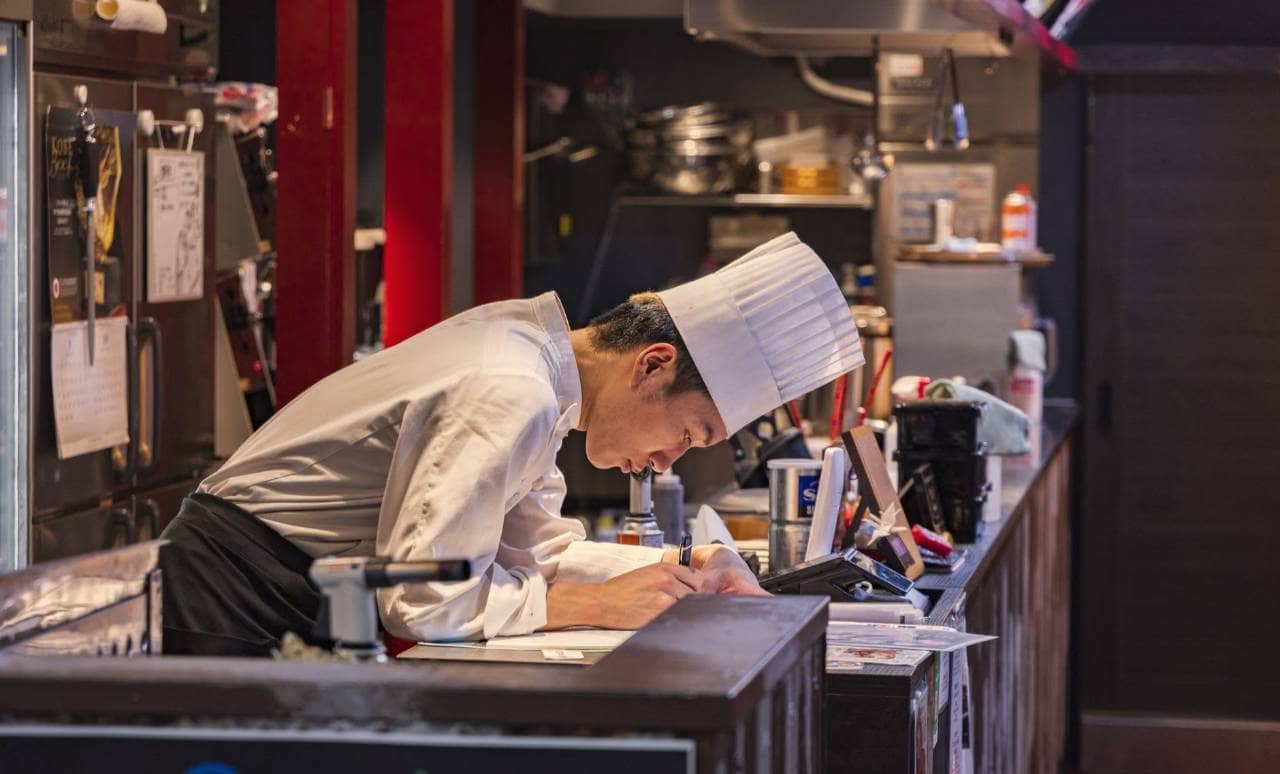
How to Calculate Cost of Goods Sold for a Restaurant
Learn how to calculate restaurant cost of goods using inventory, purchases, COGS percentage, variance reviews, and regular tracking for profitability.
Accounting
Aug 31, 2026
Learn how to calculate restaurant cost of goods using inventory, purchases, COGS percentage, variance reviews, and regular tracking for profitability.
Aug 31, 2026
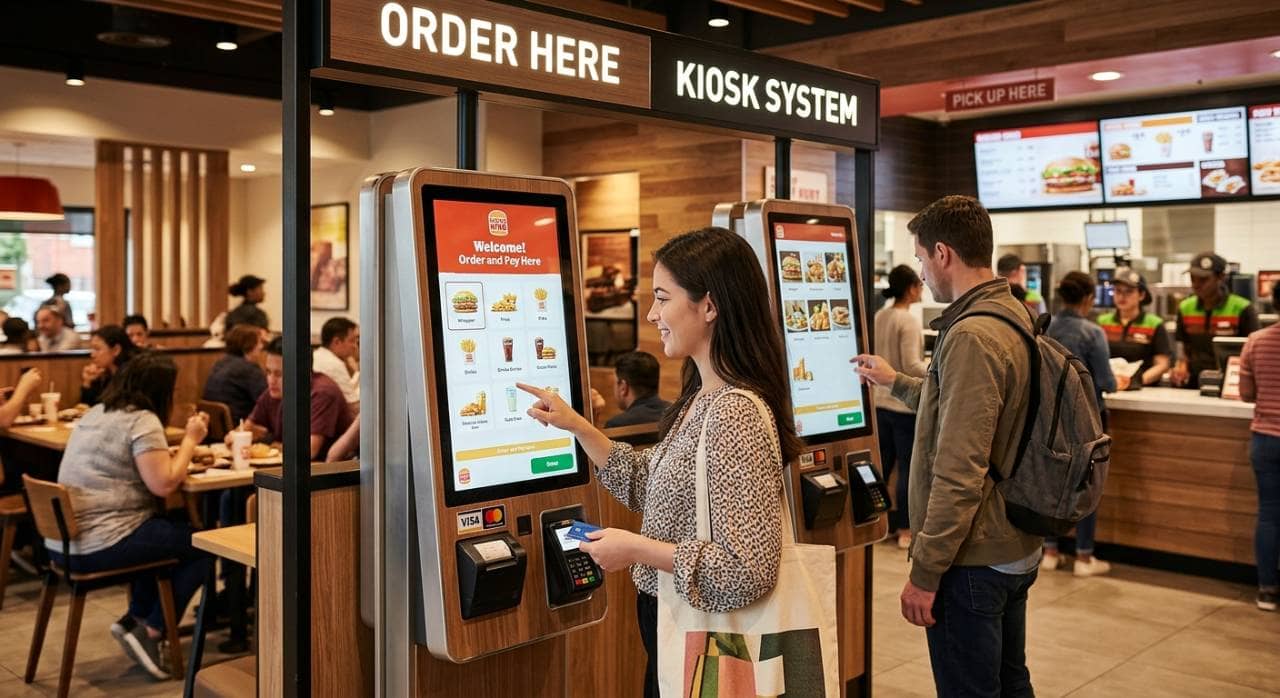
Understand how to evaluate a Kiosk system using key criteria including features, POS integration, hardware, pricing, customer experience, and support.
Aug 31, 2026

Explore restaurant technology trends in 2026, including AI, automation, digital ordering, workforce tools, connected kitchens, personalization, and profitability strategies today.
Aug 28, 2026
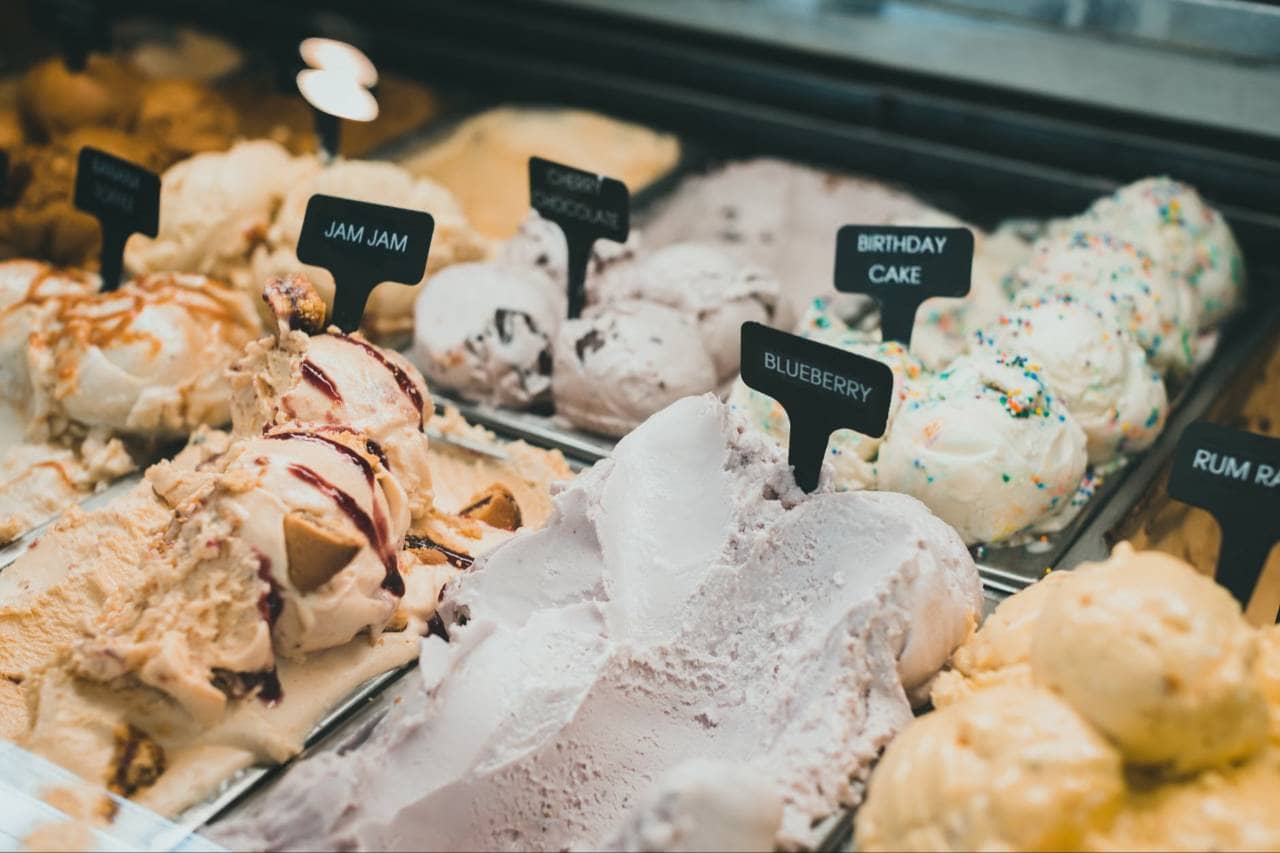
Learn the startup costs of opening an ice cream shop, including rent, equipment, renovations, permits, inventory, labor, marketing, and reserves.
Aug 28, 2026
RaceTrac has appointed Jill Pemberton as chief financial officer, succeeding Karla Ahlert, who moves into the newly created role of chief administrative officer.
Aug 26, 2026
Learn practical ways to reduce labour costs through smarter scheduling, forecasting, productivity, cross-training, automation, overtime control, and performance monitoring strategies.
Aug 26, 2026

A restaurant P&L statement reveals sales, expenses, and profits, helping owners manage costs, improve margins, and plan finances more effectively.
Aug 26, 2026

Create a practical restaurant marketing plan by setting goals, targeting customers, choosing channels, budgeting wisely, scheduling campaigns, and measuring results.
Aug 24, 2026

Levain Bakery appoints Lorna Sommerville and Taya Stenson as co-CEOs, blending operational and marketing expertise to power national expansion and innovation while staying rooted in its brand values.
Aug 25, 2026
A payroll advance policy helps restaurant owners define eligibility, limits, repayment, documentation, approval procedures, and compliance requirements for employee advances.
Aug 24, 2026

Unlock Exclusive Access To Webinars, Events, And The Latest News For Free!
Explore the impact of consumer confidence on restaurant traffic and how savvy brands use value propositions to attract customers and drive sales.

Photo by Luca Cavallin

Photo by Luca Cavallin
Consumer confidence serves as a pivotal factor in determining the behavior of customers in the restaurant industry. As a forward-looking indicator, it offers valuable insights into how consumers will act in the coming weeks and months. Various macroeconomic indicators remain stable, yet the decline in restaurant traffic highlights the impact of consumer sentiment. Factors such as inflation, wages, and fuel costs continue to influence consumer decisions, making it crucial for restaurant brands to navigate these trends effectively.
Photo by Luca Cavallin
Historical instances of traffic declines, such as those observed between 2009 to 2011, were primarily driven by rising gas prices and high unemployment rates. The COVID-19 pandemic further exacerbated the situation, leading to a significant year-over-year drop in traffic due to public health restrictions and inflation. While price hikes have contributed to the recent decline in traffic, menu price inflation has shown a decrease from previous quarters, indicating a shift in consumer perception towards pricing.

Photo by Luca Cavallin
Consumer perception of pricing plays a crucial role in shaping their spending habits. Despite menu price inflation stabilizing, a substantial number of survey respondents still perceive restaurant prices to be higher than before. This discrepancy between perception and reality highlights the importance of addressing consumer price sensitivity effectively. Restaurant brands need to focus on not just price stabilization but also on managing consumer perceptions to attract and retain customers.
Photo by Luca Cavallin
Individual restaurant brands may have limited influence on overall consumer confidence, but they can leverage strategic value propositions to capitalize on consumer price sensitivity and enhance brand loyalty. By offering compelling value plays, brands like McDonald’s, Taco Bell, and Chili’s have successfully attracted customers and increased sales. McDonald’s, for instance, introduced a new $5 Meal Deal and utilized its loyalty program to drive transactions. Taco Bell focused on value offerings and innovative menu additions, driving growth in same-store sales. Chili’s differentiated itself by emphasizing comparative value against fast food options, effectively reshaping consumer perceptions.