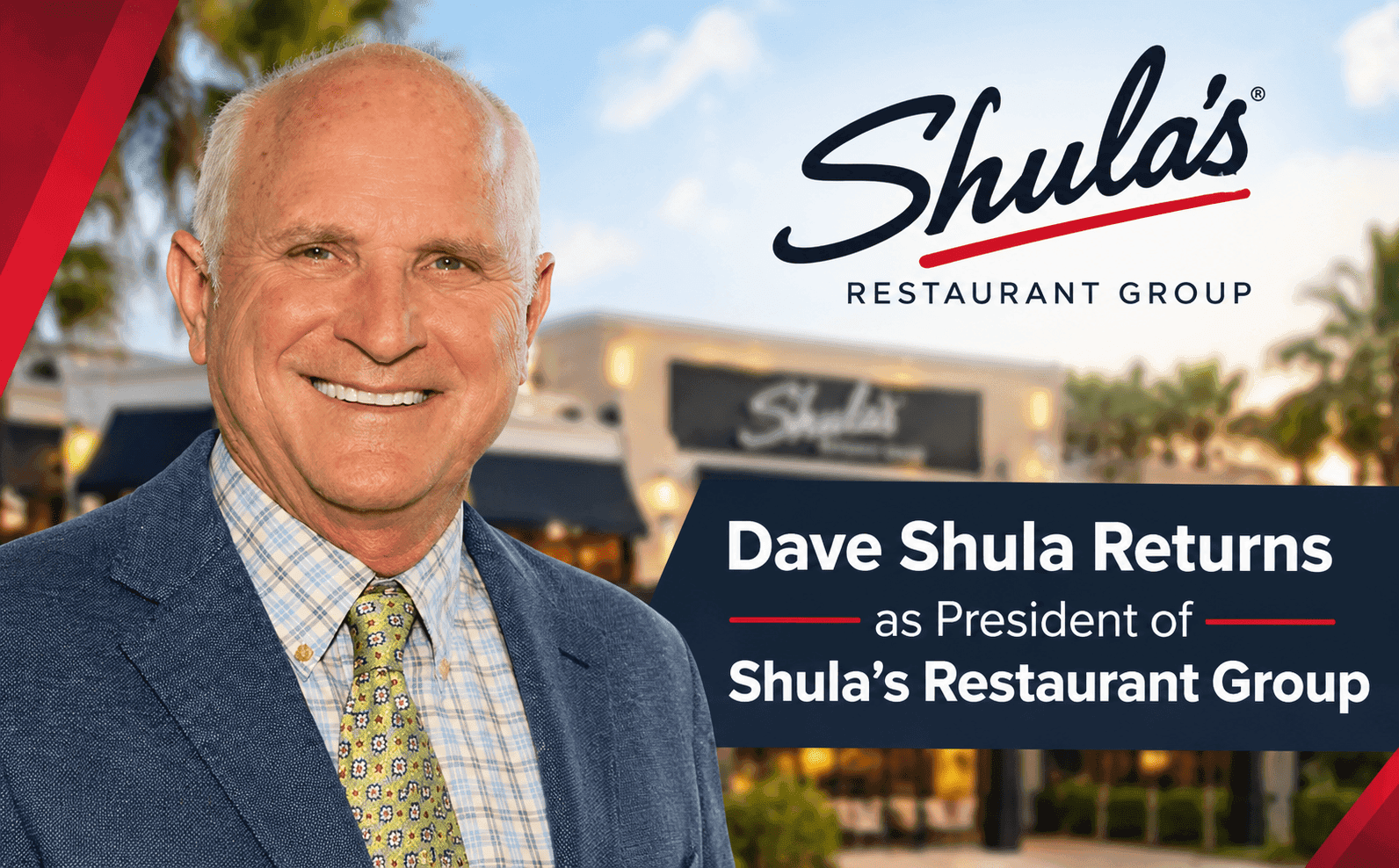
Dave Shula Returns as President of Shula's Restaurant Group
Dave Shula rejoins Shula's Restaurant Group as president, leading growth into Palm Beach Gardens and a 2027 Thomasville, Georgia expansion.
News
Sep 23, 2026
Dave Shula rejoins Shula's Restaurant Group as president, leading growth into Palm Beach Gardens and a 2027 Thomasville, Georgia expansion.
Sep 23, 2026
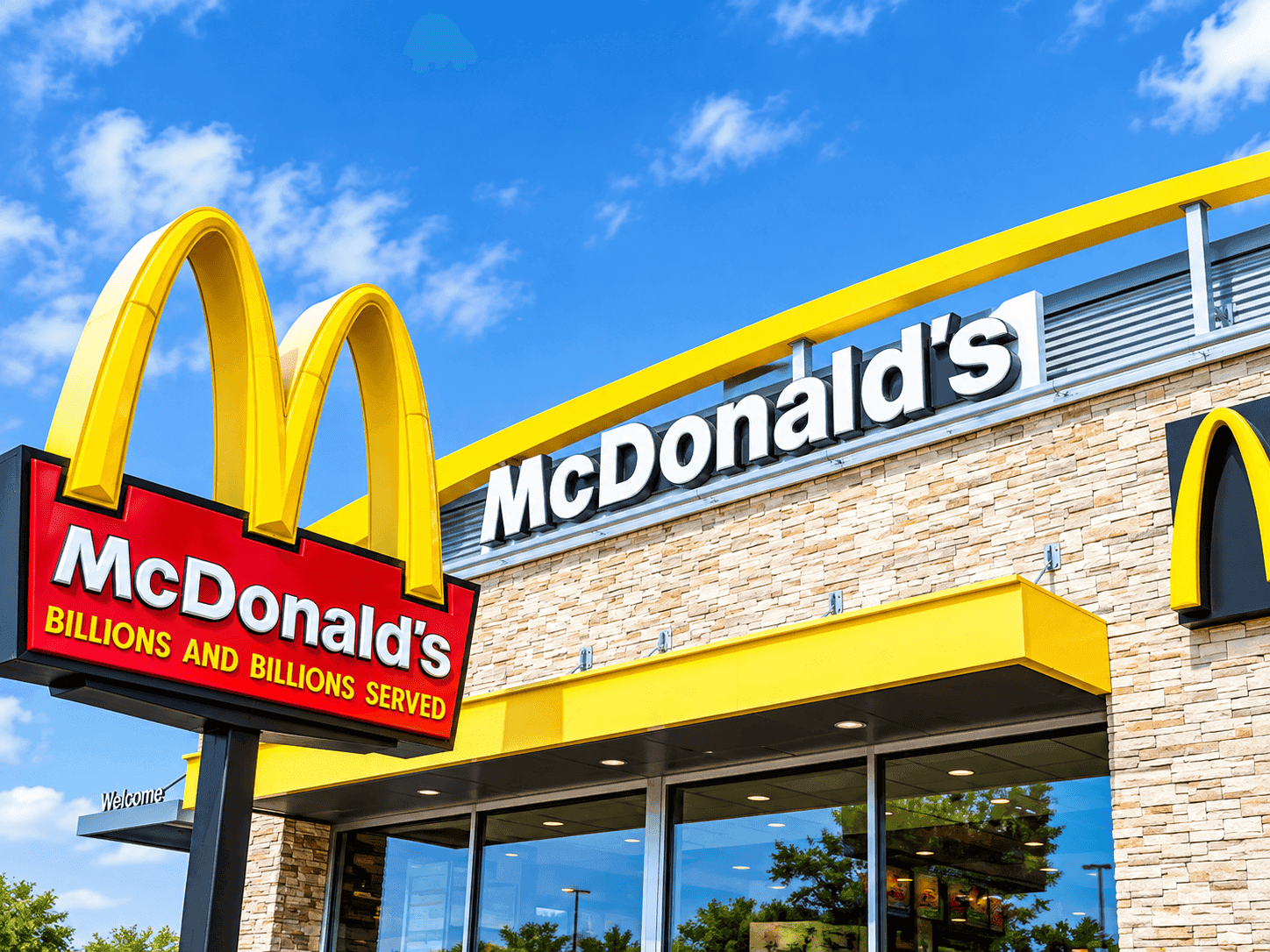
McDonald's commits $8.5 billion through 2036 to modernize restaurants, boost cash flow by $100,000 per store, and grow chicken and beverage sales.
Sep 23, 2026
WKS Restaurant Group promotes Jay Spongberg to president and COO after he helped grow the company from 65 to 382 restaurants over 16 years.
Sep 23, 2026

Smokey Mo's BBQ names Von Dawson, a Dine Brands veteran, as VP of Franchise Development to lead its Texas expansion strategy.
Sep 23, 2026
.png&w=3840&q=70)
Meritage Hospitality's Chapter 11 filing pulls 5% of Wendy's U.S. stores into bankruptcy, exposing cracks in franchising's bigger-is-safer bet.
Sep 21, 2026
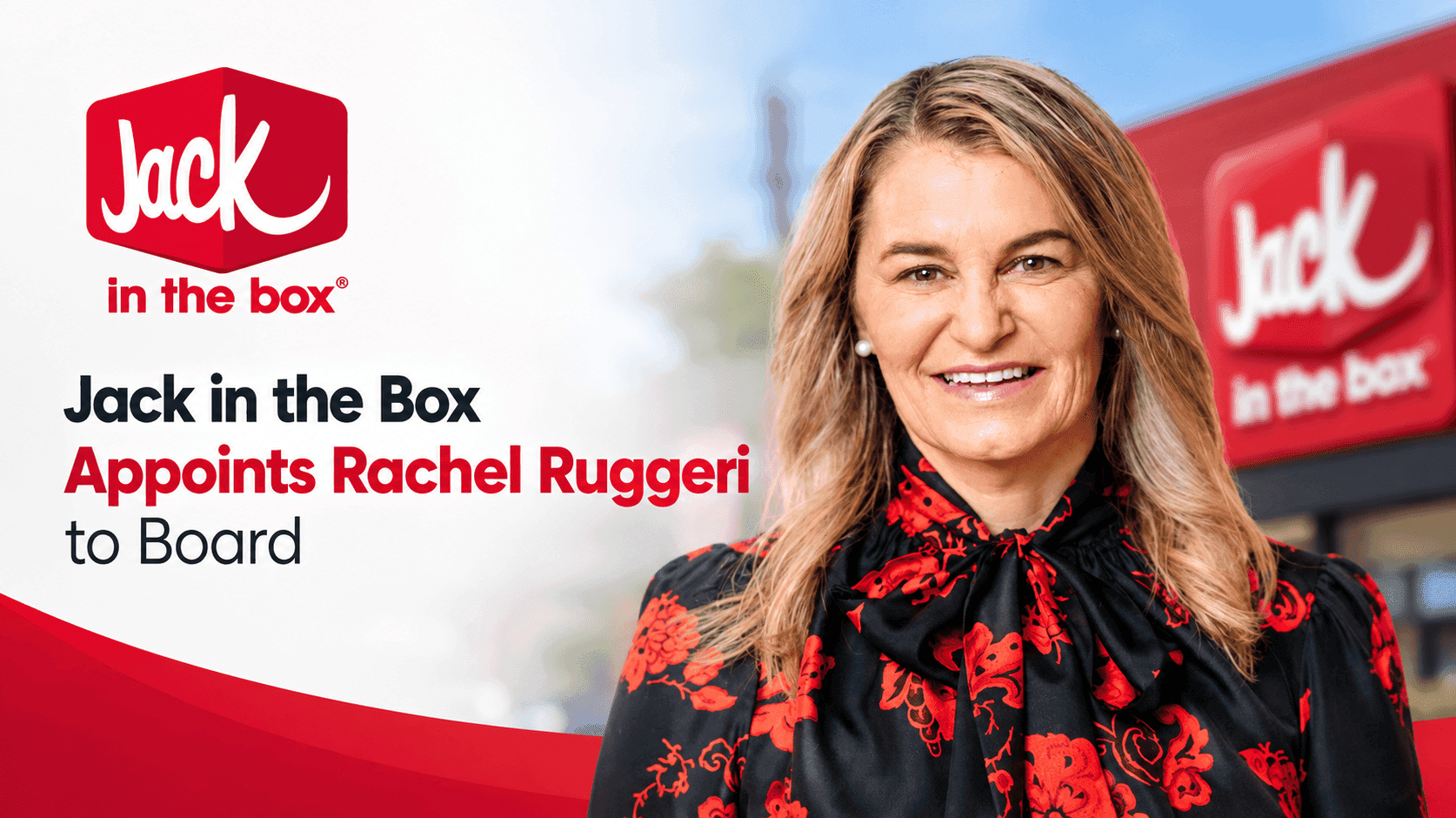
Jack in the Box names Rachel Ruggeri to its board as Michael Murphy retires, amid a CEO transition and deal with investor GreenWood.
Sep 21, 2026

Improve restaurant Google Maps rankings by optimizing your business profile, selecting accurate categories, gathering reviews, adding photos, and strengthening local relevance signals.
Sep 21, 2026

Restaurant inventory tracking helps owners monitor stock, control food costs, reduce waste, improve purchasing, and make informed operational decisions.
Sep 21, 2026

Restaurant owners can significantly reduce restaurant costs by leveraging technology across inventory, labor, procurement, forecasting, and administrative operations for better profit margins.
Sep 18, 2026

Understand how to forecast restaurant revenue and expenses with methods for sales projection, cost scaling, fixed-cost planning, and risk buffering.
Sep 18, 2026

Unlock Exclusive Access To Webinars, Events, And The Latest News For Free!
Learn about the recent E. coli outbreak potentially linked to McDonald's, the safety measures taken, and responses from the company and related suppliers.
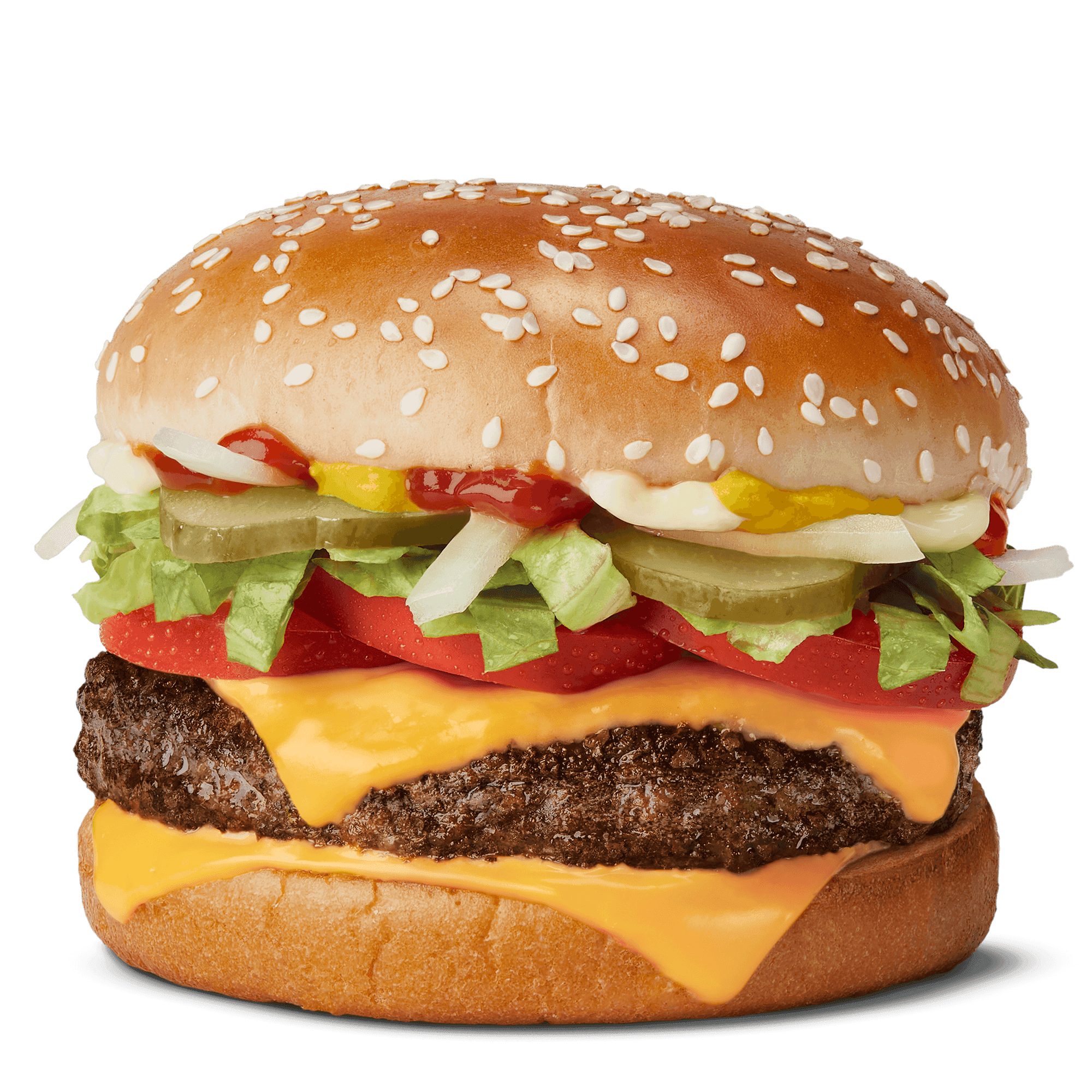
The E. coli outbreak connected to McDonald's has raised significant concerns regarding food safety. The Centers for Disease Control and Prevention (CDC) first reported the outbreak to McDonald's following 49 identified cases and one fatality across 10 states. The outbreak is believed to be linked to the consumption of slivered onions used in McDonald's Quarter Pounder burgers.
In response to the outbreak, McDonald's took swift action by removing the suspected slivered onions from affected restaurants in states such as Colorado, Kansas, Utah, and others. By eliminating the potential source of contamination, McDonald's aimed to mitigate further risks to its customers.
Following the outbreak, McDonald's supplier, Taylor Farms, voluntarily recalled yellow onions produced in its Colorado facility as a precautionary measure. This recall demonstrates the proactive approach taken by suppliers in ensuring food safety. Additionally, major distributors like US Foods issued recall notices for products sourced from Taylor Farms, emphasizing the broader industry response to such incidents.
The impact of the E. coli outbreak has extended to other restaurant chains beyond McDonald's. Colorado-based Illegal Pete's, although not linked to any E. coli cases, disposed of onions obtained from the affected supplier, showcasing a commitment to customer safety. Taco Bell also removed onions from its menu in response to the evolving situation, highlighting the cautious approach adopted by various food establishments.
Foodborne diseases, including E. coli infections, affect millions of individuals annually, leading to thousands of fatalities. The recent events underscore the ongoing challenge of ensuring food safety in the food industry and the importance of collaborative efforts between regulators, suppliers, and restaurants to prevent such outbreaks.
As investigations continue, collaboration between McDonald's, regulatory bodies like the FDA and CDC, suppliers, and distributors remains crucial in identifying the root cause of the outbreak and implementing preventive measures. This incident serves as a reminder of the vigilance required to uphold food safety standards and protect consumers from potential risks.