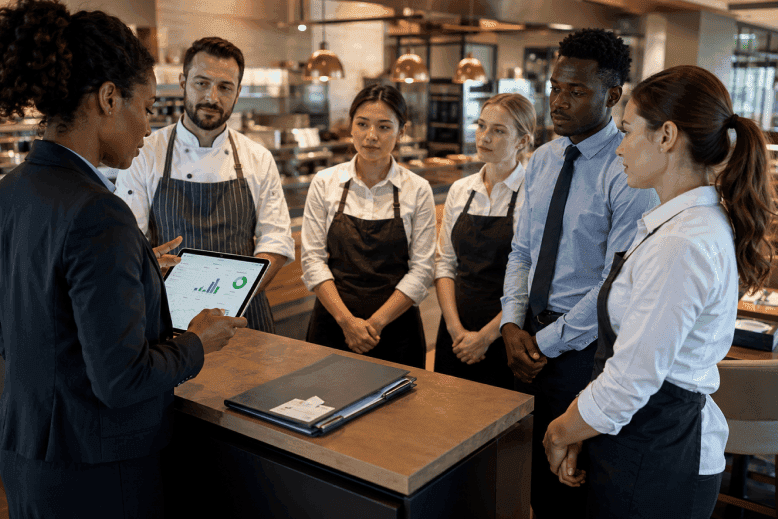
Summer 2026 Restaurant Labor Law Updates
Stay compliant with key restaurant labor regulations in Summer 2026, including minimum wage increases, scheduling laws, and retirement requirements.
business management
Jul 24, 2026
Stay compliant with key restaurant labor regulations in Summer 2026, including minimum wage increases, scheduling laws, and retirement requirements.
Jul 24, 2026
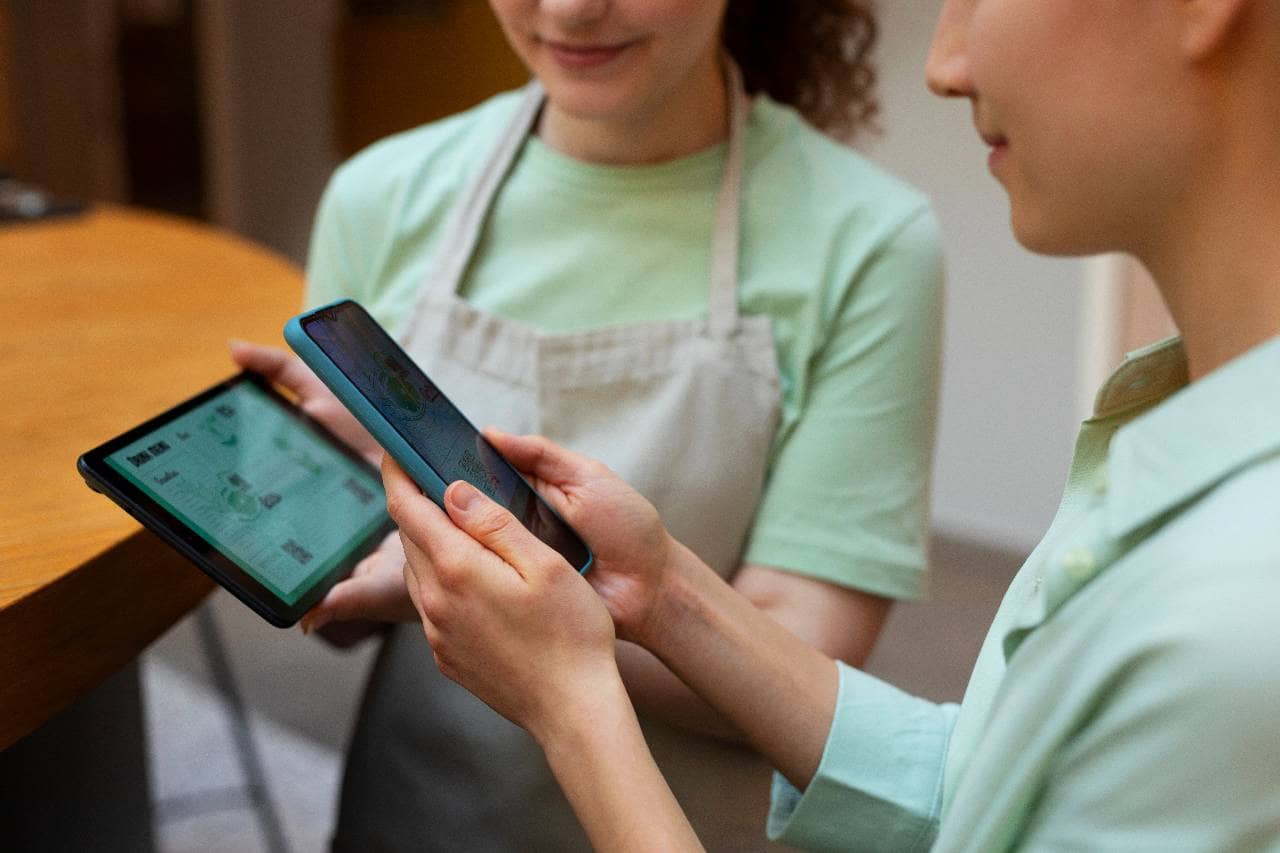
Discover how restaurant apps help owners manage labor, payroll, inventory, food safety, reporting, and back-office operations more efficiently every day.
Jul 24, 2026
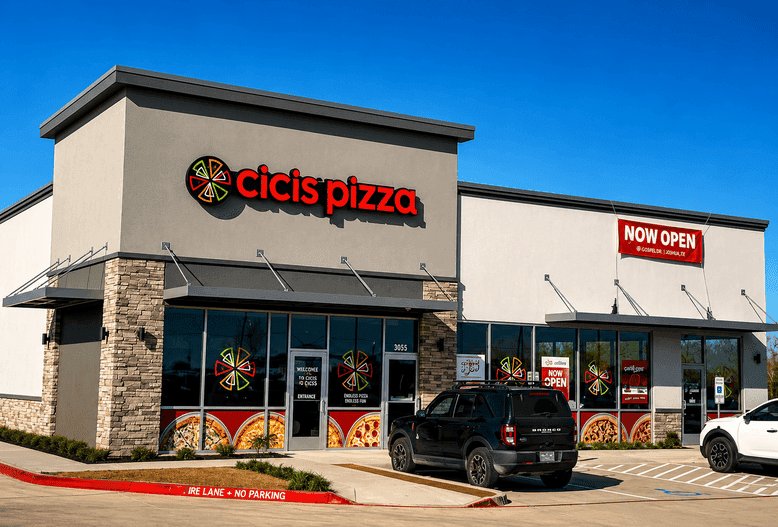
Cicis Pizza’s systemwide sales have surged over 50%, fueled by digital innovation, modern operations, and a revamped franchise strategy. Learn what restaurant owners can take away from Cicis’ transformation.
Jul 24, 2026
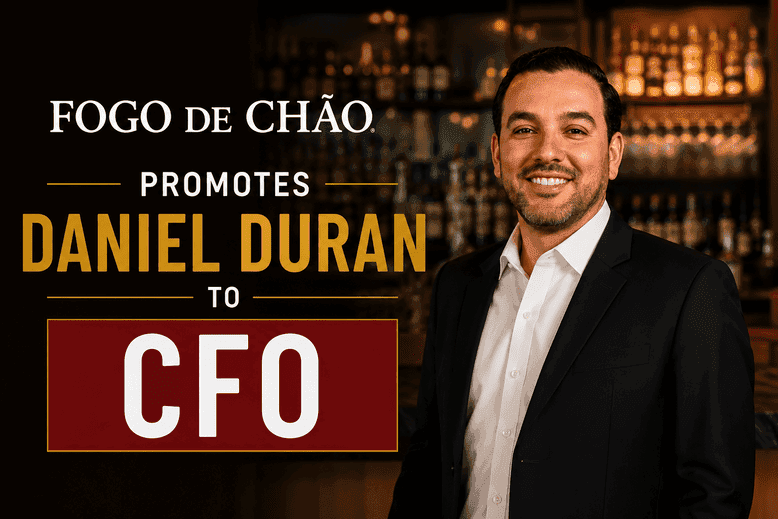
Fogo de Chão has announced Daniel Duran as its new CFO, marking a strategic leadership transition designed to enhance global growth and financial innovation for the renowned restaurant brand.
Jul 24, 2026

Learn how to calculate, benchmark, track, and improve restaurant payroll percentage while balancing staffing costs, sales, service, and profitability effectively.
Jul 24, 2026
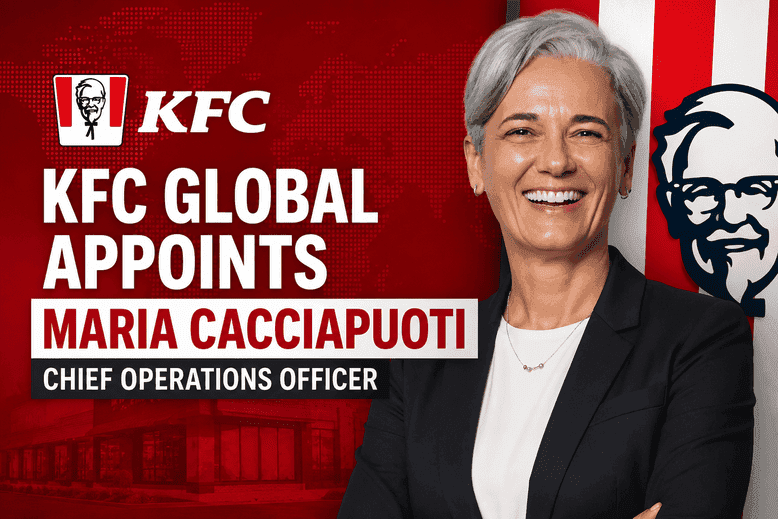
KFC Global has selected experienced leader Maria Cacciapuoti as its new Chief Operations Officer. Discover how her extensive expertise will help shape KFC’s global operations and franchise partnerships.
Jul 23, 2026
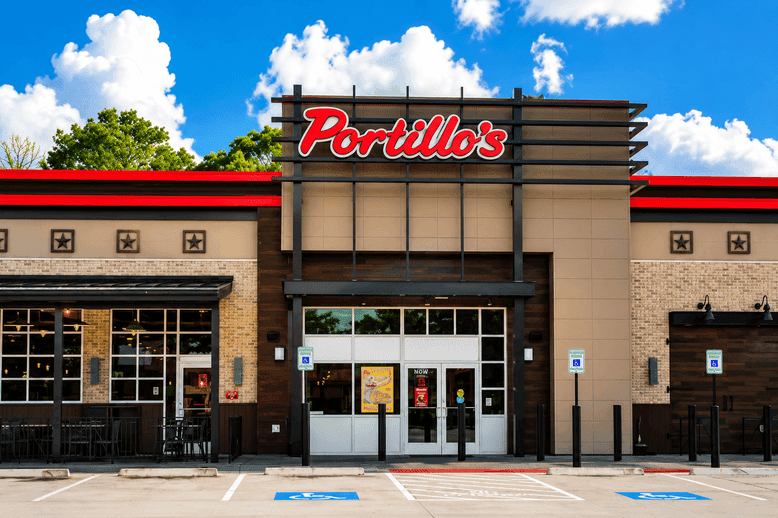
Portillo’s welcomes industry veteran Christopher Hansen as Executive Chef and Senior Director of Culinary Innovation to steer menu strategy and fuel national growth.
Jul 23, 2026
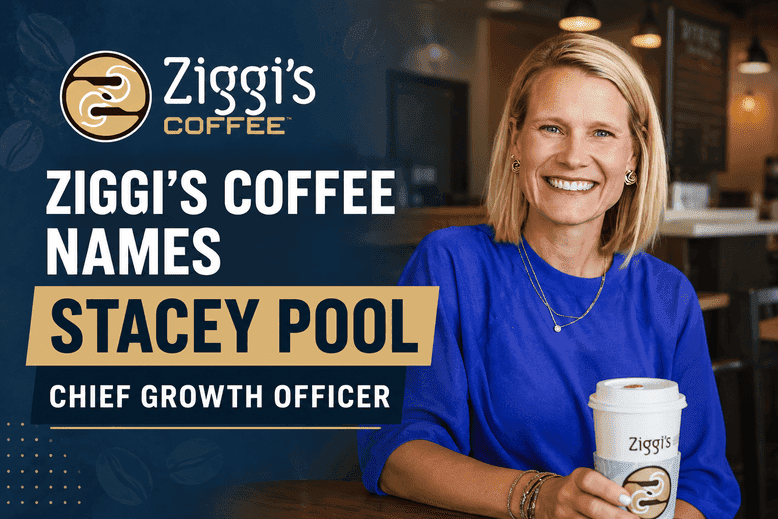
Ziggi’s Coffee welcomes Stacey Pool as Chief Growth Officer to spearhead national expansion and enhance franchise profitability as the brand celebrates a decade of franchising success.
Jul 23, 2026

Cinnabon grows 30% in U.S. units, adding 308 net stores as flexible formats expand into travel centers and convenience; 95 more openings forecast and 359 in pipeline.
Jul 22, 2026

QDOBA targets 2,000 restaurants in 10 years, powered by franchising and recent securitizations, aiming for $5B sales, $2.7M AUV, and 28% margins.
Jul 22, 2026
Silence between visits erodes restaurant loyalty. Data-driven recognition, smart triggers, and small gestures boost repeat visits, retention, and profits.

Photo by Patrick Tomasso
Rising food costs get the blame. The quiet between visits does more damage. Deloitte found that 72 percent of consumers say loyalty programs make them more likely to spend with a brand they already visit, and 56 percent actively increase their spending because of them. Loyalty members visit 22 percent more frequently per year than nonmembers, a rhythm that comes from being noticed and remembered. Acquiring a new customer costs five to twenty-five times more than retaining an existing one, and when a shopper drifts, 68 percent of those who leave never register a complaint. The bill is steep, and the warning bell is silence.
The first return visit often decides whether a habit takes root. Discounts still open doors, yet modern guests want more than a bargain. Four in ten Americans now exhibit deal-driven, cost-conscious, or trade-down behaviors, and up to forty percent of a brand’s perceived value comes from experience, quality, and loyalty programs. Price, value, and quality remain the top drivers of loyalty across age and income groups, with loyalty programs close behind. That is where human care and smart tools meet.

Alex Rawal, Head of Growth Marketing at SumUp, has spent ten-plus years in strategy and entrepreneurship, including founding and scaling Method Roasters before its sale. He argues that personal recognition is the linchpin of guest retention, from celebrating a regular’s hundredth visit to sending a note when a favorite chai is back on the shelf. Ramya Murali, Principal and Consumer Loyalty Solution Leader at Deloitte Consulting LLP, notes, "Modern loyalty operations depend on upskilled teams collaborating with GenAI solutions and digital agents to manage program delivery," a reminder that technology should serve the small rituals of hospitality, not replace them.
Turning that intent into routine takes discipline. Every customer transaction generates data points that reveal individual habits, and shifts in those habits serve as precise signals for intervention. If a four-day-a-week regular drops to one visit, the system should notice and nudge, with a message or offer tied to that person’s history rather than a one-size-fits-all blast. By embedding these triggers into daily operations and checking loyalty signals with the same cadence as inventory, teams recover drifting customers long before loyalty erodes. SMBs that automate these strategies see tangible results: those that implement automated loyalty program workflows achieve a median twenty-five percent increase in repeat purchase rate within two quarters of launch.
The stakes feel highest for independents, yet many still lack the integrated systems needed to detect and act on quiet signals, which creates data silos that hide early signs of drift. Harvard Business Review research finds acquiring a new customer costs five times more than retaining an existing one, yet fewer than one in five companies focus primarily on retention. There is also no settled playbook for message timing or channel mix by segment, so operators are still testing their way into what feels respectful, relevant, and effective.
Scale shows what is possible. Starbucks now counts thirty-four point two million active Rewards members, with more than half of U.S. store transactions flowing through its loyalty channel. That footprint proves how powerful recognition can be when it is systematic.
Local cafés do not need national budgets to defend frequency, only a clear habit model and simple triggers that make a regular feel like a regular. Industry benchmarks reinforce this strategy: increasing retention by as little as five percent can boost profits by as much as ninety-five percent.
A practical path is within reach for neighborhood shops. Treat loyalty like any other core operation, with clean transaction capture, clear thresholds for habit shifts, and timely, personalized outreach. Pair that structure with small gestures that feel like you: a handwritten thank-you, a free pastry on a gray morning, a note when a favorite item returns. Do this consistently and the quiet between visits fills with care. Guests will come back because they feel seen, and the business will spend less chasing strangers while keeping the familiar faces that make a dining room feel like home.